
Editor’s note: This article is adapted from a version published June 2, 2025, by the Minnesota Women’s Press.
Housing security and justice are big issues in most Minnesota communities. Rising construction costs — and a lack of investment and renovation funds going back decades — means that communities statewide do not have enough affordable housing. We reached out to seven housing experts, each with unique perspectives. What problems can we solve together with innovation and collective action?
The Experts
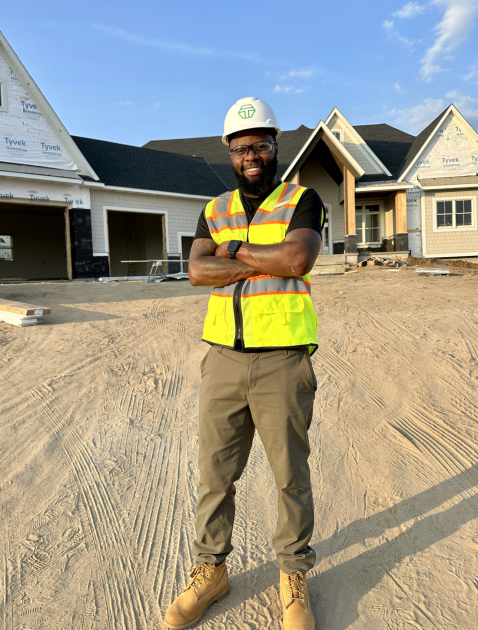
Adriane Epps: CEO of Twoie Construction and TWOIE Village Homes. “I serve as both the general contractor and real estate developer focused on building and rehabbing affordable, high-quality homes for underserved communities in Minneapolis. My work includes acquiring vacant and city-owned lots, designing and constructing new energy-efficient housing, managing all operations, and ensuring compliance with local codes and financing requirements. As an emerging developer, I’m also mentoring young adults who are working on a path to construction trades.”
Mikeya Griffin: Executive director of Rondo Community Land Trust, a nonprofit in Saint Paul that works with Ramsey and Dakota Counties. “Our focus is building generational wealth and stability for families, especially in communities that have faced historic barriers to ownership for homes or businesses.. We remove land from the speculative market and keep it in community hands permanently. We are among 14 community land trusts in Minnesota; we were the first in the state. I also do policy advocacy, field building, and technical assistance to other community land trusts across the Midwest.”
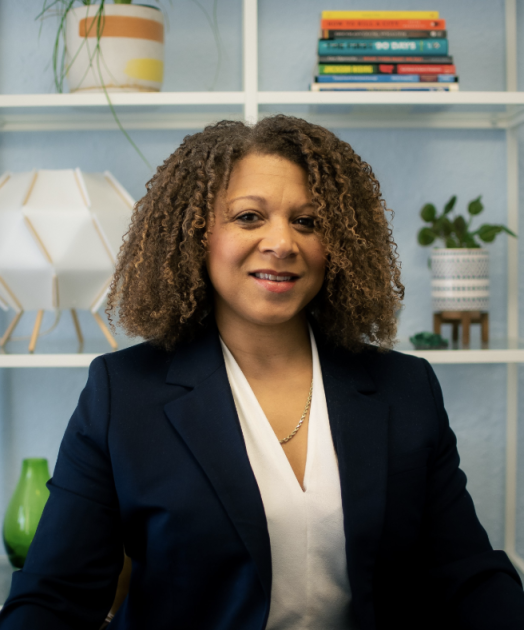
Deborah Freedman: Housing development senior coordinator at One Roof Community Housing. “We started as Northern Communities Land Trust and became One Roof by combining with a neighborhood housing services organization. My role at One Roof is to lead the new construction development of single-family homes for the land trust. I also helped to lead the development of Plover Place, which is a new model to more quickly build housing to provide individuals who have experienced homelessness with supportive permanent housing. Plover Place has two small 12-unit buildings with a common kitchen and living space, and offices for staff. They were built by a modular housing contractor.”
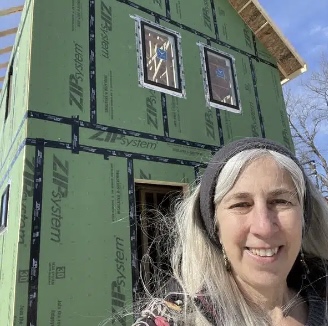
Deanna Hemmesch: Executive director of Central Minnesota Housing Partnership, Inc. “We are a nonprofit community housing development organization (CHDO) working in 16 counties in central Minnesota. My main role is as an affordable housing developer for multifamily housing. CMHP owns 38 properties (980 units) of affordable rental housing throughout our region. We have developed them from the ground-up, utilizing Minnesota Housing Finance Agency resources, or acquired and renovated them throughout our region to maintain affordability.”
Marti Maltby: Executive director of Peace House Community in Minneapolis. “We do not do any housing ourselves but serve as a community center. Most of the folks who come in here are homeless, so we have services like meals, haircuts, and bike repairs. We partner with organizations for mental health, physical health, and housing. We provide a space where workers can connect with folks who need their services.”
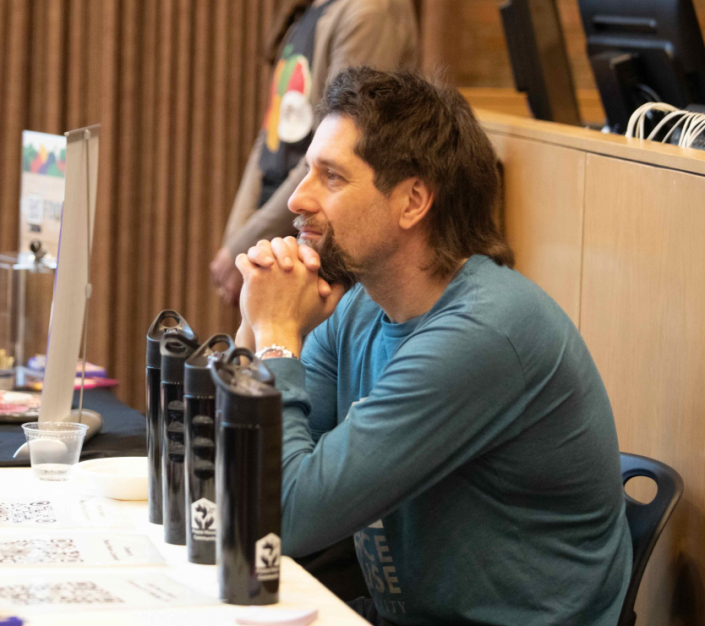
Sindy Mau: Executive director at Aging Options, an advocacy, education, and outreach agency focused on social justice issues. “Currently, I provide health outreach and advocacy for people experiencing homelessness through a grant funded by the Minnesota Department of Human Services. Prior to that, I was the Strategic Planner on Homelessness for the City of Minneapolis Health Department. I worked collaboratively on a grant with City of Minneapolis Emergency Preparedness staff to address the water, sanitation, and hygiene needs of people experiencing unsheltered homelessness.”
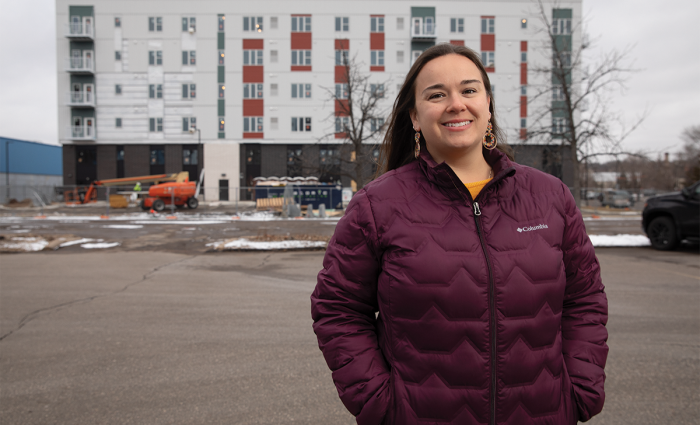
Irene Ruiz-Briseno: Program Manager with Greater Minnesota Housing Fund. “We are a nonprofit CDFI affordable housing lender. My role is to provide technical assistance and resources to emerging developers, specifically from underrepresented communities, and to increase the diversity in the affordable housing development space.”