
Transportation on the Ballot
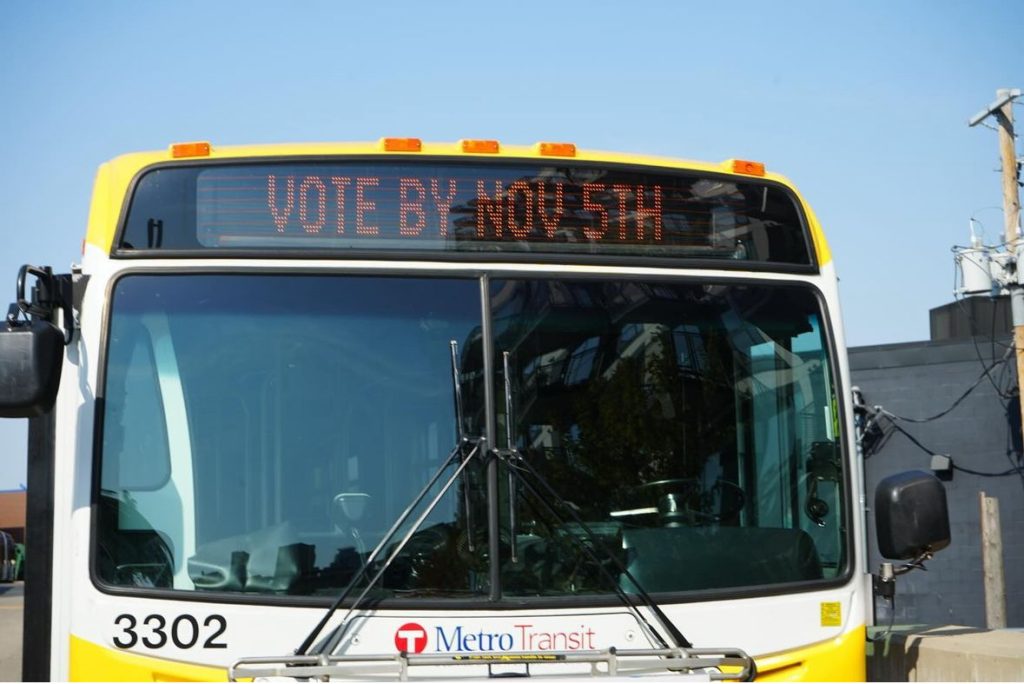
Transportation is on the ballot this election day, even if it’s largely been left out of presidential debates, stump speeches, and campaign websites this year. While transportation policy almost never takes a top spot among campaign issues span from human rights to the economy, the next president will have significant influence over transportation and infrastructure decisions, issues that underpin many elements of daily life.
Just a few weeks before the election, the Urban Institute’s recent report on discretionary grants awarded by the U.S. Department of Transportation underscored this importance. The study found that the Obama administration prioritized funding to transit projects, the Trump administration prioritized highway expansions, and the Biden administration prioritized bike and pedestrian projects. This funding ultimately decides whether transportation investments pursue forward-thinking multimodal projects, or stick with outdated logic that expands highways and worsens their attendant harms.
Federal funding makes transportation projects – both good and bad – come to life, and the next president will shape the 2026 congressional reauthorization that will replace the Infrastructure Investment and Jobs Act (IIJA), a mixed bag that expanded transit investments but also supercharged harmful highway expansions.
As a freeway fighter and a transit advocate, I’d love to see more funding to expand the Reconnecting Communities Pilot Program that brought millions to Minnesota and communities around the country to study highway removal. More transit funding, and more resources and policies for anti-displacement and community engagement efforts, would also go a long way in remaking transportation policies for the better.
But the only way we’ll see this kind of reform is if people make the link between transportation and voters’ key concerns like the economy, environment, housing, and jobs. If we as transportation advocates clearly communicate the way these transportation decisions impact people’s lives, we can raise public awareness and hold elected officials accountable for real forward thinking reforms.
Here’s What Else I’m Reading This Month
A two-part series by Zak Yudhishthu on inclusionary zoning
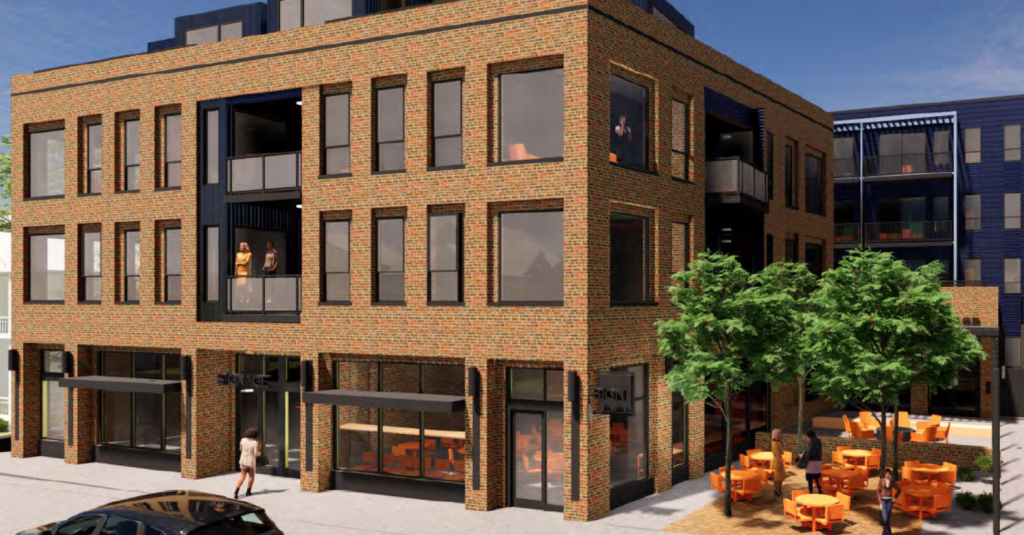
Zak Yudhishthu’s policy writing is a mainstay at Streets.mn. His October two-part series on inclusionary zoning, focusing first on who pays for inclusionary zoning, and then an evaluation of Minneapolis’s inclusionary zoning policy landscape, is a must read. The series explains how inclusionary zoning can create affordable housing, especially in tandem with good zoning policies, but shows it must carefully balance affordability targets with development feasibility, making it just one part of addressing housing needs.
The Streets.mn podcast also dives into housing issues this month, with a story on Mixed Use Housing.
Inaugural Twin Cities Bike Tour Draws Thousands
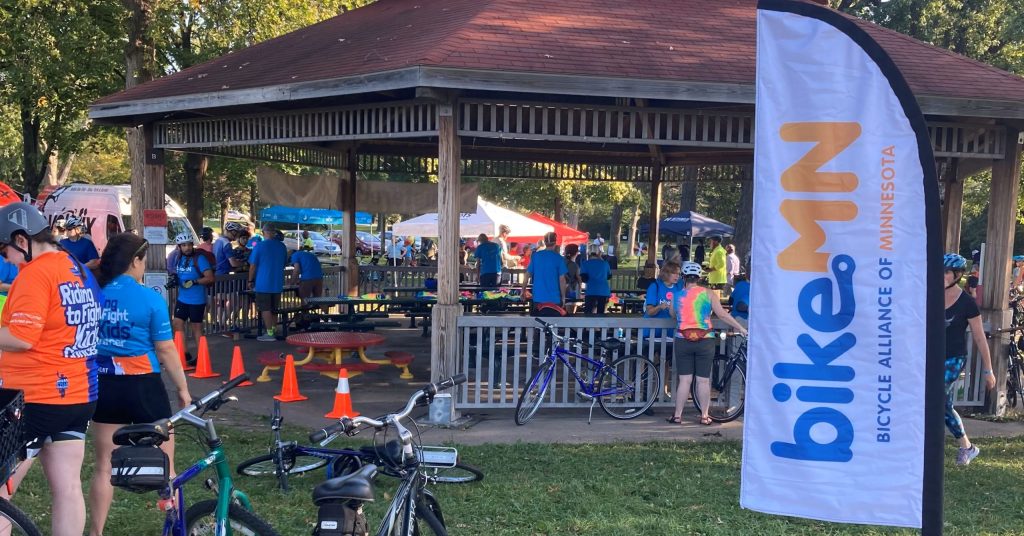
Ed Steinhauer was excited to unpacked the details of BikeMN’s successful ride that drew 2,000 participants earlier this fall. The first annual event route showcased the best of both Minneapolis and St. Paul’s bike infrastructure and brought together community members with local eateries, brewpubs, bike shops, bike clubs, and bicycle and pedestrian advocacy. Always excited to see BikeMN’s reach continue to grow and we’ll certainly be tracking their work this legislative session for more forward thinking bike and pedestrian work statewide.
When the Rubber Leaves the Road
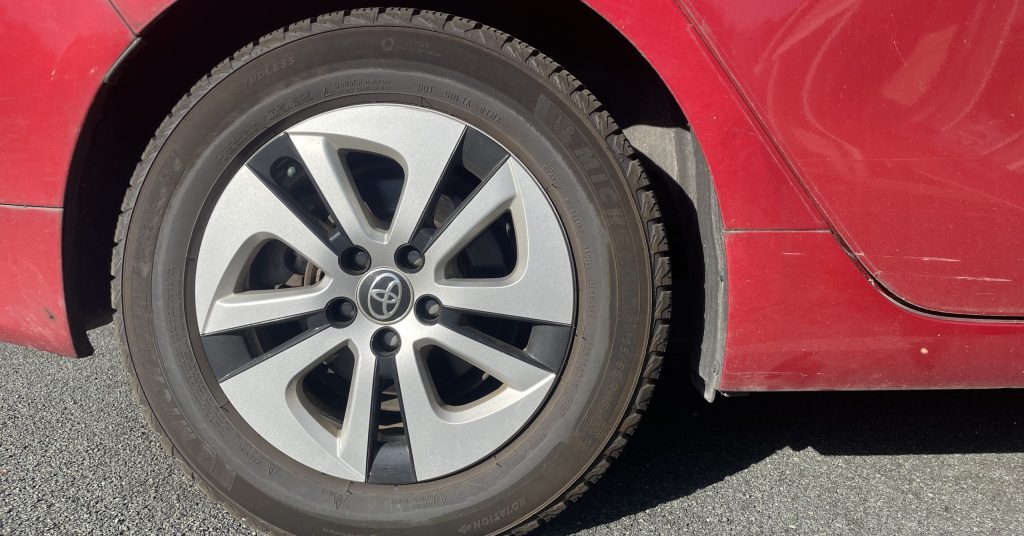
Kevin Matesa-Klatt’s piece was very informative on one of the unsung sources of vehicle pollution: tires. Tire pollution from vehicles is a significant but overlooked environmental hazard, producing 2,000 times more particulate matter than tailpipes and containing harmful chemicals that contaminate air, water, and soil through road runoff. This piece does an excellent job evaluating one of the major pitfalls of electric vehicles – their localized air quality impacts – underscoring the need for reducing car dependency through transit investments and highway removal.
On the Streets.mn Podcast
Host Ian R Buck drops a podcast on (or around) the 1st and 15th of each month. This month explored Anoka’s pioneering social district program, which allows people to carry alcoholic beverages between participating businesses in its downtown area, through interviews with city officials, business owners, and the Anoka Area Chamber of Commerce president. The conversation provided interesting context as other Minnesota cities like Stillwater and Shakopee consider similar initiatives.
Love What We Do? We’d Love Your Help!
Help us keep the lights on and keep growing Streets.mn. Click the button below to make a donation in any amount, either a one-time or sustaining gift. And if you’d like to contribute your own writing, photos or videos, contact us at [email protected]. Your voices and views are essential, too.
News & Views is Streets.mn’s newsletter, sharing exciting stories, updates and events from around the Twin Cities with the Streets.mn community! You can expect this newsletter at the end of each month.
A note from Joe: Hi, my name is Joe Harrington! I am a member of the board of directors at Streets.mn and a writer focused on transportation, environmental policy, and urban geography. I serve as the Transportation Policy and GIS coordinator at Our Streets, a community driven transportation non-profit. I’m also a big foodie, always on the hunt for a good recipe or a Twin Cities restaurant, and love to travel, swim, fish and bike.