Every day, The Overhead Wire collects national and international news about cities and sends the links to their email list. At the end of the week they post some of the most popular stories to Greater Greater Washington, a group blog similar to Streets.mn that focuses on urban issues in the D.C. region.
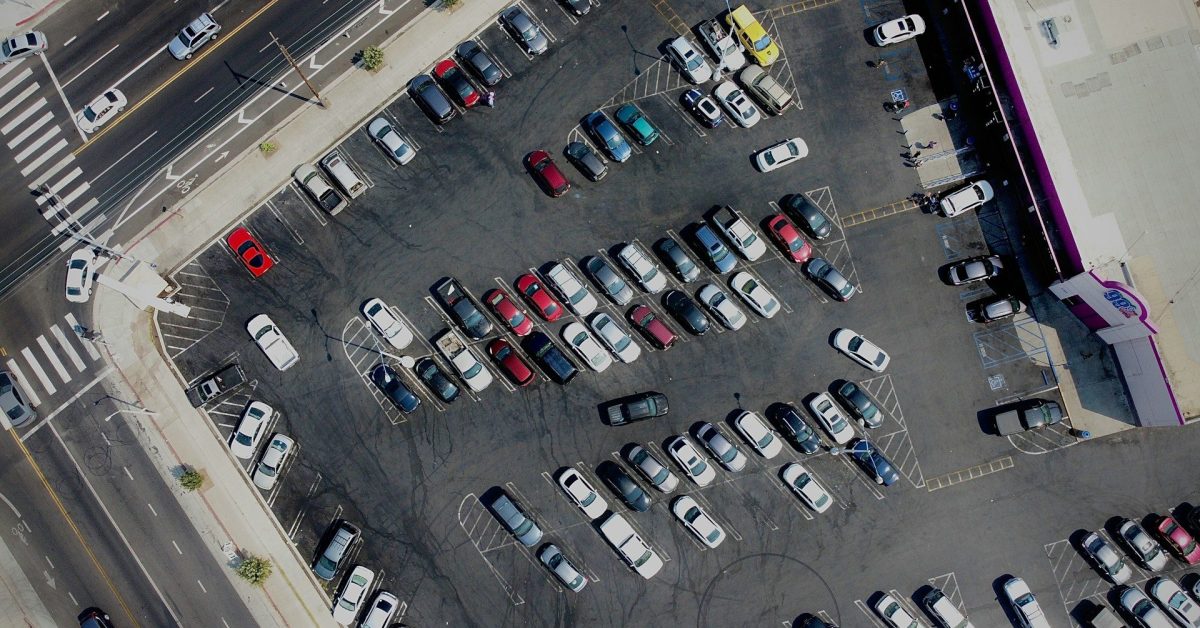
Dark cars are worse: New research shows that dark colored cars contribute to the urban heat island effect, making the air around them 3.8 degrees Celsius warmer than nearby asphalt roads. Cars can cover up to 10% of a city, meaning the darkness or lightness of a vehicle can shift the heat. Some mitigation strategies include restricting parking locations for certain color vehicles and incorporating shade elements into parking. (CarbonCopy)
Disgust for density: New research from the University of British Columbia suggests that some people oppose new housing density because they are more psychologically prone to feelings of disgust. The findings suggest that the common framing of “for or against” progress ignores historical reasons why humans might be repelled by certain design: Crowded cities could be seen as places where disease could more easily spread, for example. But the findings also give a path forward for finding common ground. (Michael Hooper | NextCity)
Designers whom history forgot: Fredrick Law Olmsted is one of the most well-known landscape architects and designers of our time. As his portfolio expanded across the country, so did his firm. The work was not solely his, however; he relied on a team of highly skilled drafts people who helped bring his vision to life. Some of these designers, such as Alexander Joseph Scholtes, are only now beginning to be recognized for their remarkable talent. (Yaniv Korman | Landzine)
MPOs rarely represent constituent makeup: Metropolitan Planning Organizations (MPOs), such as the Metropolitan Council based in St. Paul, are tasked with stewarding transportation money to regions from the federal government. They are often made up of boards of elected or appointed officials. Many of them are not representative of their constituents, with cities often having less voting representation based on population than suburban jurisdictions. (Yonah Freemark and Lydia Lo | Urban Institute)
This week on the Talking Headways podcast, we’re joined by Adie Tomer of Brookings to discuss a paper he and his team wrote about regional block grants.
Quote of the Week
“Think about it this way: It might be fine to drink one glass of wine per day, but some of these wildfire smoke events are like drinking four bottles of wine in an evening, which can overwhelm the body’s defense and harm health.”
—Joan Casey in the Los Angeles Times discussing what urban fire smoke can do to public health.