The city of Minneapolis added 574 new apartment homes in 2024 through the adaptive reuse of commercial office space into residential housing, according to Yardi, a national rental database provider. This made it sixth in the country for adaptive reuse conversion — the city of Chicago took first place, with 880 new apartments converted.
Two major projects led the way for Downtown Minneapolis. First was Groove Lofts in the Northstar Center at South 6th Street and South 2nd Avenue, with apartments ranging from $1,297 for 415 sq. ft. (“betty”) to $3,822 for 2,001 sq. ft (“wilma”). Second was The Hall Lofts in the former Duffy Paper Co. building in the North Loop neighborhood near Downtown; in The Hall Lofts, rents range from $1,375 for 489 sq. ft. (Floorplan A6, #361) to $4,695 for 1415 sq. ft. (Floorplan E1, #572).
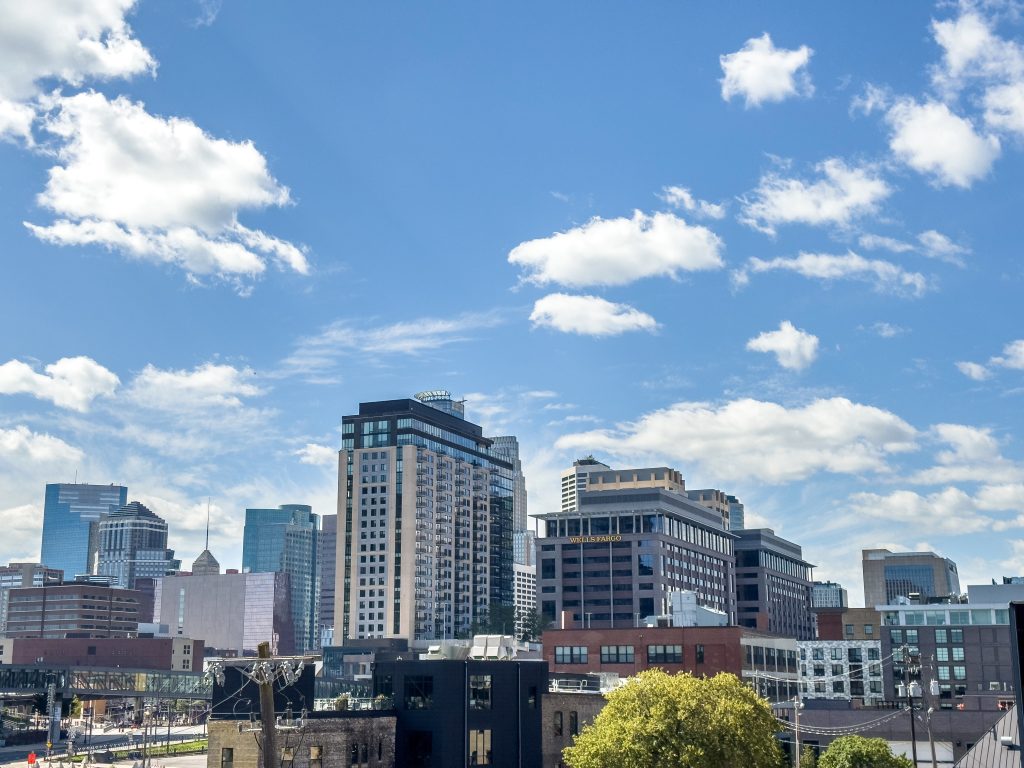
The Minneapolis City Council passed a new ordinance in September of 2024 that eased the regulatory burden on developers turning vacant office space into new housing. The action, authored by Downtown council members Katie Cashman and Michael Rainville, stated that conversions adhering to city rules would not need a public hearing and could be approved by staff review. The new ordinance also exempts adaptive reuse from traffic studies and the City’s Inclusionary Zoning ordinance, which had required a certain number of apartments to be income-qualified at different levels of regional Area Median Income.
There are bills introduced at the Minnesota state legislature that could add a tax credit for conversion of underutilized buildings. The bills — HF 457 in the Minnesota House and SF 768 in the Senate — have bipartisan support across the state. The legislation has not so far made it past committees, but can still be taken up without being reintroduced in the upcoming 2026 session.
The overall office market remains weak. The vacancy rate for commercial office space in the Minneapolis – St. Paul metropolitan area was 27.9% as of September 2025, according to Cushman & Wakefield. That is lower than 12 months before, when it was 29.1%. At the same time, the current vacancy for multifamily residential is 5.5%, although rents are lower in Minneapolis than in other urban areas like Manhattan, New York, where a one-bedroom is $4,500. Downtown Minneapolis has the highest rent price per square foot at $2.32 (equivalent to $1,160 for a 500 sq. ft. one-bedroom). With new adaptive reuse conversions “penciling” at higher rents, state tax credits could make more projects possible in more areas of the Twin Cities.
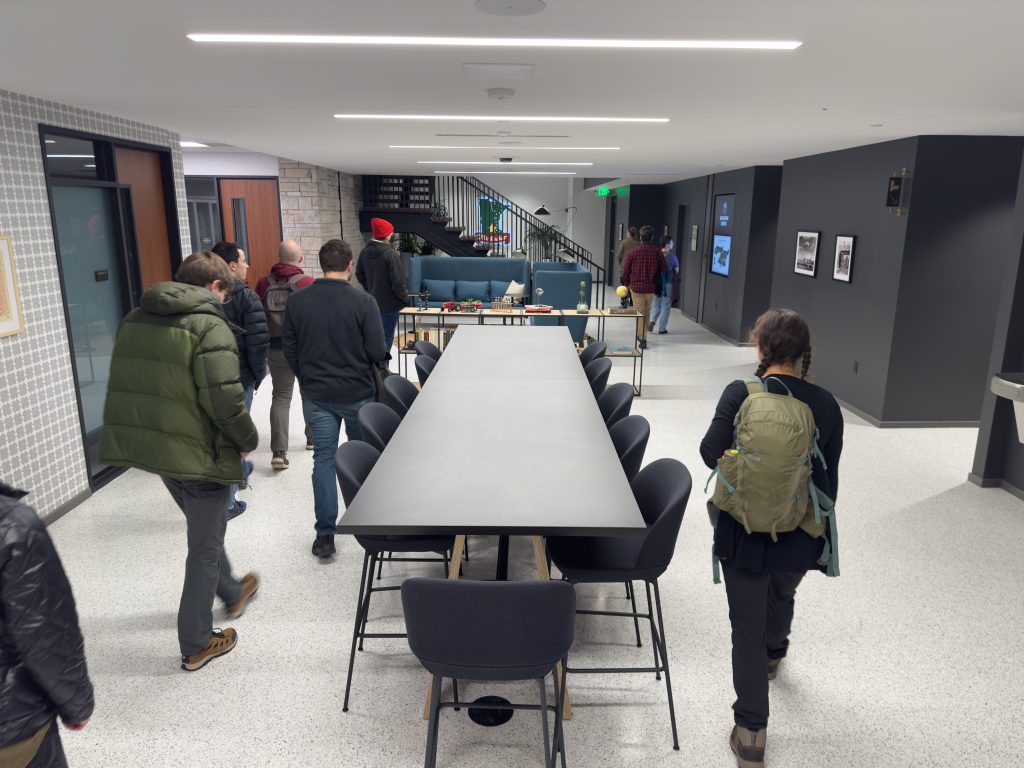
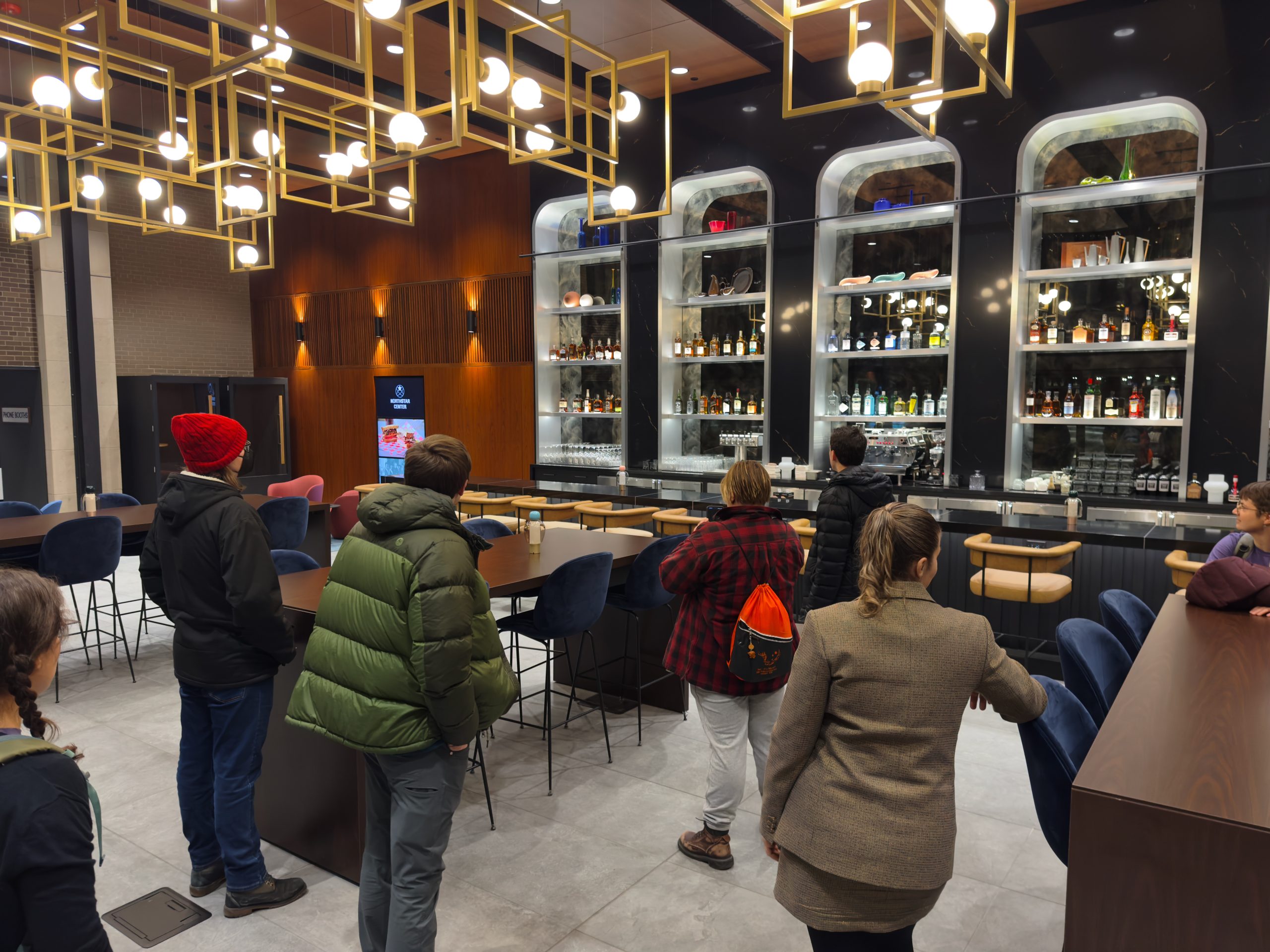
In January 2025, I had a chance to tour Northstar Center — the home of Groove Lofts — after a significant renovation that dovetailed with the adaptive reuse into apartments. Approximately half of the commercial office area was converted to apartments, with some (significantly vacant) older office space remaining. The property manager was hopeful that adding residential areas could help create an ecosystem of activity for the amenities shared with the office space, like the market and dining hall.
The rental market is challenging. Current economic headwinds nationally will likely push many employers to reevaluate lowering overhead on office rent, especially with layoffs at major employers like Target and Amazon corporate. If vacancies in commercial office space continue to be significantly higher than residential multifamily, more adaptive reuse conversions to apartments are likely.