Lyndale Avenue South is up for reconstruction whether we like it or not. It’s been almost a century since the road was fully rebuilt. The Hennepin County road serves thousands of commuters daily; it also serves as the heart of the Lyn-Lake, Wedge, and greater Uptown neighborhood(s).
Advocacy groups, Vibrant Lyndale and Livable Lyndale, have battled back and forth over the past few years on various designs that the Hennepin County design team has put forward. Generally, Vibrant Lyndale wants to retain parking, and Livable Lyndale wants a bus lane and a bikeway.
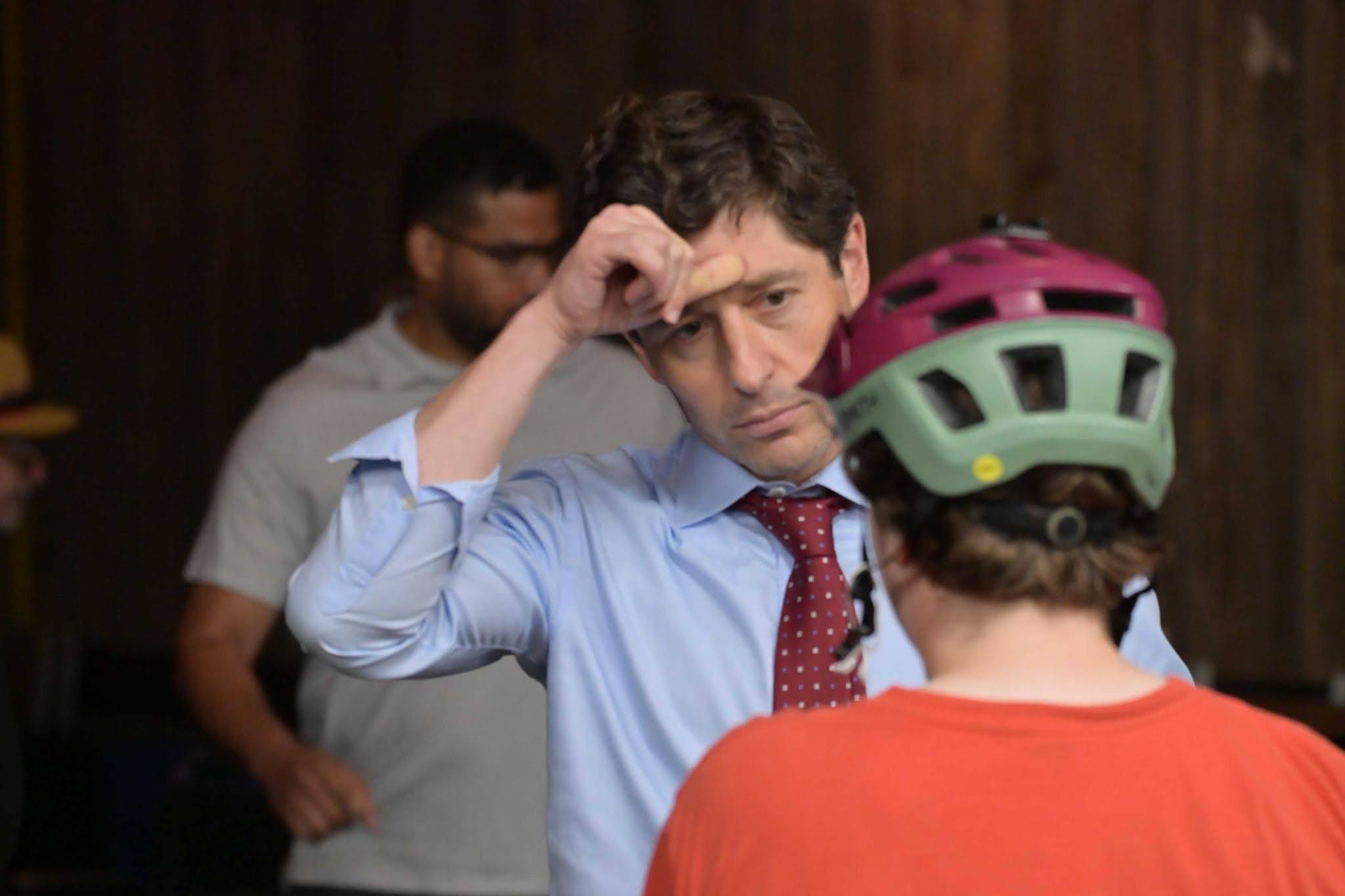
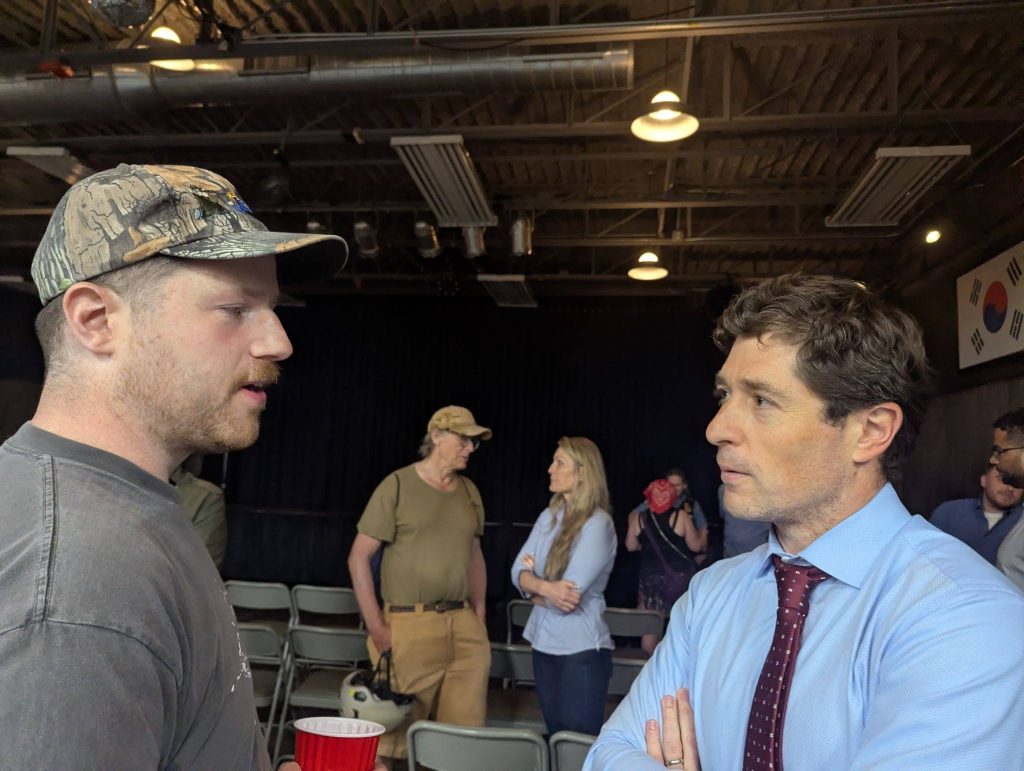
While attending recent meetings between Vibrant Lyndale and Livable Lyndale as well as the county design team and Mayor Frey, I have noticed a common thread: stress. We’re all stressed.
Business owners who make up a large chunk of Vibrant Lyndale are worried that two years of construction will hurt their business as well as the removal of some parking in favor of a bikeway and/or bus lane.
Bike and bus advocates of Livable Lyndale are stressed about safety and getting to where they want to go without feeling endangered. They also want to bring voice to those who don’t have the time and means to advocate for safer streets.
We all want the new design to work. We want businesses and restaurants to be there during and after construction. If not, what is the point of going to Lyndale?
On a street that is only so wide, it’s impossible to fit it all. The road is a shared space from one edge of the sidewalk to the other.
Between 31st and Franklin Ave, different road users have conflicting ideals of what their road should be. Commuters want to use Lyndale Ave as a straight line to get where they want to go fast. Delivery drivers want to quickly pop in and out of a restaurant and get on their way. Shoppers want to stroll the beautiful tree-lined road, window-shop, and make impromptu visits to new places. Locals want to make trips to the grocery store and linger at cafes.
The problem is we can’t have it all.
We can’t have a road where the width encourages speeding even if the speed limit is 25 mph and also want crossings with shorter distances and better visibility. We can’t have on-street parking and expect there never to be delays from people parallel parking. We can’t rely on transit to get to work if there are significant delays. We can’t feel safe biking with our 10-year-old next to us along a two-way bikeway that has multiple driveways every block.
We want the road to do so much. We want to get through fast. We want to slow down and shop. We want to make quick trips, long trips.
We want to allow people to get to work, to the grocery store, to their grandparents’ home, to their favorite pizza restaurant, to buy flowers for their daughter’s wedding, to get the ring for said wedding. We want to feel safe. We want to bring our family and friends from out of town and show them what a cool place we live in.
We want a tree canopy that provides shade for us to walk, benches, our cars, and our bikes. We want the bus to move quickly along the road so folks can get to work, especially those who don’t have a car. We want the street to serve many purposes, and that’s part of the beauty of living in Uptown.
Speakers at the public meetings have blamed the proposed bikeway, bus lane, and reduced on-street parking, saying those features would restrict customers traveling by car from visiting their establishments. But two years of construction would restrict those customers even more (reduced demand).
Handicapped folks will not have the same level of curbside drop-off they currently do. Delivery drivers will need to park and walk or use the alleys to pick up their order.
The thousands of drivers that travel along Lyndale each day will pick alternative routes and means of getting where they need to go. Many people will be sitting in traffic on side streets.
Others will take the E-Line along Hennepin, taking advantage of the (part-time) bus lane. And some folks will ride their bikes or walk to get where they want to go.
People’s daily routines and routes will get disrupted. Detours will be established; other places are to be chosen due to ease of access and less construction noise. It will suck. There’s no way around it.
While we can hope there will be light at the end of the tunnel, if there are no businesses that survive, there will be no reason to visit Lyndale.
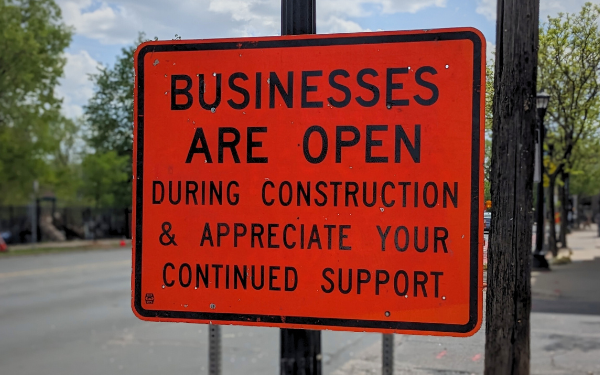
The financial burden will fall on those most hit by the construction. Besides two years of road closure, detours, noise, and disruption, businesses and homeowners are to get a big assessment plus increased property taxes due to the new and improved infrastructure they reside on. No matter how many signs saying “Lyndale Ave is open. Support local businesses”; businesses will suffer.
The Minneapolis City Council allocated $900,000 to support businesses affected by construction on nearby Hennepin Ave S, but the city never used any of the money.
At a June meeting at the James Ballentine Uptown VFW, some public speakers called for those affected to be eligible for a 1% interest loan to help float them through the construction. Uptown Association President Andrea Corbin made a last-minute plea to Mayor Frey asking for the project to be pushed back another year, which doesn’t seem like a possibility as the project is heavily reliant on federal funding.
State Representative Katie Jones, of Minneapolis, recently championed a bill to provide short-term financial aid to small businesses impacted by major construction. This helped lead to a pilot program currently underway on Arcade Street in St. Paul. Next term, Representative Jones, along with other legislators, aims to expand the program to more street reconstruction projects, including the planned Lyndale Ave project.
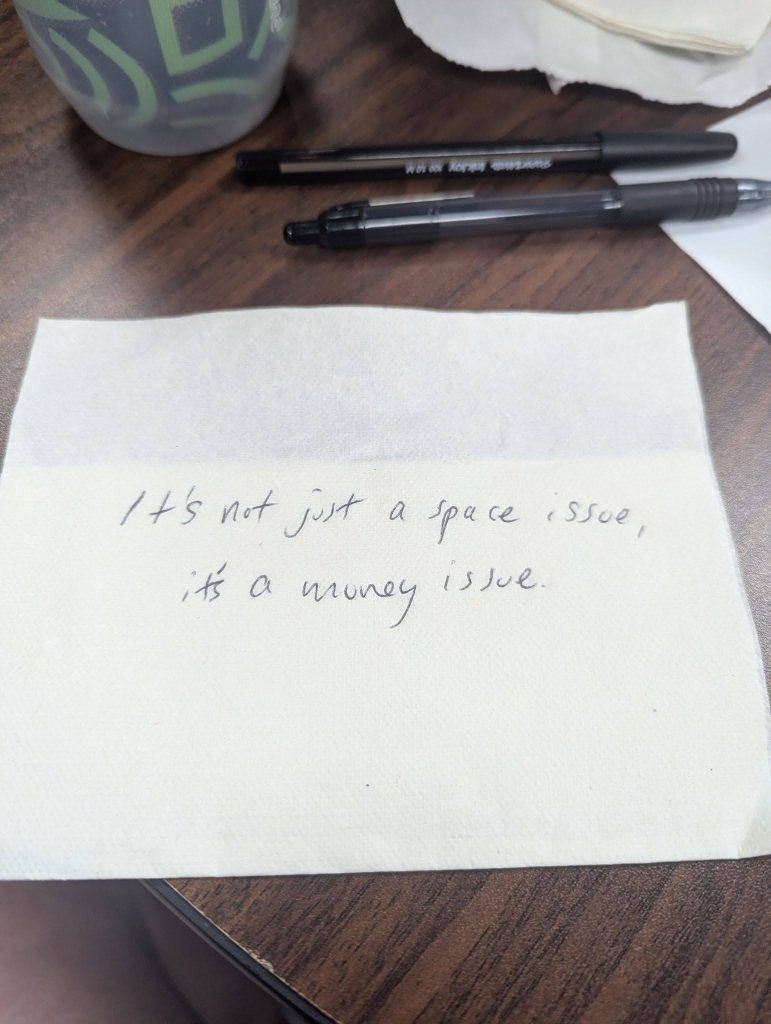
The fight on Lyndale Ave is less about the bikeway and more about the construction generally and the lack of financial aid to support businesses. While people’s priorities differ on what the road design should look like, and thus, who it should prioritize, I’d say we all want businesses on Lyndale to not just survive, but thrive. But to get there, all layers of government need to work together to help more businesses stay afloat.