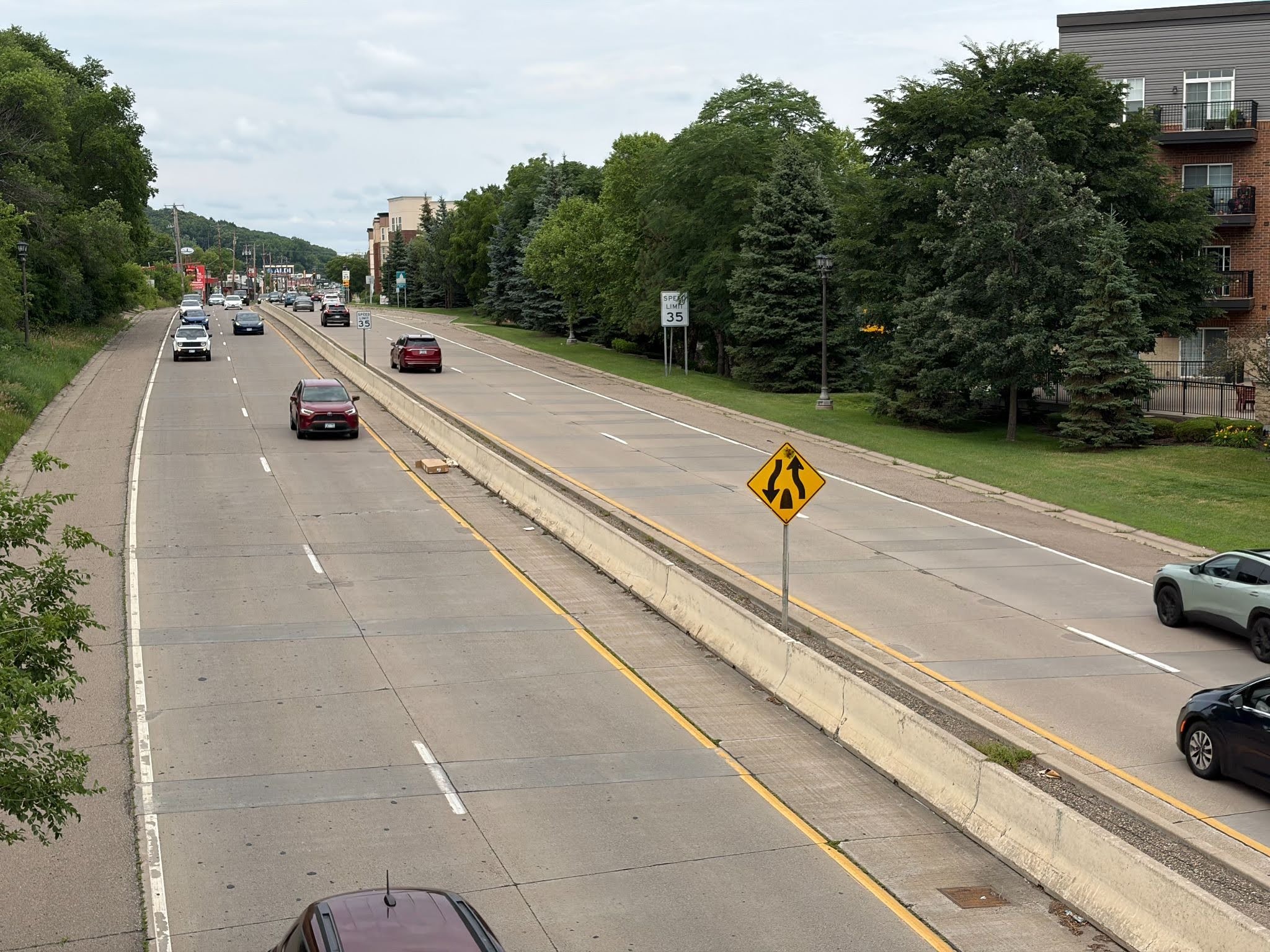
What if we reclaimed Twin Cities Freeway Interchanges?
“Freeway node” is a self defined term meaning a highway interchange or exit and all of the surrounding space that these take up.
“Freeway node” is a self defined term meaning a highway interchange or exit and all of the surrounding space that these take up.

As the City of Minneapolis’ Public Works department embarks on the 34th Street Neighborhood Greenway project this summer, Minneapolis has an opportunity to build an elite neighborhood bikeway.
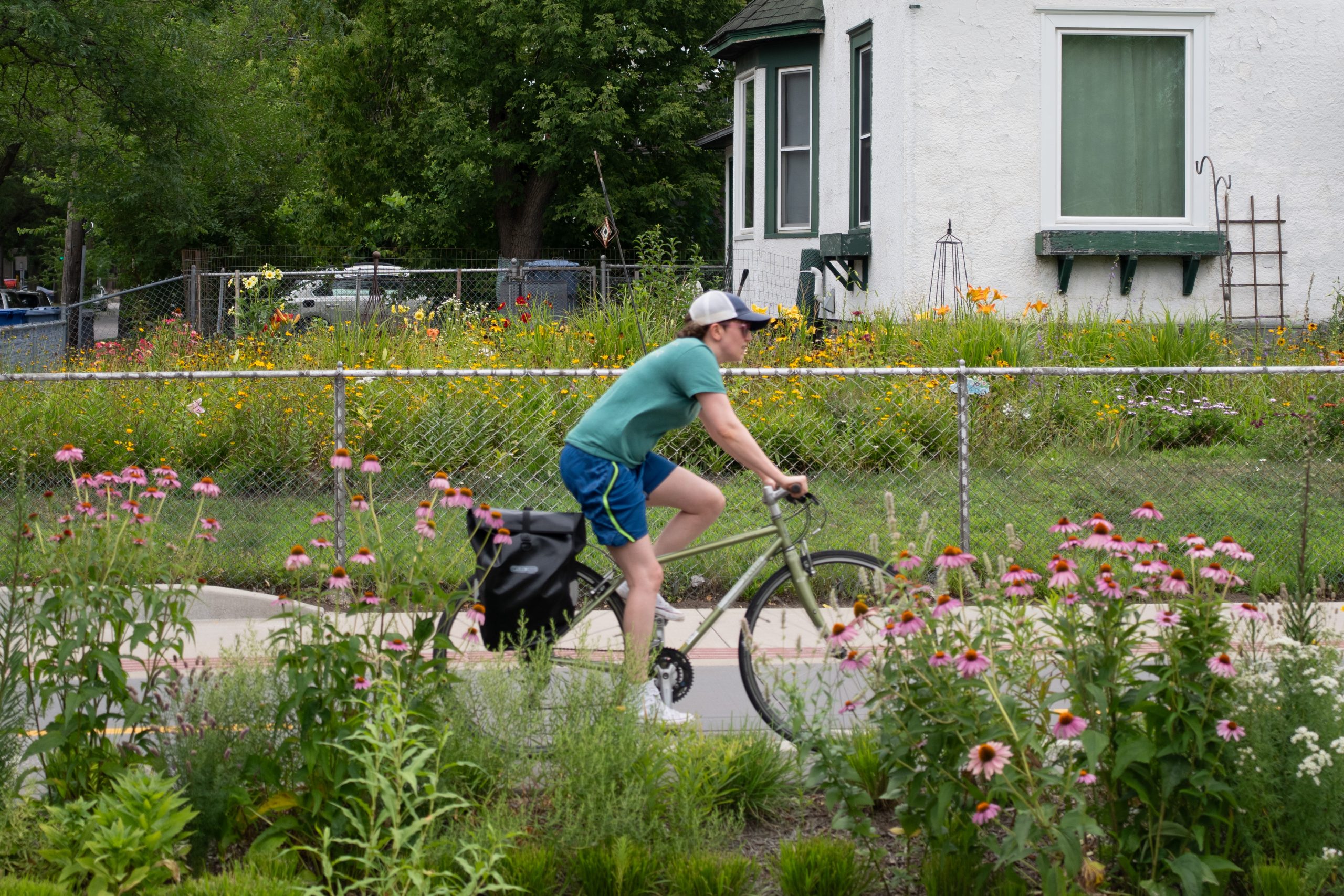
Discussing bikeway improvements with City of Minneapolis Public Works staff

We can disagree on how the road will look, but we all want businesses to be there when construction is done.
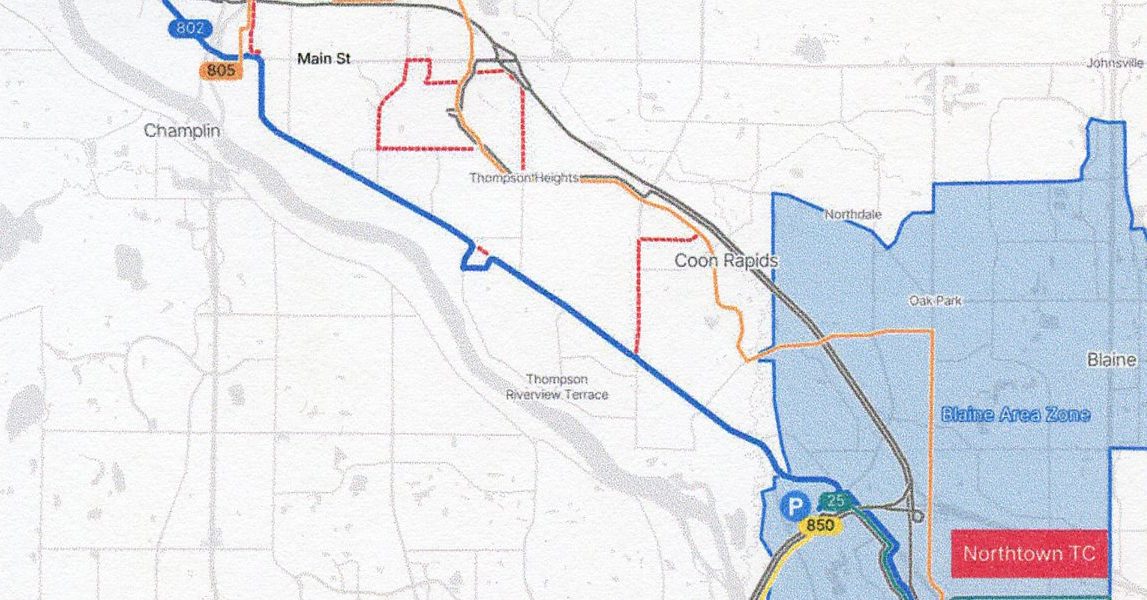
June’s quarterly service change brings expanded bus service to the northwest metro in lieu of the Northstar service, which ceased earlier this year.
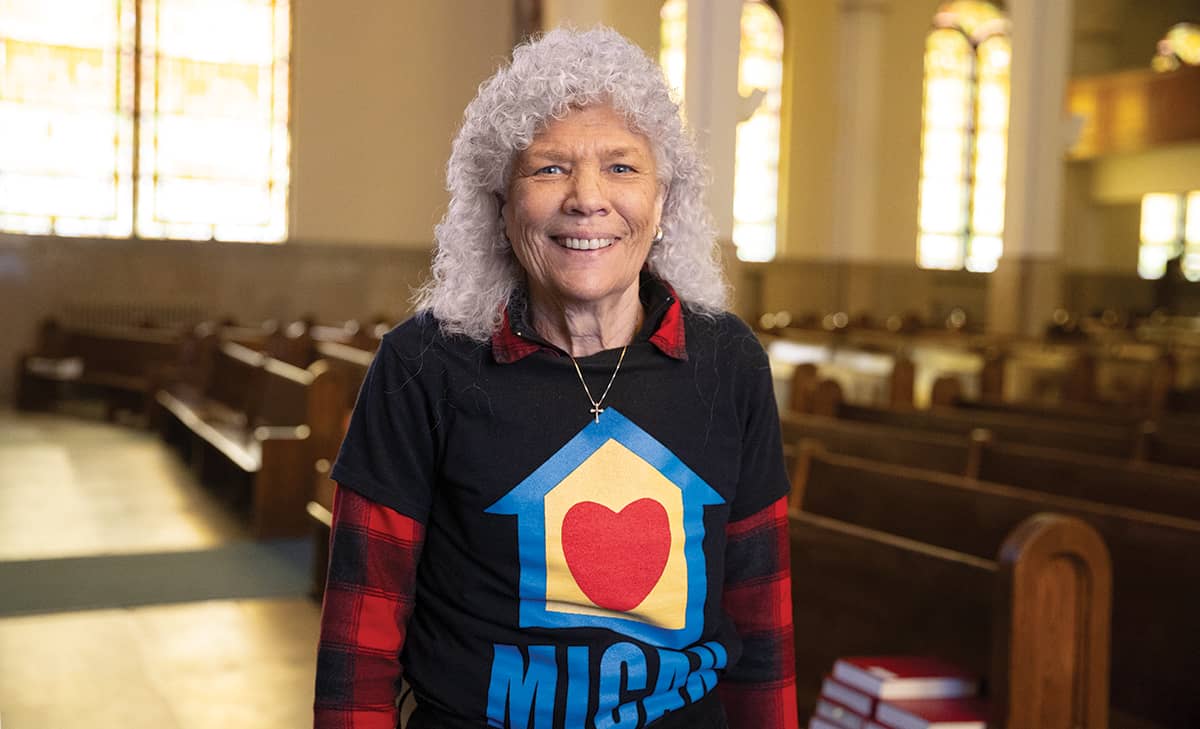
Reflecting on housing as a human right and the systems that push people into housing insecurity.
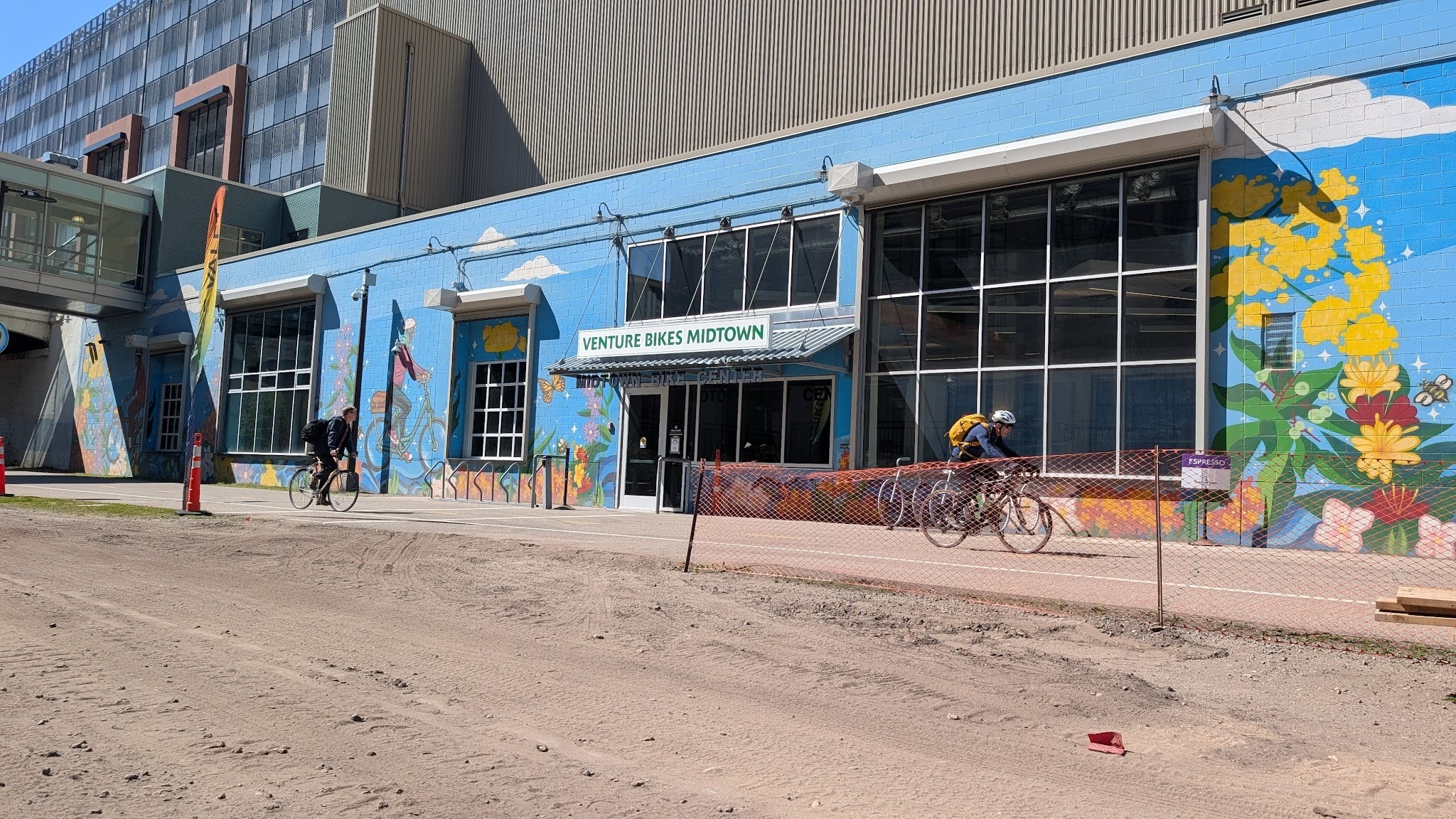
The Midtown Greenway moves a million people a year, but a trail without a place to shower, fix a flat and grab a coffee isn’t a commute — it’s a hobby. Meet the Midtown Bike Center.
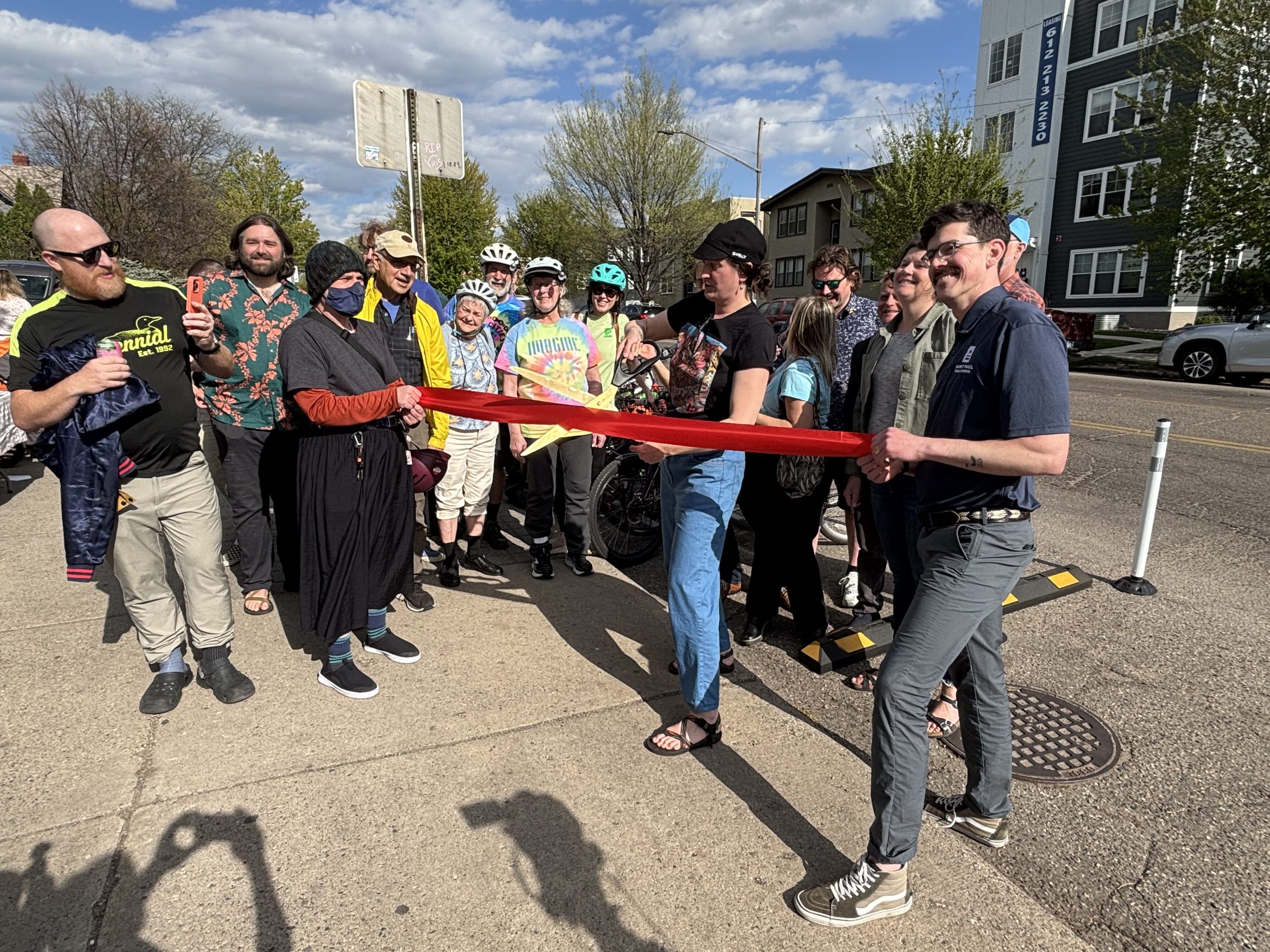
A Saint Paul newcomer with hard-won lessons from Omaha spent a year emailing, pushing, and coalition-building — and got the city to say yes.
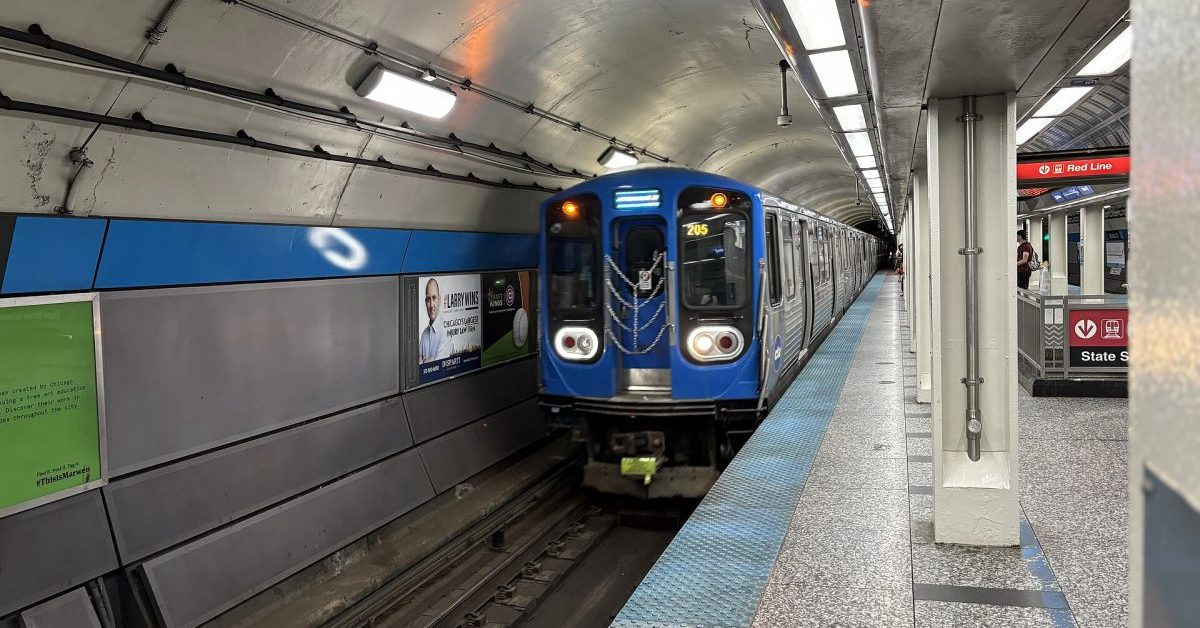
The I-94 trench is an open cut waiting to be covered. Before we fill it, build a subway that merges Minneapolis and St. Paul into one downtown.
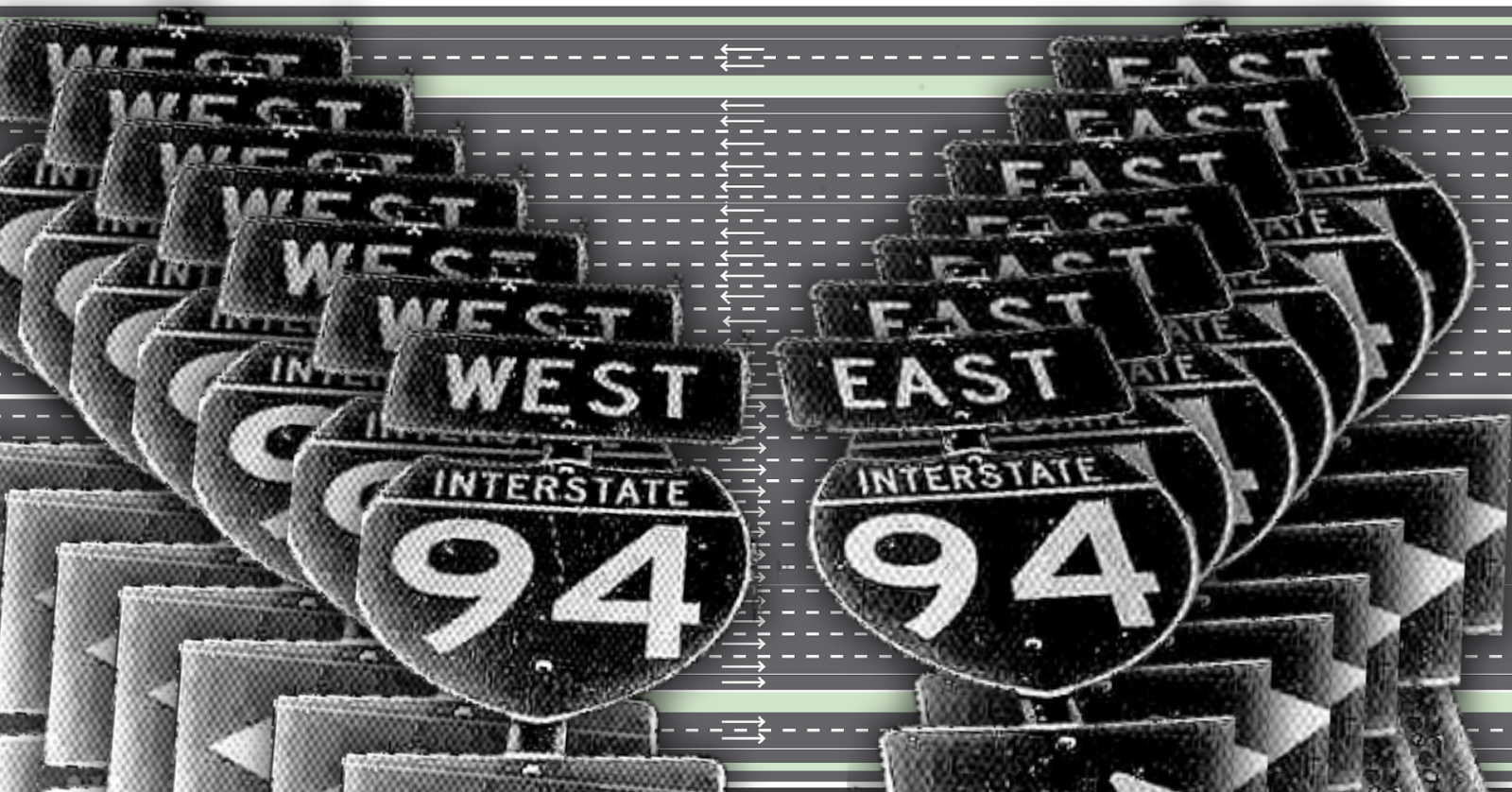
MNDOT’s Rethinking I-94 alternative selection process looks objective, but how well does that hold up?