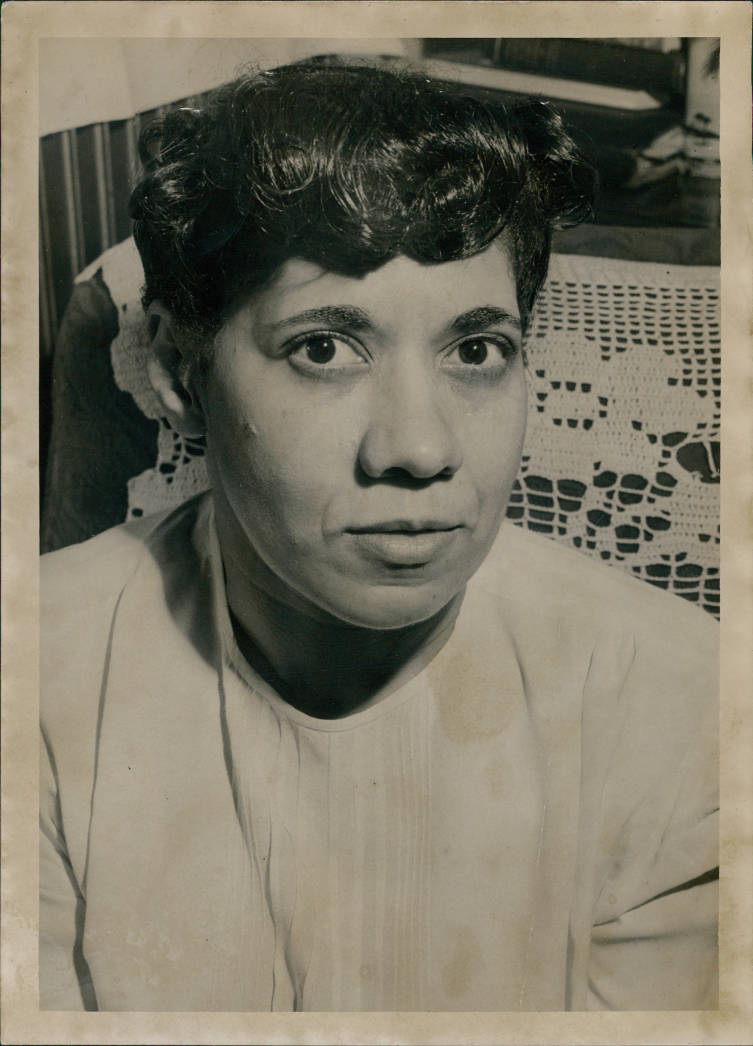
In this series of stories, we’ll explore local names—where do these names come from, why do they matter, and more. We often talk about what we do with “the land” but I think what we name the land has value too—and needs to be discussed further. In this first story we’ll discuss Nellie Stone Johnson Elementary School.
Nellie Stone Johnson Elementary School is a Minneapolis Public School located in North Minneapolis at 807 27th Avenue North. There is also a statue of Johnson, unveiled in 2002, at the Minnesota State Capitol—the first woman of color in state history to receive that honor.

But who is Nellie Stone Johnson? My fear is that we name schools and streets and parks and more, but we might forget where those names come from, and Johnson’s feels particularly important to my eye.
Roots and Union Organizing
Johnson, born in 1905, was a Black American civil rights activist, elected official, and union organizer—and one of the people who helped to create what we know today as the Democratic-Farmer-Labor (DFL) party. Johnson was a lifelong Minnesotan, born near Lakeville, MN, moved to Hinckley as a child with her family, and then moved to Minneapolis in 1922 to work and study. For part of that time in Minneapolis, Johnson lived in North Minneapolis, where the elementary school mentioned in this article is located, with family.
Johnson organized with the Minneapolis Hotel and Restaurant Workers Union and, after becoming a member, became vice president of the American Federation of Labor’s (AFL) Local 665, Hotel and Restaurant Workers union—a multiracial worker’s union founded in 1935. She had also served as the vice president of the Minnesota Culinary Council. Keep in mind this was even before the AFL and the Congress of Industrial Organizations (CIO) merged in 1955!
Johnson was a leader in the field of fair employment organizing. This included the Minneapolis Civil Rights Commission and the state Human Rights Department. She also led the work to create the Minneapolis Fair Employment Practices department. Johnson also organized communities around the passage of the Minnesota State Act for Fair Employment Practices Act in 1955.
The Streets of Minneapolis
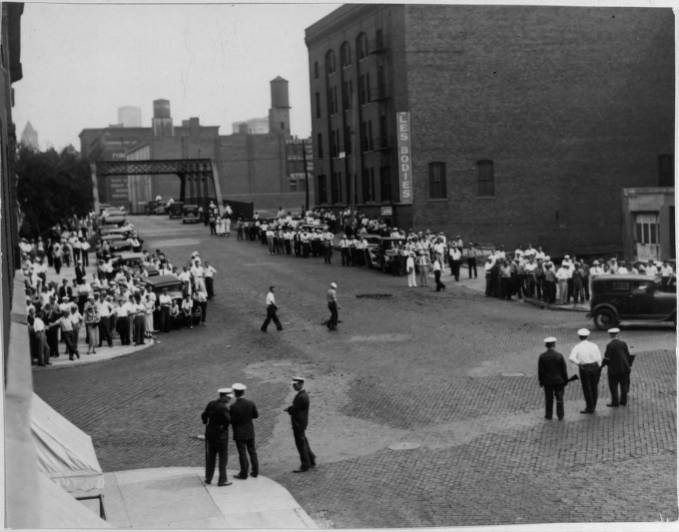
Outside of her work as a union organizer Johnson was a member of the Minneapolis NAACP. In 1934 Johnson supported truck drivers in a citywide strike by the Teamsters through that work—this was a landmark labor conflict on the streets of Minneapolis. The strike, also known as the Minneapolis Truckers’ Strike, helped to propel Minnesota’s union history forward when, at the time, Minnesota lagged behind.
Johnson was also elected to the Library Board in Minneapolis in 1945, the first Black person to be elected to a citywide office in Minneapolis, and later she served on the Minnesota State University Board for eight years, and the Minnesota State Colleges and Universities board of Trustees. Outside of all that Johnson, a seamstress, owned a local sewing and alterations business, located out of Downtown Minneapolis, for over 30 years. That business started in the Kresge Building in Minneapolis—located at the intersection of 7th St and Nicollet Ave, and eventually moved to the Lumber Exchange Building—the first skyscraper built in Minneapolis.
Johnson’s leadership as a racial justice leader, union organizer, elected official, and business owner have helped shape the Minnesota we see today—our politics, fair employment practices, and so much more.
She died in 2002 leaving nearly a century of legacy and leadership behind her that have permanently shaped the Minnesota we know today.