
Metro Transit’s newest Bus Rapid Transit (BRT) line’s inaugural run is Saturday, June 14, and the excitement among transit users is great to see.
The new METRO B Line starts just west of Bde Maka Ska in Minneapolis, heads east on Lake Street, crosses the Mississippi River to St. Paul’s Marshall Avenue, turns south for two blocks on Snelling and then proceeds east again on Selby Avenue to downtown St. Paul.
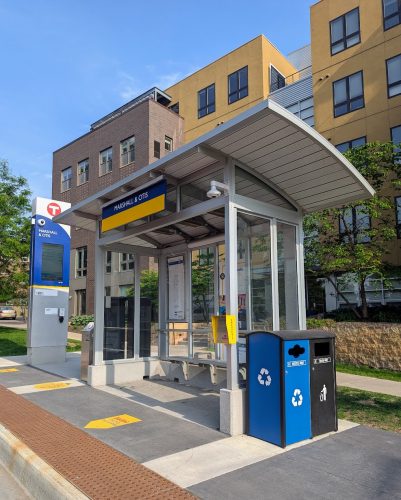
METRO B Line will offer residents a significantly improved transit experience. I hope this means many more of them will ride transit instead of driving.
The B Line’s route has had transit service for more than a century. The Selby-Lake line, an electric streetcar, operated on the corridor from 1890 to 1954. The route was then served by bus #21, itself with a storied history, parts of which were memorialized in a play by local writer and performer Kevin Kling.
Route 21 will serve until Saturday as the busiest local bus in the system. It’s tremendously useful — plying a crosstown route that features every possible good, service or entertainment a person might wish for — and it’s also often slow, packed or stuck in traffic. It may be beloved, but it’s neither fast nor efficient, or necessarily even reliable.
And now it’s about to be fixed. Let’s load it up with passengers!
Why Should People Use Transit?
Air quality is worsening due to more driving. Our region is sprawling ever outward with more homes built on former farm fields, creating and enforcing long-distance car dependency. Northern forests are burning in part due to the climate crisis that is directly related to motor vehicle emissions. Our children suffer learning disabilities and asthma, and our friends are dying from heart disease and cancer caused or exacerbated by the emissions we create by driving. Microplastics from tire wear are proving to have horrifying environmental and health effects. Unfortunately, no one is immune.
I’ve spent a good chunk of my career promoting all the ways people in the Twin Cities metro can get around successfully without using cars. Some might say this activity is Sisyphean, and many days I’d agree with them. Still, reducing the use of internal combustion and electric cars and trucks is critically important for the climate, for managing household expenses, for municipal, county, state, and federal budgets and residents’ resulting tax burdens, for the very direct, devastating impacts of air and water pollution on human and environmental health and for decreasing driving-related injuries and fatalities. Car dependence is no way to live.
Selling Transit Here Is Tough
The Twin Cities metropolitan region fancies itself modern and progressive. We have theater, music, and nationally ranked park systems, and James Beard’s people stop by from time to time to rate our chefs.
Our Twin Cities are many excellent things, but we decided in 1954, when crooks tore out the vast, networked regional streetcar system, that we weren’t transit cities. Instead of continuing to build thriving residential communities around rail, we’d instead rely on a sparse bus system and prioritize driving and suburbs.
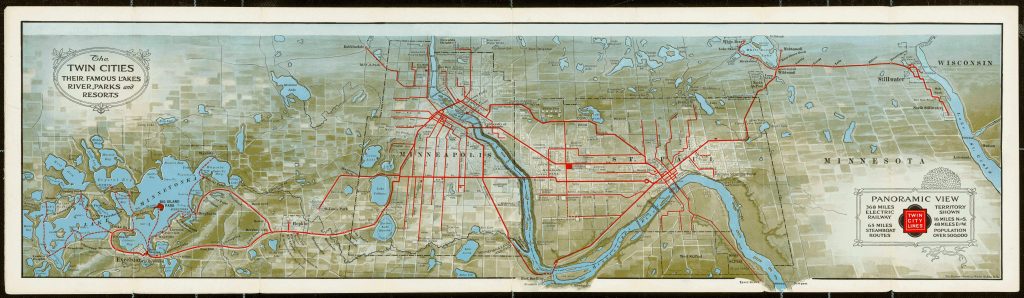
The bus system that replaced the streetcars eventually grew, and over the years light rail and BRT were added. Regional ridership dropped precipitously during the pandemic. Still, Metro Transit never gave up, remarkably building several new BRT lines and launching its Network Now expansion and customer-focused planning framework over the last few years.
But instead of broad and vociferous public support for transit, we’ve been bombarded with negativity. Terminally online people and letter-to-the-editor writing trolls get lots of attention here, haggling over all the reasons they hate transit. Suburban cities are even opting out of proposed stations on new BRT lines. Unfortunately, many in our communities are observing this — and among them are the folks you’ll be trying to convince to use transit.
The vast majority of residents, however, don’t even think about transit. They love their cars, they see driving as freedom, and some of them even buy exceedingly loud after-market exhaust systems to get more attention on the street. Maybe they’ve used transit to get to the State Fair or a Twins game. They certainly don’t read urbanist articles.
People are simply accustomed to traveling alone in their 6,000-pound-plus, climate-controlled rolling living rooms. They have no idea of the joys of short walks to the bus stop or train station, unplanned conversations with their neighbors, onboard scrolling or snoozing, reading, working, listening to music or just watching the world go by through great big windows.
Finally, getting more neighbors onto transit would make the experience better. Passengers sometimes litter, quarrel, smoke or use drugs on board, just as people do in cars. Solutions for these annoying antisocial behaviors are complicated — but much of the problem stems from low ridership and its resulting lack of group enforcement of social norms. For its part, Metro Transit is transparently working toward making the system safer, cleaner and more comfortable for everyone.
Travel Disruption Has Arrived!
A key motivator behind transit adoption is disruption. The moment someone gets a new job, or moves to a new house, or loses a car to a crash or their driving abilities to declining vision, hearing loss, or slowed reaction times is generally believed to be a time they are most open to trying new modes.
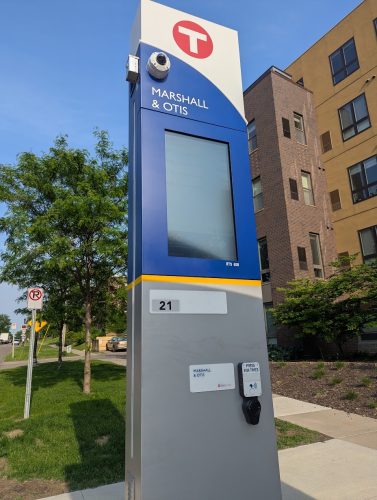
What could be more disruptive than discovering there’s a new rocket bus coming to within a few blocks of your home to whisk you to something new and interesting?
Why Transit Newbies Will Love the B Line
Rider statistics show that people in the Twin Cities prefer BRT options over regular buses.
Like every other Metro Transit BRT line, the B Line features multiple bells and whistles that make it faster, easier and more comfortable to ride than the bus it replaces. Consider:
- The B Line schedule operates with predictable and welcome frequency: every 10 minutes from midday until evening, with vastly improved frequency throughout the rest of its daily run.
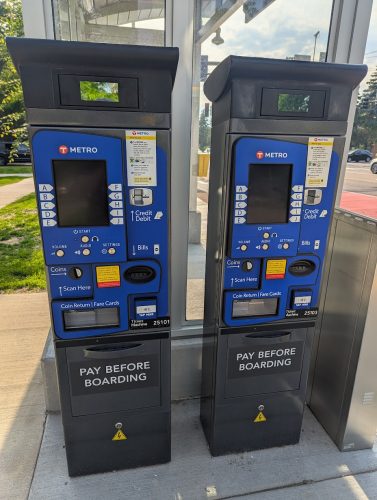
- Riders prepay at stations before boarding and don’t have to line up in front of a confusing on-board farebox.
- Ticket options include the Metro Transit online app, sturdy prepaid Go-To Cards that are tapped on stations’ card readers or paper tickets that can be purchased with cash or credit cards from each station’s fare machines.
- Fares are $2, with youth, seniors, Medicare card holders and persons with disabilities paying only $1. Both fare levels include unlimited transfers, including return trips for up to 2.5 hours.
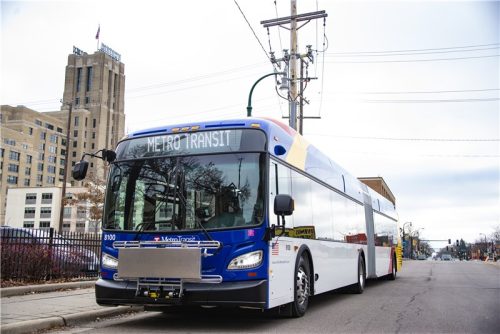
- Riders board 60-foot-long articulated equipment with wider aisles, more seating and two doors they can select at will for boarding and disembarking.
- Station platforms are level with bus floors, making boarding a snap, especially for riders who have limited eyesight, sore knees or hips, use walkers, wheelchairs or canes, are accompanying small children or are carrying heavy or bulky items.
- Buses stay in the travel lane or in their very own red-painted bus lanes. Dedicated space for the B Line means it won’t battle traffic and can stay on schedule. Buses also don’t weave in and out at stops, so riders are more comfortable.
- Operators can request signal priority at intersections, making this magic BRT carpet roll faster by extending green lights and curtailing red lights.
Alerting My Neighbors
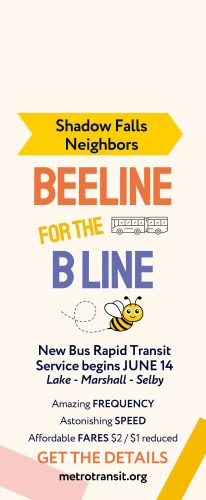
I love transit. I want my neighbors to love it, too. So I designed and printed a promotional B Line door hanger and distributed it around my St. Paul neighborhood.
The door hanger, headlined “Beeline for the B Line,” features cute bees in flight, describes the route and highlights reasons my neighbors might want to use the bus. Speed, frequency and affordability take top billing. I hint at modern and comfortable station conveniences and point out that carrying a schedule is unnecessary when buses arrive as often as every 10 minutes.
I even plant trip ideas into readers’ minds, suggesting that the B Line is for “errands, date night and school.”
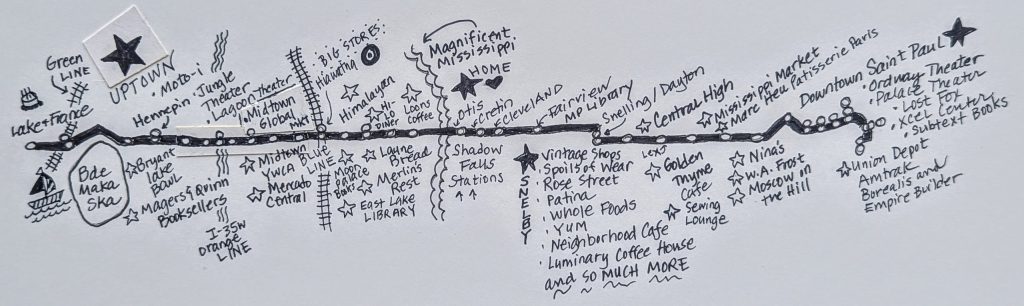
The door hanger’s pièce de résistance is a hand-scrawled route map, with general locations of several landmarks, stores, services, restaurants, arts venues and transit connections along the corridor. I couldn’t begin to include all the destinations that might appeal to my neighbors, but I tried to include a broad sampling.
How to Resonate With Potential Riders
The area I targeted with door hangers is generally pretty tony, but not entirely, with plenty of residents living in subsidized or naturally occurring affordable rental apartments. I know a handful of them already use transit because we’ve had conversations at the bus stop.
Many of my neighbors vacation overseas, where transit is exotic. They fly home and tell their friends about riding the incredible trams everywhere in Amsterdam or using the BRT in Bogota. Then they get in their cars and drive a half mile to Nellie’s on Marshall for ice cream.
The B Line will open up new car-free worlds to these potential riders.
- Have they discovered the mouth-watering array of Mexican and other international cuisines along Lake Street?
- How about coffee and shopping for vintage goods at the vibrant intersection of Selby and Snelling (aka “Snelby”)?
- Do they know they can find patterns and fabric at the Sewing Lounge, or that Mississippi Market stands ready for groceries at Selby and Dale, across the street from Marc Heu Patisserie Paris?
- The B Line is definitely going to make dinner at Golden Thyme more accessible and a night downtown at the Palace Theatre cheaper, what with zero parking costs and related headaches.
Everyone should know how great it is to let a professional do the driving in debilitating snowstorms, on dark rainy nights or especially when they’ve had an adult beverage or two.
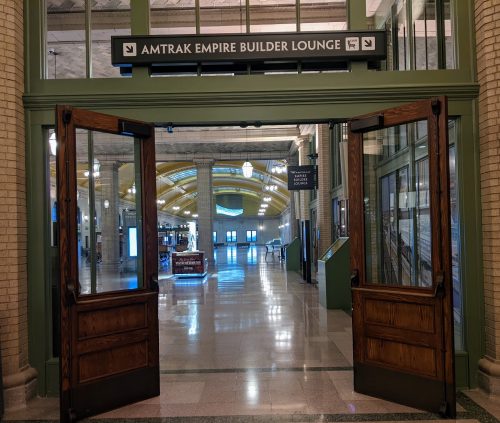
The B Line also launches TSA-free vacations as the delightful first leg on a trip to Chicago, Glacier National Park, Seattle and points beyond. Riders can catch Amtrak’s Empire Builder or Borealis trains at the gorgeous Union Depot in downtown St. Paul. Dozens of additional destinations are available from Jefferson Bus Lines and Greyhound. Travelers roll their luggage on and off the B Line with ease, pay nothing to park while on vacation, visiting family or at a business meeting and return home refreshed.
My neighbors are thoughtful. They like living in the city. They absolutely want clean air and safe streets and access to useful and nice things. And maybe if they learn about their new, world-class transit options from a friendly door hanger that welcomes, informs, intrigues, soothes and even thrills them, they may just try something new.