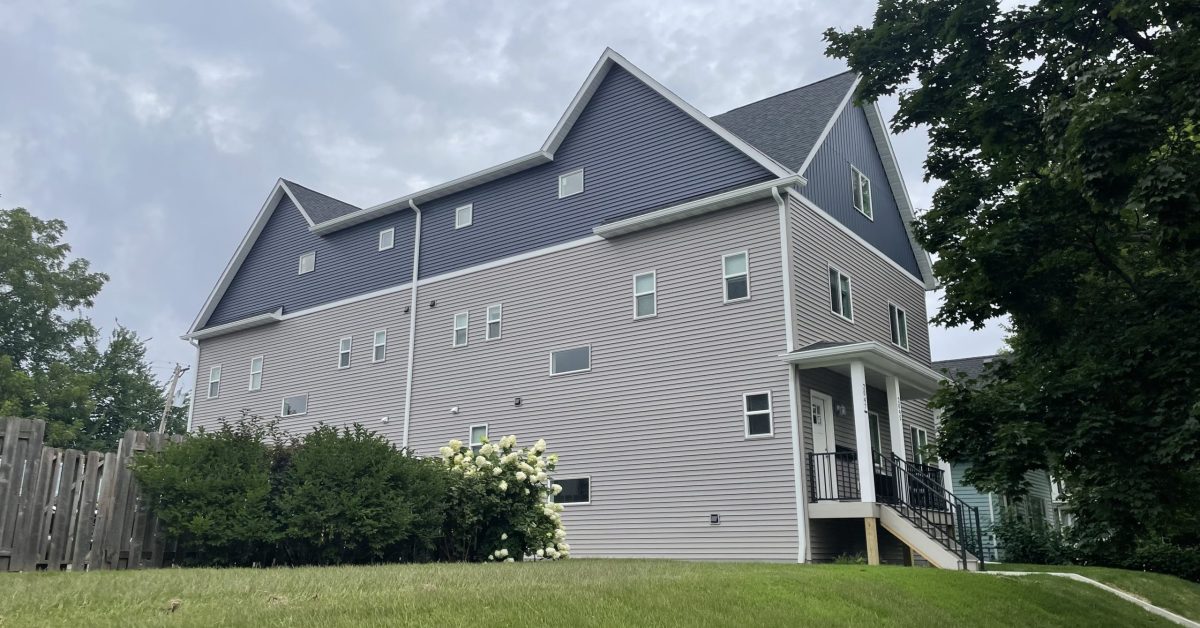
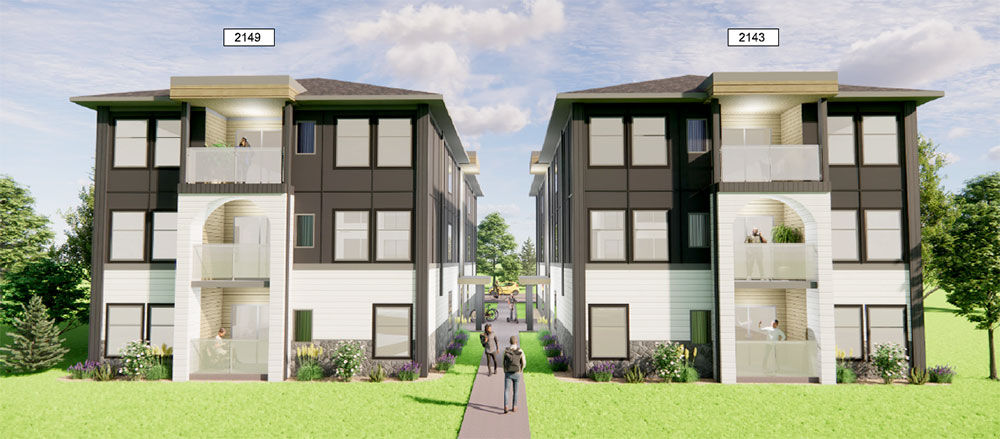
Some of you may have already seen local coverage of new six-unit homes being proposed near the University of St Thomas campus. You also may have heard about some pushback from neighbors in that area — specifically an ask for a moratorium on all multifamily housing construction in the area.
The two multi-unit structures would replace two single-family homes at 2143 and 2149 Selby Avenue (both owned by Elliot Capital Group in Eden Prairie, according to Ramsey County records). The houses, one empty, sit between Finn and Cretin avenues, directly across from the baseball fields on the main St. Thomas campus.
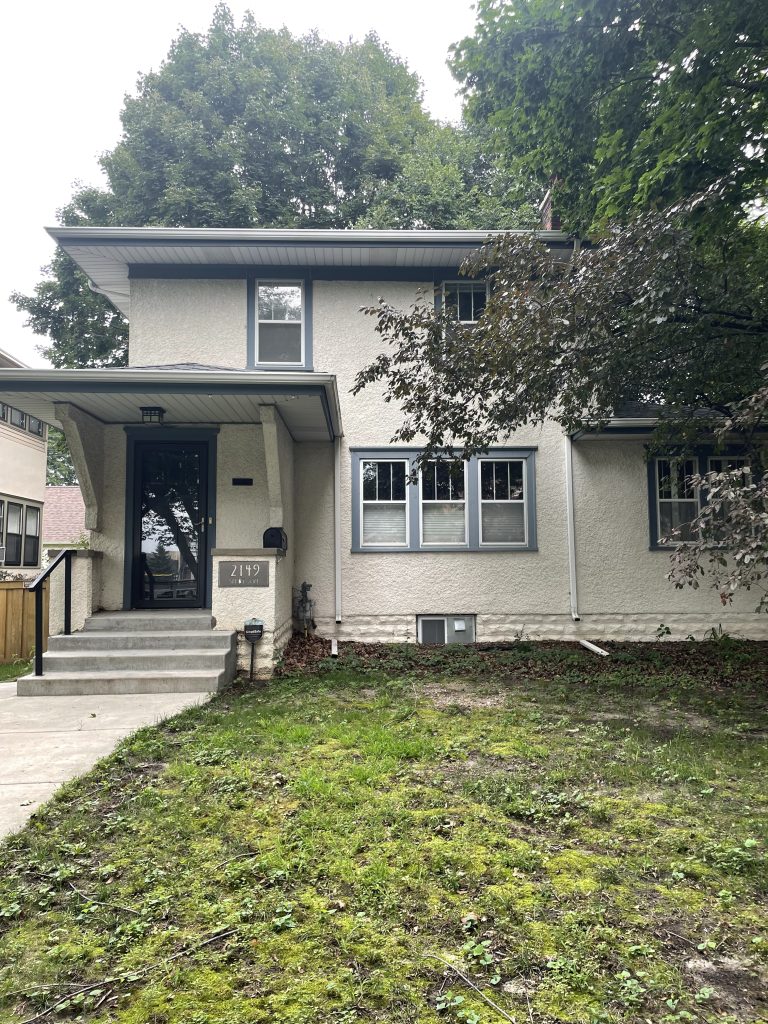
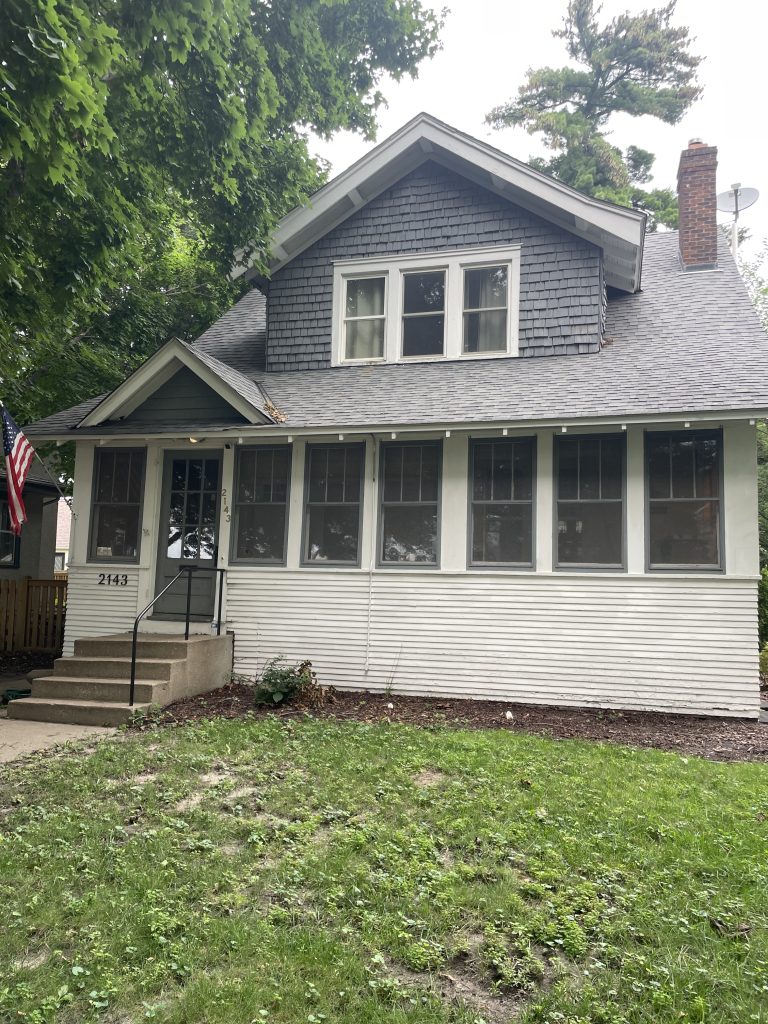
I’ve made a previous public statement in my role as the interim Ward 4 City Councilmember for this part of town (a seat I will relinquish on Wednesday, August 27, to the newly elected Molly Coleman).
Before I go, however, this issue is important enough that I want to walk through all the factors at play, provide some historical context and help people appreciate this situation both on a micro level for those living next door to these new buildings and from a macro, citywide perspective.
Policies in Play
Since I will make multiple references to specific local policies and policy changes, I want to explain them upfront for those who may be unfamiliar.
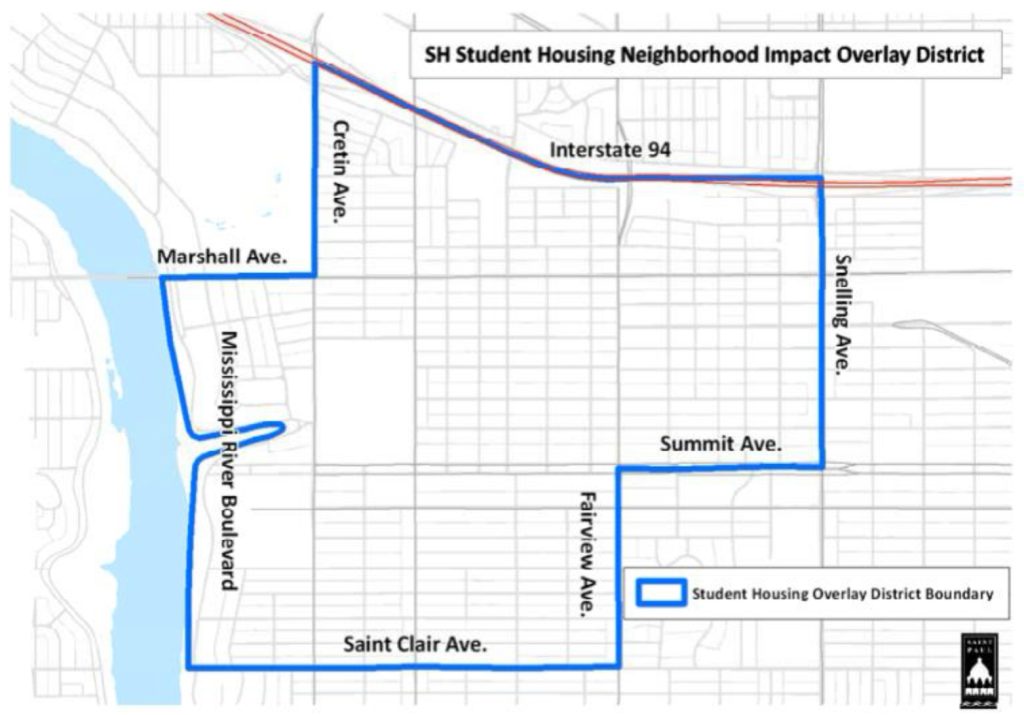
- Student Housing Overlay District: The City Council created this zoning rule in August 2012 to restrict how many one- and two-unit properties in a defined area could rent to students. Any single-family house or duplex whose owner wanted to rent to undergraduate or trade school students had to be at least 150 feet apart within the Overlay District (shown below). The overlay was created to deal with housing issues around St. Thomas — in fact, the overlay skirts around housing near the Macalester College campus — though technically the ordinance applies to any undergraduate, technical or trade school student.
- Definition of family: The St. Paul zoning code previously capped the number of “unrelated adults” that could live in any given rental property at four. That definition was updated in 2021 to remove outdated, racially coded language and to increase the cap on unrelated adults to six. At the time of the change, advocates in favor of the Student Housing Overlay requested that it be exempted from the increase. The City Council denied that request, and the changes were made citywide.
- Parking minimums: Parking requirements within the Student Housing Overlay also required registered student rentals to provide one space of off-street parking for a single-family property and two units for a duplex student property (known as “registered rentals,” because their landlords had to apply for the designation). Those parking requirements were eliminated when the city did away with parking minimums in 2021.
- Phase 2 of the 1-4 Unit Study: In late 2023 the City Council approved the second phase of the 1-4 Unit Housing Study, allowing up to six units on many lots that previously were limited to only single-family homes (or the occasional duplex or triplex) — so long as the project met basic affordability or unit-count density bonuses.
Concerns Right Next Door
I do understand some of the pushback from neighbors. Going from living next to a single-family home to residing next to or across from a couple of six-unit apartment buildings or 12-bedroom duplexes is a significant adjustment.
That is objectively true, particularly considering the reports of parties, late-night noise and public urination that the Public Safety and Neighborhood Relations offices at St. Thomas receive routinely during the academic year.
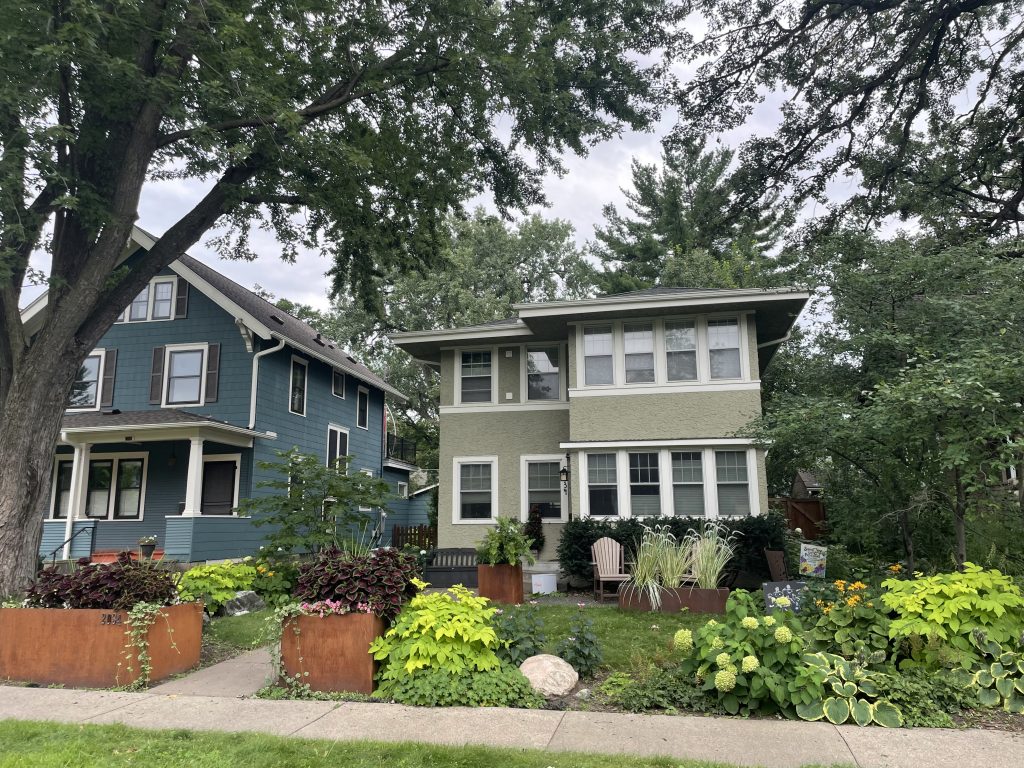
Because more people are living there, you could argue that the odds of any typical neighborhood headache (noise, traffic, etc.) is more likely to occur. That students would likely occupy many of these buildings could also make some of those issues more intense.
This is what led nearby homeowners to make several asks:
- To put a moratorium in place to stop all multifamily construction in the Student Housing Overlay District (shown above).
- To extend the requirements of registered student rentals in the overlay from single-family houses or duplexes to homes with up to six units.
- To amend the 1-6 unit zoning language to include height restrictions, add more requirements to the density bonus section, require parking, require tree or fence cover and more.
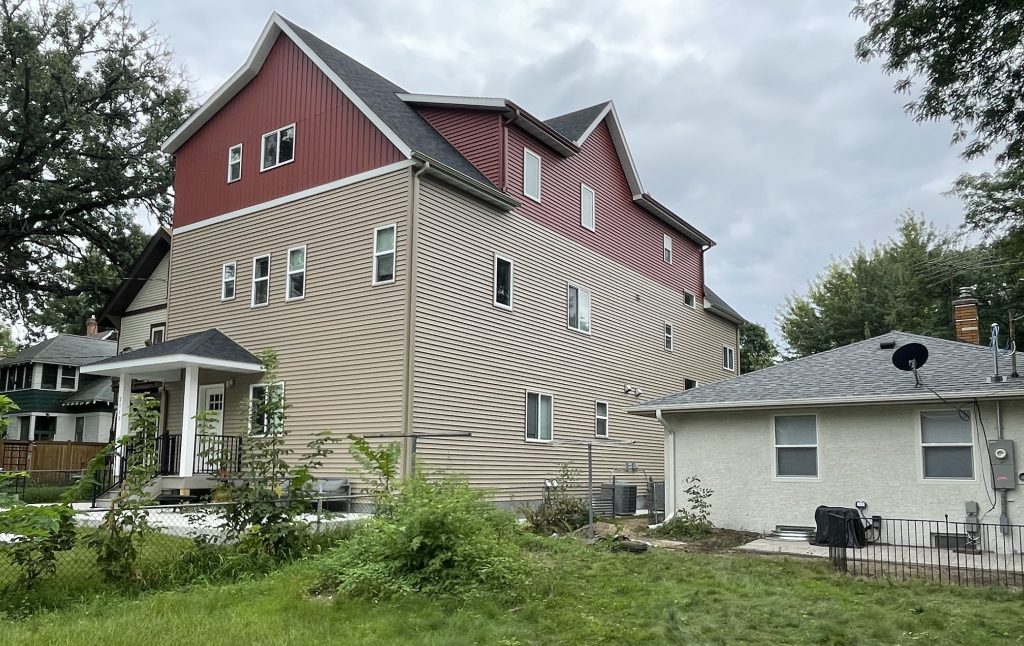
In response to the local concerns, I’ve met with individual neighbors, Union Park District Council, the West Summit Neighborhood Advisory Council (WSNAC), city staff in both Planning and Economic Development and Safety and Inspections, and many others. After all of those conversations, I have concluded that many of the asks would be difficult to advance.
Amending the overlay to apply to up to six units rather than two, for example, while leaving the rest of the overlay ordinance language intact, would essentially mean asking the City Council and Mayor Melvin Carter to affirm their support for the ordinance overall. Unfortunately, I don’t believe the city should be in the business of reaffirming the Student Housing Overlay (more on that later).
What Is Feasible?
To be fair, the overlay was created at a time when tensions between the University of St. Thomas and the neighborhood were particularly high. Enrollment was rising faster than campus housing could accommodate, and living off campus in a prosperous, relatively safe neighborhood became common among juniors and seniors. That brought tensions among students and so-called “permanent” residents.
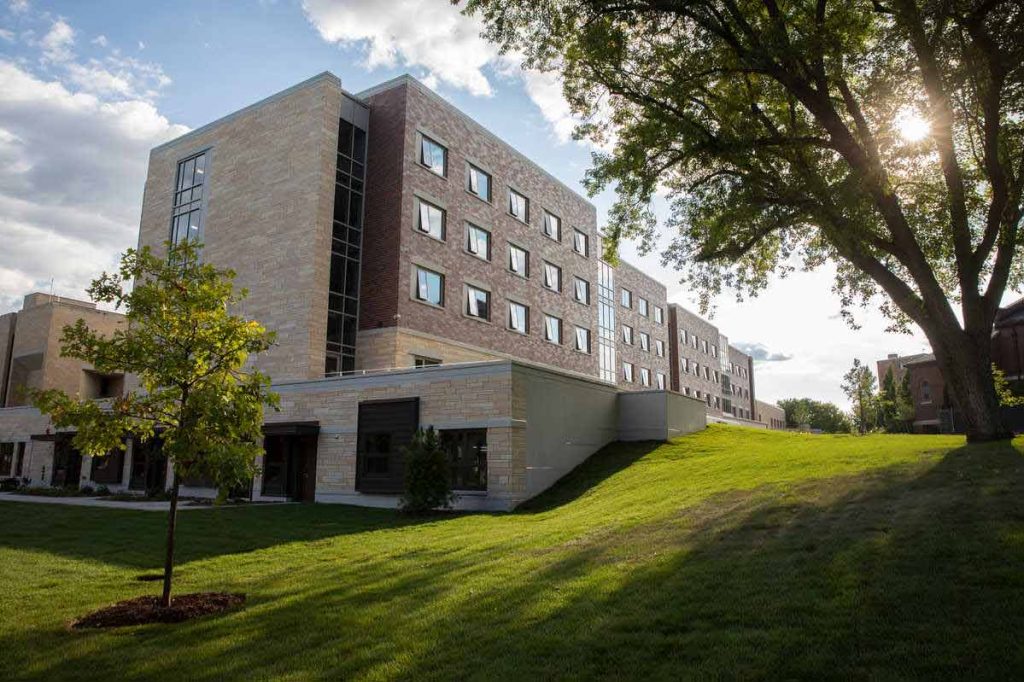
As a well-resourced institution — the largest of the 18 Minnesota Private Colleges statewide — St. Thomas carries significant responsibility to be a good neighbor. And, even though off-campus students are private residents in private homes, I still expect St. Thomas to play a key role in ensuring strong relationships between their students and fellow residents nearby. Eight years after the overlay came into play, St. Thomas built two new student residence halls on campus, which helped reduce student housing pressures in surrounding homes — a move that even the most ardent St. Thomas opponents applauded.
Neighbors also appreciated the university instituting a two-year residency requirement in fall 2020, to ensure those expensive new residence halls got filled.
But in the end, I believe that the Student Housing Overlay is at best a well-intentioned and, at worst, not entirely legally sound public policy. Students at St. Thomas tend to be young adults, and young adults might sometimes be rowdy or irresponsible, and having fewer rowdy and irresponsible things happening in the same place might make life easier on the older, more established residents.
But that doesn’t mean it passes a public policy smell test.
- Do proponents of the overlay care if the house happens to have four middle-aged people all going to trade school to become electricians or if they’re 18-year-old bookworms who rarely leave the house?
- Do we have a bartender overlay because bartenders typically come home late and might have been drinking after their shift?
I can understand that campus neighbors don’t want certain assumed behaviors clustered in one spot. And, again, the overlay was put in place at a time when St. Thomas’ student enrollment was far outpacing its available on-campus housing, which is less true today. However, legislating behavior by regulating which types of people can live where is brutally difficult to do fairly and creates a slippery slope that risks veering into the zoning mistakes of our past, like racial redlining.
Significant Citywide Benefits
Although the anxiety is real and somewhat understandable, these proposed six-unit projects are overwhelmingly beneficial from a citywide perspective.
- They’re adding more desperately needed housing.
- They’re adding it in a denser, more environmentally friendly footprint.
- Because they contain six units, the buildings are being constructed under the much more strict, safe, energy-efficient commercial code (vs. the residential code for smaller residential properties like a single-family home or duplex).
- And, they are dramatically strengthening our property tax base.
Early analysis from city staff has shown that replacing single-family homes with multifamily properties can increase the property tax payments as much as 10 times. Even if it’s only two or three times, that impact is significant. At a time when commercial property values in downtown St. Paul (and in downtowns across the country) are cratering, this is one of the rare instances across the entire city where property tax growth is happening organically.
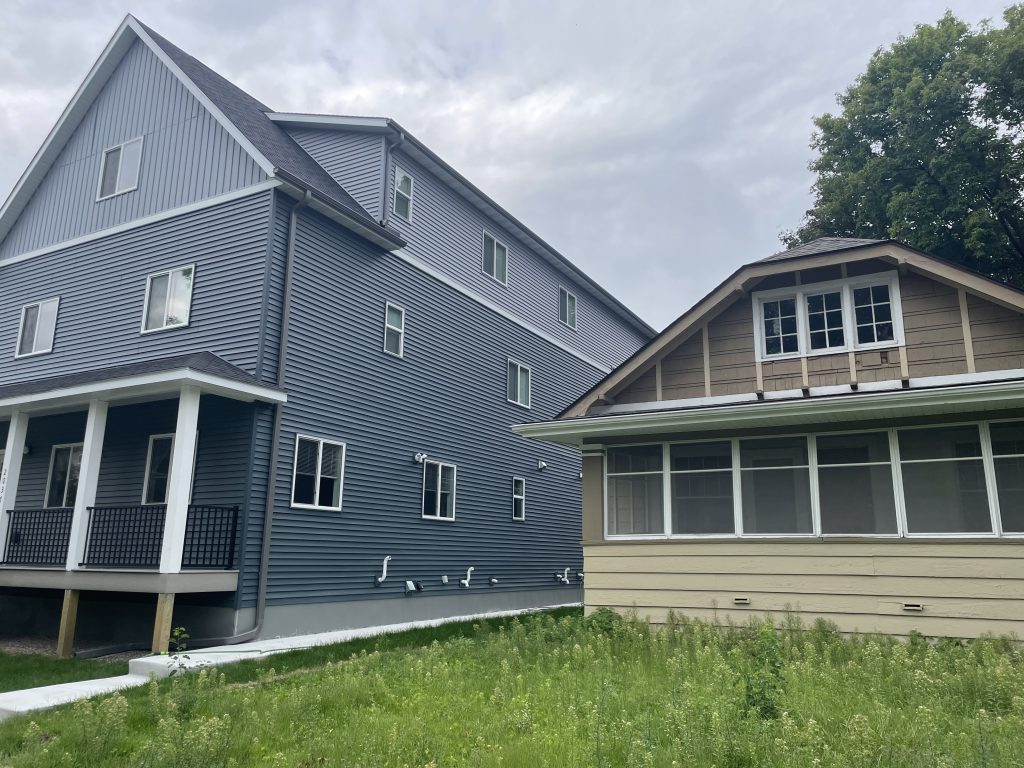
Nearly every one of our city’s plans and goals say we want more housing, more density and the stronger tax base that comes with such growth. Even when high interest rates have slowed development in most parts of St. Paul, local policy changes mixed with high demand for rental housing in this part of town — the Merriam Park and Macalester-Groveland neighborhoods — have driven substantial investment in the form of these new multi-unit homes.
From a citywide perspective, this is a good thing!
Next Steps
Of course there is room for improvement in how these properties are handled.
- We can ensure our code enforcement officials are adequately using their current Certificate of Occupancy guidelines and tools to hold landlords and property owners accountable, ensuring that issues are quickly and effectively abated.
- We can consider new tools like administrative citations (up for a vote on the ballot this November) that will allow for more comprehensive enforcement of all our city rules.
- We can ask St. Thomas to offer the Universal Transit Pass to all their students, as the University of Minnesota has done, to encourage transit use and reduce parking and traffic impacts. That also furthers St. Thomas’ sustainability goals.
- We can push for Metro Transit to include the BRT version of the Route 63 bus that runs right through the St Thomas campus in its next phase of rapid transit buildout.
- And we can continue to ask St. Thomas students, staff and neighbors to pursue their shared goals of having open conversation, getting to know one another and solving challenges as fellow community members — to reduce the need for formal enforcement methods up front.
Once these six-unit properties on Selby are full and functioning, the city could tweak the 1-6 unit zoning language, perhaps fine-tuning or updating the density bonuses that allow a property to go from four to six units. But I doubt that will happen. This process is like so many challenges that neighborhoods face in adjusting to change around them: Our desperate need for housing, denser land use and a stronger property tax base will come up against anxiety and pushback from those who liked their neighborhood better the way it was.
The city is moving forward, into a new era and identity. In the end, I believe that properties like these, and the neighbors they house, are a win overall.
Photos by Amy Gage, unless otherwise noted