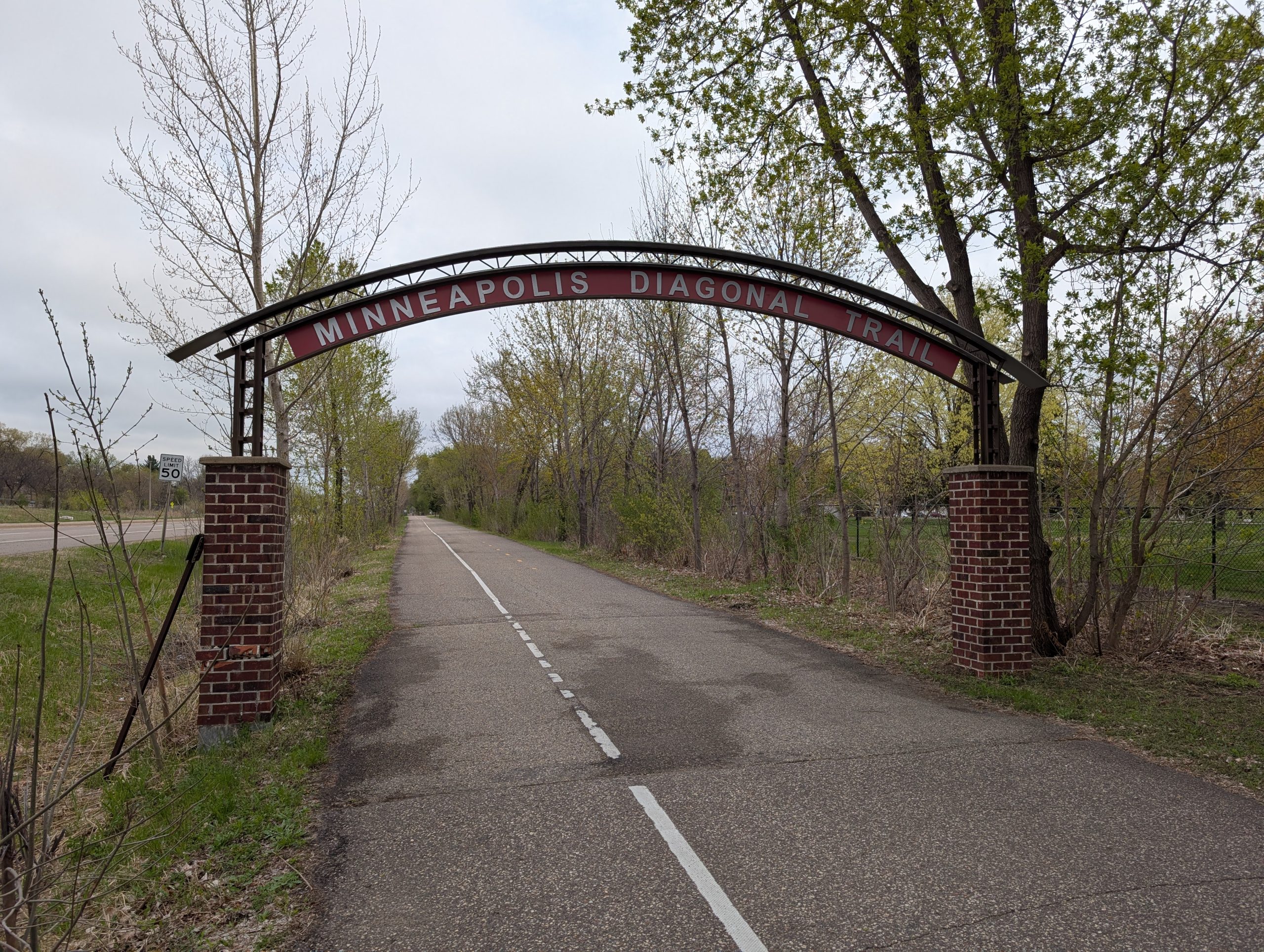
Walking All the Streets of Eastern Northeast Park
The straggly eastern portion of Northeast Park demanded a collection of relatively straight paths past a shopping center, two cemeteries, and an aerospace company.
The straggly eastern portion of Northeast Park demanded a collection of relatively straight paths past a shopping center, two cemeteries, and an aerospace company.
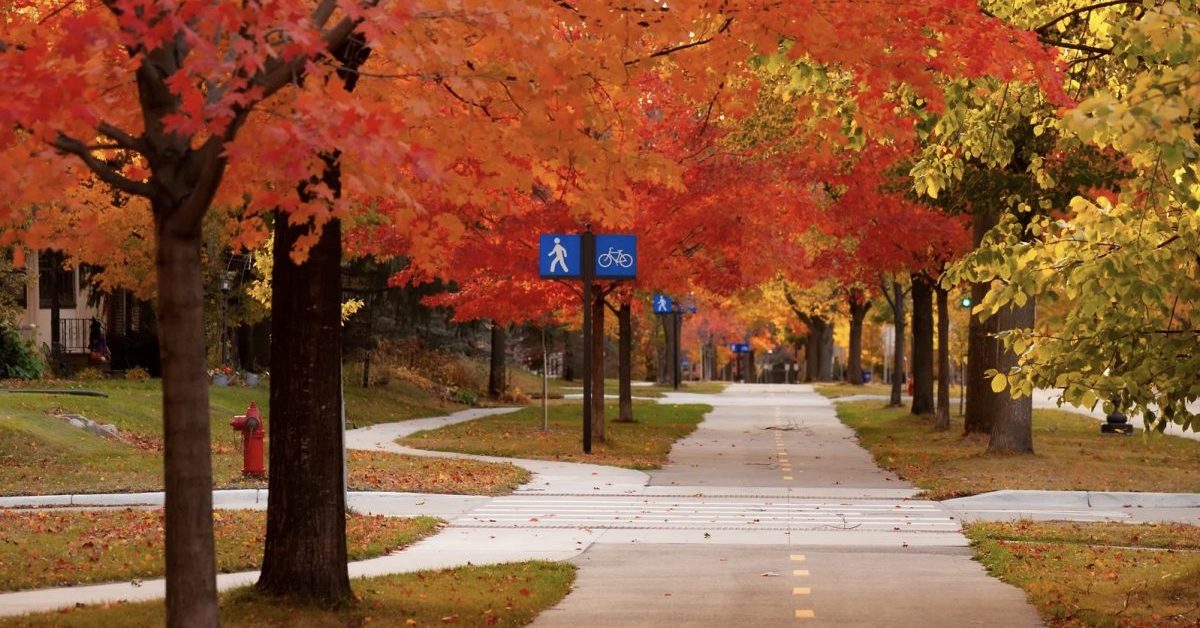
St. Paul’s Summit Regional Trail is underway, and its brand-new Tree Preservation Ordinance is now in full force. Will the new TPO quiet the Trail plan’s critics?
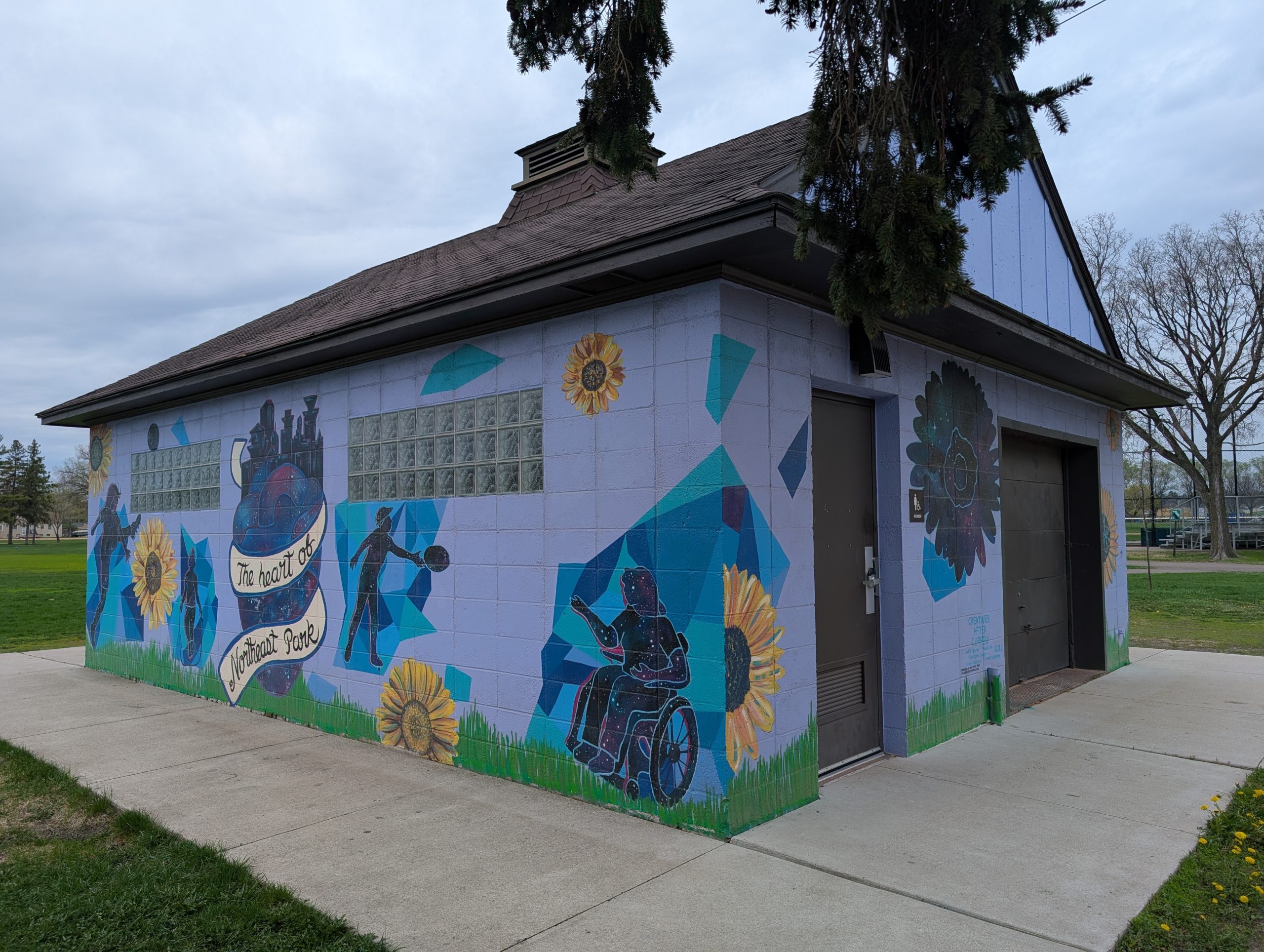
The western portion of Northeast Park was the focus for this first walk in the neighborhood. Unlike the irregularly shaped area east of Johnson, it has a grid-based layout, albeit with substantial gaps.

“Saint Paul by Bike” blogger Wolfie Browender leads readers to interesting neighborhoods throughout St. Paul. In Frogtown, he visits Frogtown Farms and Miss Iris, lover of plants, mosaics and other works of art.
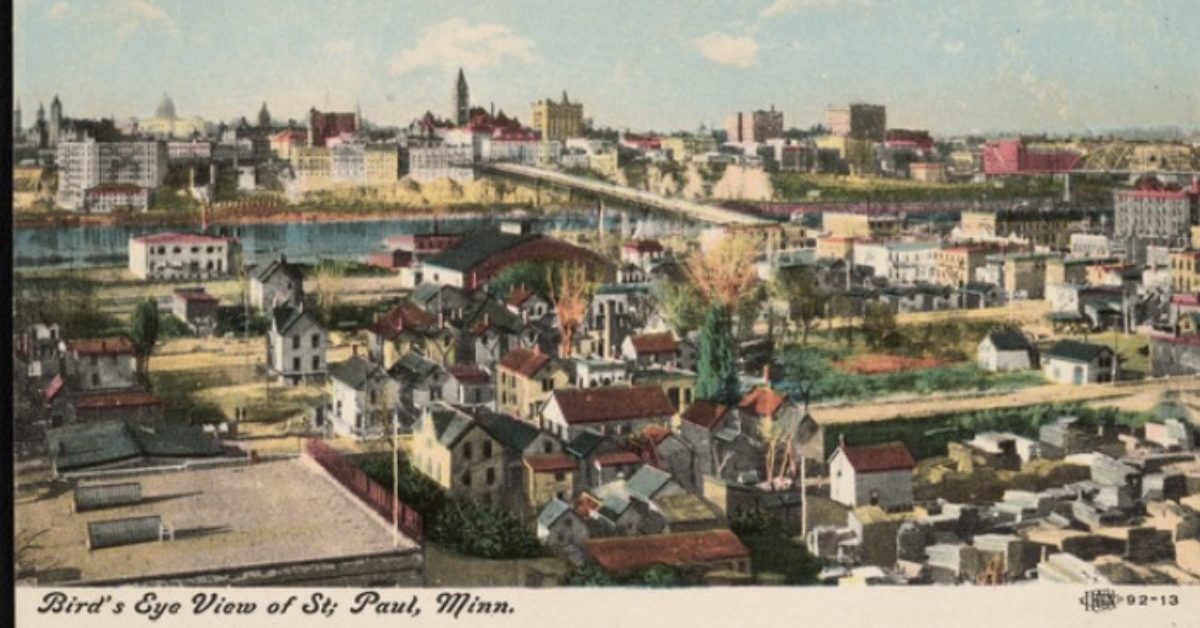
In the 1960s, St. Paul’s West Side Flats were razed for highway and industrial development: displacing families, shuttering businesses, and leaving lasting social, economic and cultural scars.
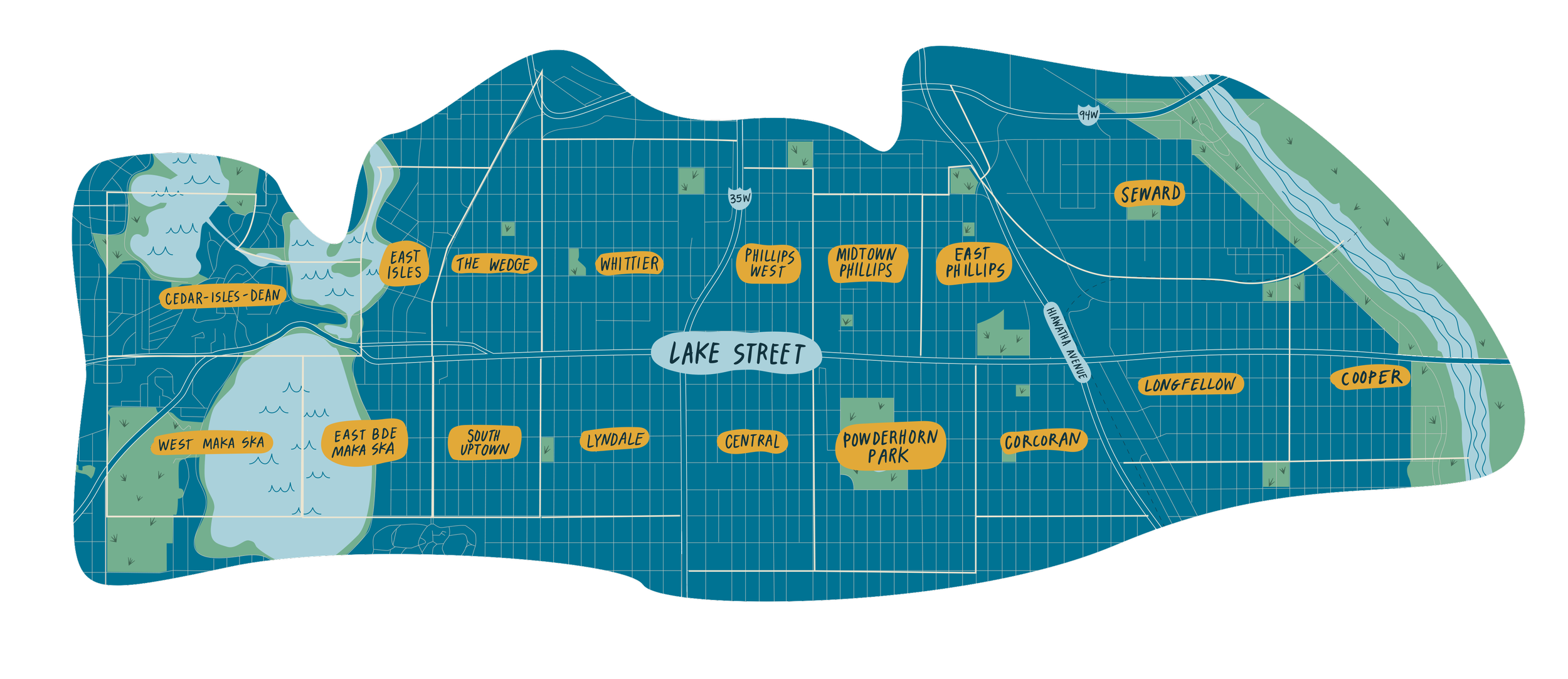
Why I uprooted my life in Denver to settle in Minneapolis.
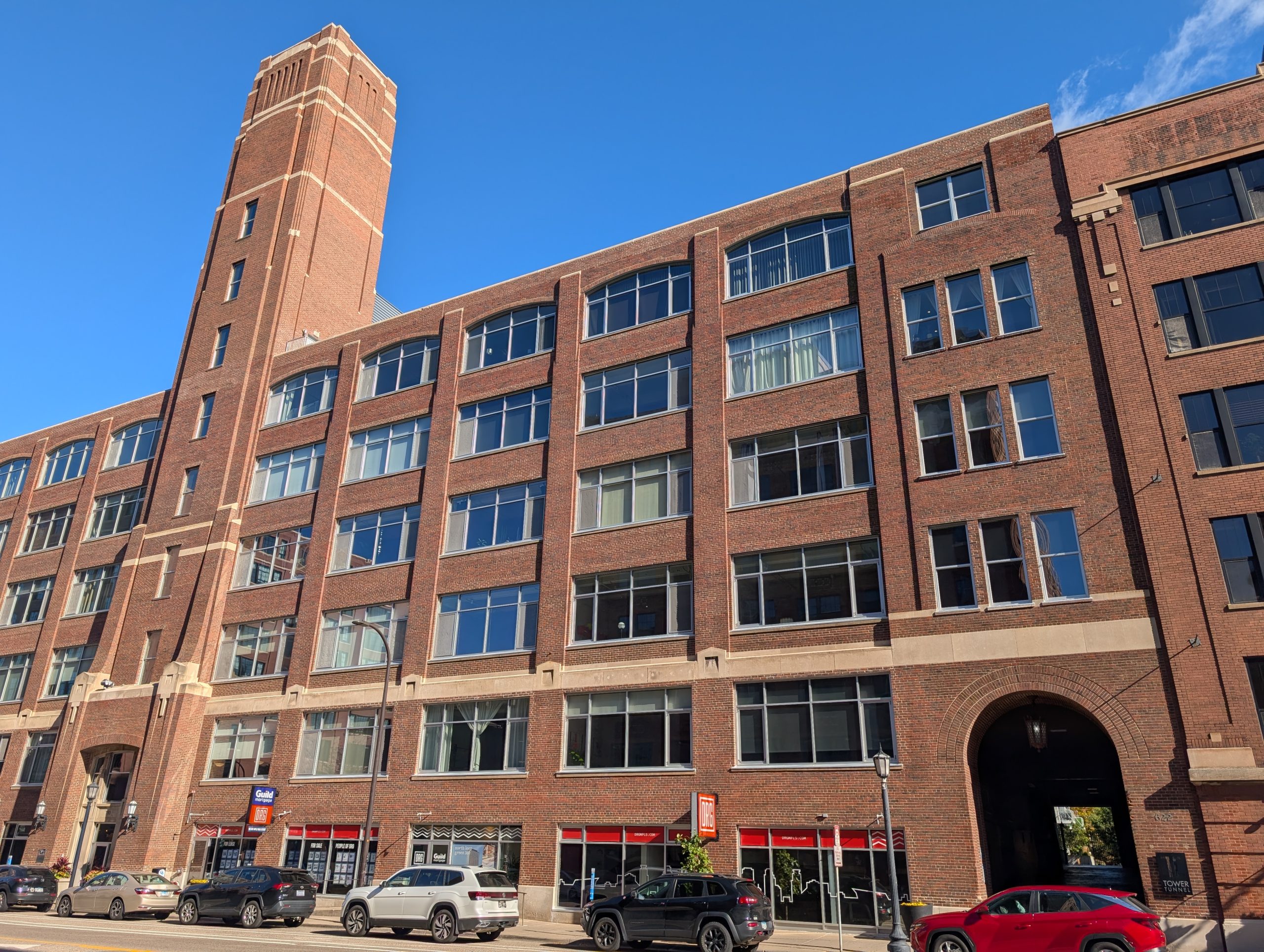
The river-adjacent portion of Minneapolis’s North Loop neighborhood largely corresponds to the Warehouse Historic District.
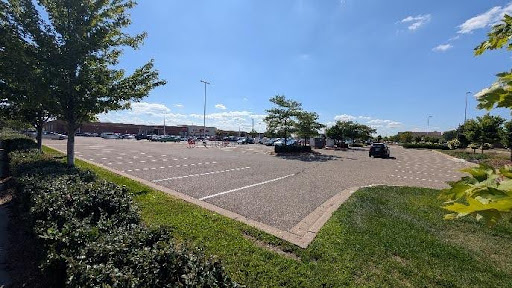
North of University represents everything the south side is not — adaptive, tight-knit, walkable — despite being Midway’s less organized, less polished side.

Weekly roundup highlights urban policy, transportation, and city design issues collected by The Overhead Wire and shared via Greater Greater Washington.
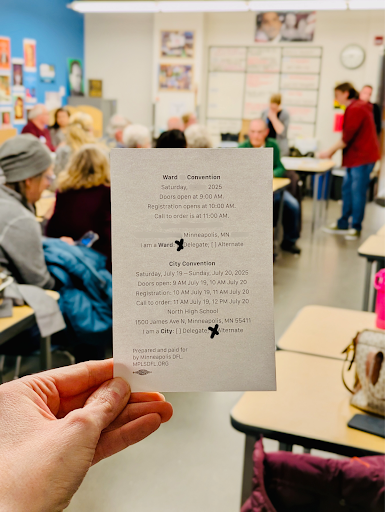
A Minneapolis resident recounts her journey of getting involved with the process for Minneapolis elected office endorsements