Memories from Beginning to End
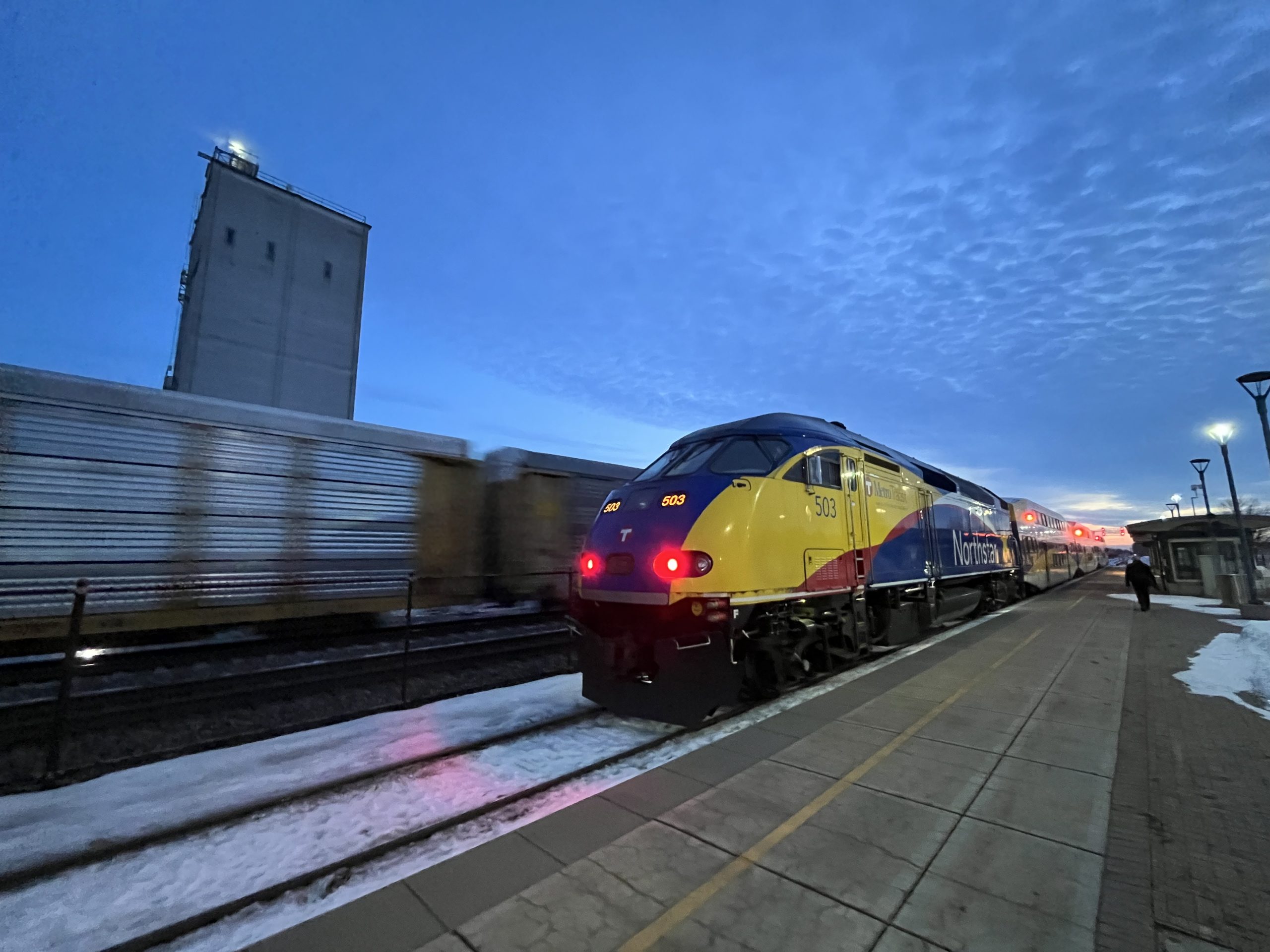
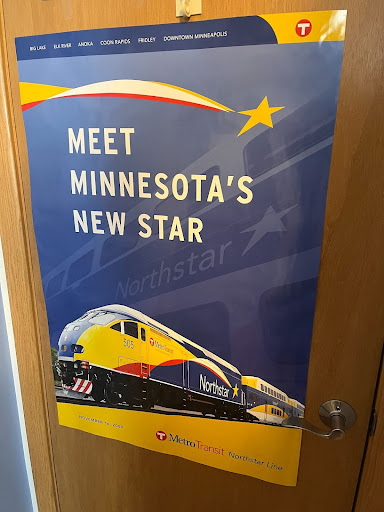
I first heard about Northstar in the mid-2000s, probably around the same time our region was opening its first light rail line. In my teenage years I excitedly followed the project updates as stations were under construction and the trains were delivered and tested.
I toured one of the trains at Target Field Station a couple days before Northstar officially opened in November 2009, but it wouldn’t be until spring of the next year when I first rode it. Since that time I’ve ridden Northstar rarely, about once or twice per year, and a break from 2019 to 2023 due to the severely limited schedule of trains during the pandemic. Most of my memories from riding Northstar were to simply ride on a train, listen to music, and watch the world go by.
There was also the time my family and I rode it from Fridley to St. Paul’s Union Depot for the annual Christmas market. While we could’ve easily driven or taken a bus as we live closer to Union Depot than Fridley is, part of the holiday fun was the train journey. Plus it was free, and with crush loads of people both on the train and at Union Depot it felt like being in a European city during rush hour on a December evening.
Although Northstar was never of use to me for commuting, it did work nicely on Easter Day of 2011 when I was going from a Twins game to Anoka to meet family. There were times it may have been useful to reach a destination or I would have used it to check out places along its route, but the limited schedule made that difficult or infeasible.
History Repeats Itself
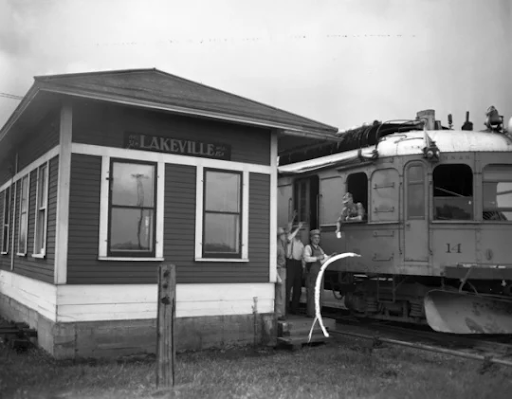
Watching Northstar struggle for ridership throughout the years, only for it to be shut down, reminds me of post-World War II when the presence of automobiles and highways rose while passenger railways shrunk. To the average person back then it was simply progress to go from relying on a train schedule to having your own transportation that you could use whenever you wanted, though I’d like to think there were a minority of people like myself back then who didn’t like driving and would prefer relying on other modes of transport including a train to get around. As more passenger rail services were dropped, more people were forced to drive a car whether they wanted to or not, and that’s been the status quo ever since.
One could argue that we do have the option of getting around without a car, and the buses that will replace Northstar will provide a better service than Northstar ever could. Regarding the first part of that argument, while it’s true that people in the Twin Cities could ditch their cars for public transit right now, pretty much every trip would take much longer, as well as likely involve a lot of walking. Like most metropolitan regions in our country, in addition to lacking a robust public transit system, we also lack proper infrastructure to make walking safe and easy.
As for the replacement buses, we’ll have to wait and see what the ridership is. While the buses will have a much better schedule, a bus could never go as fast as Northstar did, and they’ll be at the mercy of whatever is happening on the roads (bumper-to-bumper traffic, an accident, road construction, etc.).
Finally, there’s the fact that none of these buses will go to St. Cloud, the place Northstar was supposed to go to originally. The bus bridge linking Northstar’s northern terminus of Big Lake with St. Cloud was also shut down, and without a replacement. It was foolish enough that the powers that be decided it somehow made more sense for Northstar to end just a little over half way to St. Cloud, and now even after shutting down Northstar to save money we couldn’t even get a proper bus service to operate between the Twin Cities and St. Cloud (I don’t consider Jefferson Lines or other private bus operators to be a proper bus service for this route).
The Future of Twin Cities Transit without Northstar
Shutting down Northstar is a big step in the wrong direction for our transit system, and no amount of buses anywhere in the Twin Cities region can make up for that. We can open as many bus lines as we want, but that won’t turn the tides more in favor of public transit in our region.
I’ve posted several times about regional passenger rail and its potential in the Twin Cities, and I will continue to make the argument that that’s something we need to do to significantly improve our public transit system if we’re serious about getting people out of their cars. It wouldn’t be a cure-all for our auto-dependence, but it is a piece of the puzzle.
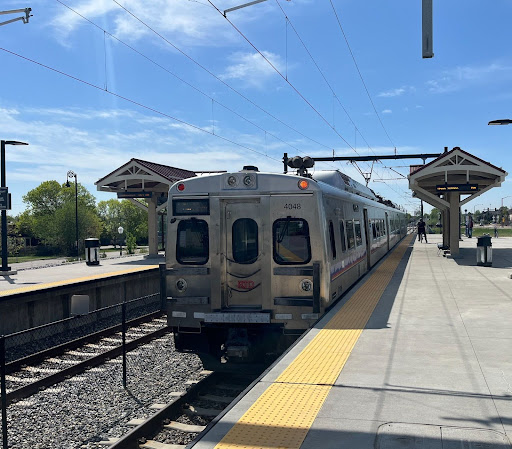
I’ll acknowledge that making Northstar a successful service would require a massive investment that our governments from the local to the federal level aren’t interested in doing and may never have the willingness to do. However, not fixing it and shutting it down sets a bad precedent. After what happened with Northstar, we may never have the chance to build regional rail. Even if that is seriously considered, people will unfairly point to Northstar as a reason for regional rail not working in our region even though Northstar was never regional rail and there were several factors working against it.
Goodbye Northstar, and I’m Sorry
To conclude this post that is part reminiscing, part historical observation, and perhaps part ranting, I will say farewell to Northstar and thank you for the memories. On behalf of the state of Minnesota, I’m sorry we decided to abandon you rather than improve you. If we ever try something like this again, I can only hope we’ll do much better. In the meantime I’ll continue traveling to other places that actually care about public transit, and dream of what the Twin Cities could have in a better world.