
I’ve always wanted to write about food. Growing up in a classic Irish and Italian family in New England, food was always a big part of my family life. My grandmother would cook pasta and meatballs on Sundays, spending nearly all day cooking — a ritual I have come to replicate. My mother, who manages several well-known Maine seafood restaurants, and I often cooked together — I even spent seven or eight years working in one of the restaurants.
You get the idea.
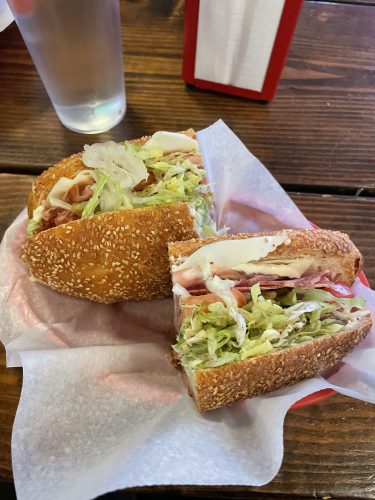
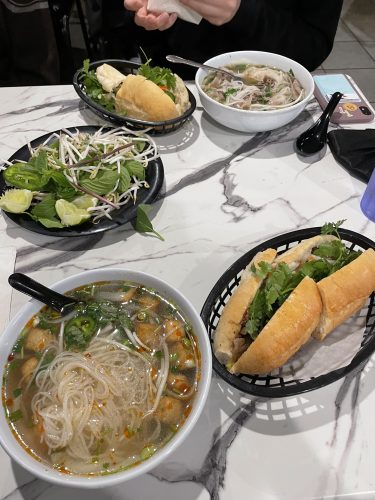
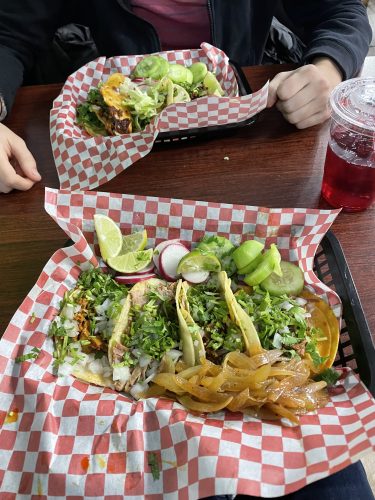
Once I moved to the Twin Cities for college, food was a primary motivator for exploring Minneapolis and St. Paul, seeking out new restaurants to explore the neighborhoods around them. Living in the Mac-Groveland neighborhood of St. Paul, near two colleges and major bus lines, I had infinite options. An Italian sub from Mario’s, a curry from Spice and Tonic, Brisket from Black Market BBQ, Lengua tacos from Oro by Nixita, a Bahn Mi from Ipho by Saigon and a perfect scoop of ice cream from Pumphouse rank among my favorites.
Minneapolis and St. Paul are cities of neighborhoods with distinct charm and identities that bring together their residents in and around restaurants. A neighborhood restaurant or bar, as described in a great 2019 book by Streets.mn co-founder Bill Lindeke and Andy Sturdevant, goes a long way toward establishing a neighborhood’s sense of place and belonging: creating stories and strong identities tied to local favorites.
This identity formation happens in different ways. In Northeast Minneapolis, it grew organically where restaurants with national recognition — like Young Joni, Hai Hai, Oro by Nixita, Diane’s Place, Restaurant Alma and others — are clustered together, gaining the arts district neighborhood a reputation as a restaurant hot spot and a lucrative and fashionable place for aspiring restaurateurs to establish themselves.
The same could be said of the restaurant scenes along University Avenue in St. Paul — especially between Snelling and Western — and in Cedar-Riverside in Minneapolis, where affordable rents and vibrant immigrant communities foster diverse culinary offerings.
This trend of organic growth exists in many other neighborhoods: East Lake, Kingfield/Fulton and Uptown in Minneapolis and West 7th, Grand Avenue and Frogtown in St. Paul and many more across the Twin Cities.
In other cases, tying restaurants to neighborhood identity happened more intentionally. Take Eat Street, the stretch of Nicollet Avenue loosely defined from Franklin Avenue to the former Lake Street Kmart (whose future is still being decided by city planners). The Whittier Alliance embarked on a neighborhood revitalization effort in 1997 and rebranded the stretch of Nicollet Eat Street — a place-based management scheme. In the nearly 30 years that followed, restaurants came to define the neighborhood, turning Eat Street into one of Minneapolis’ most vibrant dining scenes.
Finding Good Restaurants
For newcomers and visitors, especially for those of us who are both enthusiastic about food and chronic over-thinkers, it can be daunting to tap into a local restaurant scene. Word-of-mouth is generally my go-to, but as a transplant to the Twin Cities and without many local connections, I turned to online restaurant guides.
Restaurant guides serve an important role in organizing a city’s endless restaurants into some kind of curated list. The Twin Cities is the subject of an endless supply of these lists. Some from large national websites, some from local media, or bloggers, or crowdsourced pages.
Restaurant guides play a role– both as a source for local information but also a tourism strategy. Some, like the MICHELIN Guide, bring huge prestige to cities, and some, most recently Denver, paid the guide to set up shop and rank the city’s restaurants. The Twin Cities hasn’t gone that far to pursue prestigious, albeit stuffy, Michelin recognition, although it is being considered by Minneapolis Downtown Council in its 2035 revitalization plan and hasn’t stopped some from musing about which restaurants could be potential picks.
Upon arriving here, I turned to Eater and the Star Tribune to orient myself in my search for good food in a new city.
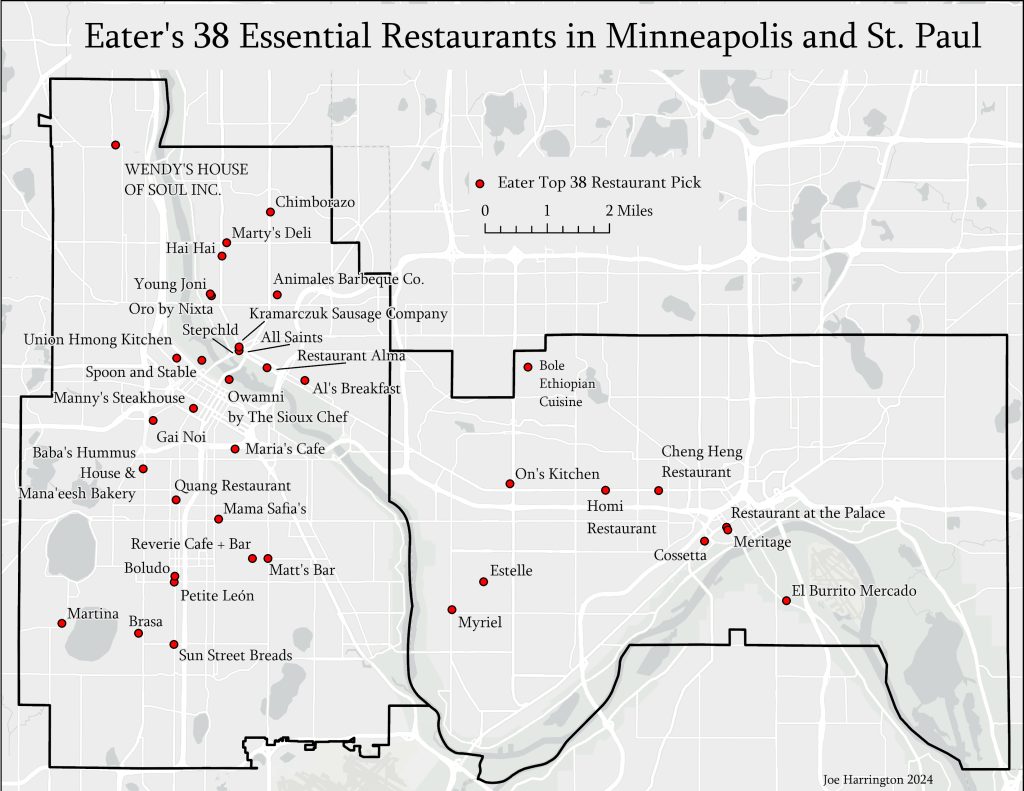
Eater’s “38 Essential Restaurants in Minneapolis and St. Paul” guide, a quarterly updated list featuring both longtime favorites and new establishments. Eater’s food news site and creator of dining guides from across the country, featuring cities from Denver to Dallas and Miami to Minneapolis and St. Paul. Curated by their food editors, the list proved invaluable when I first arrived in Minnesota.
The list spans hot restaurants, some, like Owamni, Hai Hai, Young Joni, Spoon and Stable, Restaurant Alma and others, all recipients of the prestigious James Beard Awards. Many more restaurants, bars and bakeries were also nominated.
Oro by Nixta, Gai Noi and Petite León were all recognized on the New York Times top 50, as was Vinai, which, while not on this list, was independently recognized as one of Eater’s best new restaurants in 2024.
It also showcases longtime favorites like Maria’s Café, Matt’s Bar, Cheng Heng, Bole Ethiopian Cuisine, Al’s Breakfast and Chimborazo across both Twin Cities.
Local newspapers are another place to turn for such a list, and conveniently, the Star Tribune provides its own rendition. They have a lot of food content to choose from, but I initially turned to the “40 restaurants that define Twin Cities dining.” This list, initially published in 2022, showcases many long-running eateries from across the cities and even a few in the suburbs.
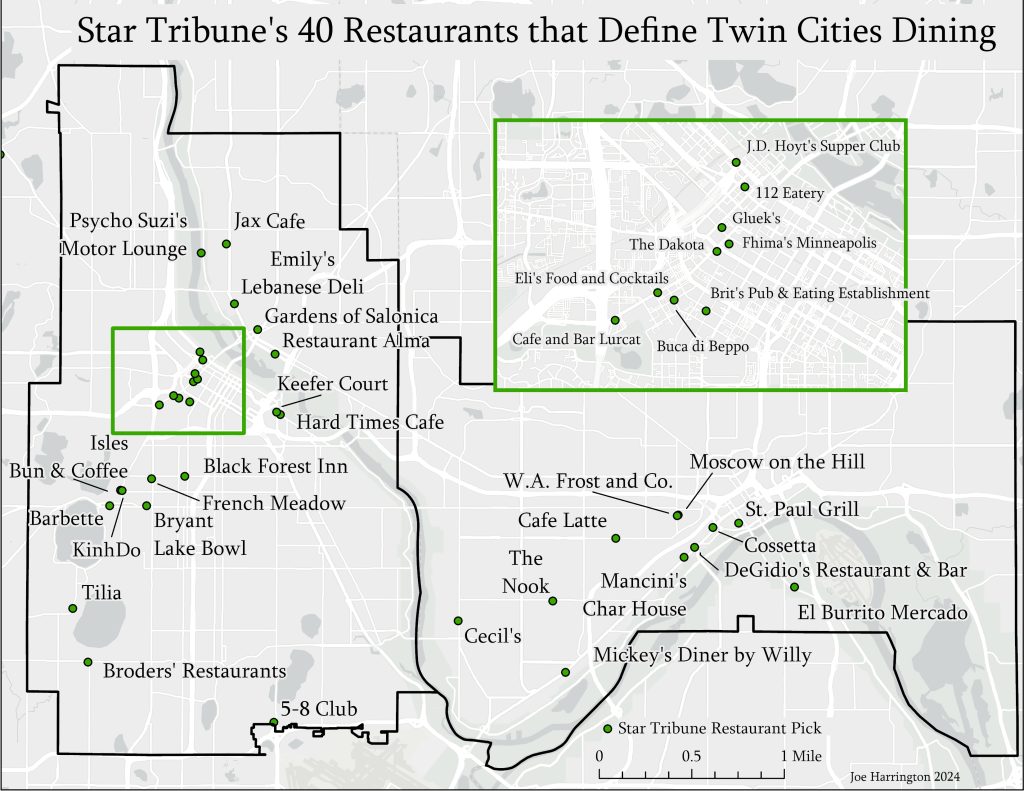
This list presents a very different picture of Twin Cities dining, one focused on longtime favorites while skipping flashy new spots, including St. Paul’s Moscow on the Hill and Mancini’s Char House to Minneapolis’ Barbette, Broders and Bryant Lake Bowl.
Not All Lists Paint the Same Picture
Among 78 total restaurants, only three appear on both the Eater and Star Tribune lists: Cossetta, El Burrito Mercado and Alma. Eater favors Northeast (nine restaurants versus the Star Tribune’s five), while the Star Tribune emphasizes downtown Minneapolis (nine versus two). Both recommend 10 St. Paul restaurants but the lists focus on different areas: the Star Tribune near downtown and West Seventh, Eater along University Avenue. Notably, both lists have gaps, particularly in North Minneapolis and East Side St. Paul.
Ultimately, the difference between these lists reflects their distinct purposes. The Eater list captures the current pulse of Twin Cities dining, highlighting both acclaimed newcomers and enduring favorites that represent the region’s evolving culinary landscape. The Star Tribune’s classics list, on the other hand, tells a story of longevity and tradition, showcasing establishments that have shaped local dining culture over decades.
Both publications also offer a menagerie of other lists that cover topics as broad as the Strib’s regular feature “Five Best Things We Ate This Week” to as specific as Eater’s guide to the best bowl of ramen or fried chicken sandwich.
But perhaps the best way to discover Twin Cities dining isn’t through lists at all, but through exploration — and word-of-mouth. Whether you’re following the aromas wafting from a University Avenue storefront, asking friends about their neighborhood favorites or simply wandering into a family-run restaurant that catches your eye, the most memorable dining experiences often come from venturing beyond the curated recommendations.
And after living in the Twin Cities for five years, my friends and I have found our own favorite neighborhood restaurants, bars and coffee shops, some of which have escaped recognition from any restaurant guide or list.
After all, every longtime favorite or acclaimed hotspot started as someone’s neighborhood discovery.
Editor’s note: “Street Views” appears in Streets.mn twice monthly. Respond to columnist and board member Joe Harrington directly at [email protected]. You may also add comments at our Streets.mn pages on Bluesky and Facebook.