
Whether you’re a year-round cyclist or a seasonal rider, winter can be a great time to shop for a bike. Stores are less crowded; retailers may be discounting last year’s models — and if you’re considering an e-bike, you can take time to learn about the many varieties and brands.
Here are five recommendations to help in your research:
1. Consider your needs. What kind of riding do you do? Do you need a rack to carry saddlebags or a child seat? Do you plan to ride through the winter? How you want to use your bike will influence the accessories and equipment you’ll need — like tire size or number of gears. Consider also the torque of the motor, battery life and weight.
2. Find your class. Three different classes of e-bikes are legal in Minnesota (see listing below). Class 2 is currently the most common type of e-bike sold.
3. Fit matters. The right frame size will help you feel comfortable and avoid stress to your body. When standing over the frame, you want at least an inch of space between your body and the bike. A bigger, wider seat may seem like the most comfortable choice, but too big a seat can create friction. You can adjust saddle angle and position, too, for a more comfortable ride.
4. Try before you buy. Any shop should let you take your potential bike for a spin. Is it comfortable and rideable? Test out the gears, the various speeds and the throttle (if the e-bike has one). Try starting and stopping; see how the bike feels going up and down hills or around corners. In-store, ask a sales associate to hold the front of the bike while you sit on the seat to test out angle and fit. Lift the e-bike: Is the weight manageable? Learn about every feature before you commit to the purchase, and if you’re nervous, bring a friend!
5. Be patient! An e-bike is a big investment. Give yourself plenty of time to conduct research and visit bike retailers. Ask your friends who have e-bikes what they like and dislike about their model.
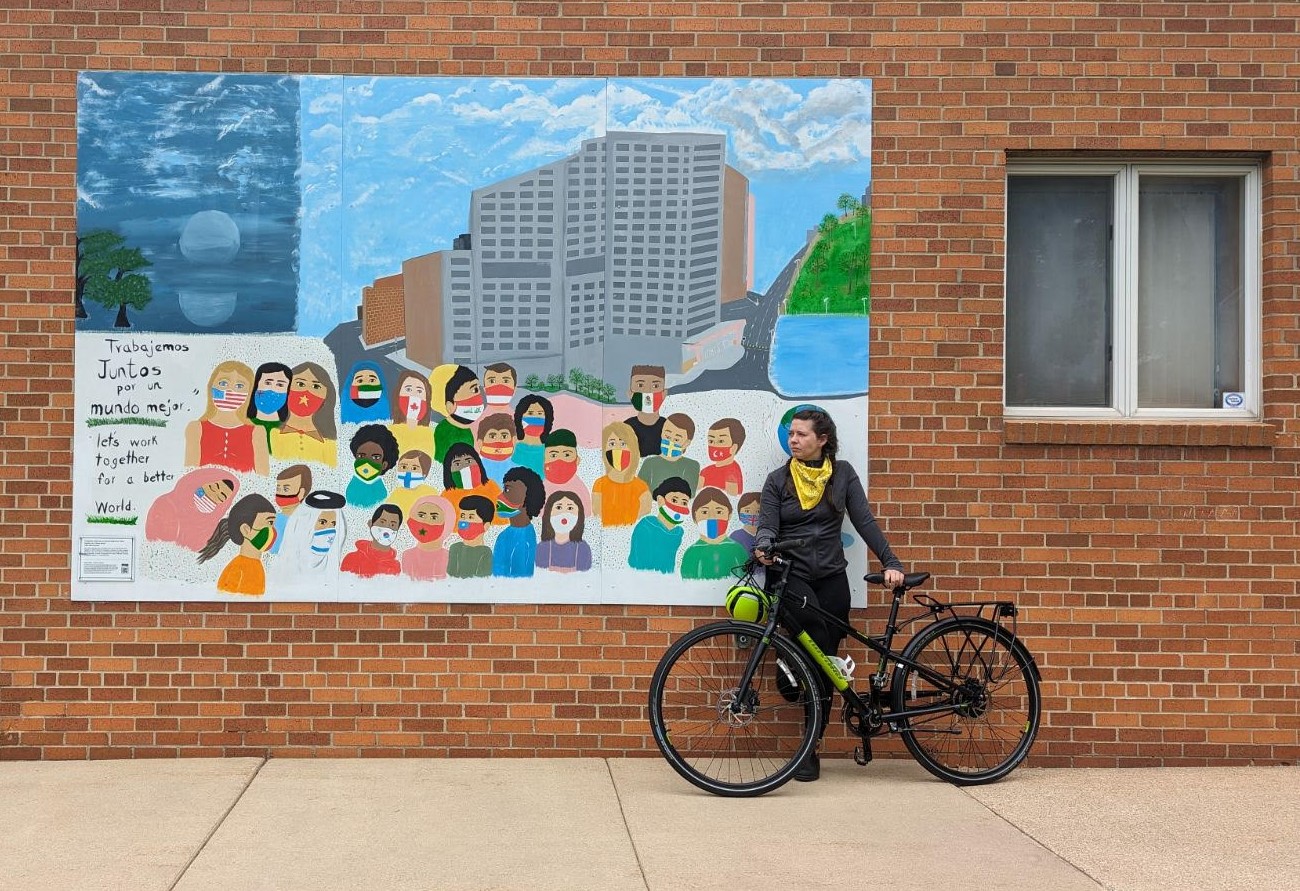
And a bonus tip: Whether it’s a properly fitted helmet, front and rear lights (required by law for night riding) or a good pair of gloves, invest in your safety and comfort by buying the right gear.
Finally, some advice from the bike shops themselves:
- Butch Johnson of Continental Ski & Bike in Duluth urges e-bikers to shop local. “Can the bike shop where you purchase the e-bike perform all the customer support, services and warranty issues that may occur? Internet orders do not support the local ecosystem for bicycle repair and servicing.”
- Alex Wong of Capital Deals in St. Paul says cargo e-bikes will help replace car trips. “Have enough cargo capacity on your e-bike. It’s a plus for running grocery errands, taking kids to school and lessons, and going to pickleball or any sports you do.”
Three Types of E-Bikes
An e-bike is any bicycle with either a built-in or post-production electronic motor that assists with your pedaling. The assist is meant to enhance your pedaling power, not replace it. In short, you’ll still get exercise.
E-bikes come in three classes, as this article from the Minnesota Conservation Volunteer magazine also explains:
- Class 1: electric assist up to 20 miles per hour with no throttle (the extra boost that helps when climbing a hill or hitting a headwind).
- Class 2: electric assist up to 20 mph with a throttle (the type most often sold).
- Class 3: electric assist up to 28 mph without a throttle (restrictions on where you can ride).
Class 3 e-bikes with a throttle are technically an illegal class in Minnesota. Whatever the type or class of e-bike, riders must be at least 15 years old. Learn more at the Bicycle Alliance website.
Pro Tip: Know Your Warranty
“Some e-bikes come with a limited one- or two-year warranty. Some parts have longer or shorter warranties, depending on the e-bike. Others have a five-year, ‘no questions asked’ warranty and a lifetime-frame warranty.”
— Melissa Wenzel, e-bike owner since 2008, St. Paul
Editor’s note: This article appeared in the Bicycle Alliance of Minnesota’s winter 2024 seasonal magazine, SHIFT.