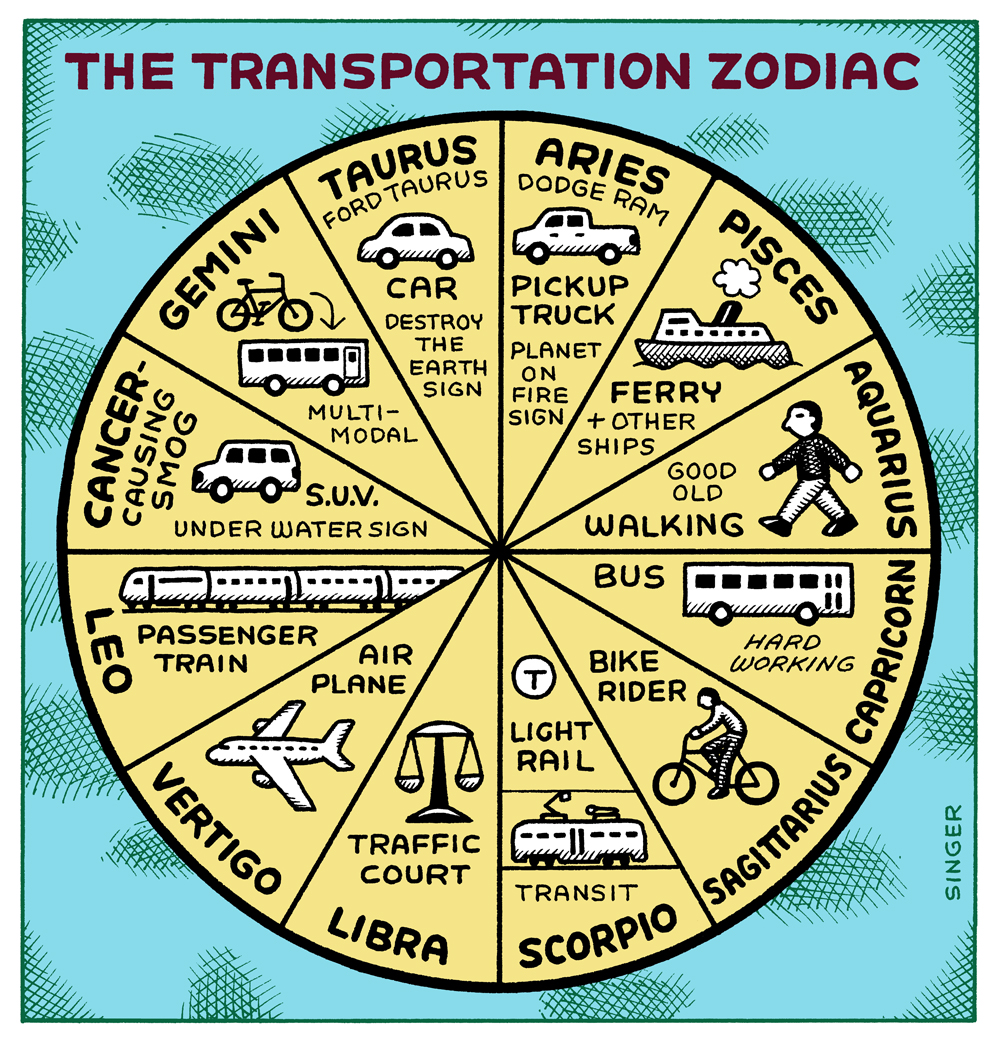
The Transportation Astrologer
What’s your transportation sign? Find out, and see what the stars foretell for your next journey!
What’s your transportation sign? Find out, and see what the stars foretell for your next journey!
Week Without Driving starts on Thursday, October 1 — helping participants learn to navigate a car-centric society without a car.
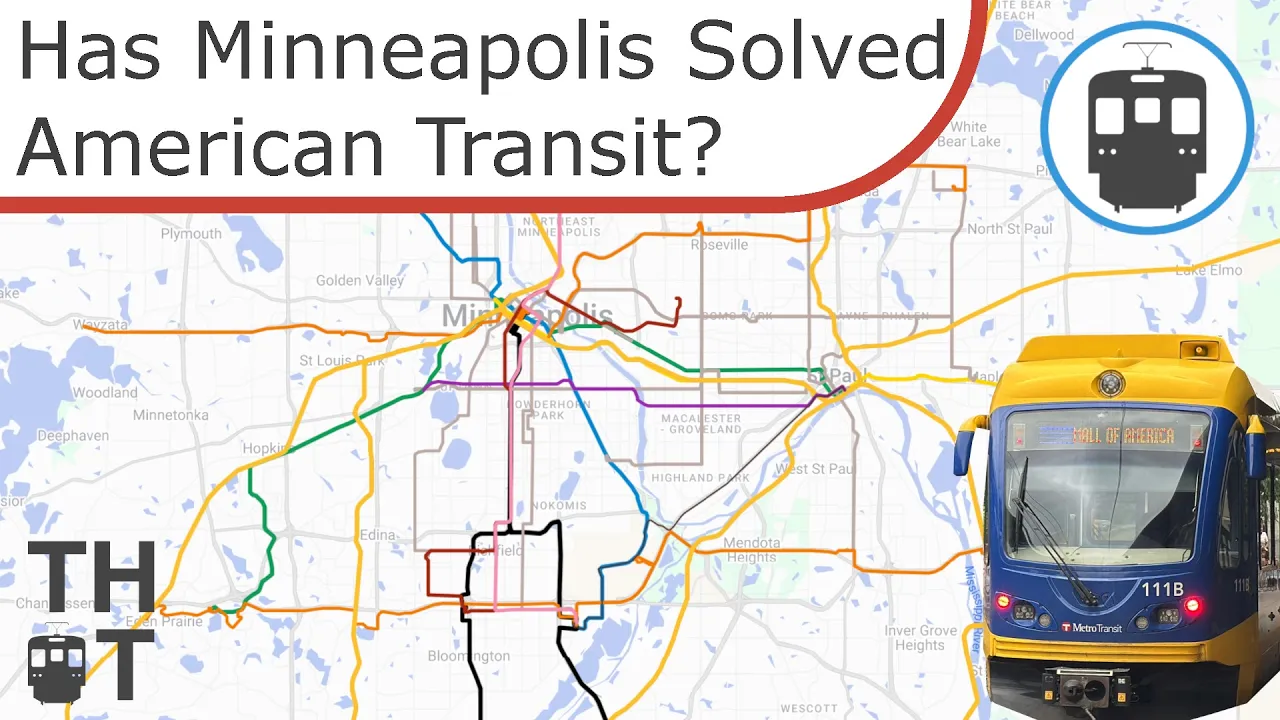
Emmett and Evan from The House of Transit lay out an ambitious expansion concept for the Minneapolis-St Paul METRO system!

Saint Paul is considering rezoning land – but how to do it? Luke Hanson argues we need to upzone, especially along transit routes.
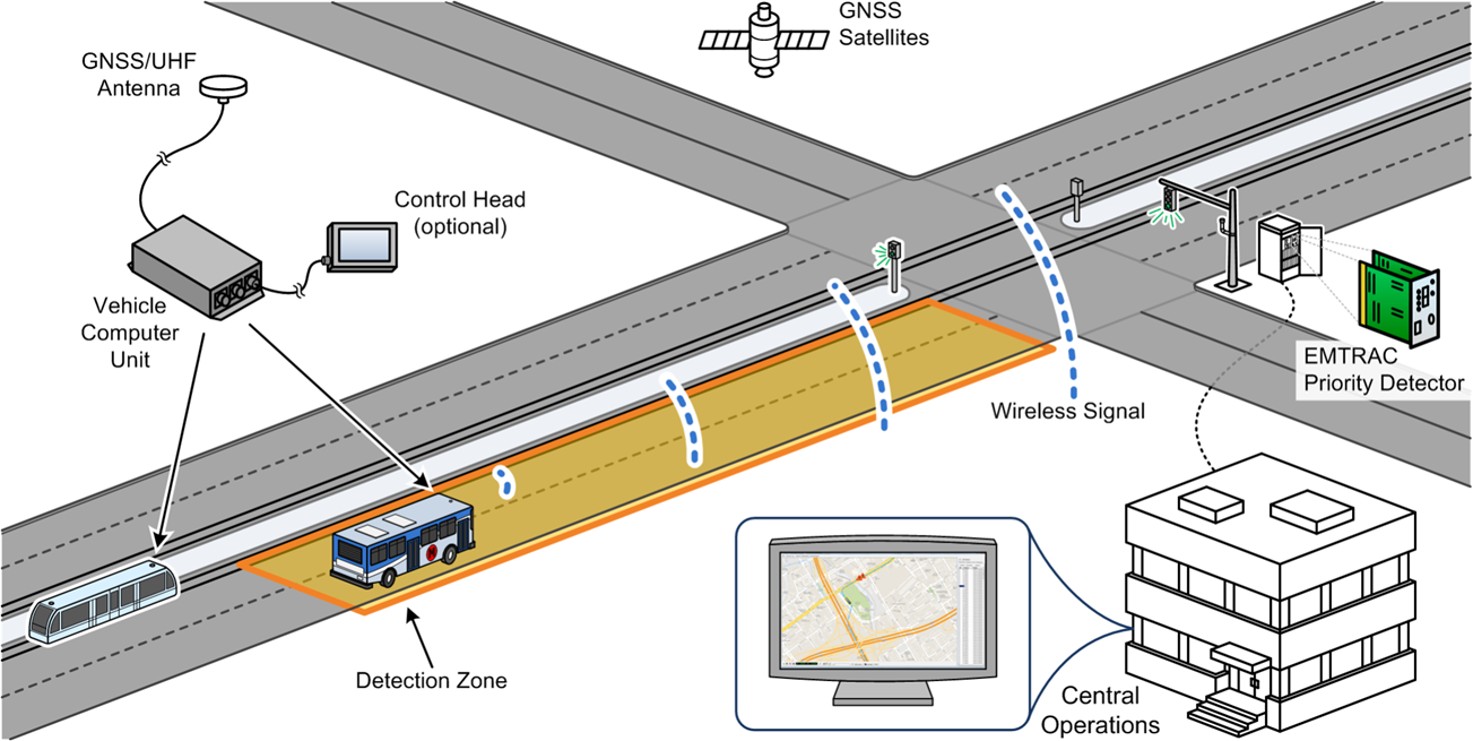
This quarter’s report includes two major bus line makeovers, plus an introduction to traffic signal priority for buses and trains.
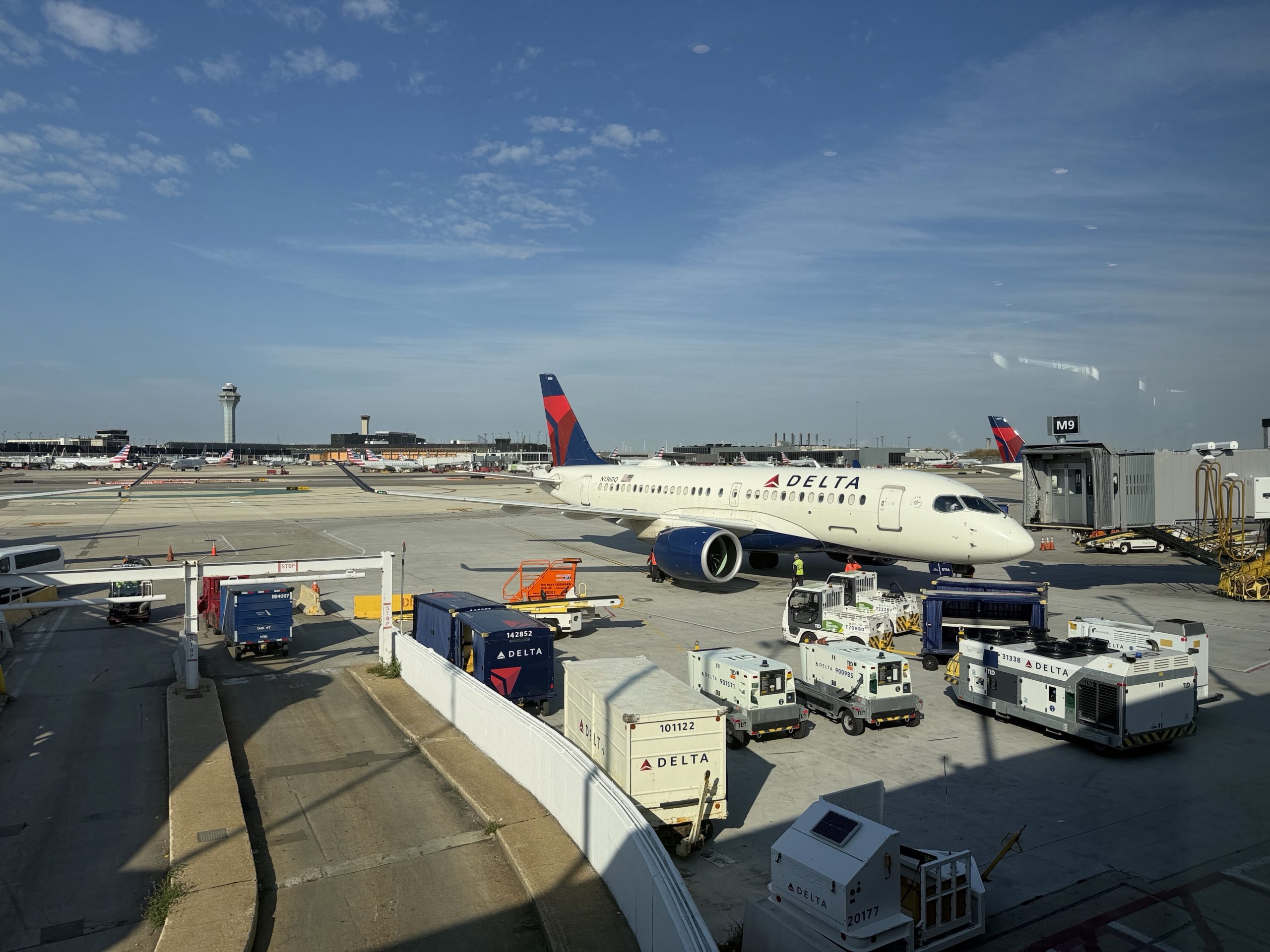
A data-driven comparison examines the climate impacts of traveling from Minneapolis by car, Amtrak and plane, highlighting tradeoffs in emissions and efficiency.

Biking to the Great Minnesota Get-Together can be cheaper, quicker and less stressful than driving — if you can find the right route.

Buses alone are not enough. Light rail would add the kind of reliability, permanence and economic development the area needs.
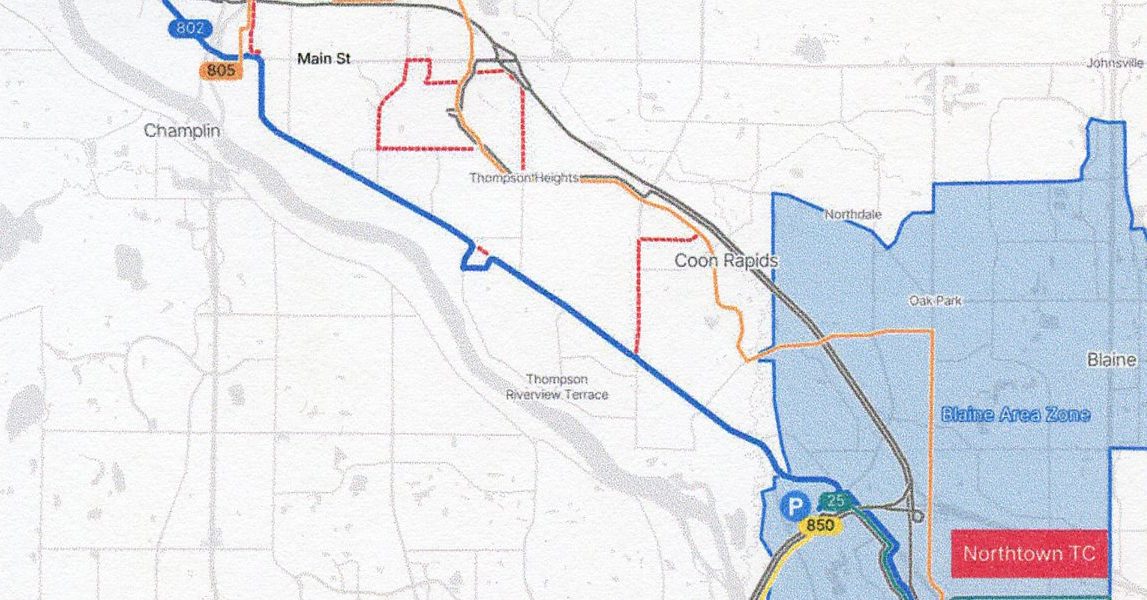
June’s quarterly service change brings expanded bus service to the northwest metro in lieu of the Northstar service, which ceased earlier this year.
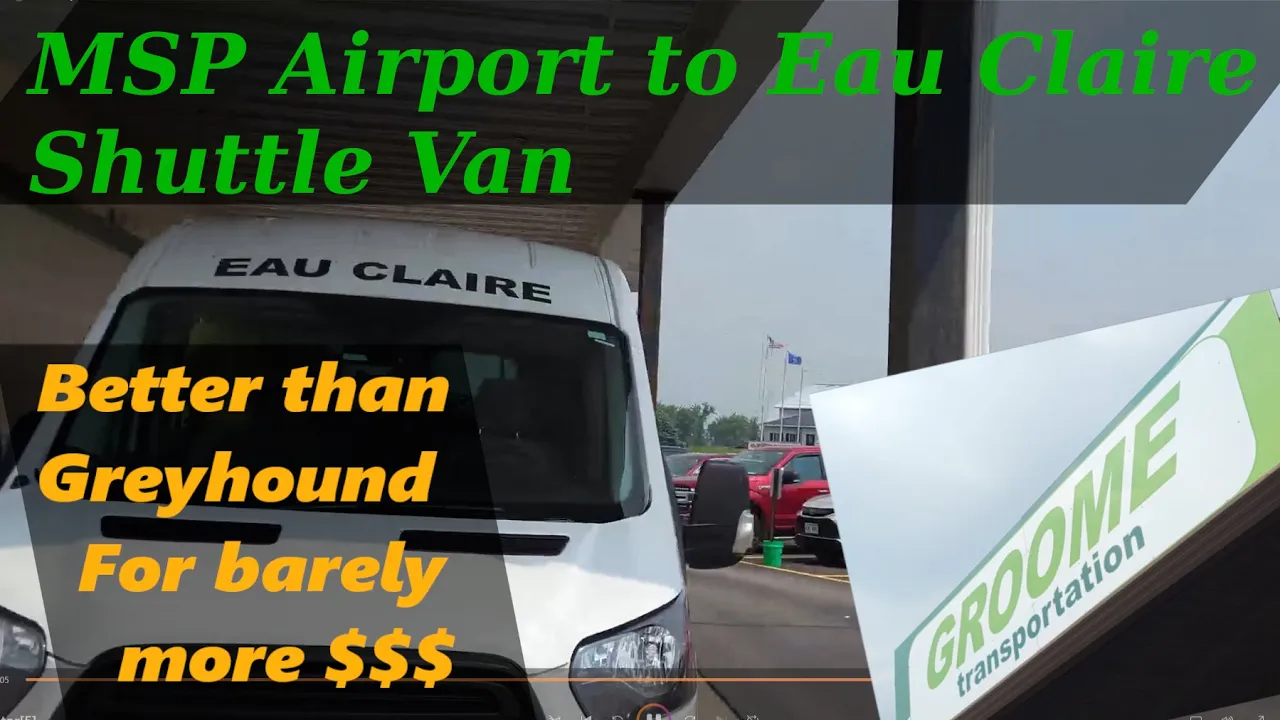
Airport shuttles are an often-overlooked tool in the ground transportation network. Follow along as Steve’s Wanderlust highlights the connection between the Twin Cities and Eau Claire, Wisconsin!