
Editor’s note: This article is reprinted with permission from “The Corner Side Yard,” writer and urban planner Pete Saunders’ urbanist newsletter on Substack.
In honor of Black History Month in February, I annually write some piece that honors the significance and impact of the contributions of Black people on the American urban environment. In the past I’ve written about the people, historical — and in the present day — who made our communities better through their research, their professional endeavors, their political acumen, and their art, advocacy and activism.
Taken together, the contributions of individuals has led to a distinct view of how Blacks can and should live in cities — what I call Black Urbanism.
Today, however, I won’t focus on the people and their contributions to the American urban environment. Instead, I will focus on the significant physical imprint that Blacks had on cities, as they moved from the rural South to the urban North throughout the 20th century, despite the constraints placed on them by segregation.
Black Town Centers
As a kid I often heard many older Black people say that Blacks lost as much, if not more, through integration than we gained. Most referred to the strength and cohesiveness of their segregated neighborhoods, by saying things like, “we saw Black success all around us,” or “we had everything we needed right where we were.” They were talking about how segregation ironically created tight-knit, self-sufficient, mixed-income communities that were walkable — the things urbanists and planners seek in communities today. Unfortunately, as Blacks became more geographically dispersed by income and wealth, the strength of those communities was eroded.
But for roughly two generations, between the 1910s and the 1960s, the influx of Blacks into major cities led to the creation of Black town centers that served the needs of a community that had to become self-reliant. Despite barriers, Blacks created thriving business hubs that provided goods, services and cultural sustenance to their communities. These commercial districts (including St. Paul’s Rondo neighborhood, below) were not just economic centers but also social and cultural hubs, fostering a sense of solidarity and identity among its residents.


The mid-20th century Black town centers had everything we urbanists talk about today when referring to “15-minute cities.” There were grocers, clothing shops, and restaurants. There were doctors’ and lawyers’ offices, banks and insurance companies. Bars, jazz clubs and venues attracted the top names in Black entertainment. And the town center’s amenities were predominantly owned by Black entrepreneurs.
The decline of Black-owned commercial districts began in the mid-20th century, influenced by several factors. The most significant was urban renewal policies, which often resulted in the displacement of African American communities. Highways and new developments were frequently constructed through thriving black neighborhoods, leading to the destruction of these commercial districts.
Additionally, the desegregation of the 1960s, while a monumental step toward equality, had unintended economic consequences. African Americans gained access to previously white-only businesses, leading to a dispersal of their economic power. The rise of large chain stores also undercut smaller, Black-owned businesses, which struggled to compete.
Economic recessions, discriminatory lending practices and lack of access to capital further exacerbated the decline. The 1968 Fair Housing Act aimed to address some of these issues, but the damage to Black-owned commercial districts had already been severe.
By the 1980s, many Black town centers had been so decimated that their presence had largely been lost to history.
However, they were never completely forgotten. My first planning job assignment, with the City of Chicago in the early 1990s, was to work on what we called the Mid-South Plan, covering the city’s south lakefront communities. Residents attending community meetings remembered the vibrancy of the area’s heyday in the 1950s when it was referred to as Bronzeville and sought to revive that long-forgotten name.
An ironic convergence in 2021 brought attention to Black town centers. That year, Tulsa, OK approached the 100th anniversary of the Tulsa Race Massacre, one of the nation’s deadliest incidents of racial violence. That 100th anniversary was also within one week of the first anniversary of the murder of George Floyd by the hands of a Minneapolis police officer in 2020. That event sparked protests worldwide. To many people, the anniversaries, 99 years apart, demonstrated the lack of progress toward racial equity in America.
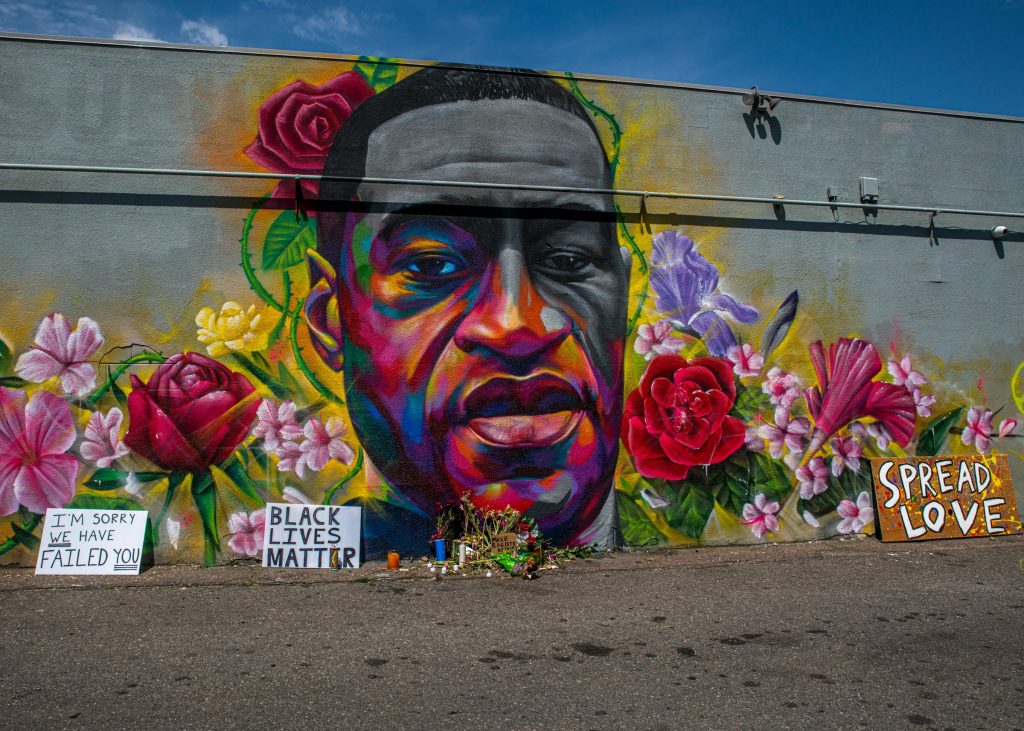
This was also at a time when the nickname of Tulsa’s Greenwood District, Black Wall Street, re-entered into the vocabulary of the general public as a descriptor of what I’m now calling Black town centers. Personally, I prefer “Black town centers” over “Black Wall Streets,” because these were mixed-use districts that served the needs of nearby residents. “Black Wall Street” is an evocative name, but financial districts like Wall Street are centers of capital that have an entirely different purpose than community commercial centers.
Notable Black Districts
Nonetheless, name a U.S. city that had significant 20th century Black immigration, and there’s a Black town center that emerged as well. Among the large Midwestern metros (1 million-plus people) that I consistently follow, here are those Black town centers:
- Chicago: Bronzeville
- Detroit: Paradise Valley
- Minneapolis: 38th Street
- St. Louis: The Ville
- Pittsburgh: The Hill District
- Cincinnati: The West End
- Kansas City: 18th and Vine
- Columbus: King-Lincoln Bronzeville
- Cleveland: Central
- Indianapolis: Indiana Avenue
- Milwaukee: Bronzeville
- Louisville: Old Walnut Street
- Buffalo: Michigan Street Corridor
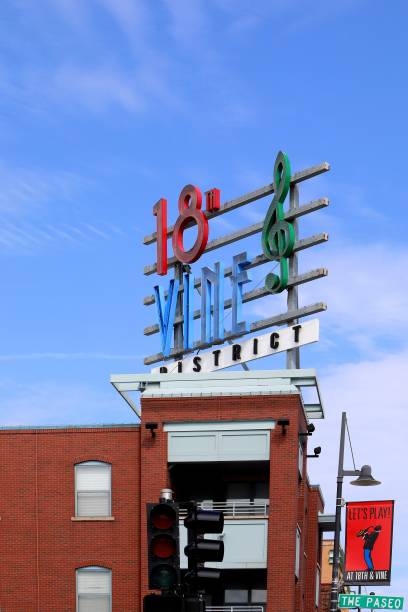
There is something to be learned from all these Black town centers, and others across the country. Chicago’s Bronzeville is already serving as the revitalizing rallying point for Chicago’s south lakefront, and with the right kind of infrastructure investment, access to capital, and community support and partnerships, the same can be done in many other cities nationwide.
The revival of black-owned commercial districts is not just an economic imperative but also a cultural and social one. These districts represent the resilience and contributions of Black people to the nation’s history and future prosperity.
Photo at top by Priscilla Gyamfi on Unsplash; photos of Rondo from the Streets.mn file.