
Hamline-Midway, Como, Payne-Phalen
September 25, 2024 — 25.5 miles
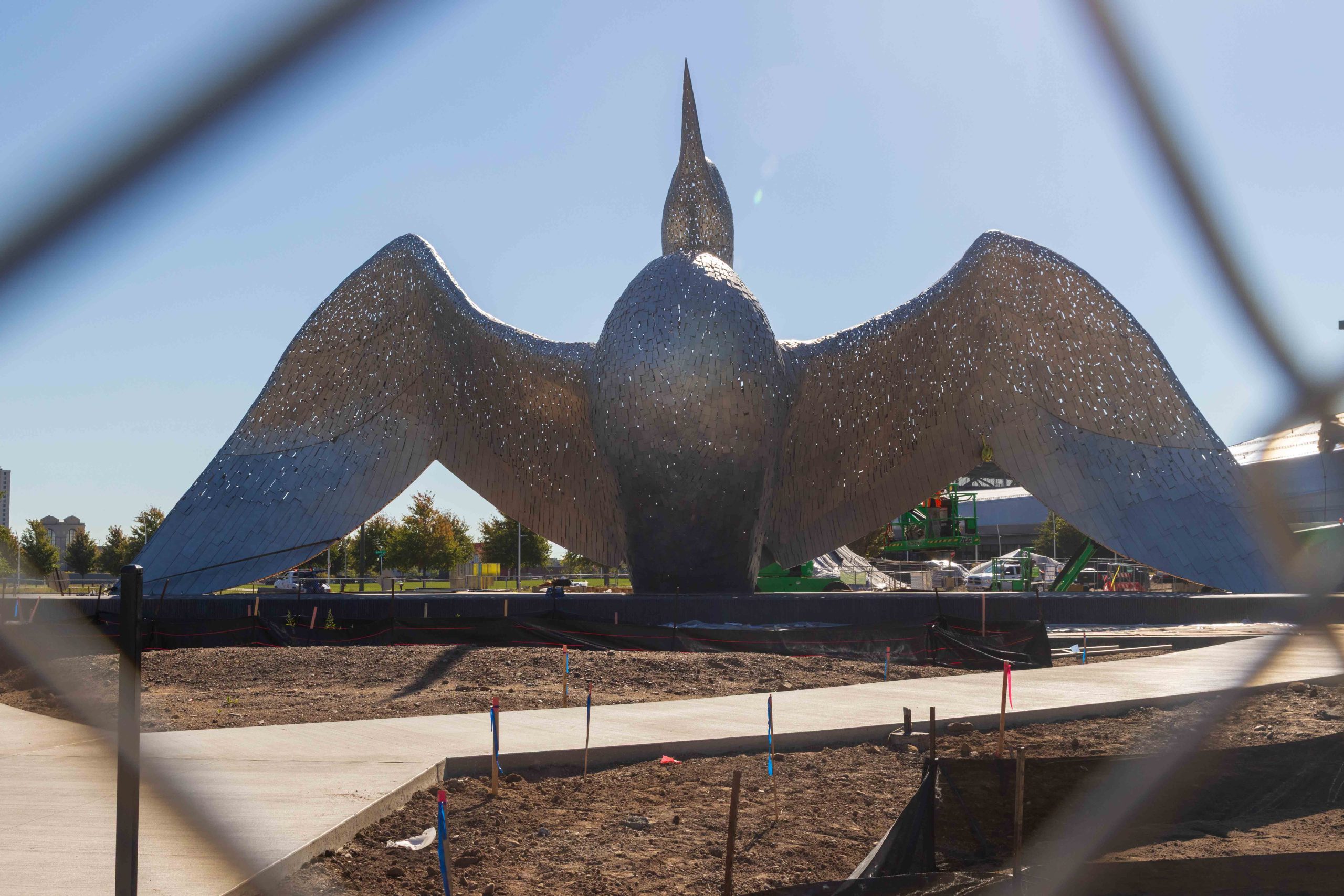
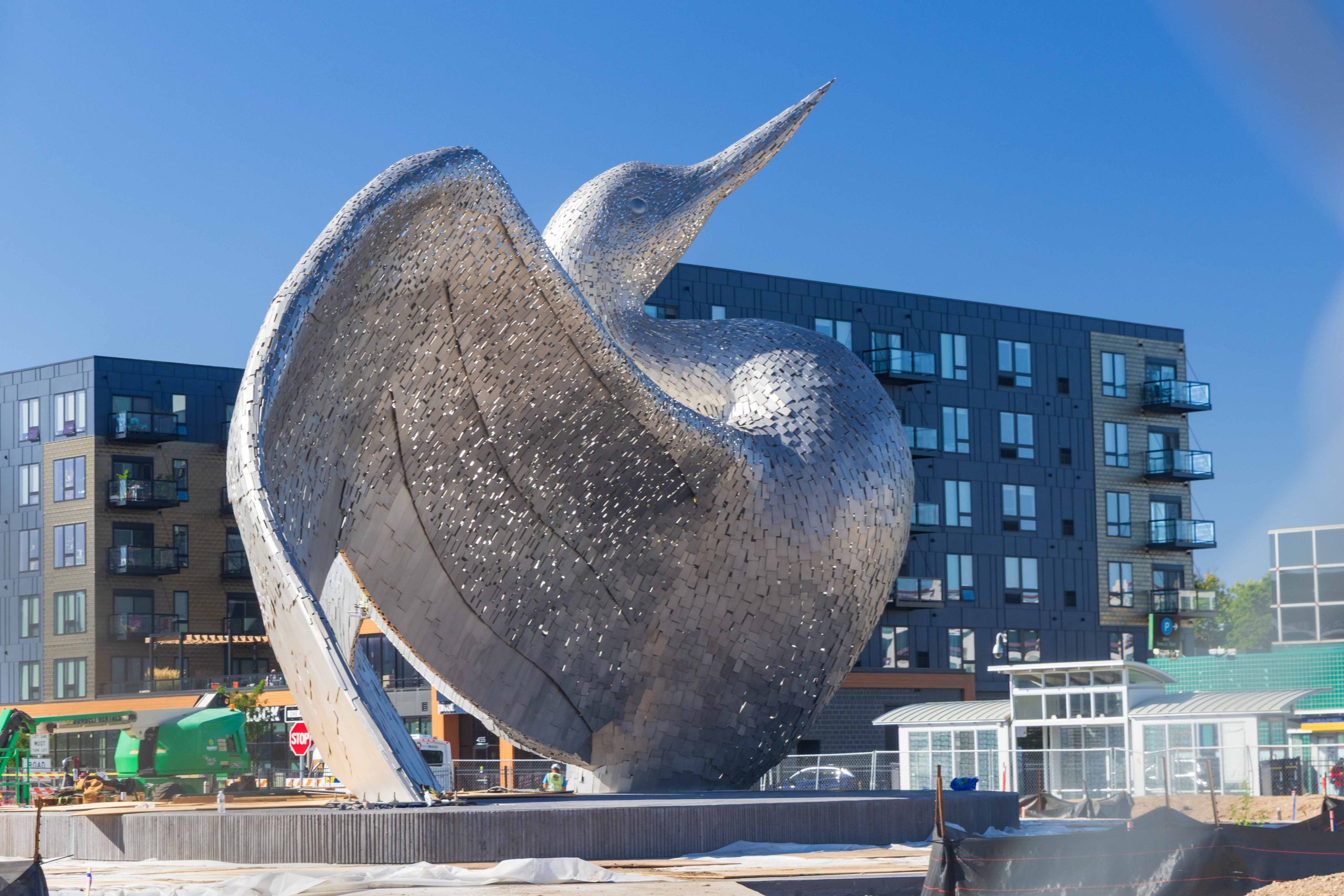
The appearance of an enormous metal loon sculpture in the Midway generated a great deal of media coverage so I cruised over to see what the buzz was about. Reportedly the world’s largest loon at 12 feet tall with an 88 foot wingspan, it certainly is impossible to miss, even with all the action at the busy intersection of University and Snelling Avenues. My hope is this is the start of real redevelopment of the large tract of land that has been little more than a magnet for wind-blown trash for nearly a decade.
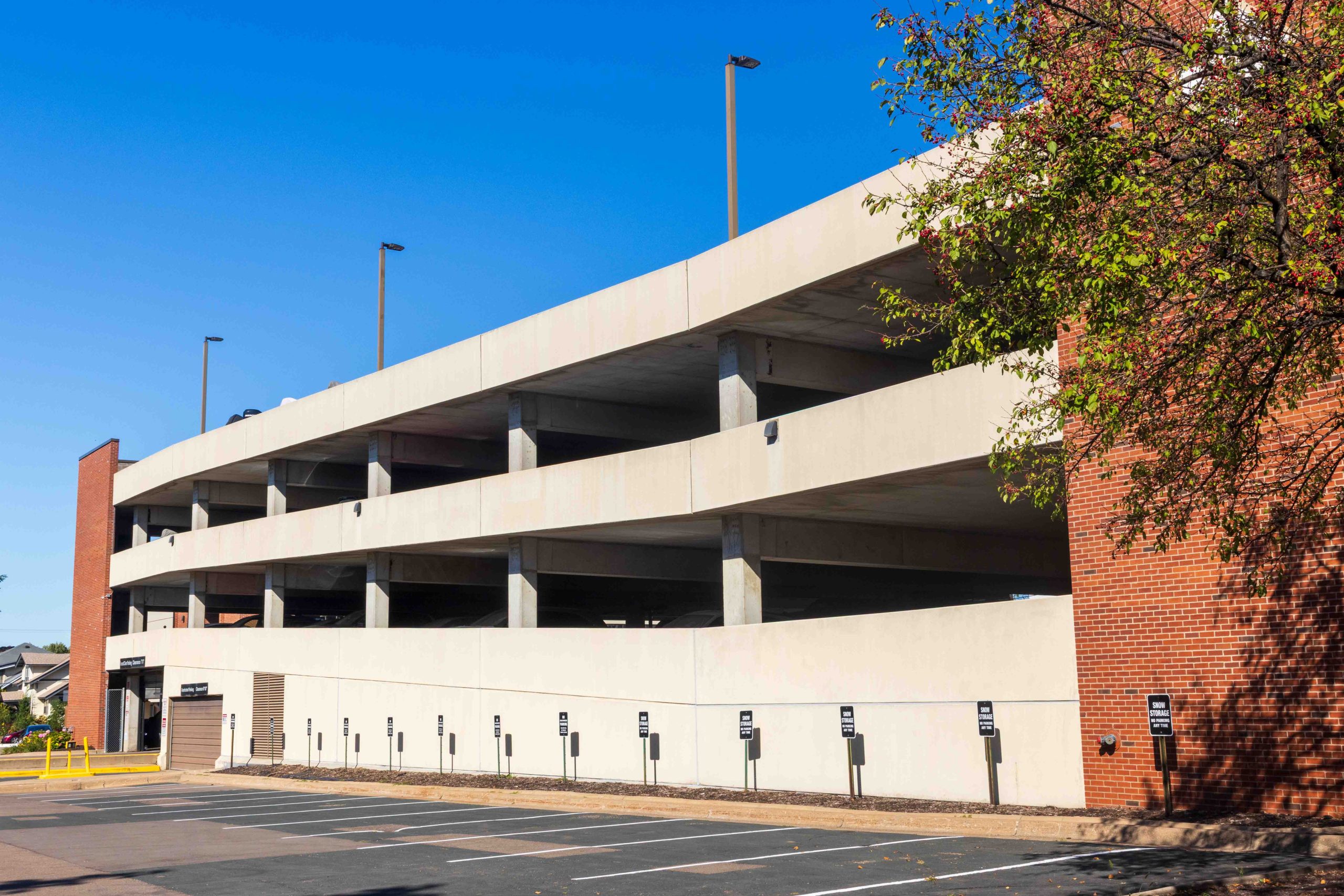
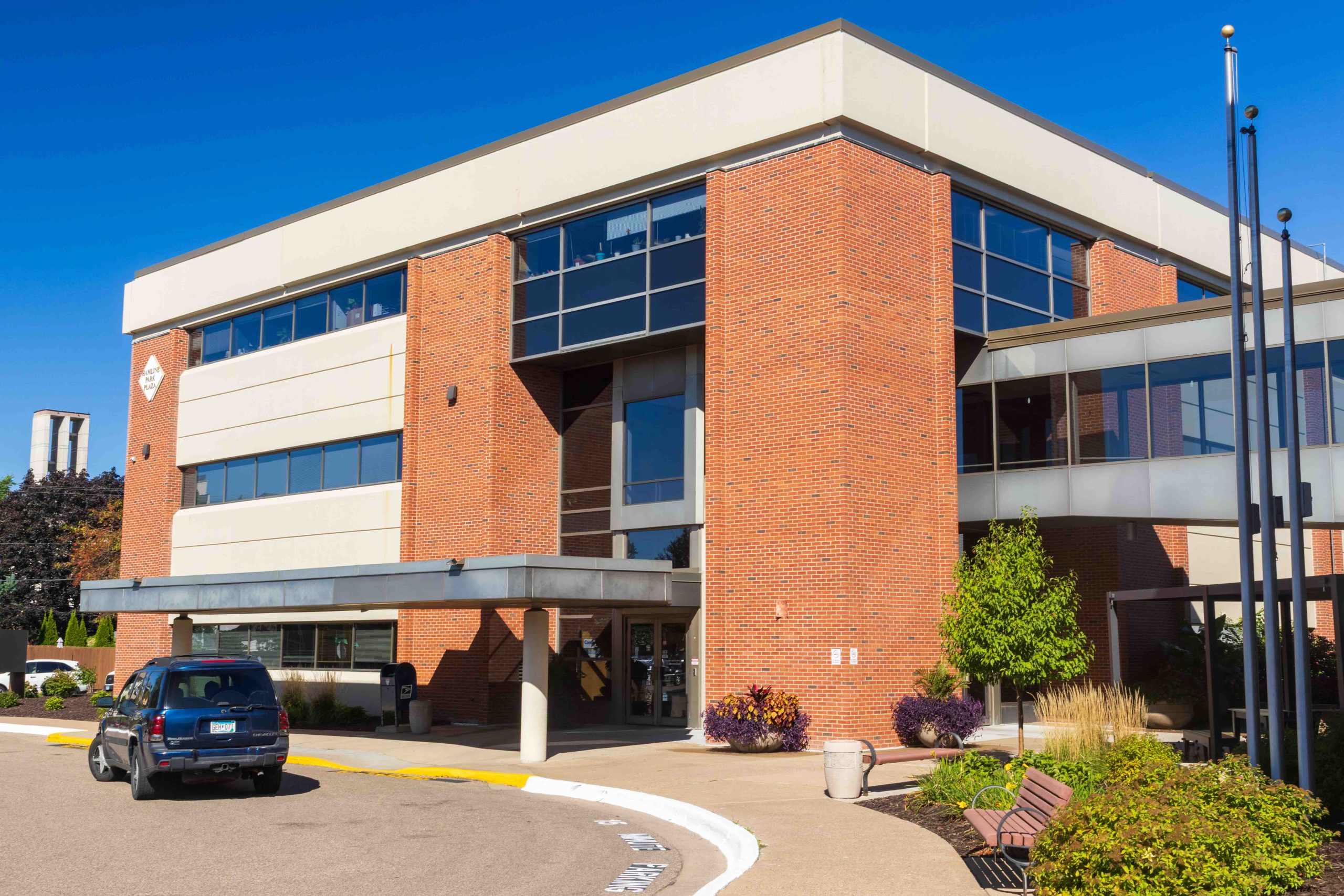
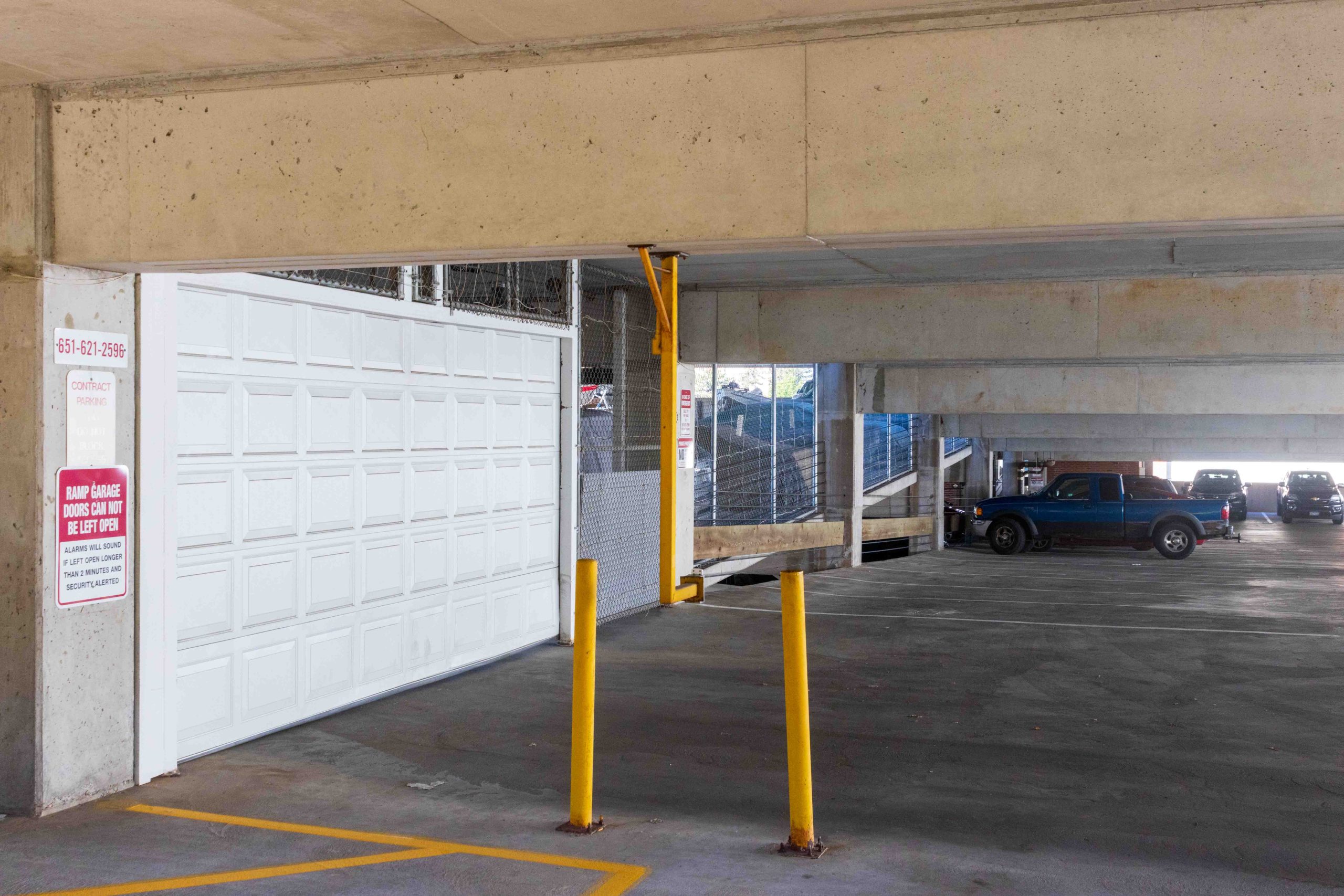
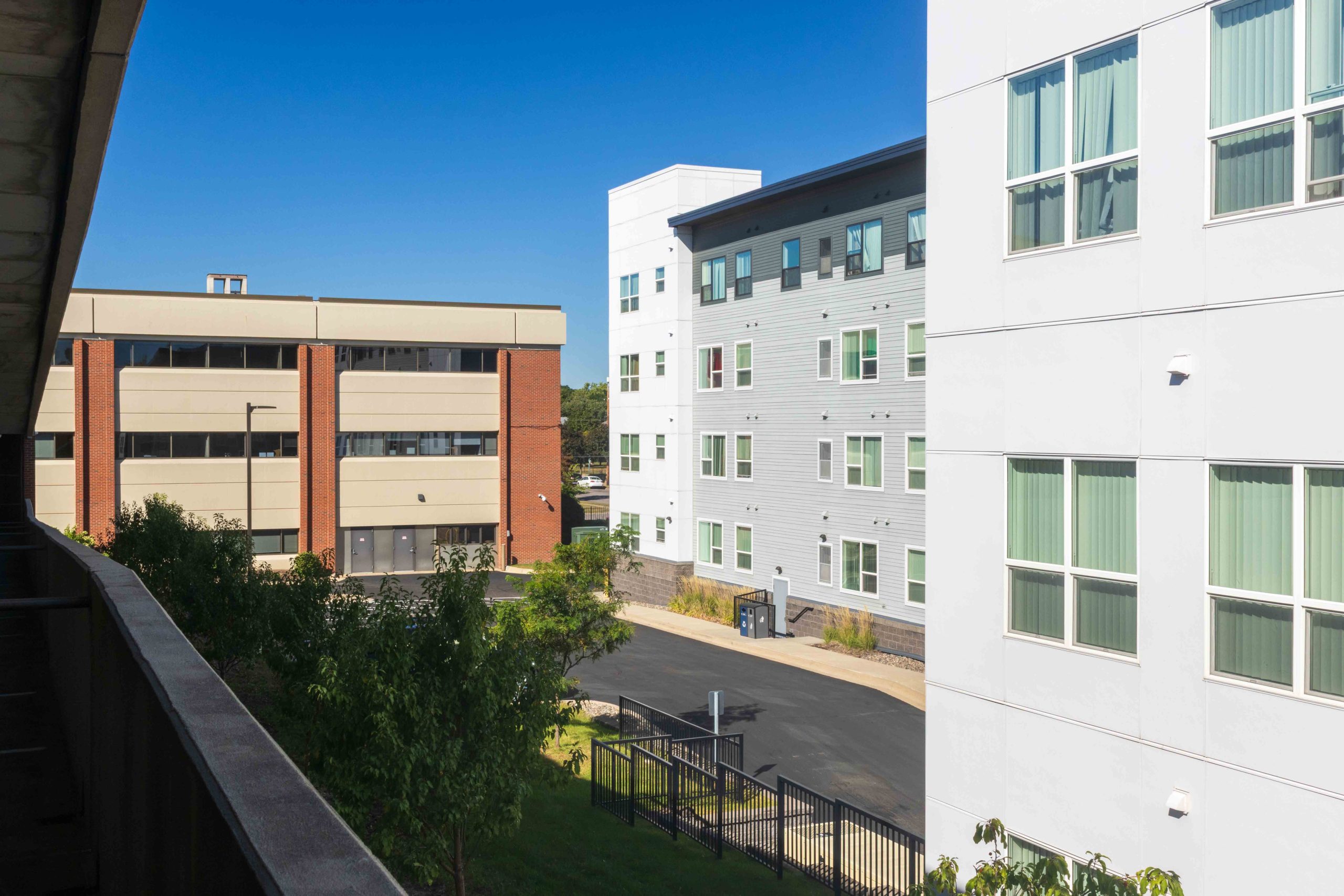
Most parking ramps are confined to downtowns, hospitals and suburban malls. An unusual exception is the Hamline Park Plaza ramp, a few blocks north of the giant silver loon statue. Located at 570 Asbury St., smack dab in a quiet, tree-lined, mostly residential part of the Midway, it is one of the last places you’d expect an parking ramp.
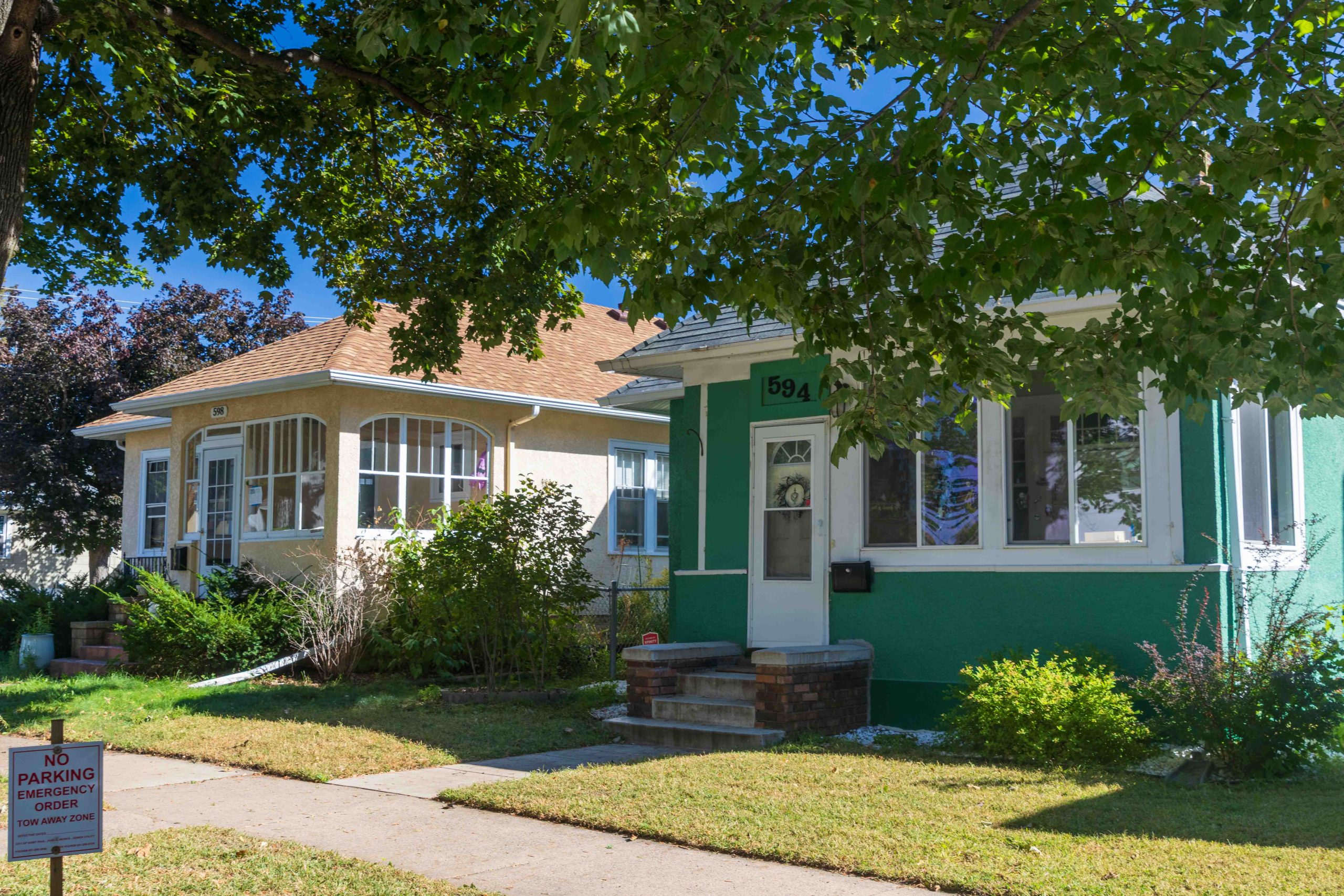
A couple of blocks away, Halloween preparation in a very large way on Hewitt Avenue.

The North End
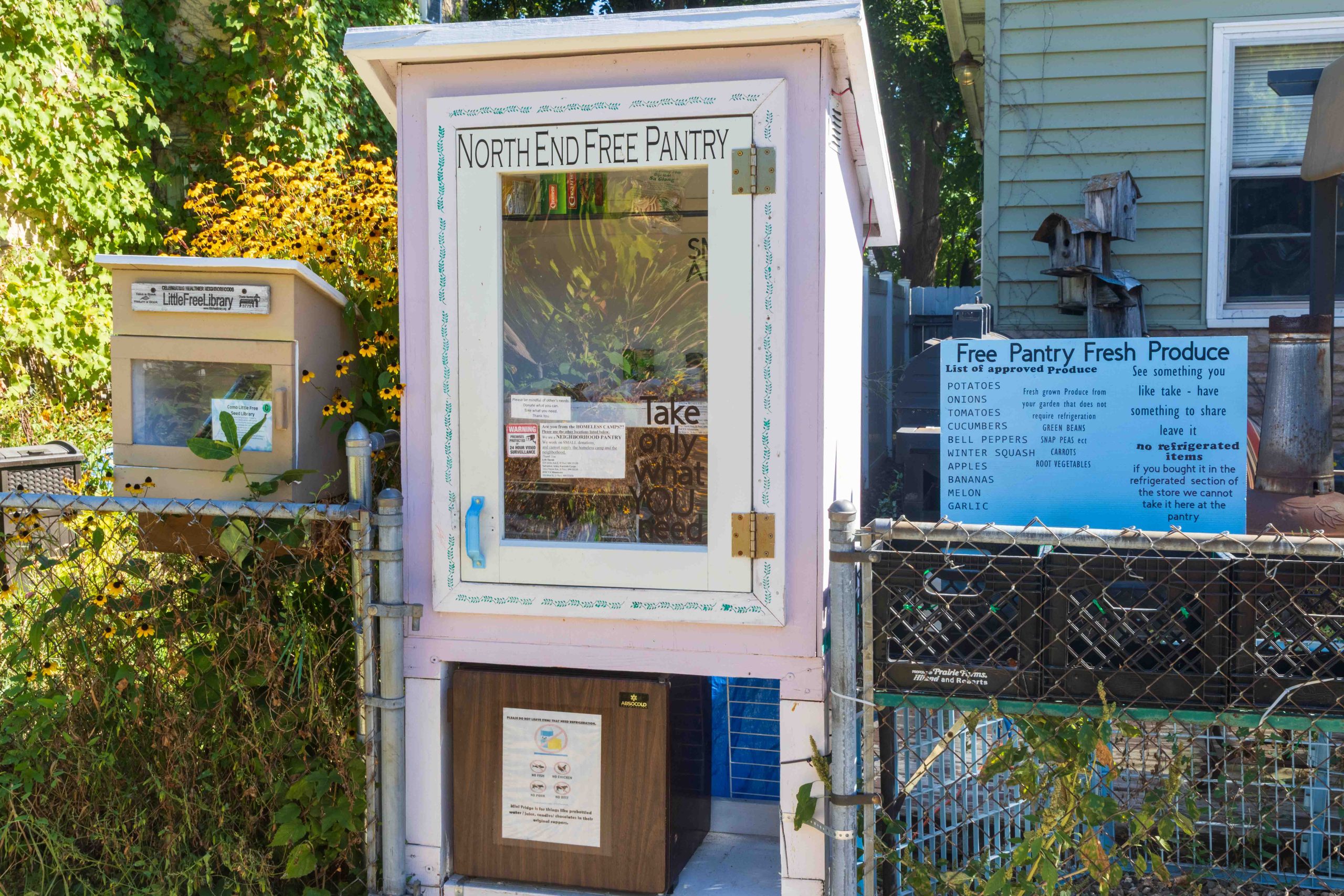
This North End Free Pantry, a cousin to the familiar Little Free Libraries, provided free food and other necessities to struggling North Enders. For more than seven years, and at least two different locations, volunteers have scrambled to keep the “hyperlocal” food shelf stocked.

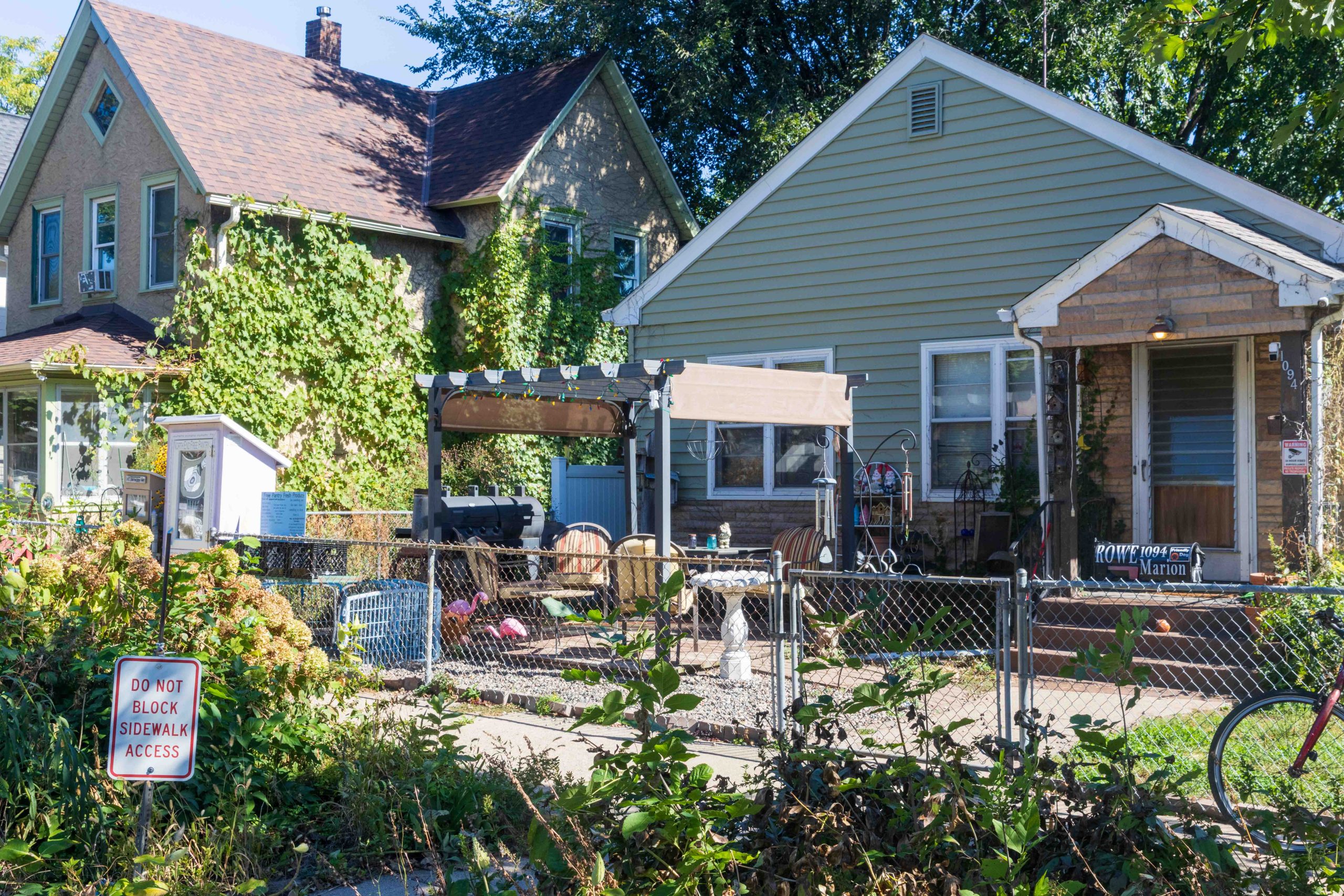
Unfortunately the North End Free Pantry closed in March 2025. News stories and the group’s now-deleted Facebook posting cited a lack of donations and use by people from outside the neighborhood as reasons behind its closure. The volunteers behind the pantry should be applauded. It’s unfortunate that it became impossible to sustain this valuable resource while the demand for food assistance grows.
Payne-Phalen
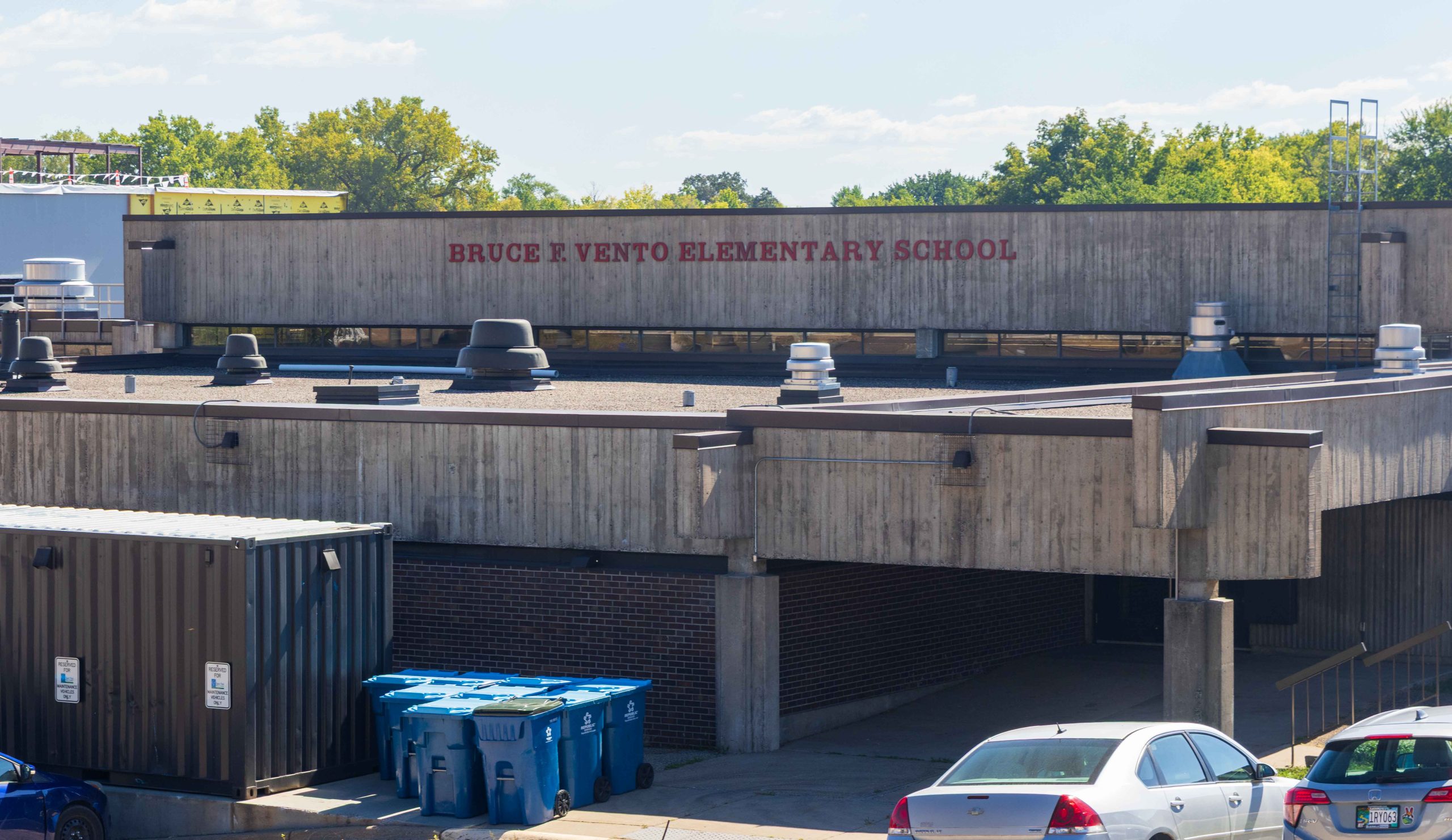
Bruce Vento Elementary School along with its fields and parking lots sits on four square blocks between Case and Lawson avenues, and Arkwright and Desoto streets.
Built with cement and brick in the Brutalist architectural style, the school opened in 1971. Brutalism turned out to be popular for educational and governmental structures designed and constructed in the 1960s and ‘70s. Although I usually find a great deal to dislike about the starkness of Brutalism, the symmetry of this structure, its gradual stepped rise with the slope of the property and the consistent use of bricks in combination with concrete softens the harshest aspects of the design.
Originally, the school was named East Consolidated School (ECON for short) because students and staff of three outdated, deteriorating East Side schools — Grant, Lincoln and Ericsson — were merged, or consolidated, in the new building.
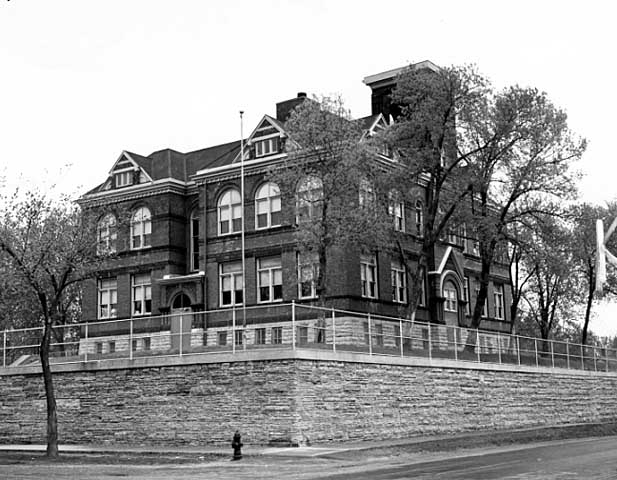
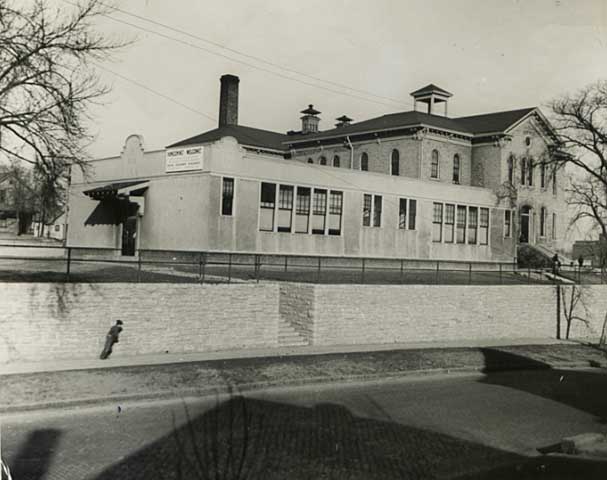
ECON Elementary was “revolutionary,” according to a school history. Inside, the open classroom concept, which swept the nation, was a first for Saint Paul Public Schools buildings. Educationally, students and staff were arranged in non-graded teaching/learning teams.

In 2000, after nearly 30 years, the school board renamed the school to honor East Side native, 4th District Minnesota Congressman and environmentalist Bruce Vento, who still lived nearby. The recognition came four months before Vento’s death from cancer.
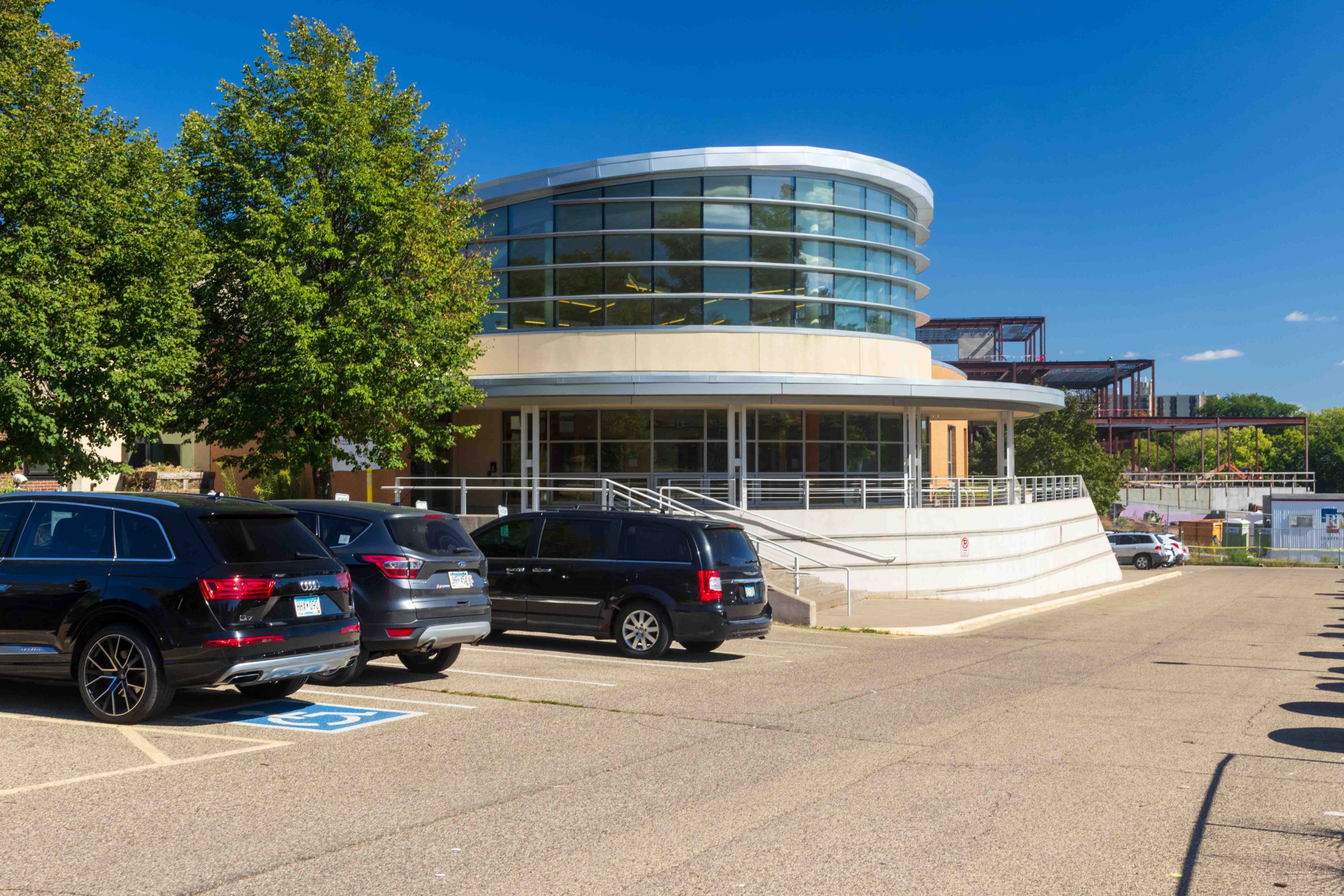
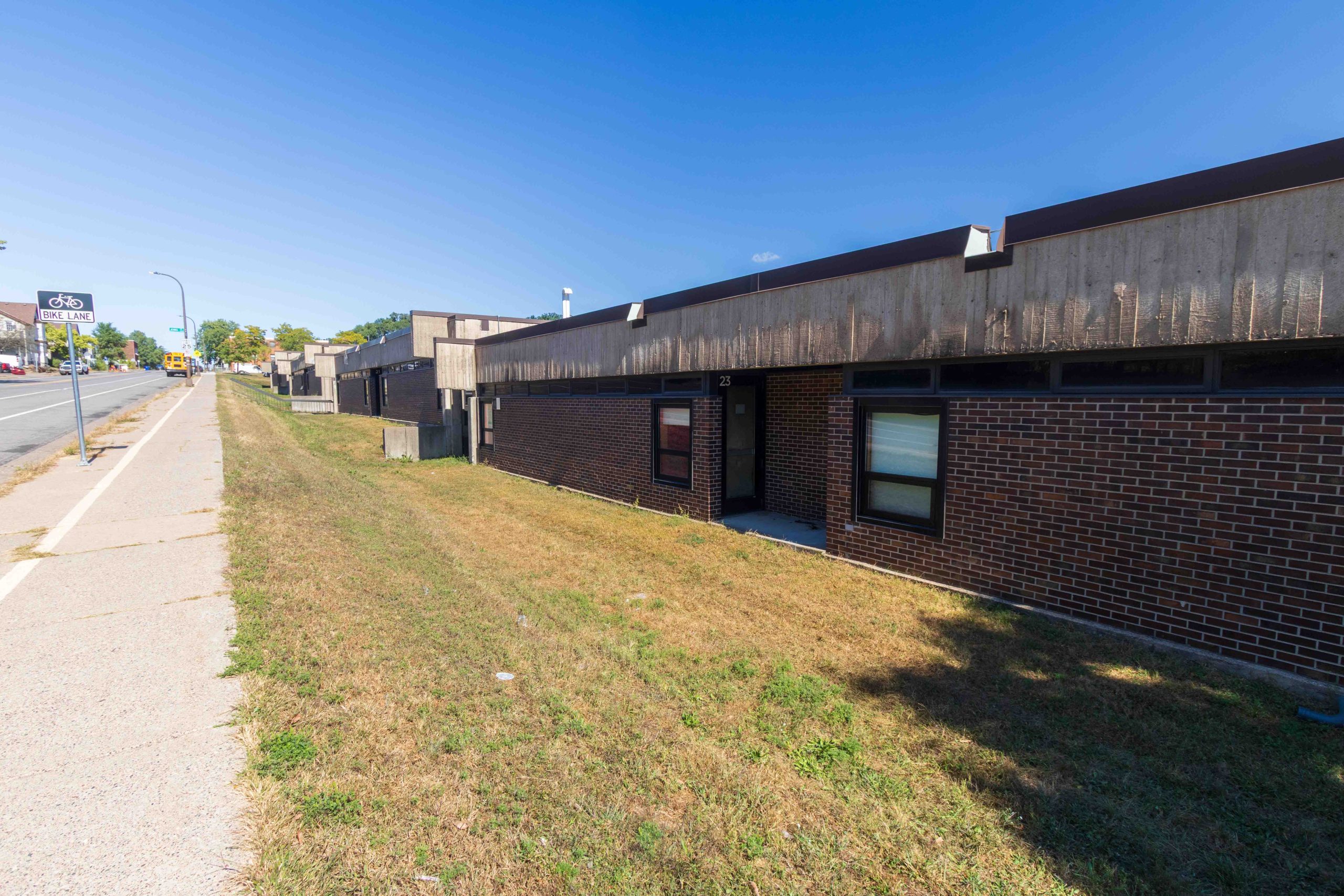
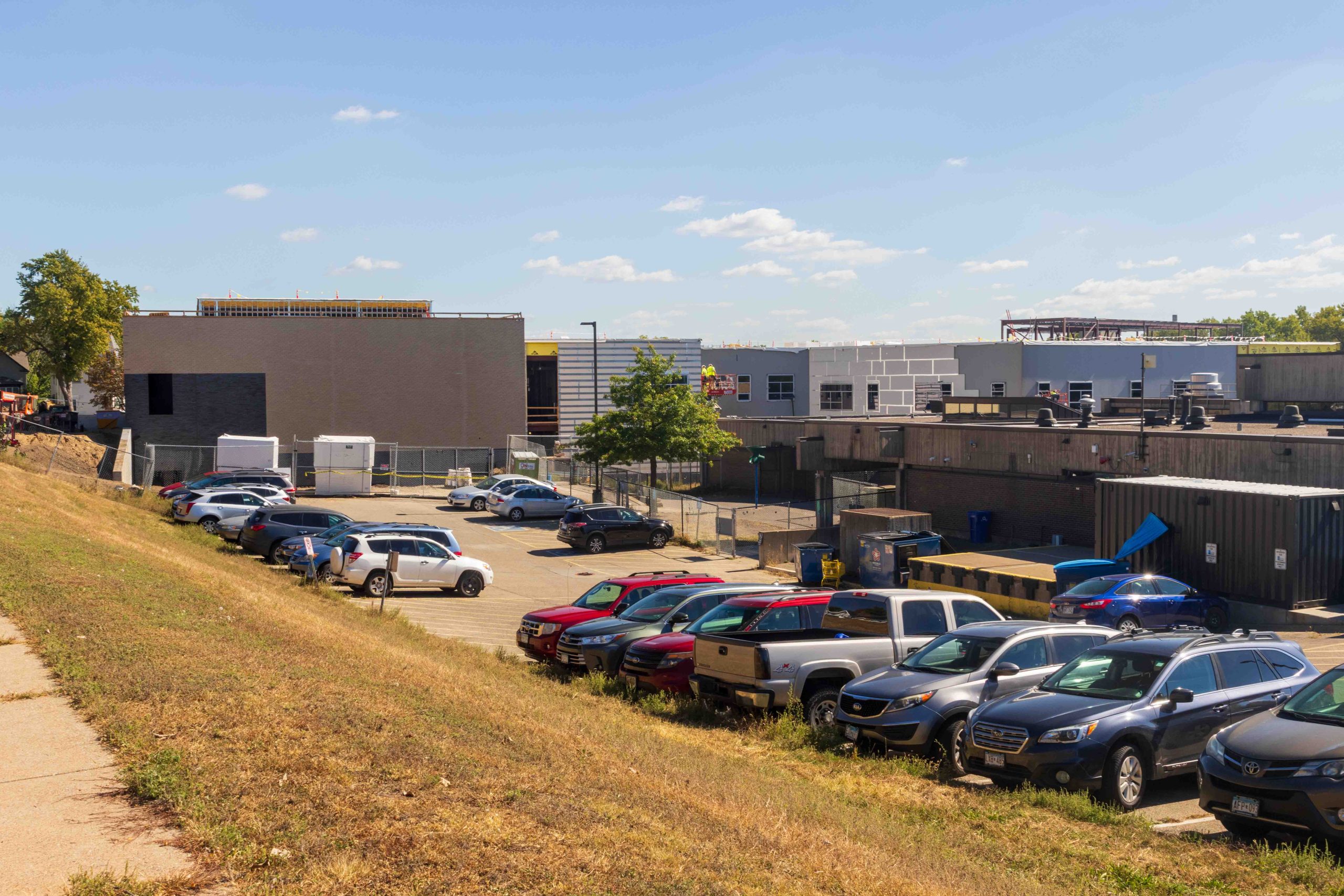
At the time of my ride the days were numbered for the Brutalist version of Vento Elementary School. Fall of 2025 marks the opening of a modern replacement building on the east side of the property. The new structure will carry on the Bruce Vento name.
Another School in Payne-Phalen
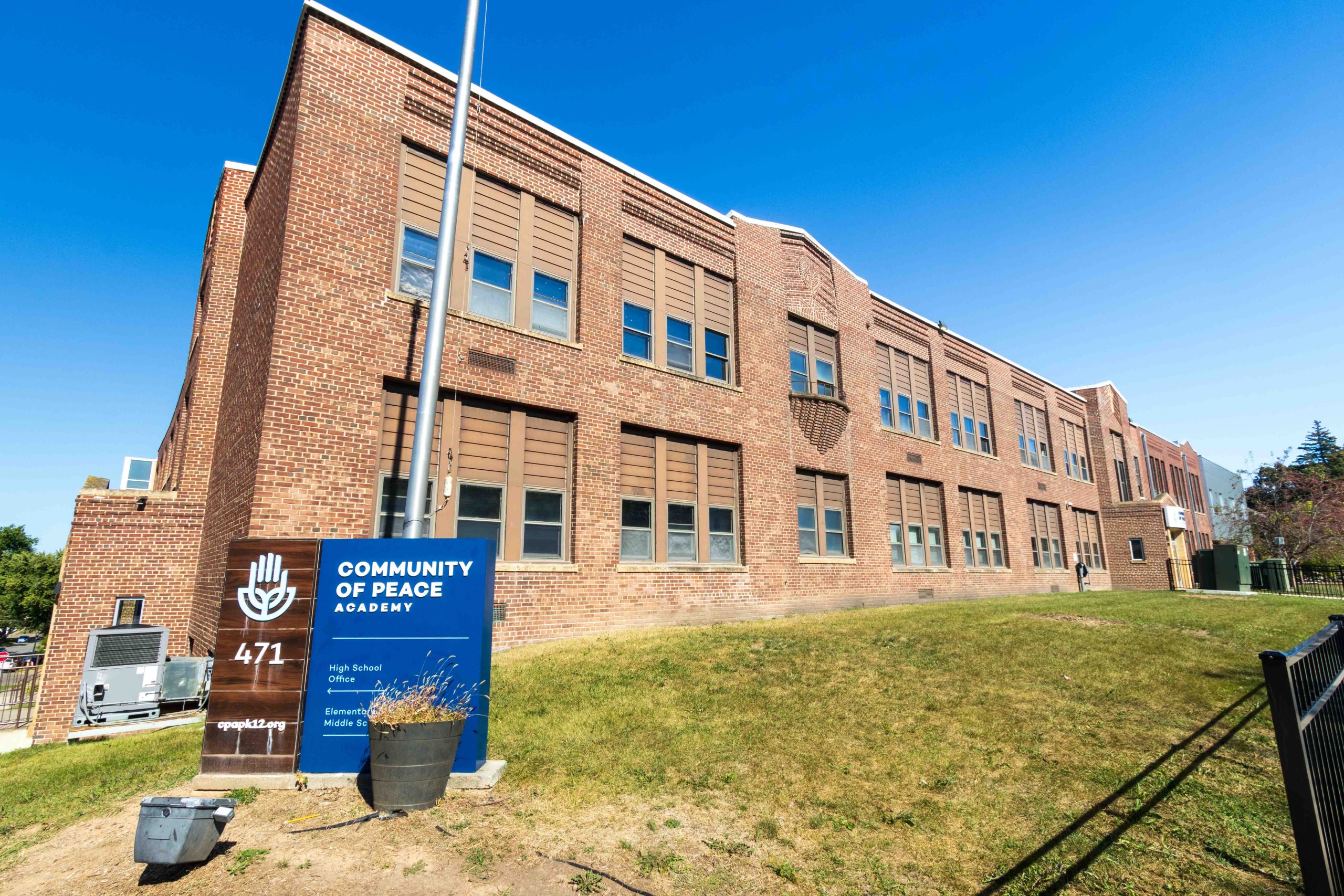
About three blocks north, the Community of Peace Academy (CPA) charter school is nestled into a residential block of Payne-Phalen. Founded in 1995, Community of Peace now serves more than 800 preschool through high school students, according to its website.
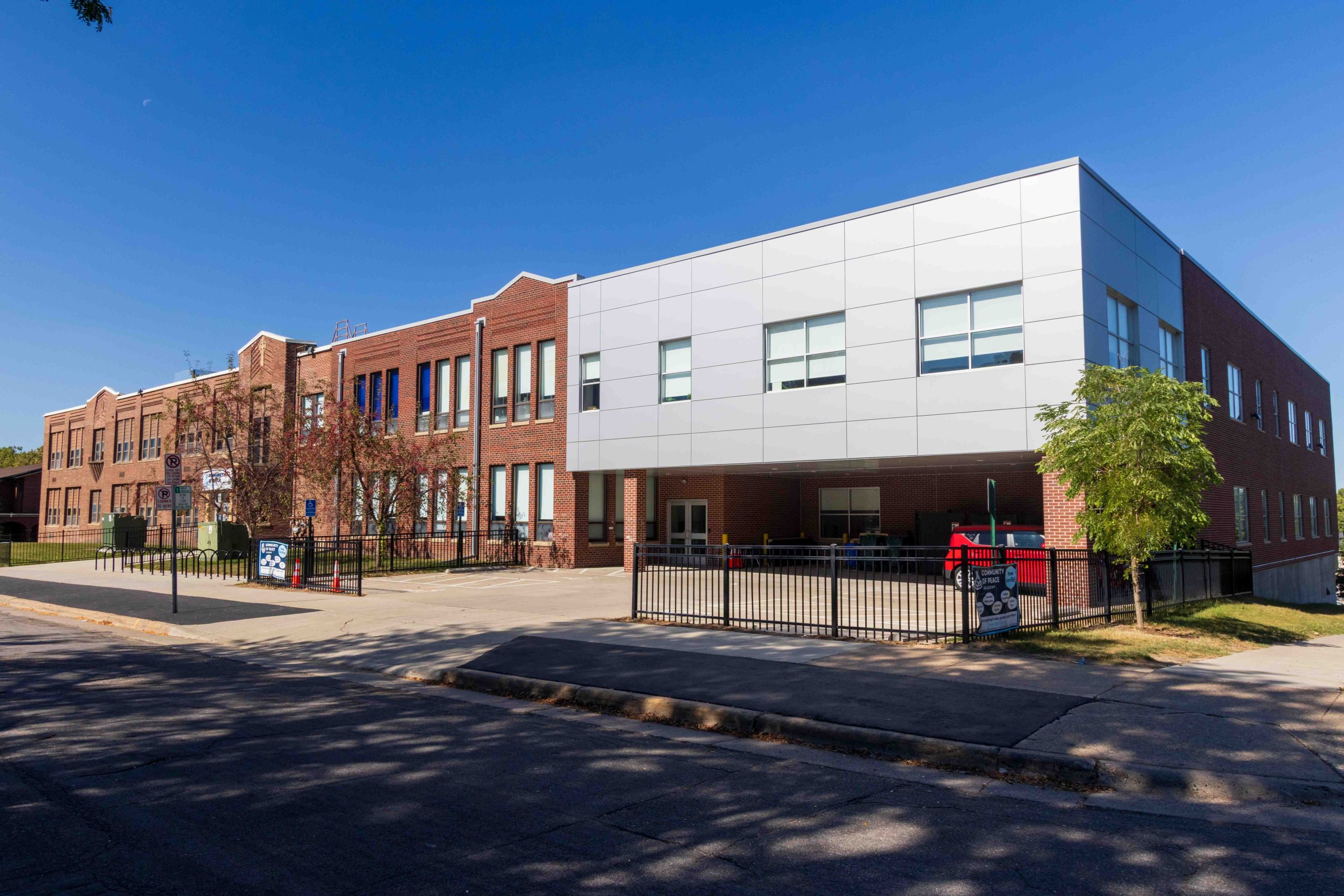
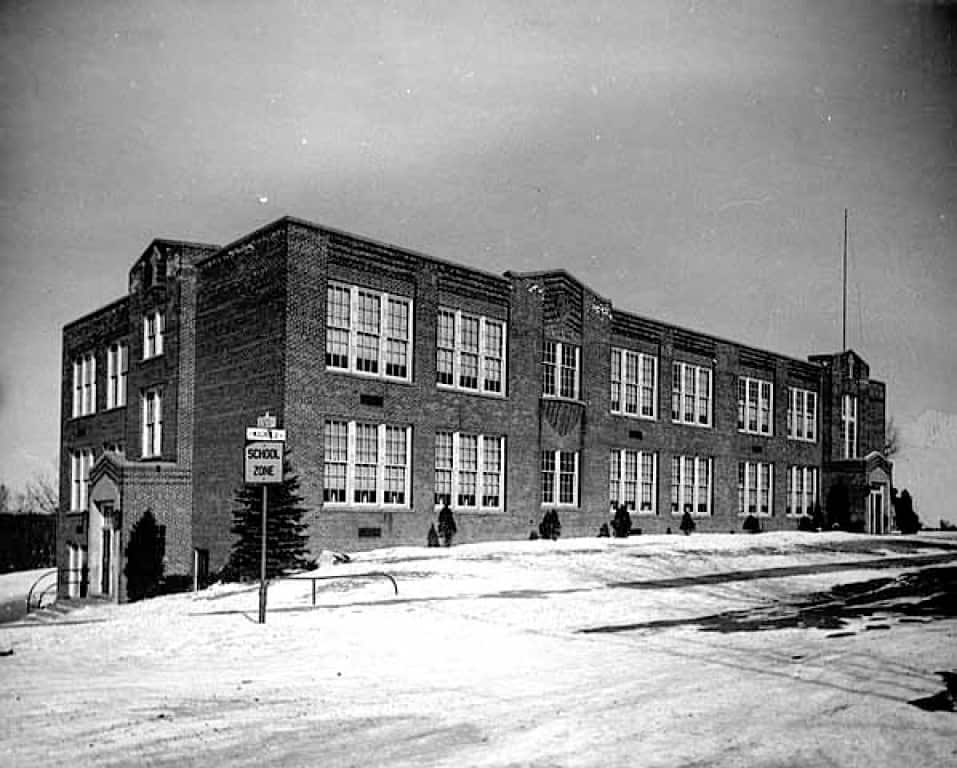
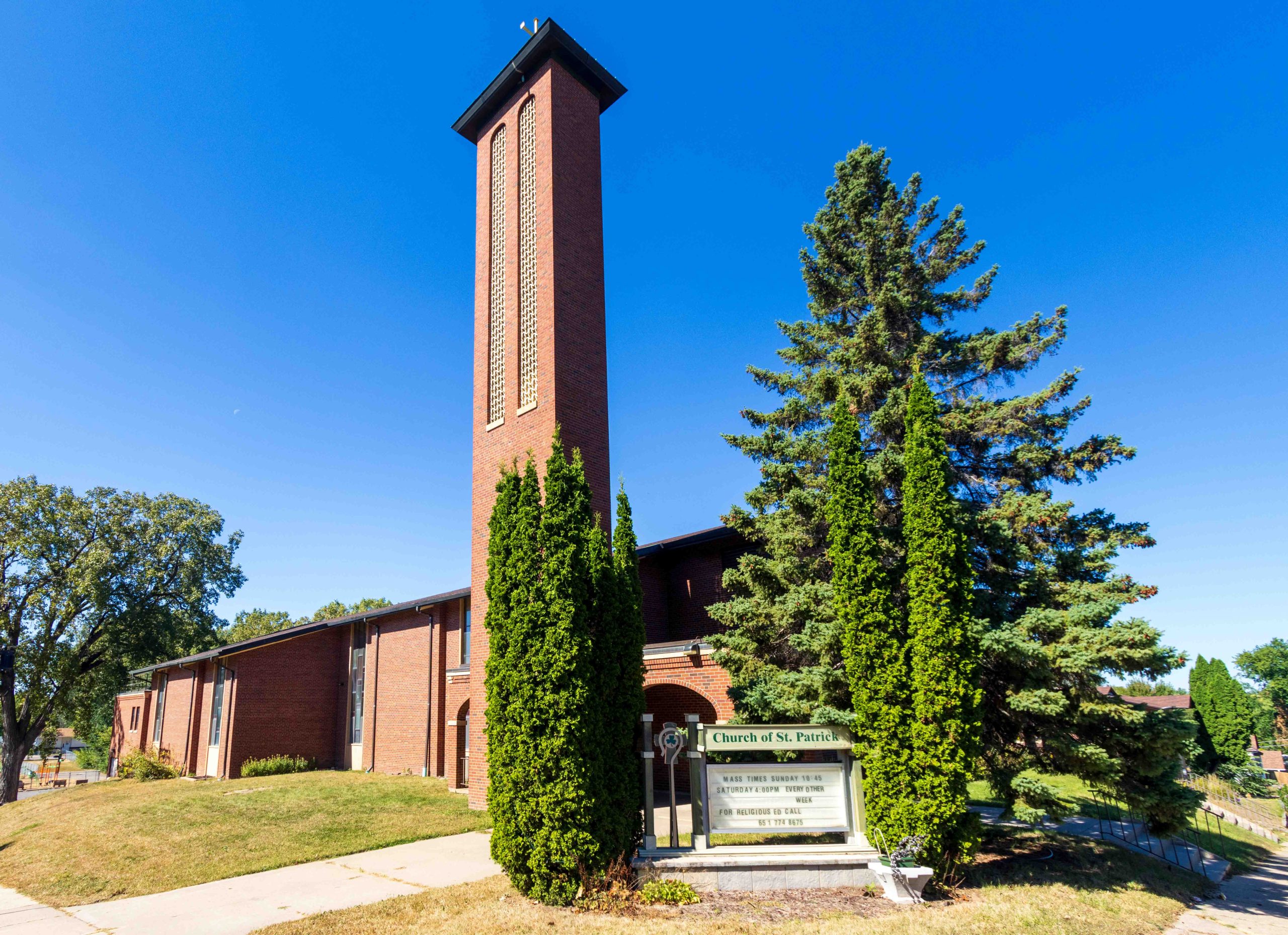
CPA purchased the building, originally opened in 1938 as a combined church and school for St. Patrick’s of St. Paul Catholic Church, in 1995. The baby boom led to a doubling of the size of the school/church building in 1952. Twelve years later, a stand-alone church opened across Desoto Street and remains open today.
Shrinking enrollment in Catholic schools led the Archdiocese to shutter the St. Patrick’s, St. Casmir’s and Sacred Heart schools in 1992. The resulting merged Trinity Catholic School opened in the former Sacred Heart school building on Dayton’s Bluff.
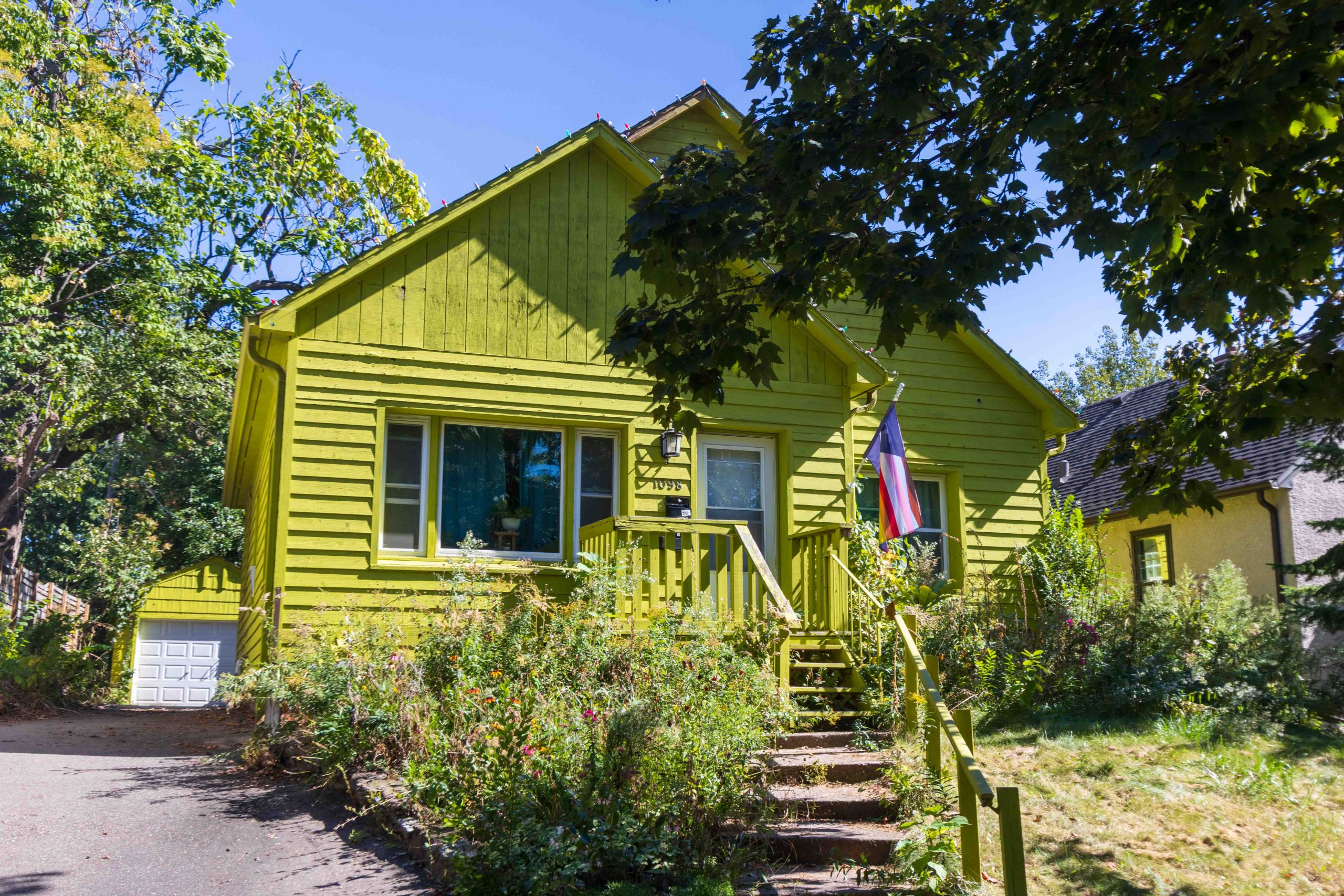
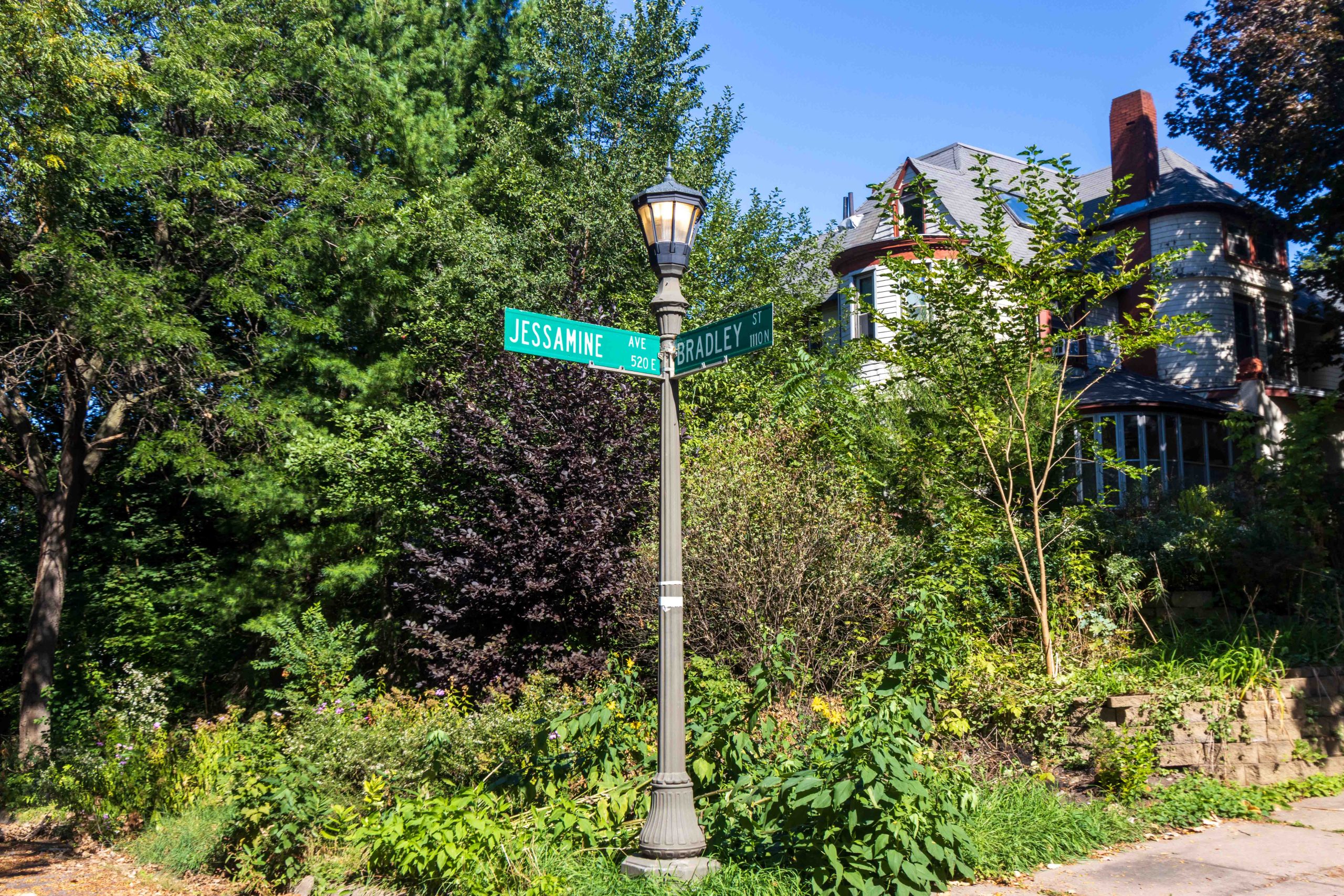
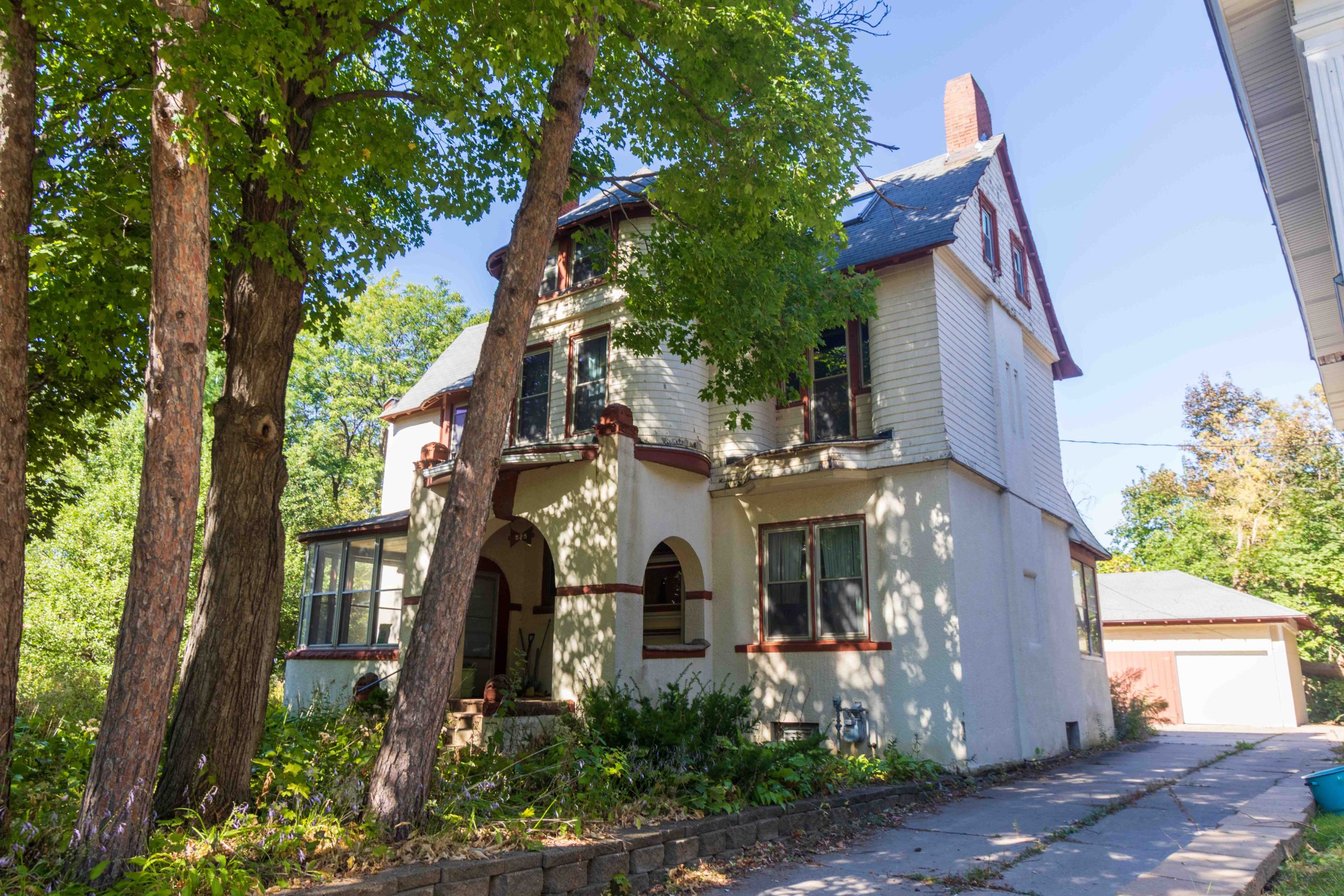
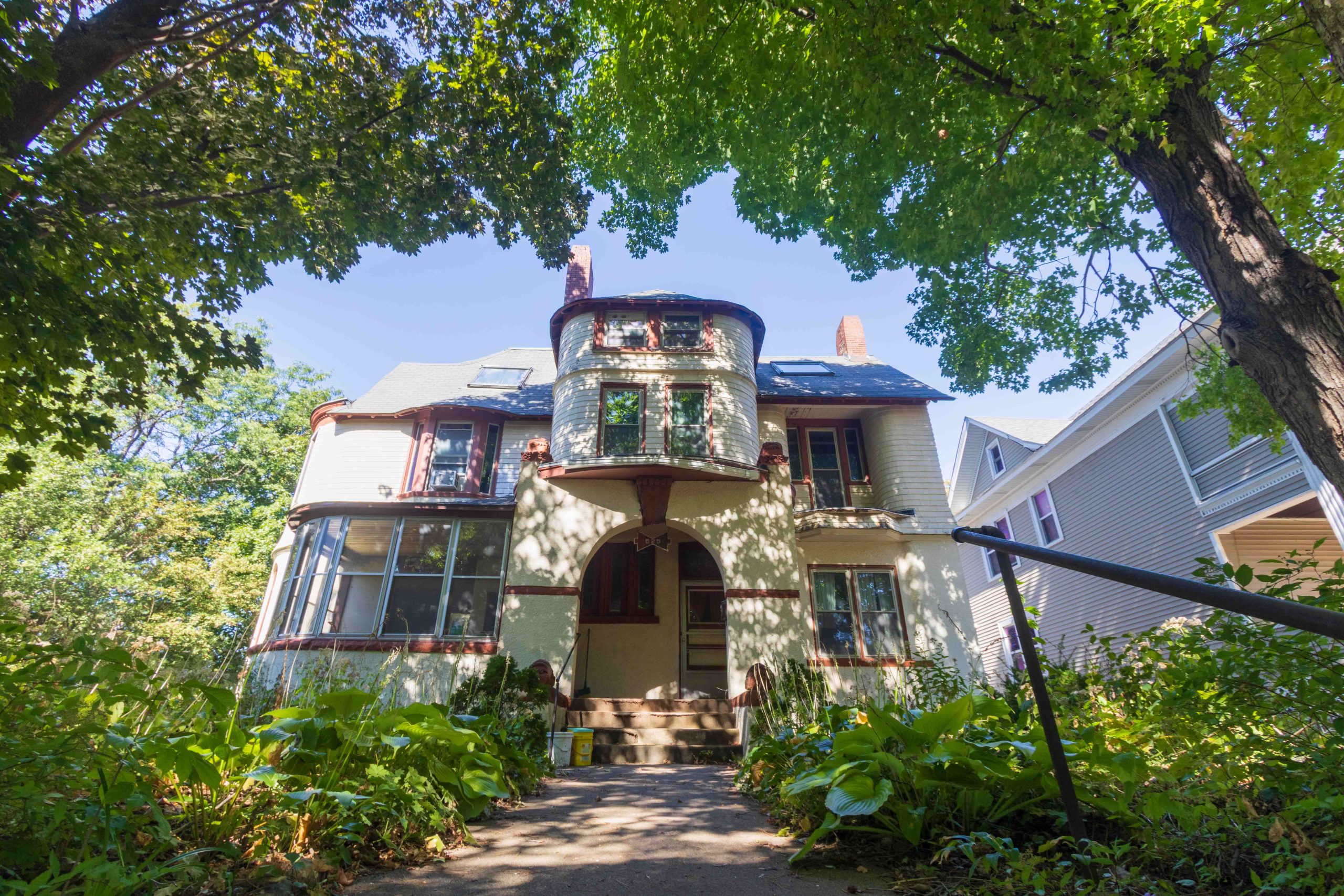
Just around the corner of Bradley and Jessamine is a distinctive whitish stucco and clapboard home. It was built in 1888 for a St. Paul dentist, according to the Fall 2004 Ramsey County History Magazine.
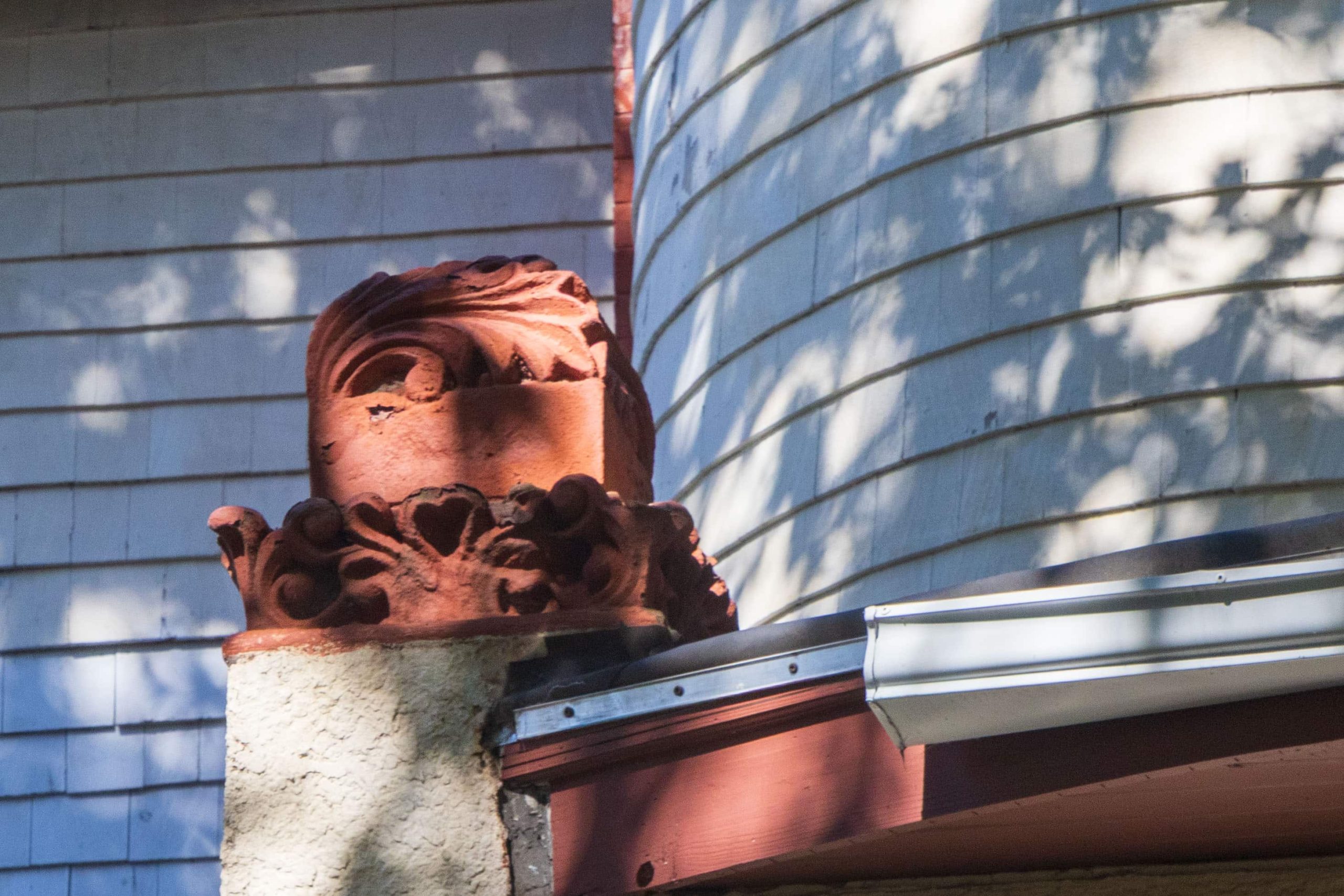
Several distinctive elements combine to create a novel and engrossing design.
Old Gas Stations at Payne and Geranium
A pair of now-closed gas stations populate two of the four corners of the Payne Avenue-Geranium Street intersection. On the northeast corner, it’s the abandoned SuperAmerica station, windows covered with plywood and the lot blocked by cyclone fencing.
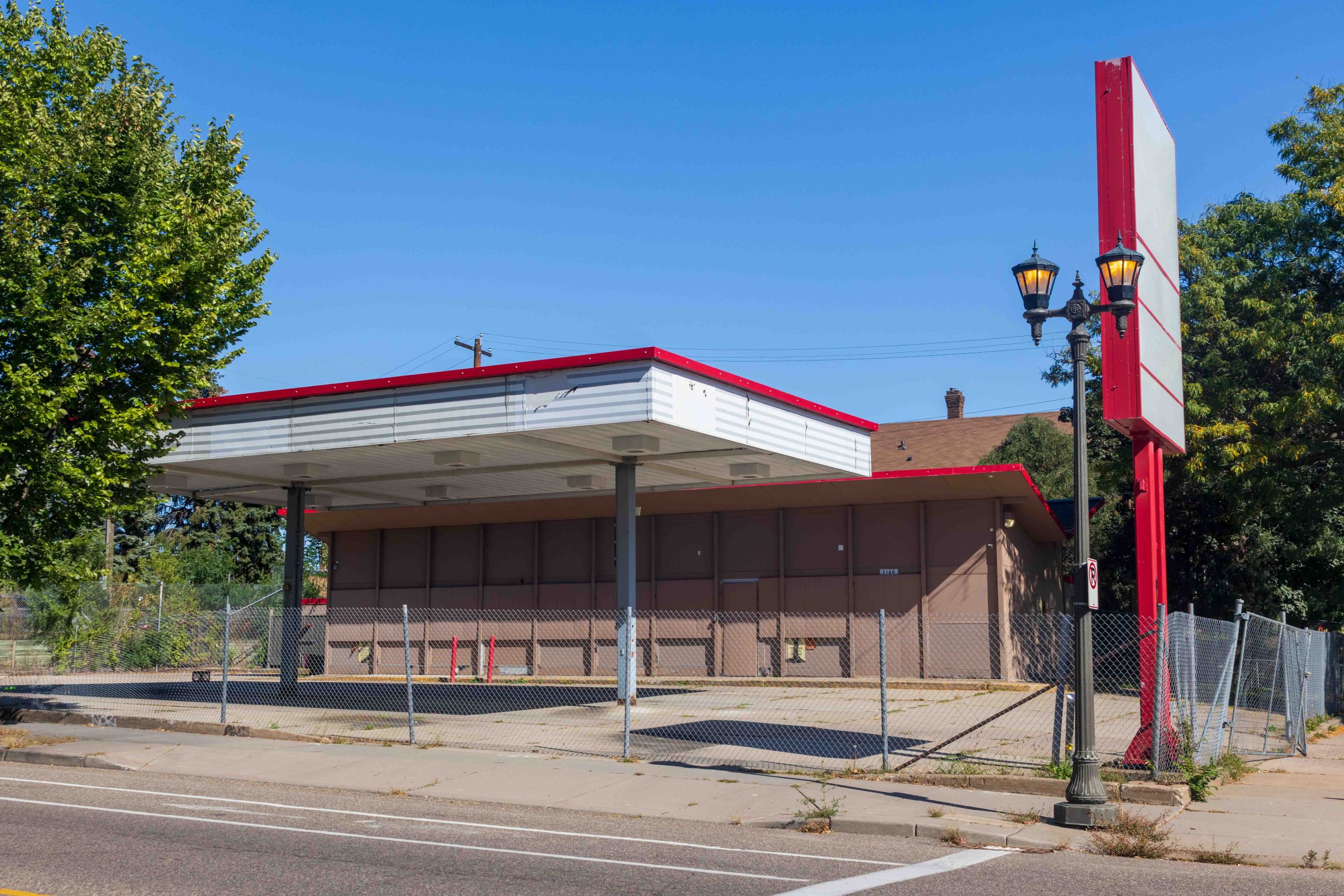
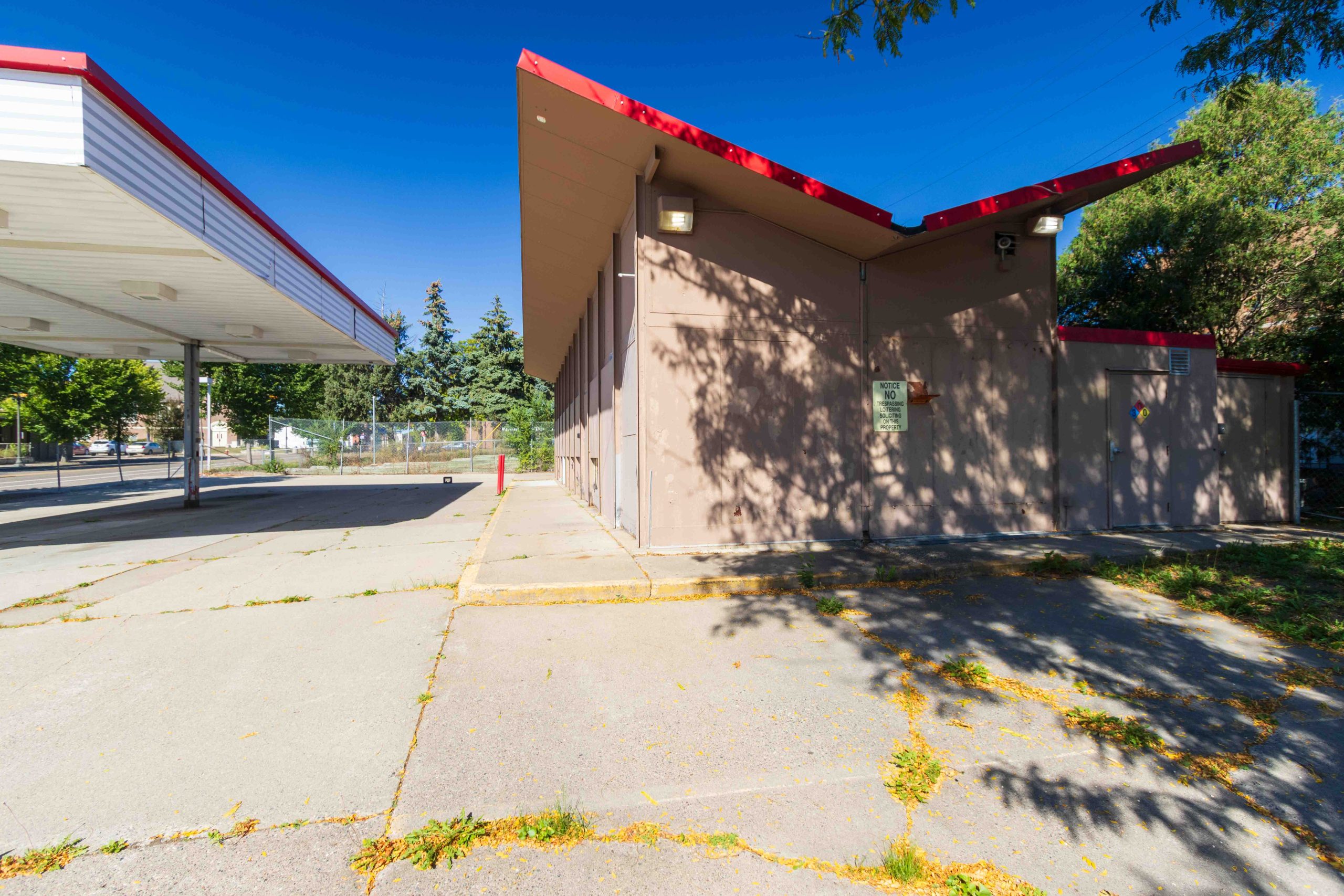
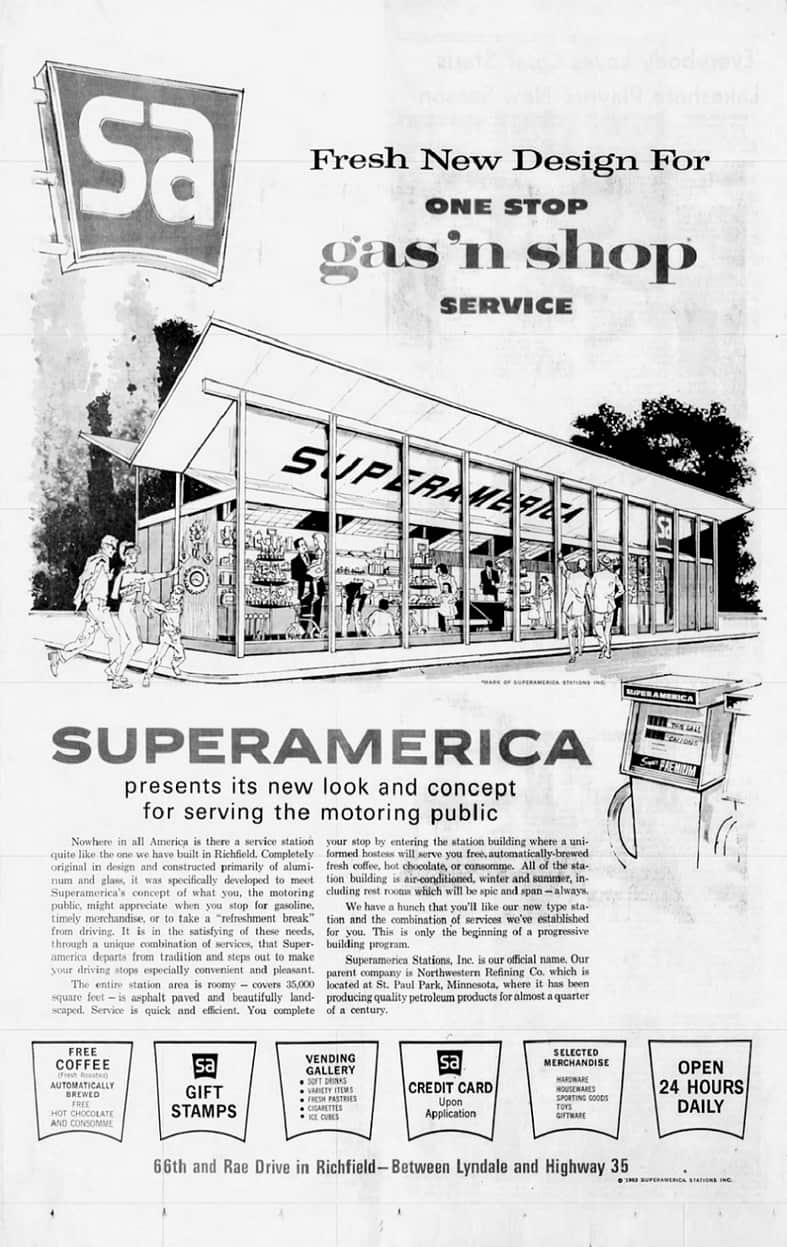
The old SA at 1146 Payne looks to be a rare remaining example of the architecture of the firm’s 1960’s stores. The Ramsey County website indicates the store was built in 1966.
The real treasure is the Mission/Spanish Colonial Revival structure, still bearing signs for Wilbur’s Auto Service, on the south side of Geranium. Constructed in 1925, the one-time Skelly gas station remains in excellent shape with the bulk of its nearly century-old adornments virtually unblemished.
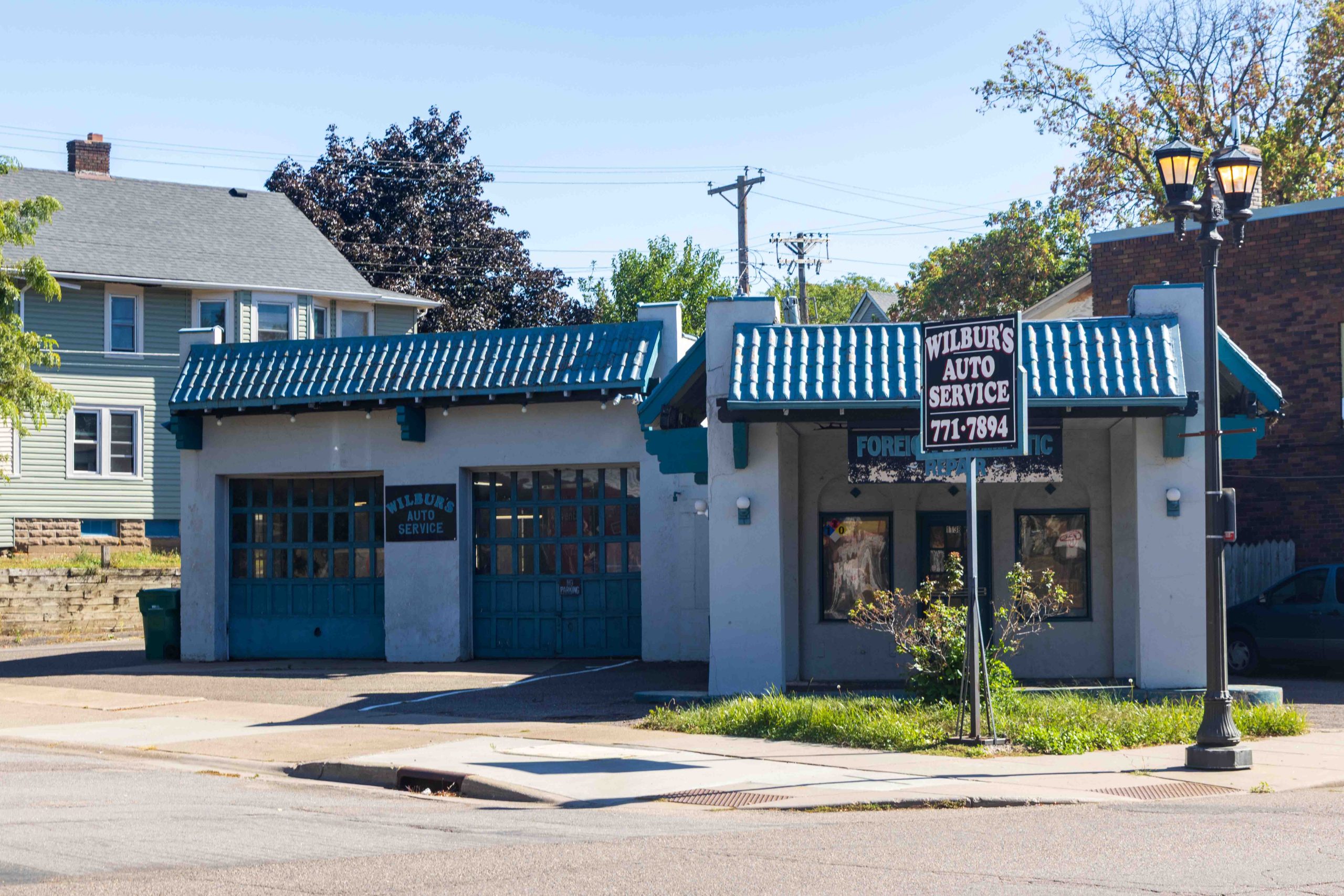
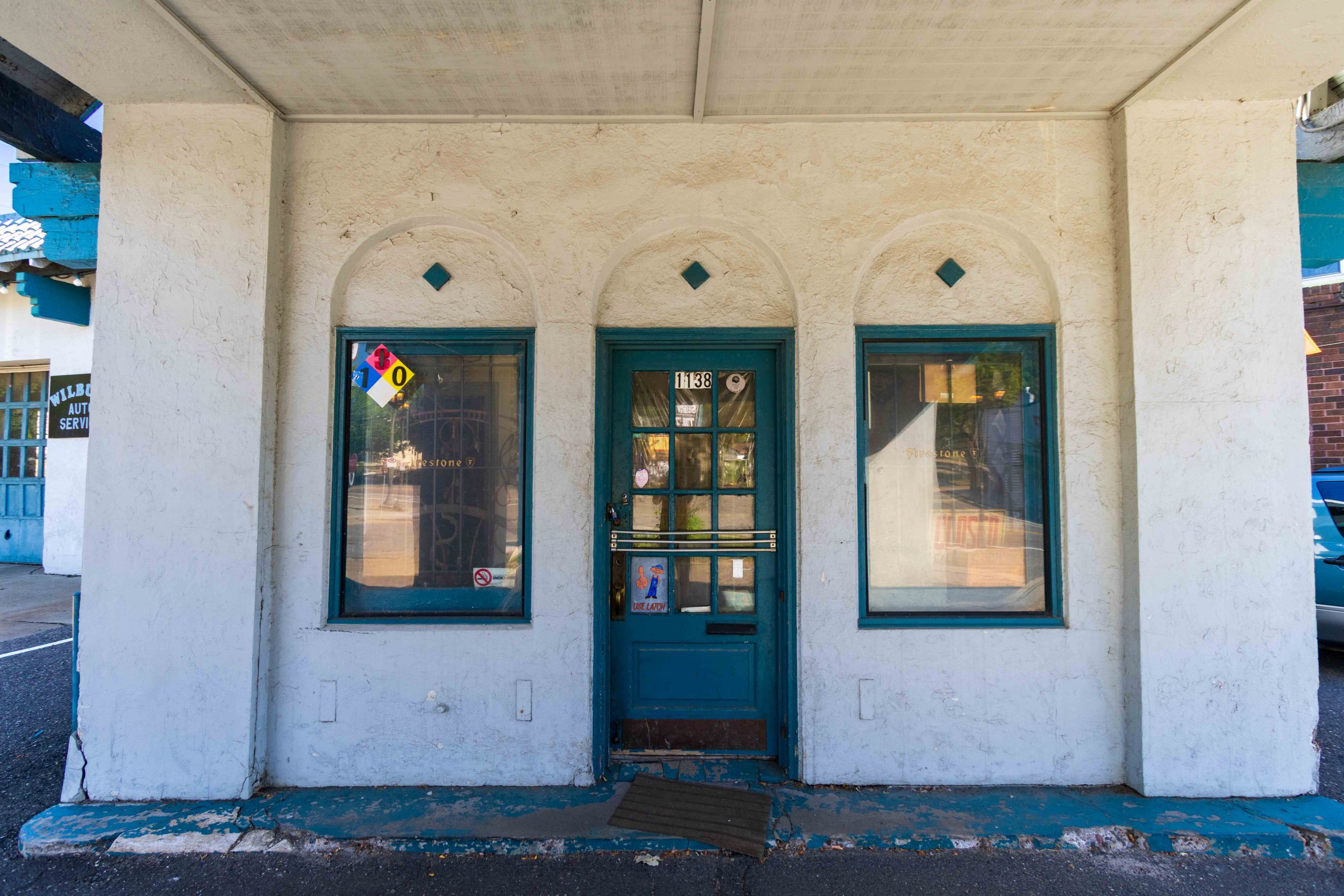
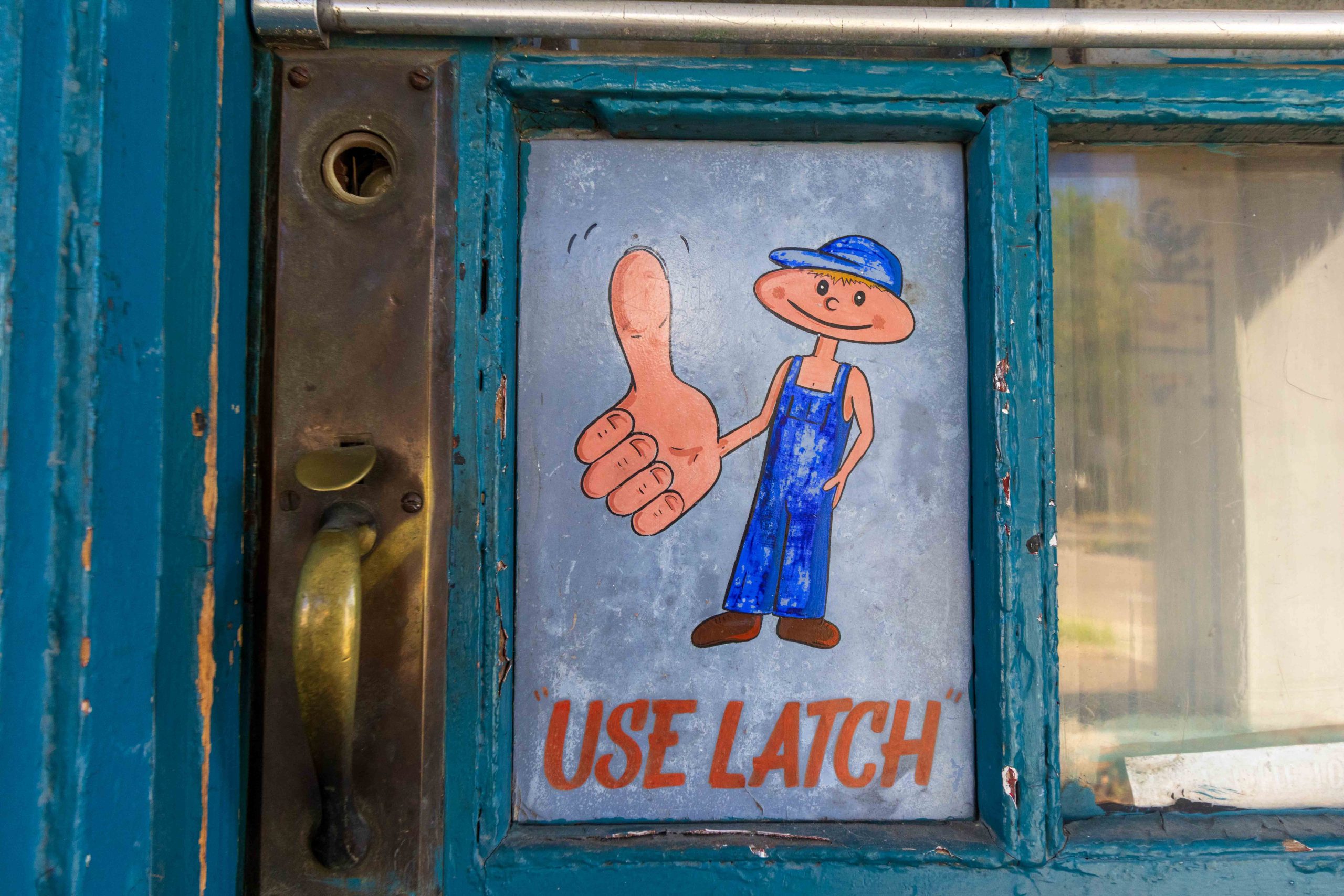
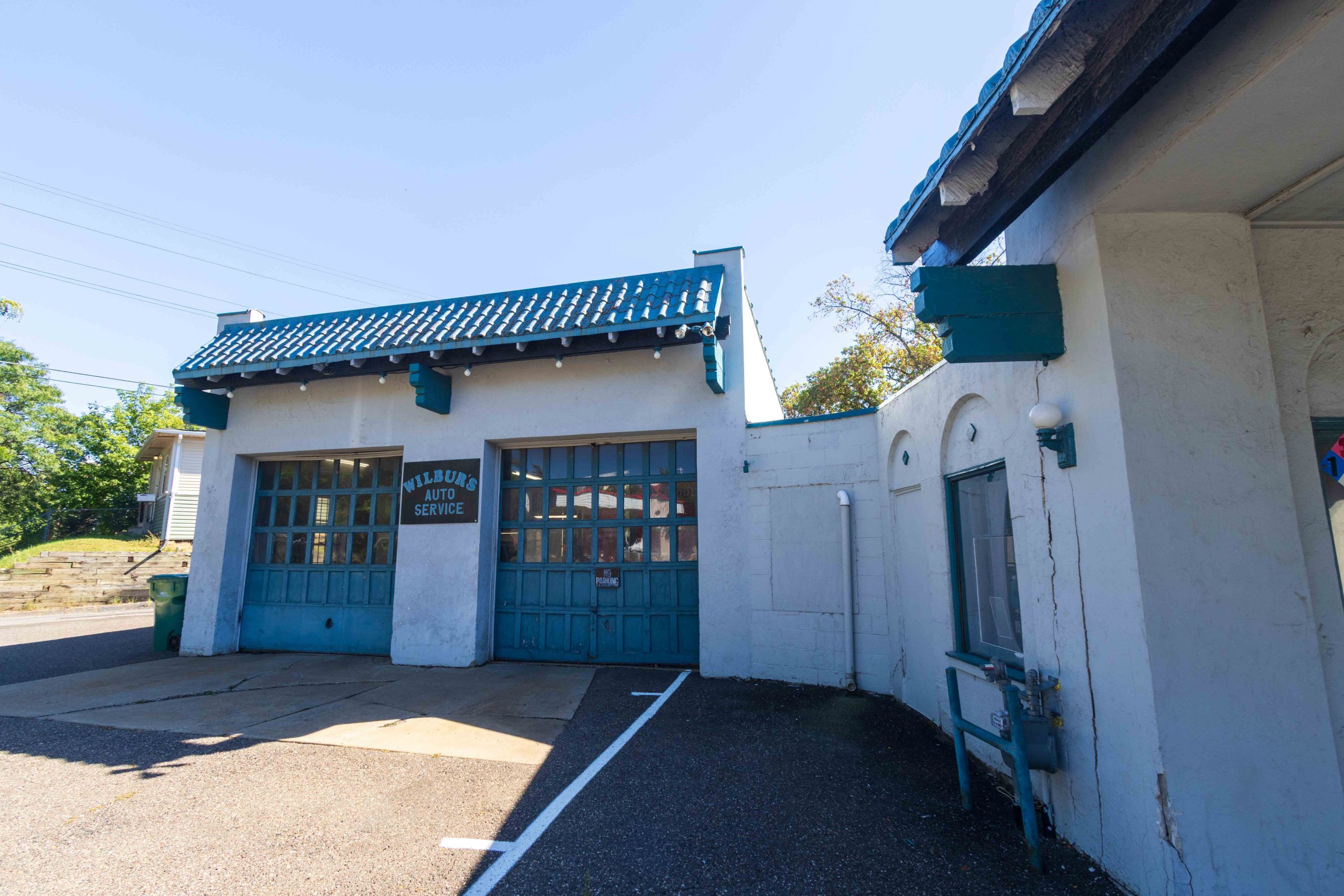
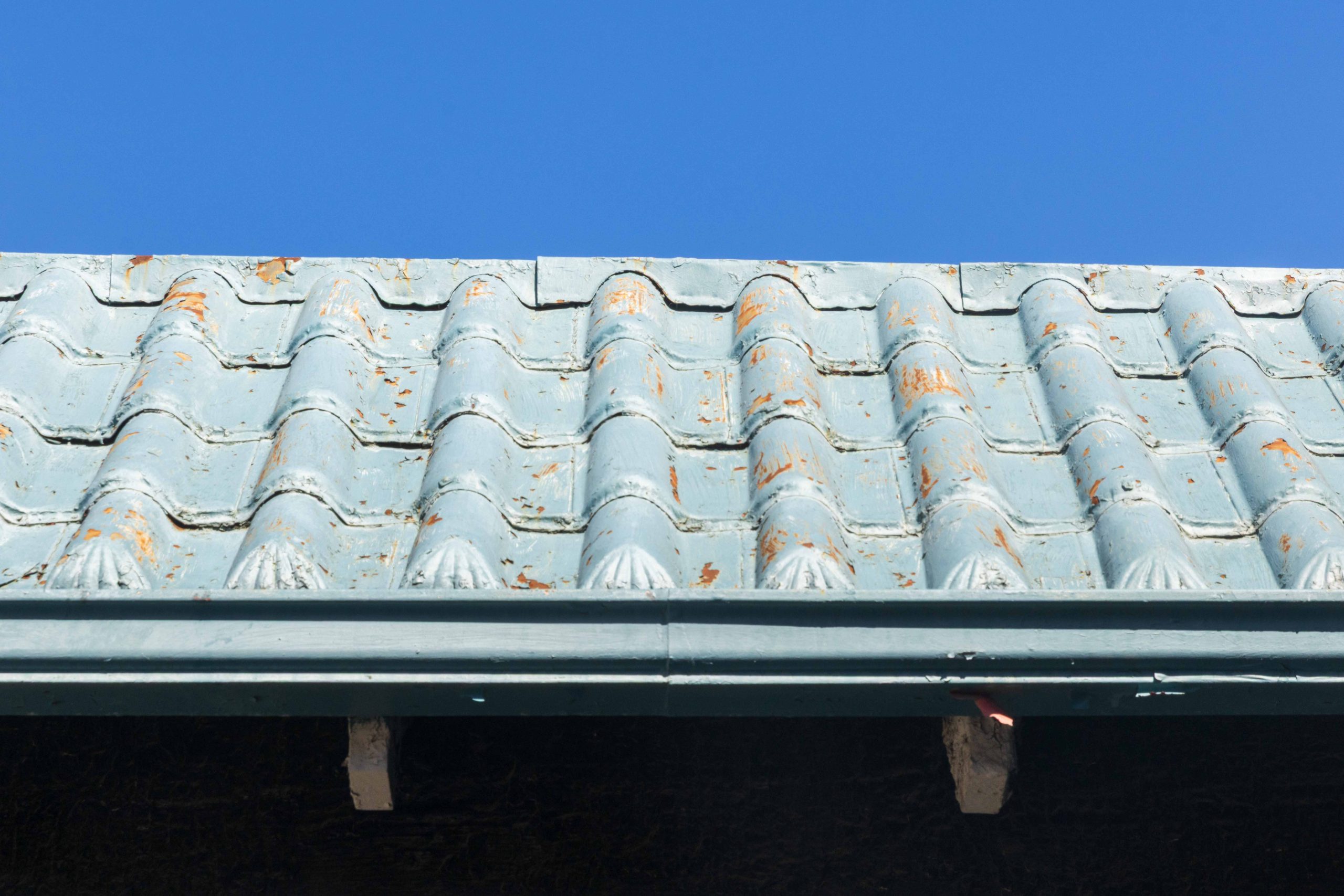
This spectacular building would make an excellent restaurant, coffee shop, store or auto repair business, as long as its architectural integrity remains.
A Connection to the James J. Hill House?
Around the corner and about halfway into the 650 block of Geranium Avenue is a distinguished bungalow constructed primarily of red stone and brick. The one and one-half story home at 671 East Geranium has been Janet’s (and later her family’s) residence since about 1980. “(I) just lived in the neighborhood, walked by. It always had hummingbirds in the front bushes here and so I just bought it.”
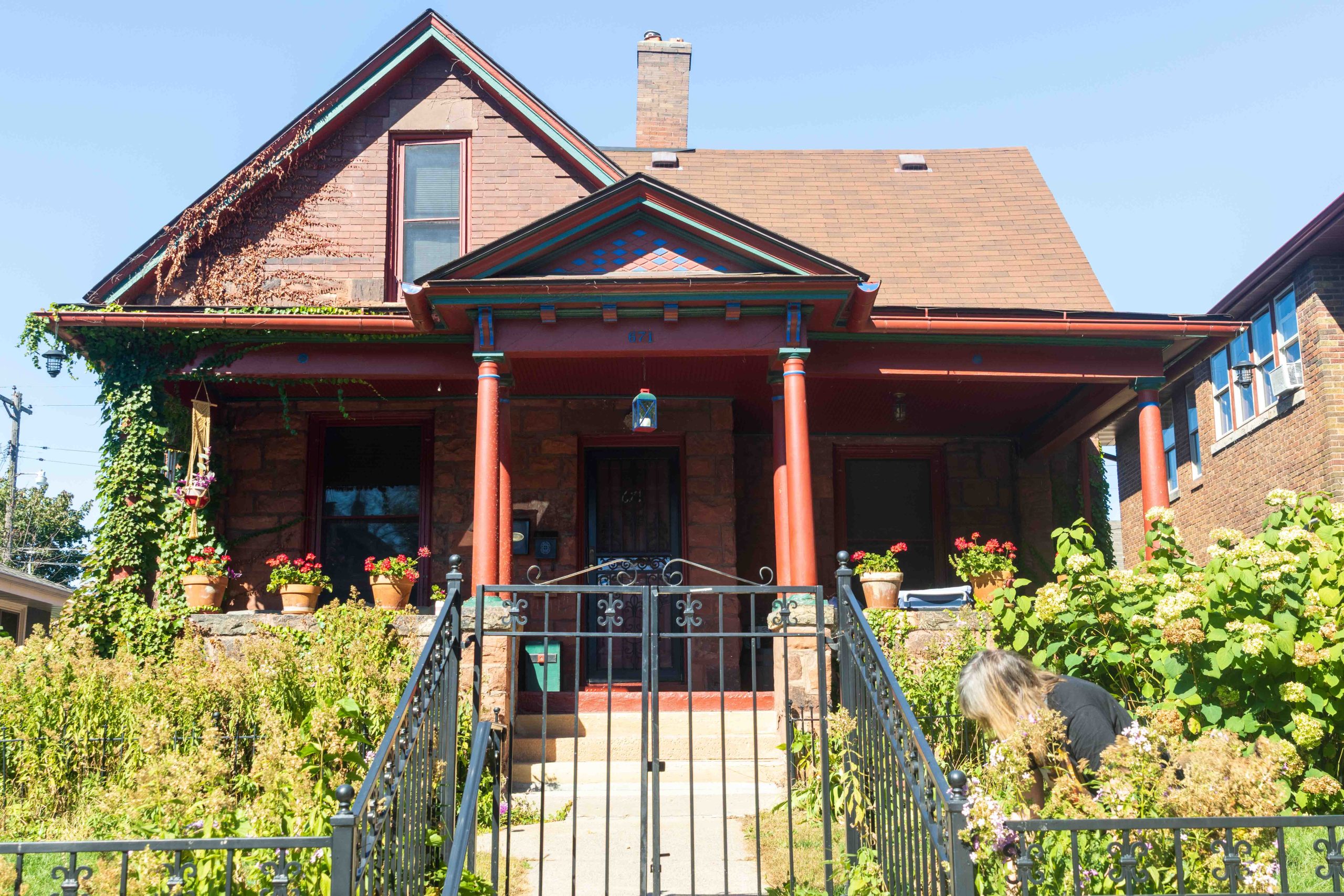
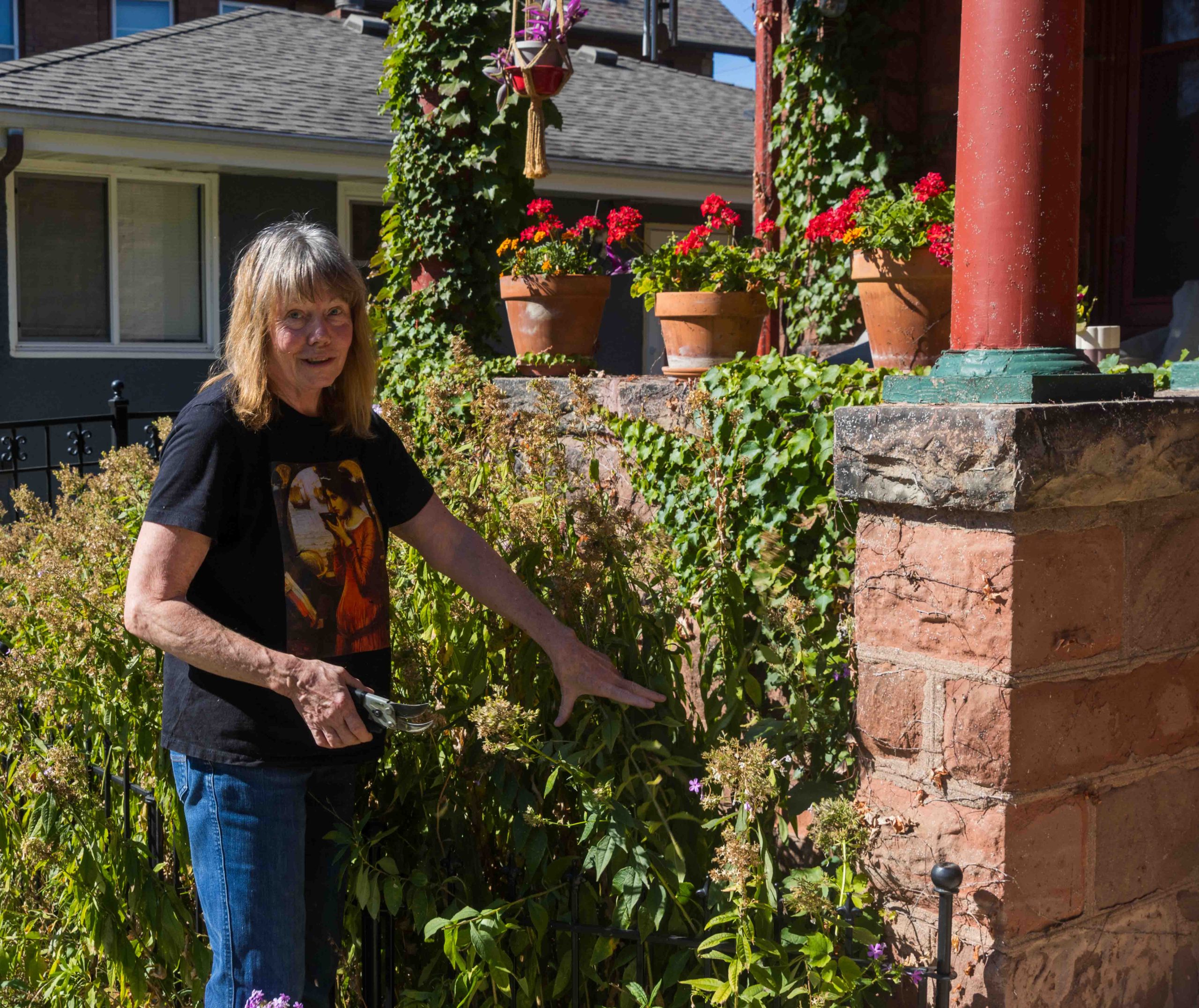
According to Janet, 671 Geranium dates to 1892. “ It was built by a man named Erick Anderson, and he built that house and two other houses here. He worked on the Hill Mansion.”
Erick Anderson, said Janet, was a stone mason. That explains the prolific use of red sandstone blocks for the exterior of 671 Geranium.
Janet cited the stones on her home as additional evidence of Anderson’s work on Hill’s home. “Some of these stones might be scraps from the Hill Mansion. They have marks on them that obviously weren’t good enough for Mr. Hill, but good enough for Erick Anderson.”
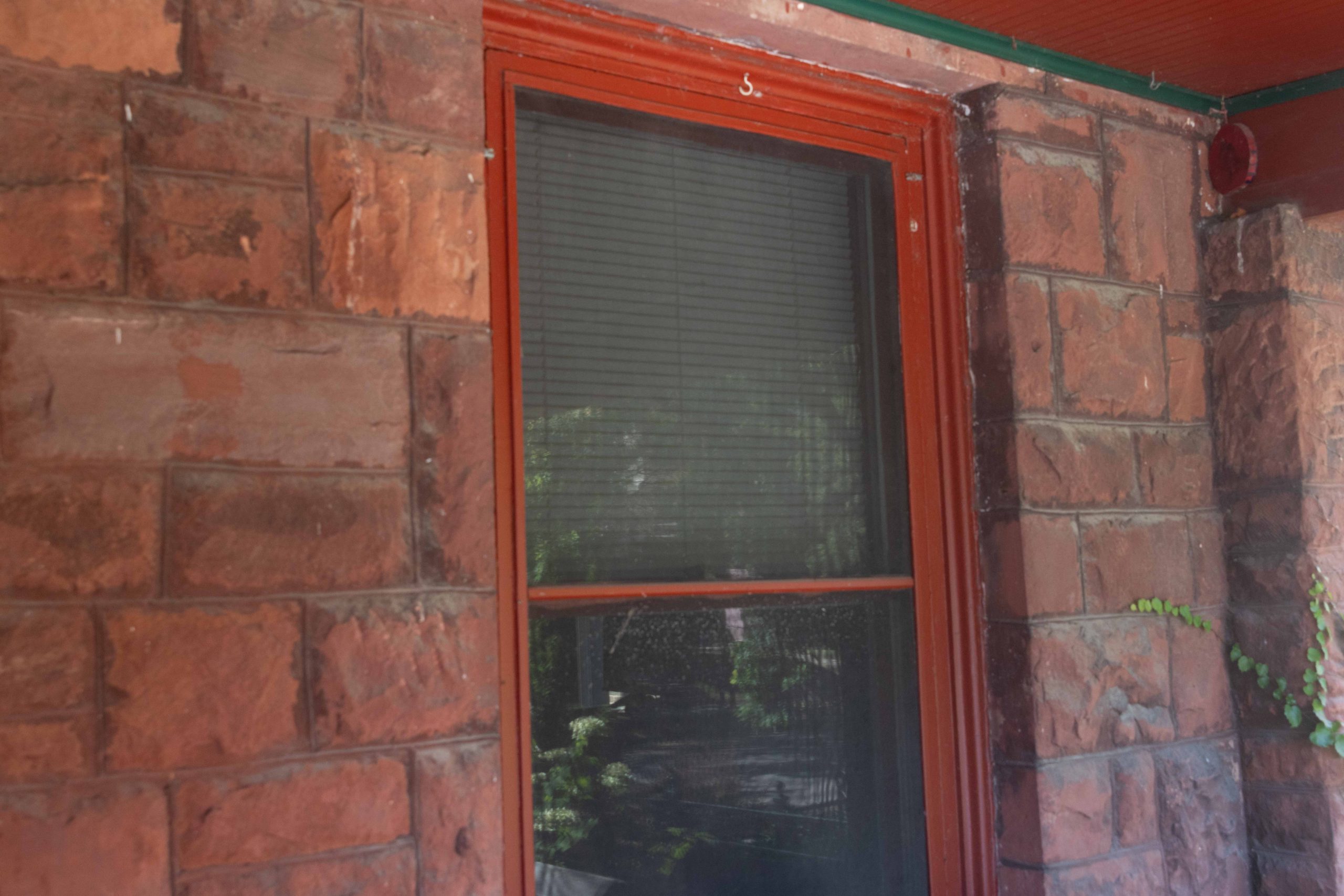
Although I was unable to find any record of Anderson’s employment as a stone mason on the Hill House at the Minnesota Historical Society library, it is quite plausible that he was. A review of several dozen documents related to the construction of the mansion named only a few of the artisans and laborers who were employed.
According to Janet, Erick Anderson constructed two other homes, 665 and 675 on Geranium.
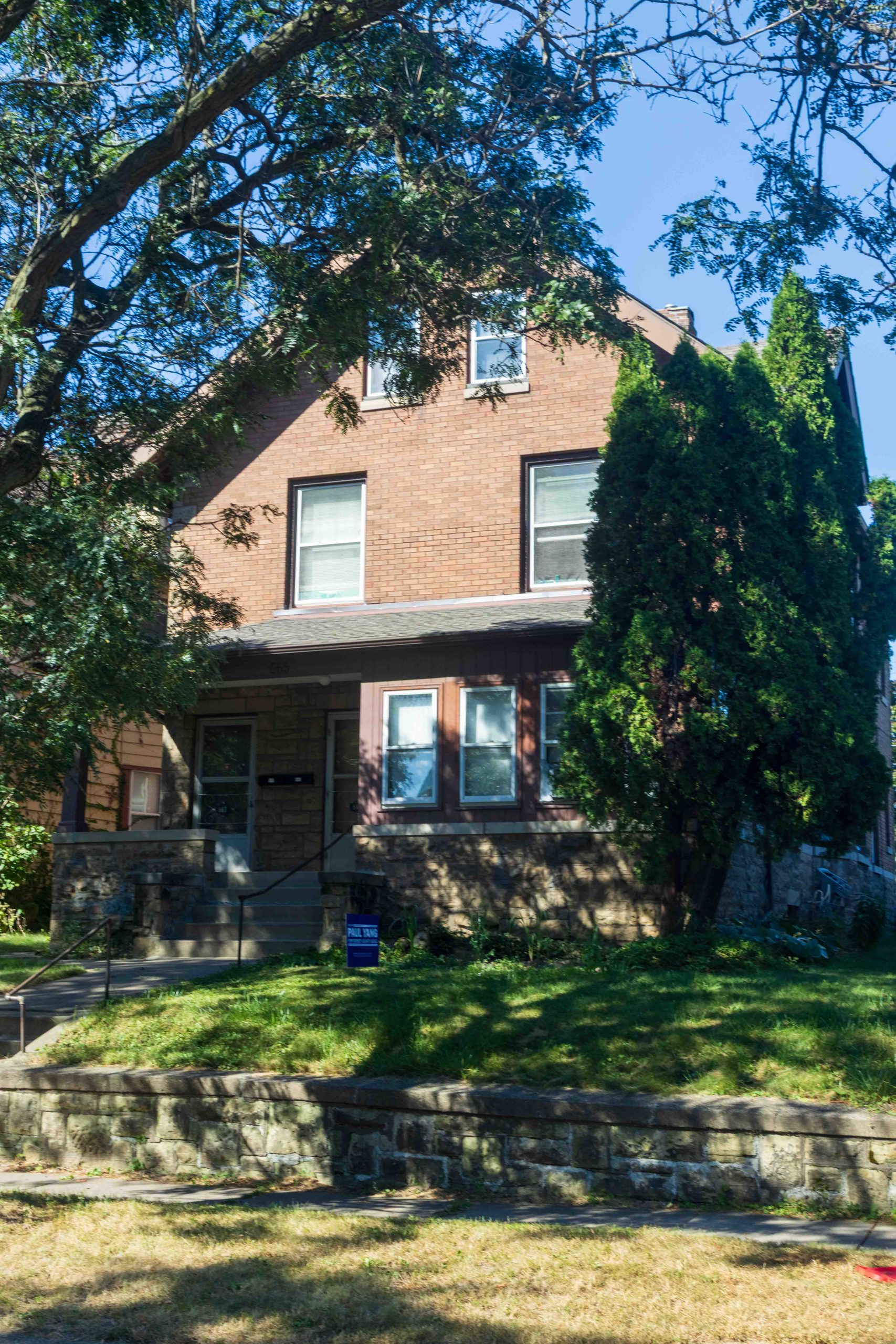
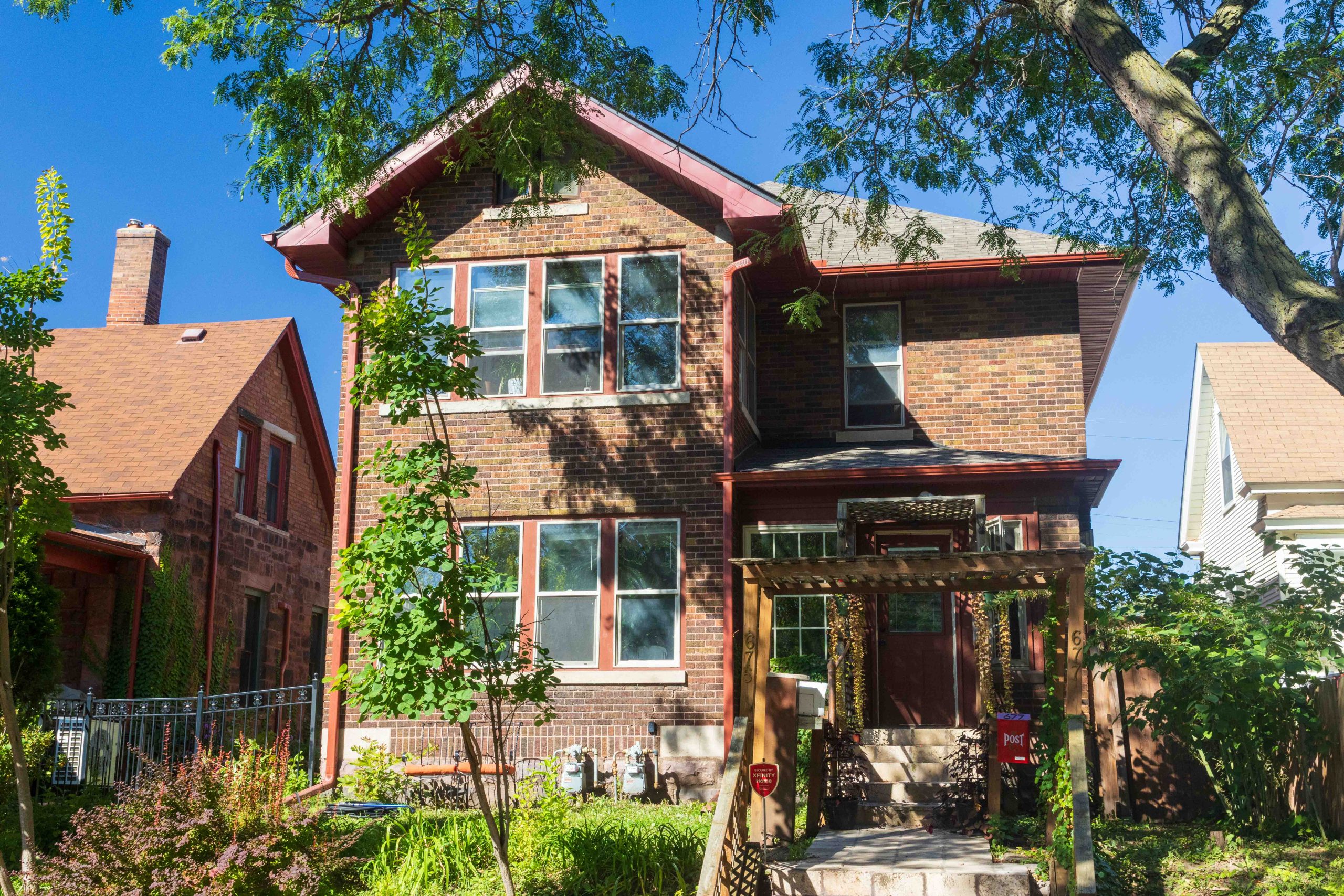
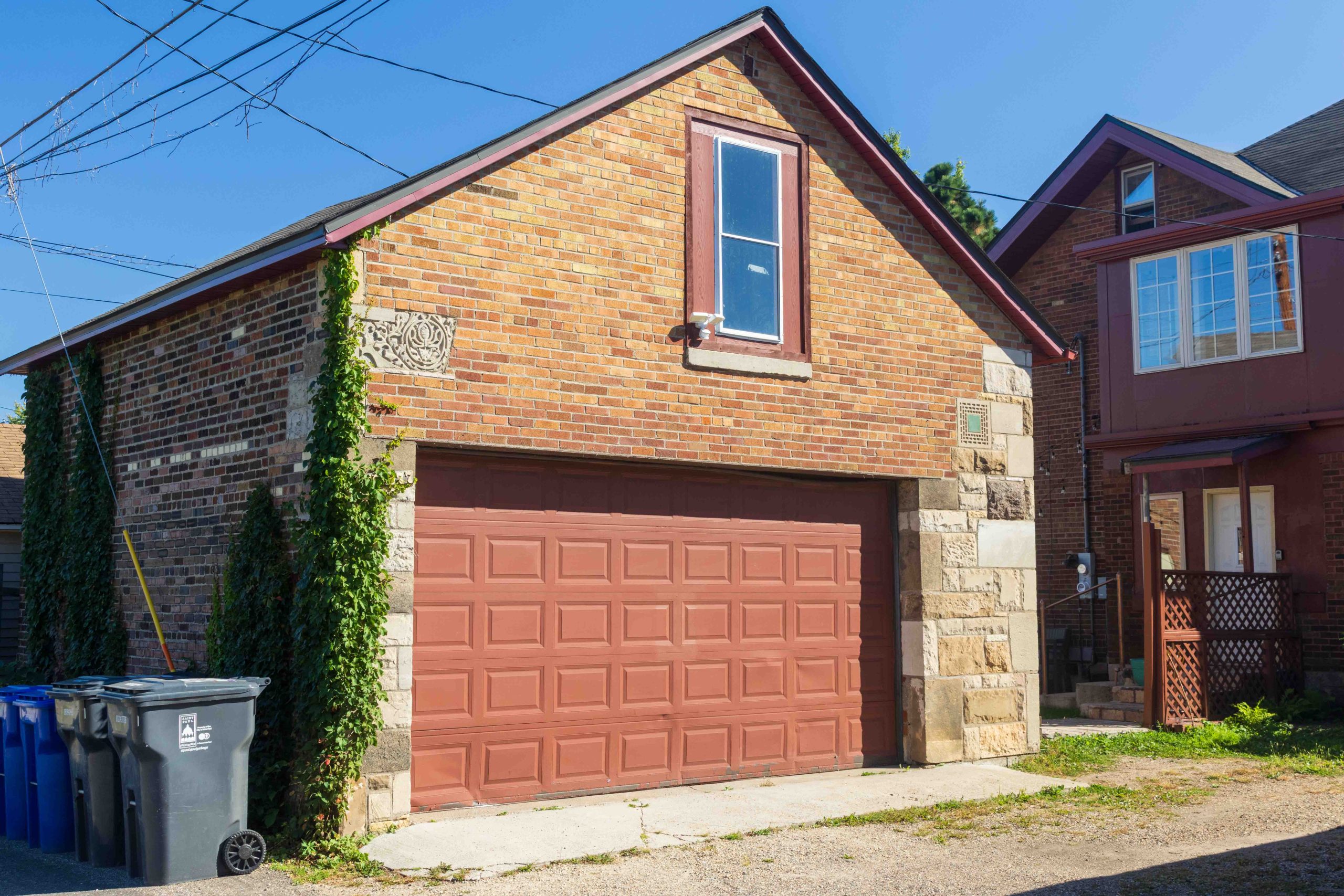
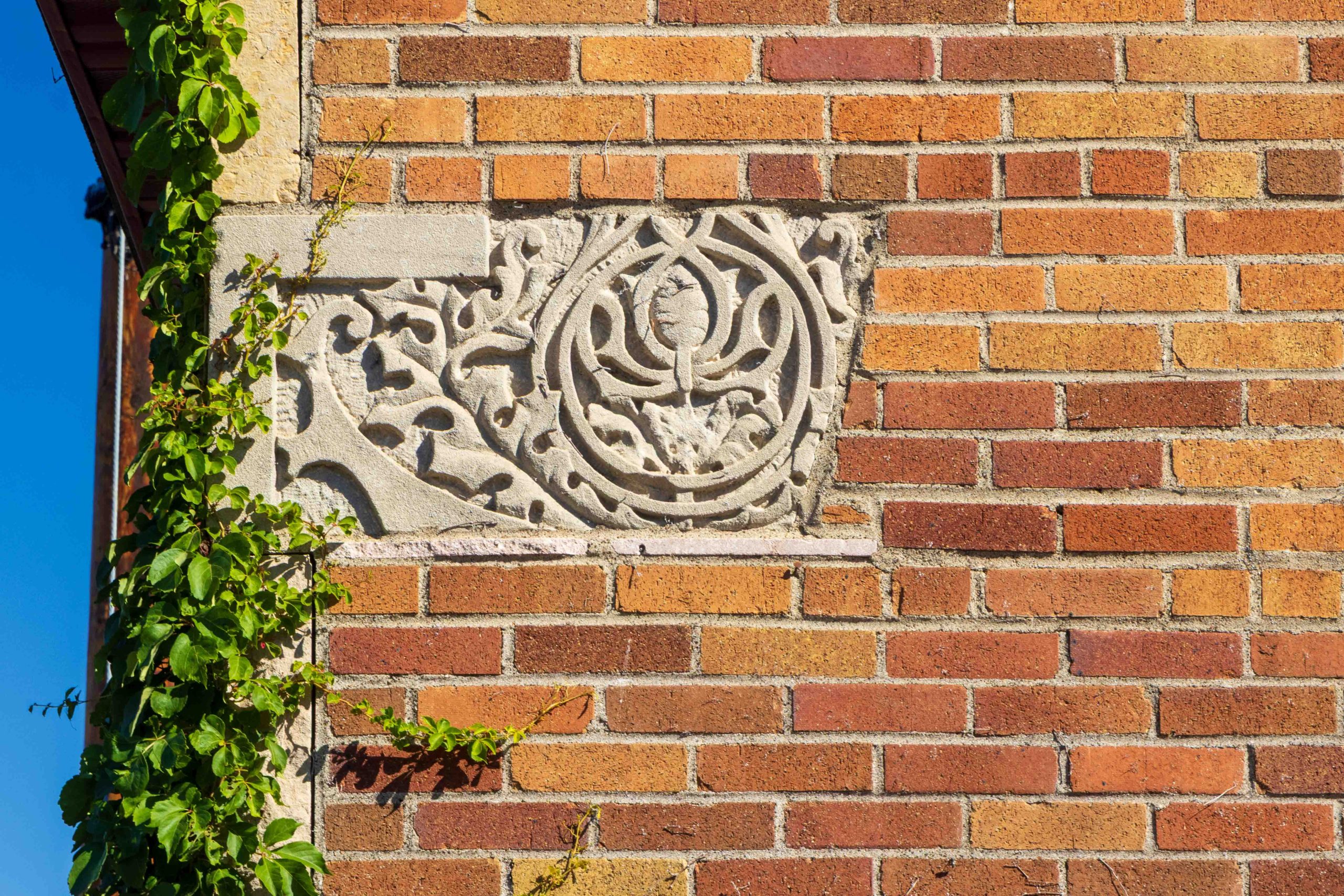
Janet is just the third owner of the house in more than 125 years. She gave no indication she’s considering moving. “The family finds great security in it; being here, and we have different family move in, move out. It’s just kind of the home base for everyone.”
Speaking of home base, after taking additional pictures around the 650 block of Geranium it was time for me to return to mine to review the day’s adventure.
Editor’s note: This article appeared in Wolfie Browender’s blog, “Saint Paul By Bike: Every Block of Every Street,” on June 9, 2025. All photos are by the author unless otherwise noted.