We all know that it’s better for the earth to forego driving (or drive less). It’s vastly safer to have fewer cars on the road (cars being one of the main causes of death in our country). But in order to actually make significant changes in our lives and learn how to live in a values-aligned way, we need to have a personal stake in the matter.
I will introduce two selfish reasons to give up your car or drive less: quality of time spent and cost of living. They both come down, more or less, to refusing to step onto the capitalist escalator that leads toward more and more unsustainable, breakneck busyness.

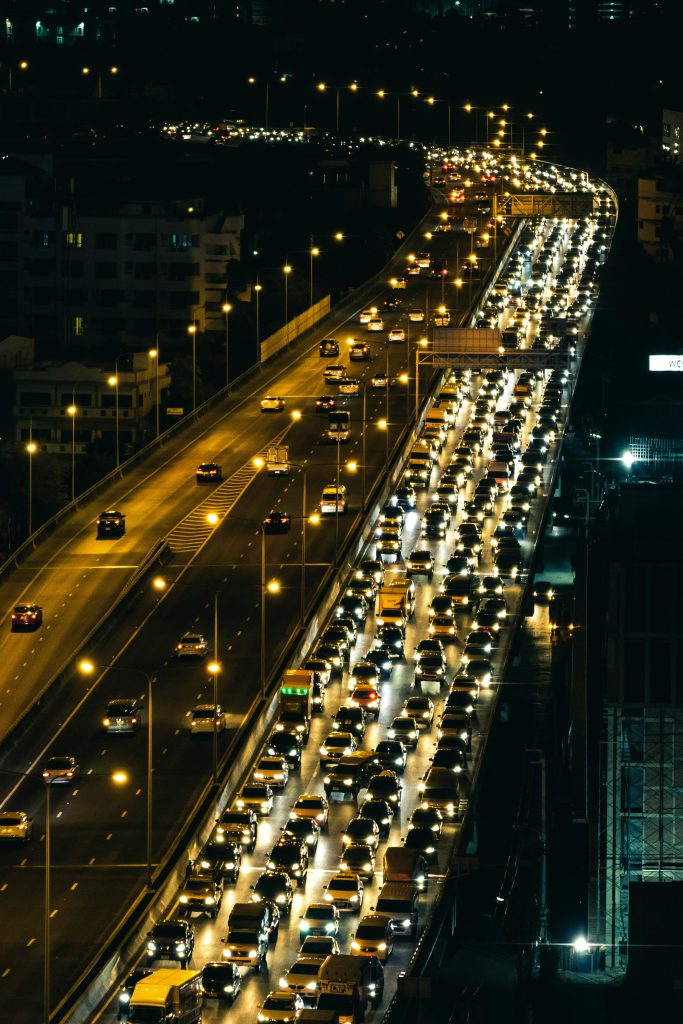
Have you ever noticed how stressful cars are? They break, cost a ton of money, kill people, create pollution, make a lot of noise, need to be parked, get stolen, and force you to fume in stalled traffic. Even though most Americans swear that cars are a convenience, they lead to a more stressful lifestyle. The faster you can get around…the more you need to get around. When you use a car for your main source of transportation, you’ll whiz around from suburb to suburb, from appointment to appointment; you may find that you are always on the go, that you keep adding things to your life that don’t actually fit.
Relying on other modes of transport — biking, transit and walking — will relax the tight sphincter of your horrible, unrealistically stuffed schedule and, due to inviolable laws of physics, force you to be less busy.
Timeliness Is Next to Aliveness
I am an overscheduled aging Millennial living in a crumbling empire, rushing like an excitable chicken from hangout to protest to event. I shudder at what I would be like if I drove a car to get around; my schedule would metastasize even more to become a grotesque impassable block of busy.
Luckily, I came of age as a young adult both in the United States and abroad (in Italy, Uganda, Laos, and China) without a car, relying on public transit, bicycling, carpooling and walking to where I needed to go. As a result, my young forming neurons evolved to conceive of transport as something that usually involves a lot of time, patience and often my own body to accomplish (like humans have accepted since time immemorial). I have arranged my current lifestyle accordingly: living in a central urban neighborhood on major bus lines and bike routes, within four miles of my job; living within five miles of my closest friends; making frequent use of my Metro Go-to Card and three bikes (my daily bike, my winter bike and a crusty single speed that I’m less worried about locking up outside) to facilitate my comings and goings. My friends and family know by now that I’m unlikely to go to many events in the suburbs where there are fewer bus or bike routes; this doesn’t feel like much of a sacrifice to me. I prefer having a small orbit and being a very local lad about town. Nearly everything I do is within a five-mile radius, a distance that I can easily bike, bus or even walk.
“Getting around by biking, busing or walking helps me honor my capacity, my physical limits.”
I’m still way too busy, but my life would be qualitatively different and, I believe, quite unmanageable if I were zooming around town in a car. I have to plan for missed or late buses, biking slowly into the wind or just walking to get to where I want to go. I can’t and don’t schedule things back-to-back, and I automatically add 30 minutes to an hour cushion on either end of any obligation, depending on where it is. Due to this practice, I often end up arriving early and getting some relaxing time to sit down, walk around or read. I’m rarely late; my friends who rely on cars, on the other hand, often are. Biking, busing or walking have become part of my day and life, rather than a squeezed 15-minute race to get somewhere. In other words, this time spent moving isn’t dead space or a means to an end; it’s alive.
Getting around in this way also helps me honor my capacity, my physical limits. I can only go so many places every day; if I have already bicycled eight miles to Uptown from St. Paul, I’m pretty unlikely to then turn around and bike to Roseville. If an event is more than eight miles away, a distance that feels long to me (especially during winter), I am much less likely to go, and thus have more free time to make art or rest. I do so much less because transport isn’t this kind of magical act where I sit in a box, push on a gas lever, and then zoom away.
As isolated and protected as the experience may seem, arriving at our destinations as if by pure magical happenstance, we aren’t protected from death or injury when in our boxes — and when we are more protected in a huge pickup or SUV, it’s at the expense of others’ safety. Actually, I’d argue that getting around by your wits, your legs, your ability to plan and your bus card involves a lot more magic or, as I said above, aliveness:
- The magic of unexpected encounters.
- The beauty of thinking or reading time as a bus driver takes care of the rest.
- The wind in your hair as you fly down hills on your favorite bike.
- The rambling, reflective nature of walking or rolling long distances.
You get more familiar with neighborhoods, murals and what streetlife we have here in Minnesota, and you gain a finger on the pulse of how people are doing out there in the midst of human life. Are encampments getting razed? Are more people houseless? Are police on every street corner in this neighborhood for some reason? When we zoom around in our weird metal boxes, we aren’t connected to others; in fact, being behind windshields can make people less empathetic toward other drivers, pedestrians, animals and cyclists.
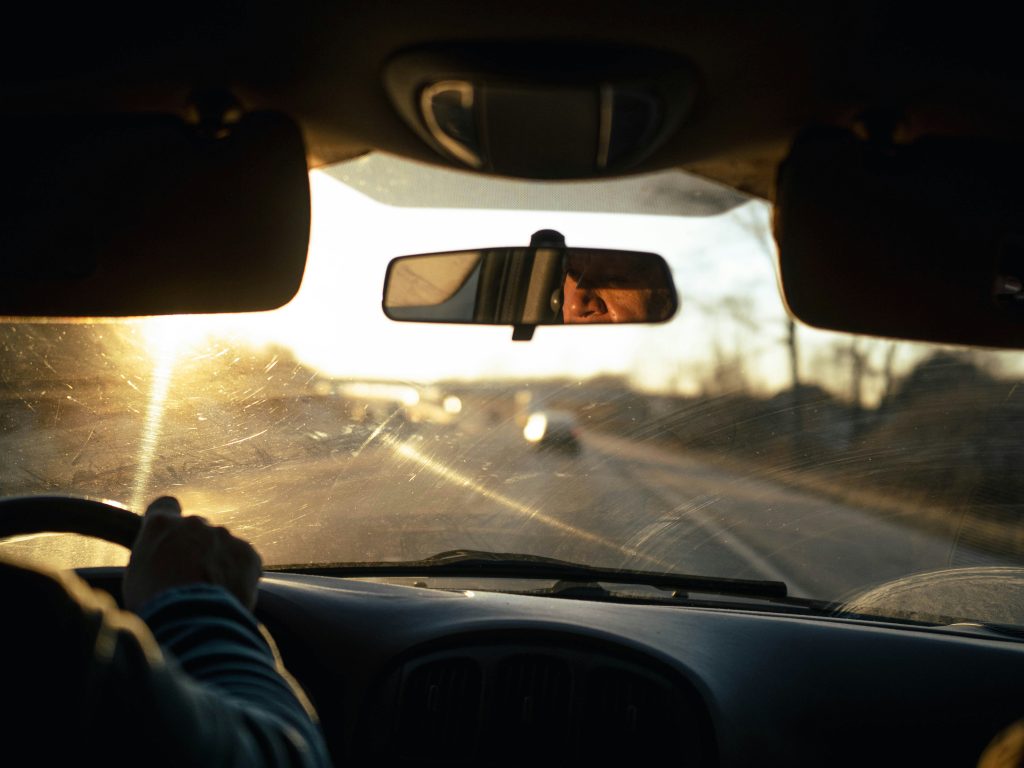
Road rage happens not because we are bad people, but because we are driving a car on infrastructure designed to make us mad! On the other hand, when we are just another animal bumbling around town, we get the opportunity to be responsive and helpful (something our species really likes doing) and assist if needed, whether that’s documenting an Immigration and Customs Enforcement (ICE) raid, helping a little kid after a fall on their bike, or offering someone directions. It makes us more a part of our community.
Being part of a community requires a less squished schedule, requires having relaxed, cushiony time to look around, take in our surroundings and respond. It requires being physically in a space, being of a space. Getting around as a zoomy guy behind a windshield separates us, accelerates the already unsustainable speed with which we tear through life.
It’s about community, but it’s also just about our own wellbeing. It’s ridiculous all the stuff that we do! At 38, I’ve found that after 30, we are mostly just tired hominids with weird back and knee problems and stressed nervous systems, and we do best when we have plenty of spontaneity, unstructured time, long meals with friends, and opportunities to make art, cook meals, and build community. Our bodies long for lots of gentle movement and to stretch, stretch, stretch beyond the confines of any boxes we shove ourselves into.
I’d probably have no free time at all if I had a car! By refusing the car life, I force my own hand toward embracing my humanness, that I am just one lil’ guy who sometimes bumbles around town, trying to do things that feel meaningful, and sometimes calls it all off and stays home. I’m just one little guy among a bunch of other little guys, many of whom don’t have the privilege of even considering vehicle ownership and who also get around creatively. We are all just out here together, none of us more special or important than anyone else.
The Costs of Living (Are Higher With a Car)
Relying on biking, transit, carpooling and walking will significantly reduce how much money you need, and that can relax the pressure to work as much as possible for as much money as possible for as long as possible. One massive caveat, of course, is that many jobs still require cars even if you could accomplish everything you need to do using the bus, your feet or a bike. Buying a car — maintaining it, parking it, getting it fixed, getting it gassed up — costs a lot of money. Have you ever added it all up? According to the American Automobile Association (AAA), car ownership runs upwards of $13,000 a year!
Accepting these costs into your life means working more or getting higher-paid jobs, which often include more responsibility and thus less time and energy for your actual human life. It all comes down to time. A car can more securely latch you to your employer, to your job, since, after all, it’s possible due to a certain salary (or intergenerational wealth, if you are lucky).
“You may not want or need to go to a gym if you are cycling, walking or using transit.”
If we want to regain our lives, our agency and reduce the amount of time working for someone else (or find a job that aligns with our values more but pays less or is part time), embracing a slower life without cars (or with less driving) is a great place to start. This also feeds into community well-being, as many of us will become more involved in mutual aid and community if we have more time to do so!
(Side note on personal cost-of-living: You may find that you don’t want or need to go to a gym if you are cycling, walking or using transit, since you’ll be getting lots more movement throughout your day. This gives you back time and money!)
I firmly believe that as humans, part of our well-being is tied to where we land on the spectrum between independence and interdependence. I think we feel much better if we aren’t “going it alone” and if we are involved in a bi-directional stream of generosity and solidarity. We exist outside of that stream if we mostly just jump in and out of our cars and go back and forth from work.

The benefits of not driving are both individual and communal, since we aren’t separate from our communities. More well-being and happiness for us leads to more of the same for the communities we are part of. I think we have to realize, on a bone-deep level, that there’s a lot at stake for us, and that we are worth living a gentler and more sustainable life not wholly characterized by working and zooming around town. Ditching our cars is one way to practice a prefigurative politics that positions us outside of the violence of capitalism and climate change.
Cars are a tool and enabler of capitalism. They make us zoom around too fast and feel disconnected from our bodies and communities. I have chosen a different, more meandering path, and I encourage you to try that, too.
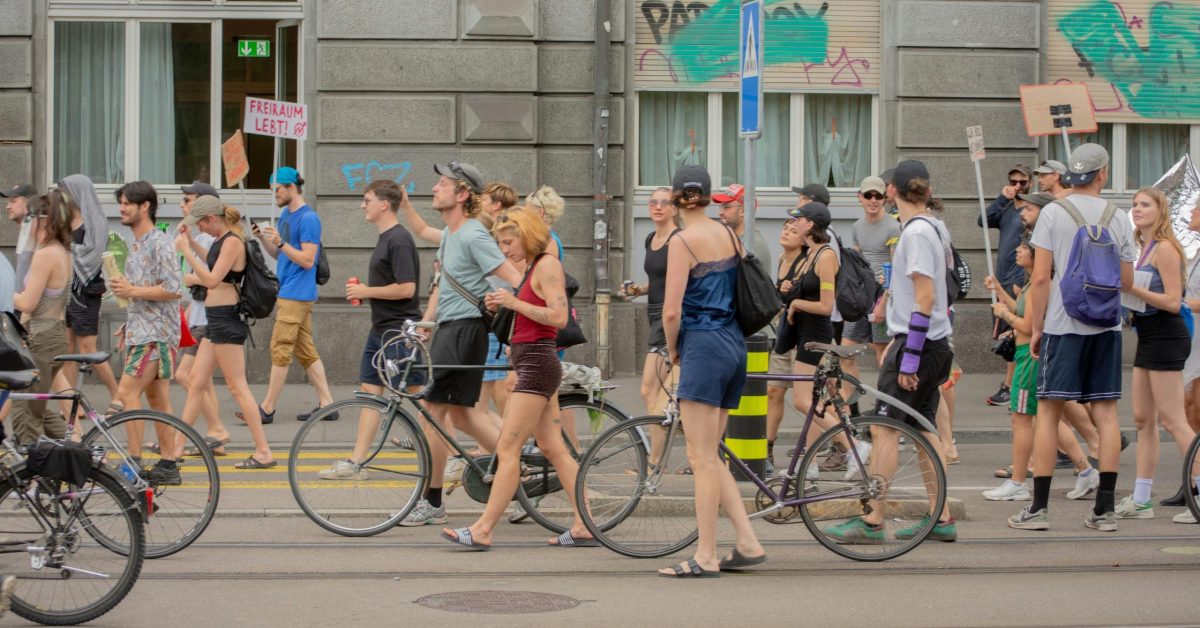
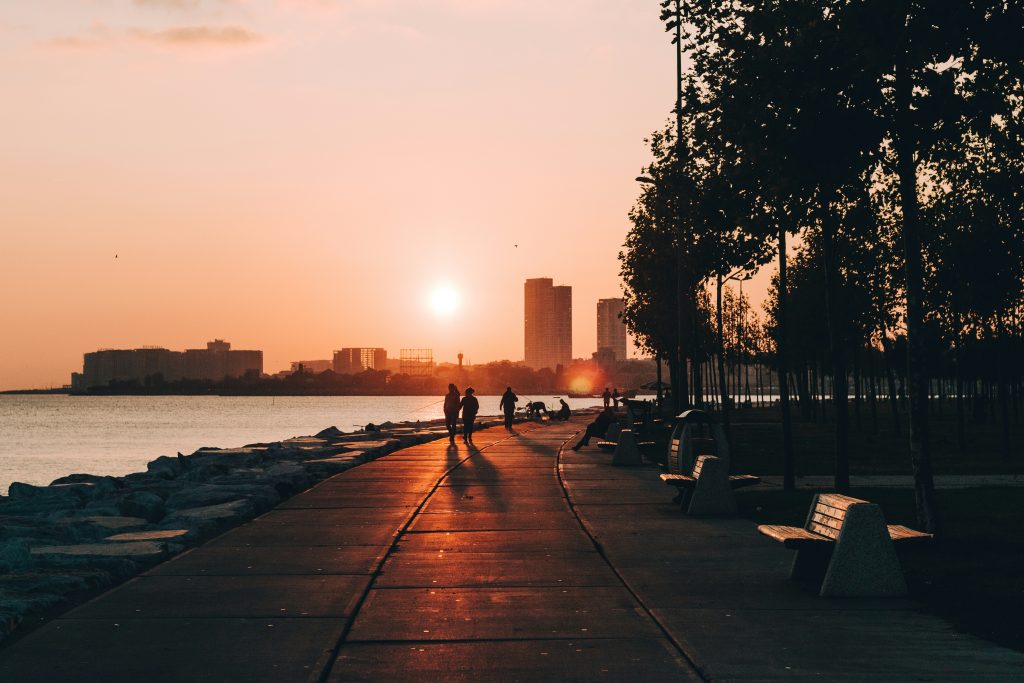
Photo at top by Thomas Delacrétaz on Unsplash.