In July, I tabled at the “Mobility Mingle” on behalf of the Saint Paul Bicycle Coalition. The event was organized by the City of Saint Paul to highlight some of the many bicycle, transit and street redesign projects that are currently happening in the city. Agencies tabling at the event included Ramsey County, Metro Transit, the Metropolitan Council, the Minnesota Department of Transportation (MnDOT) and the City of Saint Paul. It also included a few non-profits like Move Minnesota.
Lowertown Bike Shop offered participants free bike tune-ups. The event took place on the lawn across the street from MnDOT headquarters on the Minnesota Capitol grounds. Temperatures were in the 90s and, given that many state employees are still working remotely, attendance was low. As is often the case, the capital mall was quite empty, except for a row of food trucks along John Ireland Boulevard that were hoping to sell lunches.
The Mobility Mingle
Major transformational projects were on display:
- Ramsey County was displaying information on its 4-lane to 3-lane conversion of Rice Street, which will include a multi-use path on a street that’s previously been unbikable.
- Metro Transit had info on its new G Line Bus Rapid Transit, which will run down Rice Street.
- The City of Saint Paul displayed information on various downtown street reconstructions, including the upcoming St. Peter Street project. That project will build a spur of the Capitol City Bikeway from 10th Street, north on St. Peter, across the freeway, connecting to John Ireland Boulevard and, eventually, to a Rice Street multi-use trail. It will be a much-needed bicycle connection to Downtown St. Paul, both for those traveling on Summit Avenue and, eventually, for folks traveling on Rice Street from the city’s North End.
- Finally, representatives from a Met Council study on extending the Midtown Greenway across the Mississippi into St. Paul were on hand. This incredibly important and difficult project will require consent from CPKC Railroad, or abandonment of the rail spur, or a buyout of the two shippers that still use the spur: Archer Daniels Midland and General Mills.
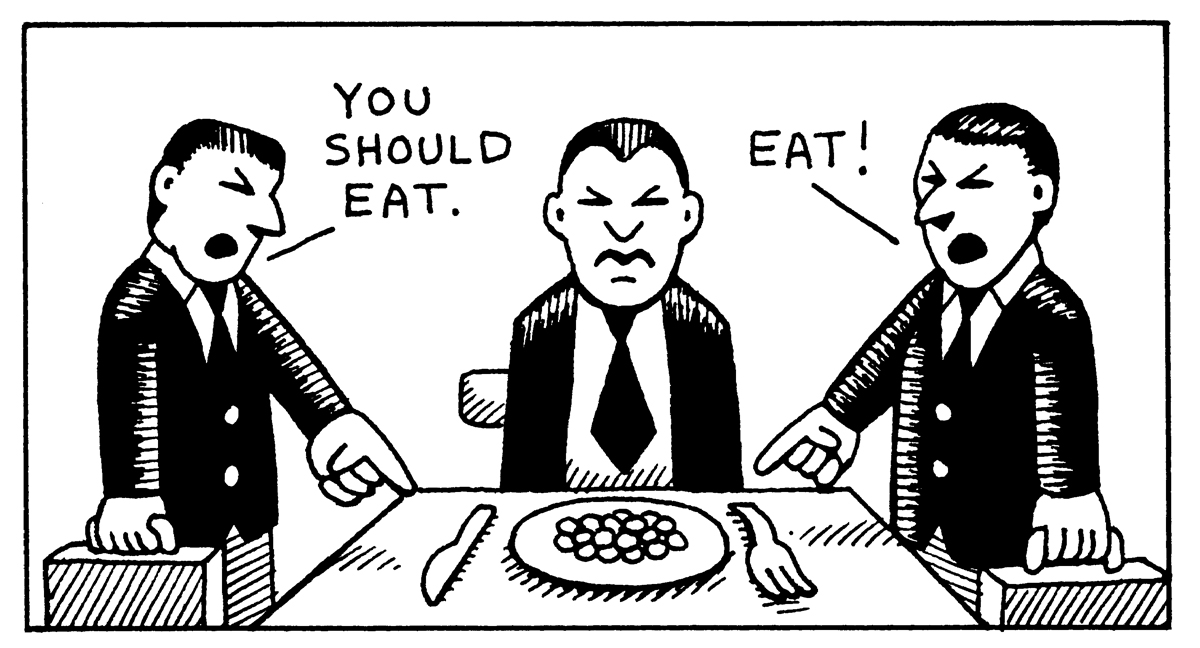
What struck me, however, was that many of the people who showed up to represent these major government agencies were consultants. With one or two exceptions, they weren’t even engineers or people who were actually working on the design of the projects. They were just folks who work for planning firms doing public events, or what the industry calls “Public Process.”
The exception was at least one of the consultants for the City of Saint Paul. He was working on the design of the St. Peter project and thus knew a lot about it. Many of the other folks knew little about what they were “representing,” including details about their projects or the histories or purposes of them. Some lacked basic visuals (drawings and maps) to explain where their projects were going.
One pair of consultants was soliciting feedback on what was most important about proposed bike trails: width of the bikeway, benches, public art, plantings or other amenities. For each choice they had a balloon attached to a bike pump. To “vote,” you got five pumps on your highest-priority items. By the end, to no one’s surprise, the “width of the bike trail” balloon was the most inflated, indicating that bicyclists found this to be the most important quality of the trail.
Again, the folks tabling at this booth knew little about the project. Like the others, they were just there to get you to inflate balloons, attach Post-It Notes to maps, put dot stickers on photographs or get cards with QR codes to take surveys.
Government By Contractors
This experience is indicative of how we do government in America in 2025. These days, government agencies are mostly just entities that write checks to consulting or contracting firms. The firms do the actual work. Often a single project will have multiple firms.
- One firm might be hired to do initial planning.
- Another firm gets hired (either as a subcontractor or independently) to do the public process.
- And other firms get hired to do detailed engineering and actually build the project.
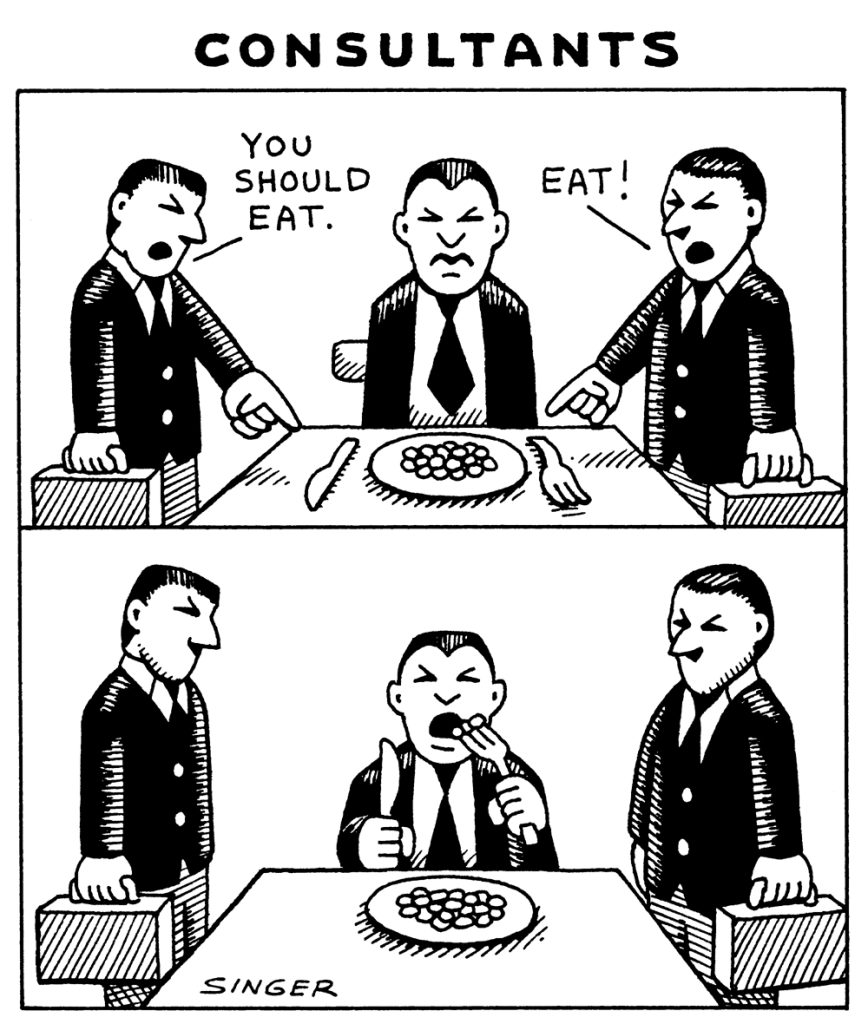
Less and less is done “in-house” by the agencies and actual government employees anymore. Increasingly, the agency employees just manage contractors and do broad-brush system plans, though even these are sometimes farmed out to consultants. With the exception of the Defense Department or (sometimes) police forces, government agencies have been pared down to the bone during the 1990s and 2000s. They do less and less in-house but instead farm out their work to the private sector.
This is true in public housing, planning, road and public transportation projects, trash hauling, prison systems, and even Immigration and Customs Enforcement (ICE). The latter is now hiring private contractors from mercenary companies like Blackwater to abduct foreign nationals (and sometimes citizens) off our streets and lock them up in private prisons run by companies like Geo Group. Or they transport them to El Salvador and other countries on private aircraft. ICE’s own website says: “The use of private detention contractors is a vital piece of the national detention system enabling ICE to successfully execute its mission with less than 4% of facilities being ICE owned and operated.”
For over 40 years, Republicans have preached the idea that “the private sector can do jobs better than government” and have supported the outsourcing of government jobs. Many Democrats have gone along with this. Outsourcing to private companies makes it look like you’re “shrinking government,” even though you’re often spending the same or greater amounts of money to pay consultants. Outsourcing also undermines government employee unions, which theoretically keeps wages lower, and it introduces new opportunities for graft.
An engineering firm might hire city, county or state highway engineers because their connections with their former agencies will help the firm win important contracts. Conversely, government employees or politicians who want to get lucrative jobs after they leave public service have incentives to help out firms with which they wish to work. It’s the famous “revolving door” of public/private employment. Due to contribution limits on individual companies, having a larger array of contractors is also a way to increase political contributions.
Pitfalls of Outsourcing
When it comes to street and road projects, contractors are often unaware of the history and politics behind a given project. So they can fail to anticipate public concerns or blowback and end up doing poor quality presentations or public engagement. We saw this in the launch of the Summit Avenue Regional Trail whose initial presentation helped to fuel opposition to the project.
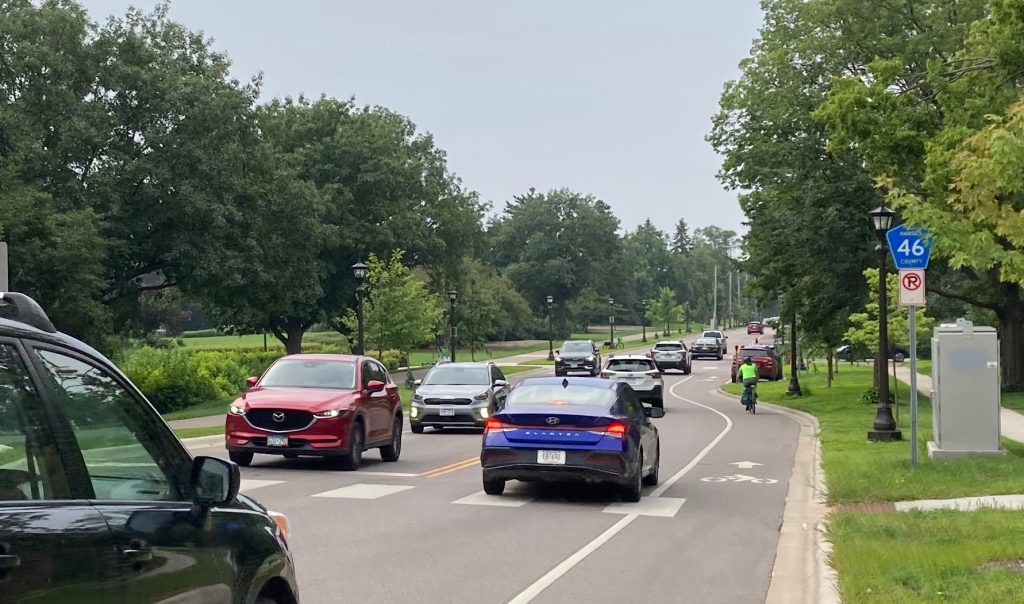
When multiple firms are involved on a single project, they might not talk to one another or be aware of what previous firms have said or done. One firm did the “30% plans” for a Ramsey County bikeway on Cleveland Avenue between Como and Larpenteur. They promised the Saint Paul Bicycle Coalition that none of the options they presented would destroy trees. So most people chose both on-street and off-street bikeways (“Option E” of their presented options).
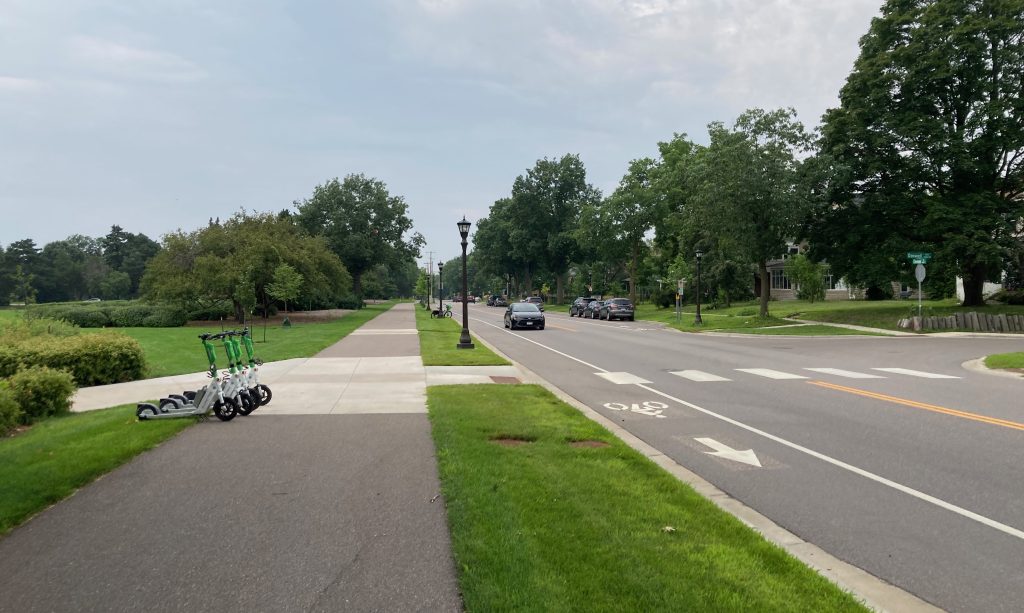
Three years later, a different firm did the final plans and built the project. They found that the option selected by the first firm did, in fact, destroy trees. Rather than go back to the public to redo the 30% planning process, they went ahead and pushed the project through (probably to meet contract deadlines). In the process, they created a lot of public hostility and mistrust that’s spilled over into the Summit Avenue Regional Trail and other city bike projects. To be sure, some of these decisions were made or approved by government employees within the agencies, but the fact that the projects were outsourced diminished their coordination and accountability.
Occasionally, far worse things happen, like the “Feeding Our Future” scandal, where checks were being written to private contractors with little or no oversight. Or U.S. mercenary contractors at Blackwater ended up murdering lots of innocent people in Iraq in an incident known as the Nisour Square Massacre. Sometimes the contractors are held to account. Sometimes they’re not.
Doing this stuff in-house would at least ensure that the people presenting it know what they’re talking about and would be responsible for carrying things out. At events like the “Mobility Mingle,” people will sometimes shout at a representative of an agency about some aspect of a project, not realizing that they’re shouting at a contractor who knows almost nothing about the project and has absolutely no say in it. The contractor is just doing “The Public Process.”
It also highlights the meaninglessness of a lot of public engagement and events. Most are done because agencies have to comply with the “Administrative Procedures Act,” a 1946 piece of federal legislation that requires government agencies to inform the public and solicit public feedback when they are doing large projects. The act was intended to inject more public input into government agency projects. But over time, it’s just become a speed bump for agencies to do whatever they want.
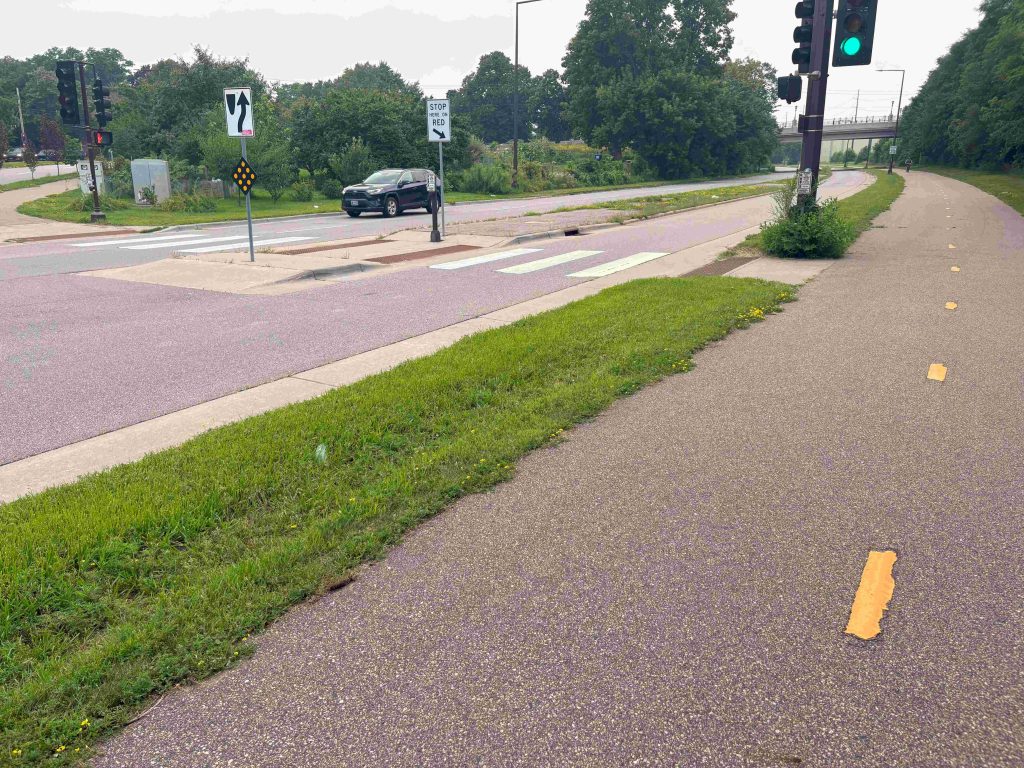
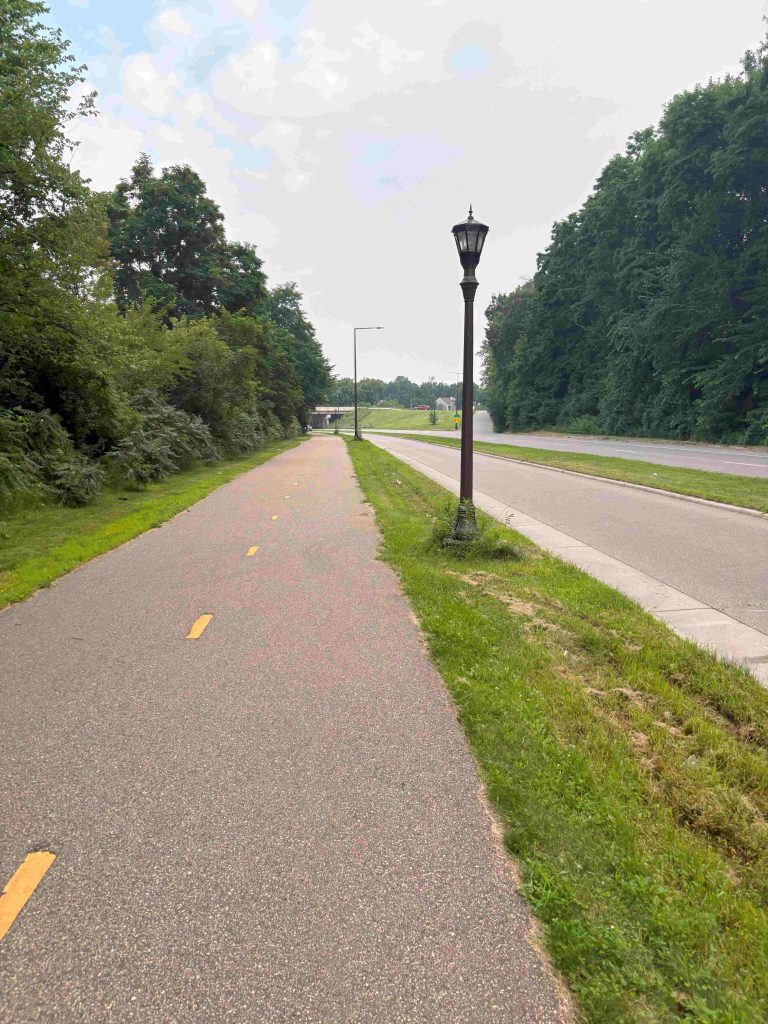
Sometimes the public feedback will occur after the basic parameters of a project have already been decided and funding has been applied for and obtained. So public input is minimal at best. The public gets to decide what color the railings are or where the benches will go, but not where the project will be located or whether it will happen at all. The fact that government agencies often contract out the public process to private companies who know little, if anything, about the project shows how meaningless the process has become.
The Alternative
By contrast, the Ayd Mill Trail project had a lot of meaningful public feedback. When Ayd Mill Road was reduced by one lane and a multi-use trail was added, the Public Works department anticipated the controversy and did initial designs and public presentations in-house.
Paul Kurtz gave an excellent slide talk via Zoom and did a good job of anticipating and fielding questions. This was during COVID, when in-person public meetings were not possible. The project design was also modified at various points to reduce impact on trees and accommodate folks at the Eleanor Graham Community Garden.
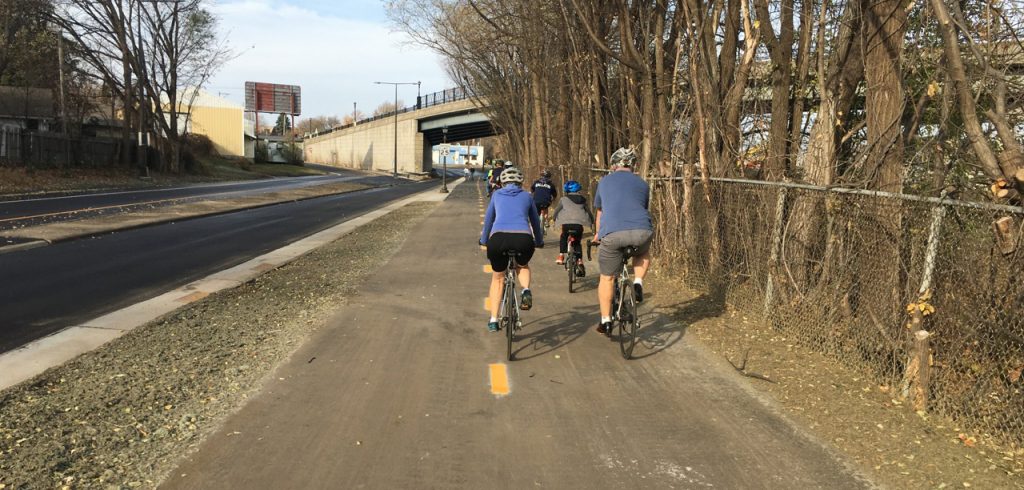
I’m sure there are problems with having agencies do more of their work in-house, but it’s nice to attend public meetings where the people presenting the material actually know what they’re talking about and are aware of the history and politics that surround a given project. Plus, unlike consultants or contractors, they have the power to actually change the project, which somehow makes public feedback more meaningful.