Editor’s note: A version of this story appeared as an opinion column in the Duluth News Tribune on September 6, 2025.
A July 25 “Local View” column in the Duluth News Tribune concerning the ongoing development of the Northern Lights Express (NLX) argued that “Minnesota doesn’t need a high-speed train to nowhere.” But the article doesn’t cite adequate verifiable facts to support that view.
First, the writer claimed that our Twin Ports are “nowhere.” Decades ago, my then-young parents, Delores Ann and James Warren Buchanan, after earning their teaching degrees at Bemidji State University, could have chosen to live in any city in the United States. They chose to relocate to Duluth to build their lives as public school teachers while raising three children. Their generation, and many other generations of Duluth citizens, would not have chosen to work and live here if they thought Duluth was a desolate nowhere.
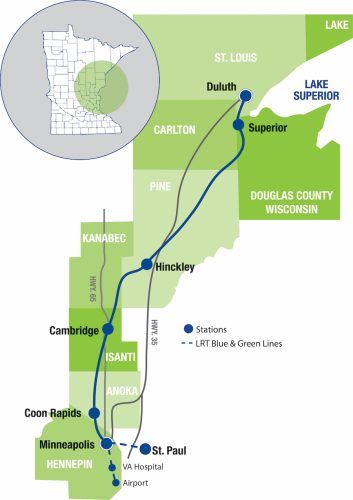
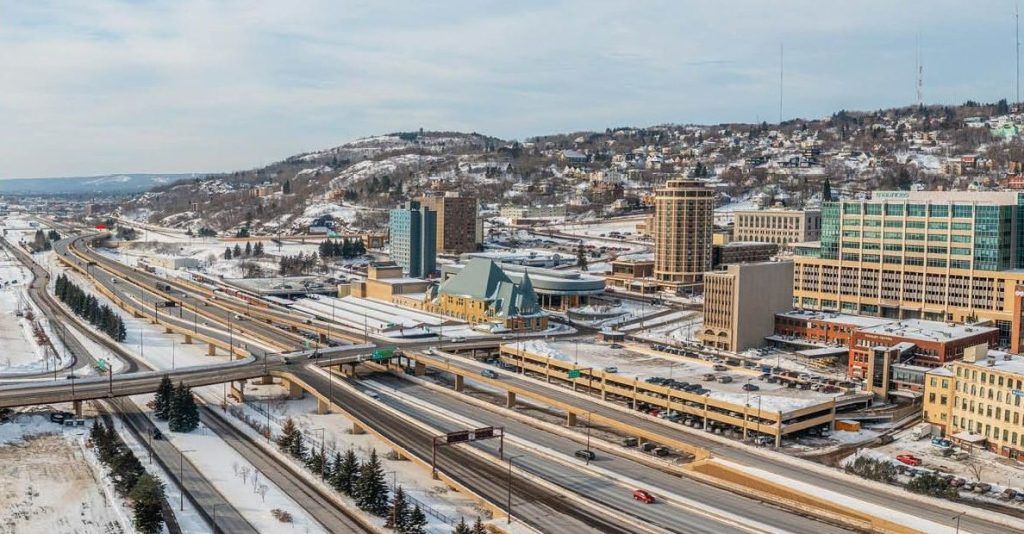
You might ask if Duluth-Superior has a sufficient enough population to support two Amtrak stations. The population of Duluth is 87,680, while the population of Superior is 26,751. As only the St. Louis River separates the two cities, this combined metro area has a population of 114,431.
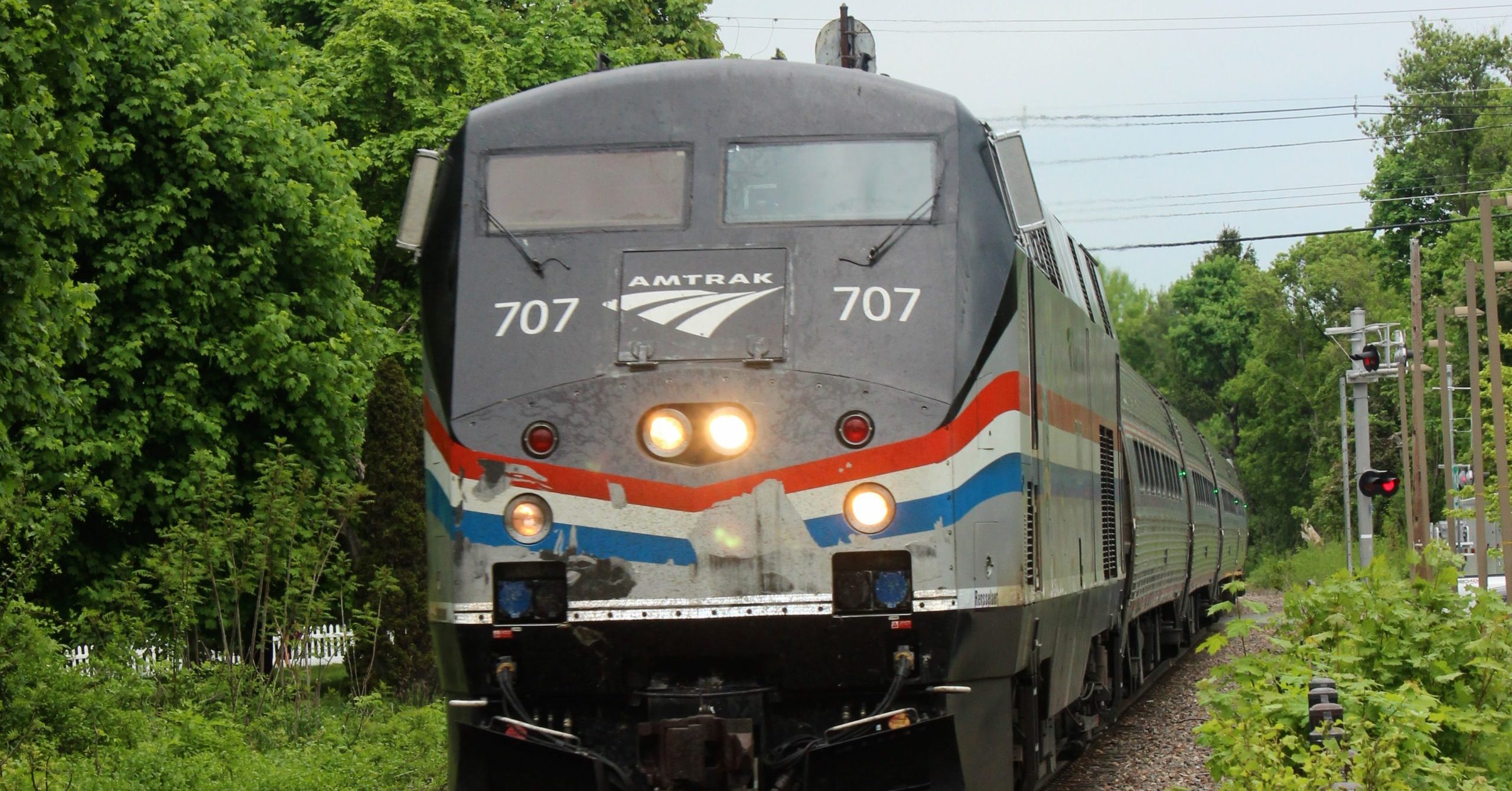
Amtrak’s Ethan Allen Express connects Burlington, Vermont, to New York City. Burlington’s population is 44,743, about half the population of Duluth.
And according to Amtrak’s Connect Us expansion plan, its northeast regional service will connect New York City with the Long Island city of Ronkonkoma, New York, by 2028. Ronkonkoma’s population is 18,955, making it far smaller than Superior.
In fact, the U.S. Department of Transportation and Federal Highway Administration identify Duluth and Superior as part of the Midwest megaregion. “Megaregions are defined as places with large markets, significant economic capacity, substantial innovation and highly skilled talent,” the Federal Highway Administration wrote in 2016. “They include transportation and communication networks that include metropolitan centers and their surrounding areas that often cross county and state boundaries.”
Compared to Highways, NLX is Money Well Spent
The second claim in the July commentary I’d like to address was that Minnesota taxpayers can’t afford spending on highways and transit. I can cite many cities and states that are building or expanding both roads and transit at the same time.
For example, it costs $10 million per mile to build one lane of new interstate highway, according to the Federal Highway Administration. However, according to Executive Director Bob Manzoline of the St. Louis and Lake Counties Regional Railroad Authority, the Northern Lights Express train, or NLX, would cost in the range of $2 million per mile. That includes all track and right-of-way improvements, meaning NLX would have one of the lowest costs per mile of any planned transit or highway corridor.
In addition, the Bureau of Transportation Statistics published a national highway map of “Projected Peak-Period Congestion” that shows Interstate-35 between Duluth and the Twin Cities will suffer from many miles of peak-period congestion over the next 20 years. NLX promises to reduce present and future I-35 traffic congestion while providing taxpayers with a cheaper alternative to additional lanes.
Equally important, Minnesota Department of Transportation studies show NLX offers a solid return on investment, while the Federal Railroad Administration accepted a cost-benefit analysis showing a return of $1.10 to $1.69 for every $1 invested.
On the environment, NLX would decrease reliance on carbon-intensive transportation like road vehicles and airplanes. And because Northern Lights Express trains would be largely grade-separated from motor vehicles, they would provide more capacity, greater reliability and higher speeds compared to the current long-distance buses currently stuck sharing street and highway lanes with other traffic.
The most important point is that NLX obstructionists confuse the vehicle (passenger train) with the service (moving people from one location to another location). In other words, our attention should not be on the train but on the service the train would provide to the traveling public.
With verifiable facts like these, the single-most effective thing one can do is support Northern Lights Express and get involved locally to make it a reality. One form of advocacy you can take on: join the advocacy group, Northern Lights Express Alliance, to show your support — at its monthly meetings, you can explain how you, your family and your friends would use Northern Lights Express.