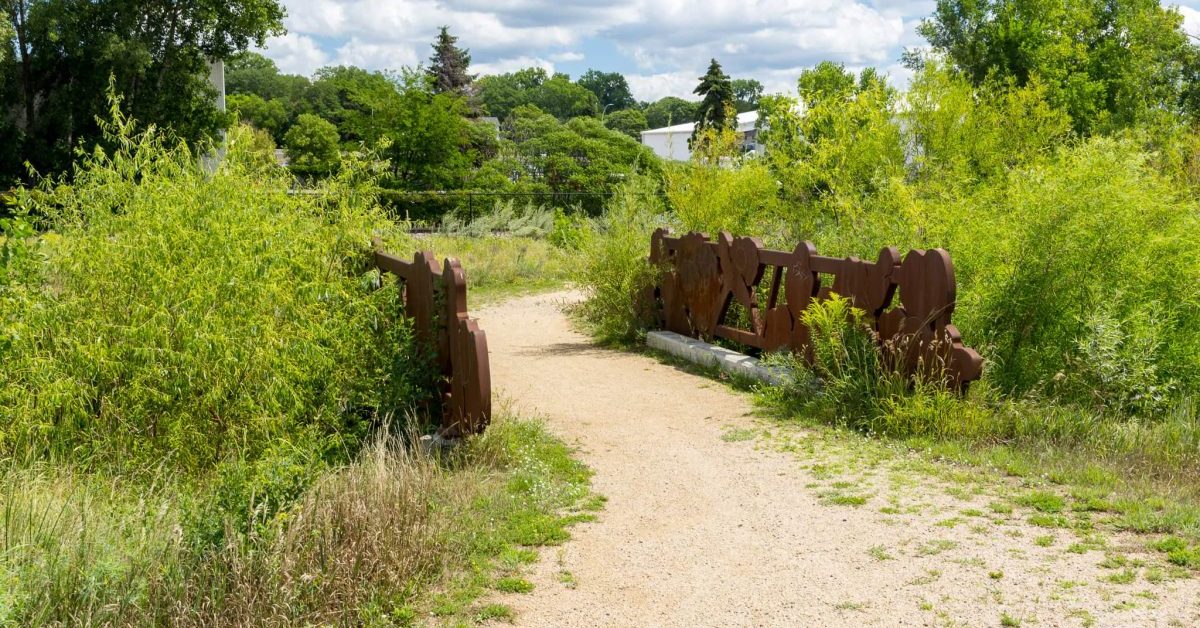
Editor’s Note: This is the second of two posts which chronicle Wolfie Browender’s October 4, 2024 ride. It continues the story of the Tri-Area Block Club grassroots work to improve the North End. A version of this post from appeared previously in the blog Saint Paul By Bike at SaintPaulByBike.com, which follows his quest to bike every block of every street in Saint Paul. Photos courtesy of Wolfie Browender unless otherwise noted.
Macalester-Groveland, North End, East Side
October 4, 2024 – 20.3 Miles
The 25 Year Battle for a Nature Sanctuary
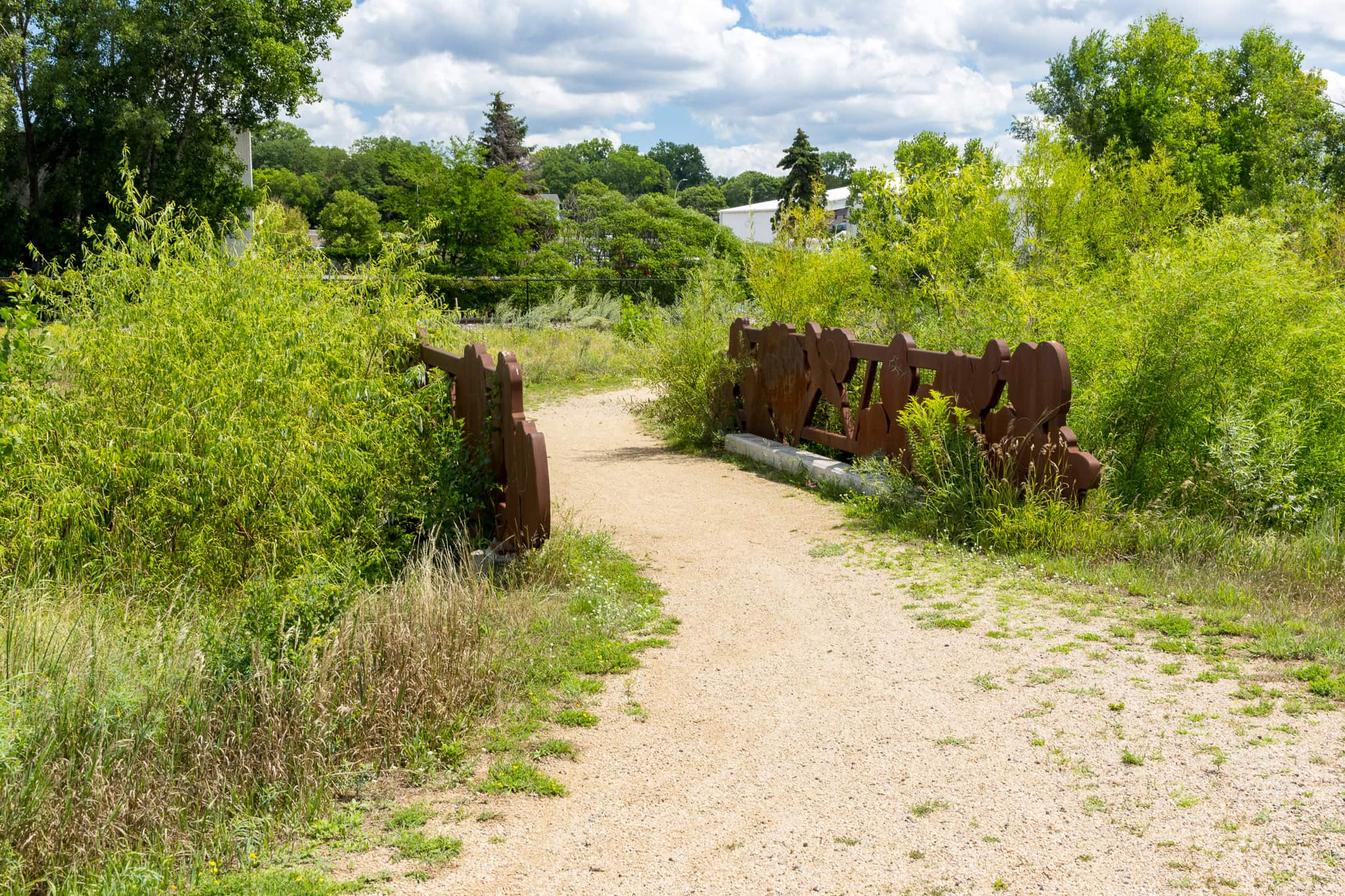
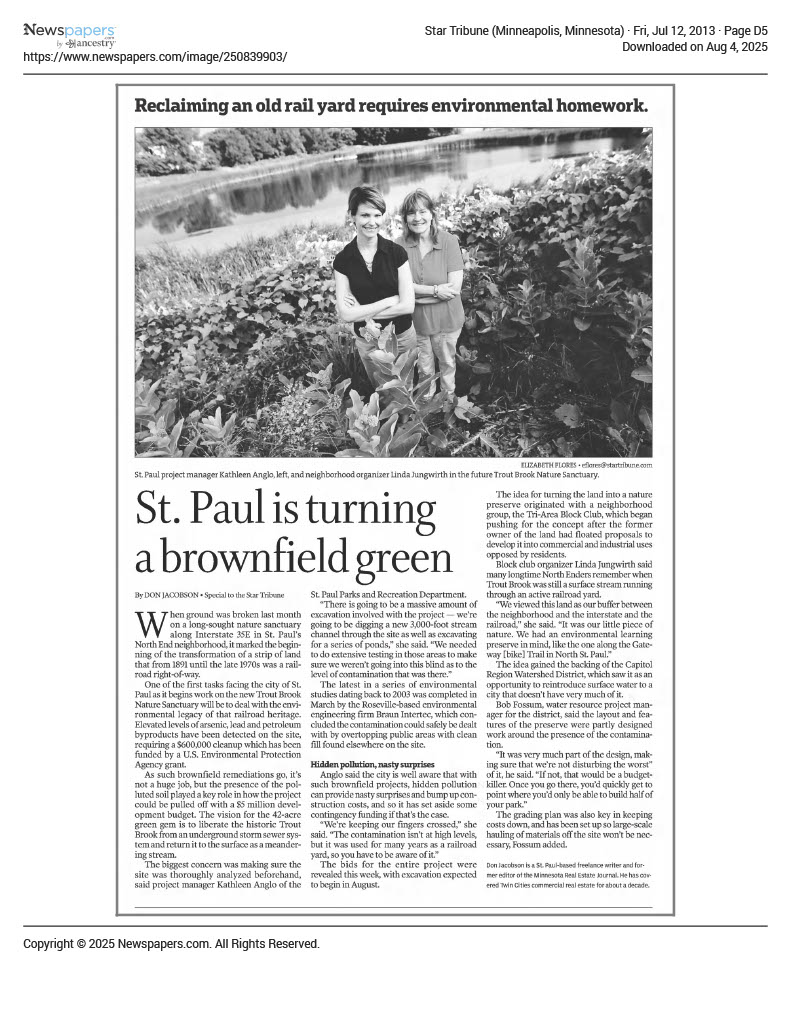
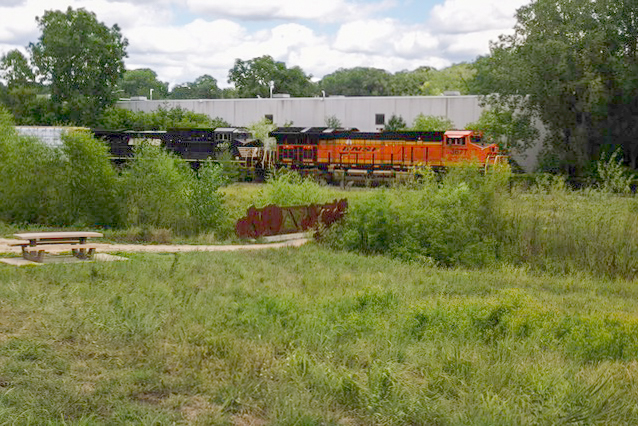
The greatest, or at least the most conspicuous, triumph of the Tri-Area Block Club was establishing Trout Brook Nature Sanctuary. The land has a long, diverse history. Before European-Americans arrived, Native American tribes lived in the area. By the mid-1850s, Europeans were settling in what would be called the North End, leading to dramatic changes. The St. Paul & Pacific Railroad pushed the first of many rail lines through in 1862 and the first train rumbled along the line later that year.
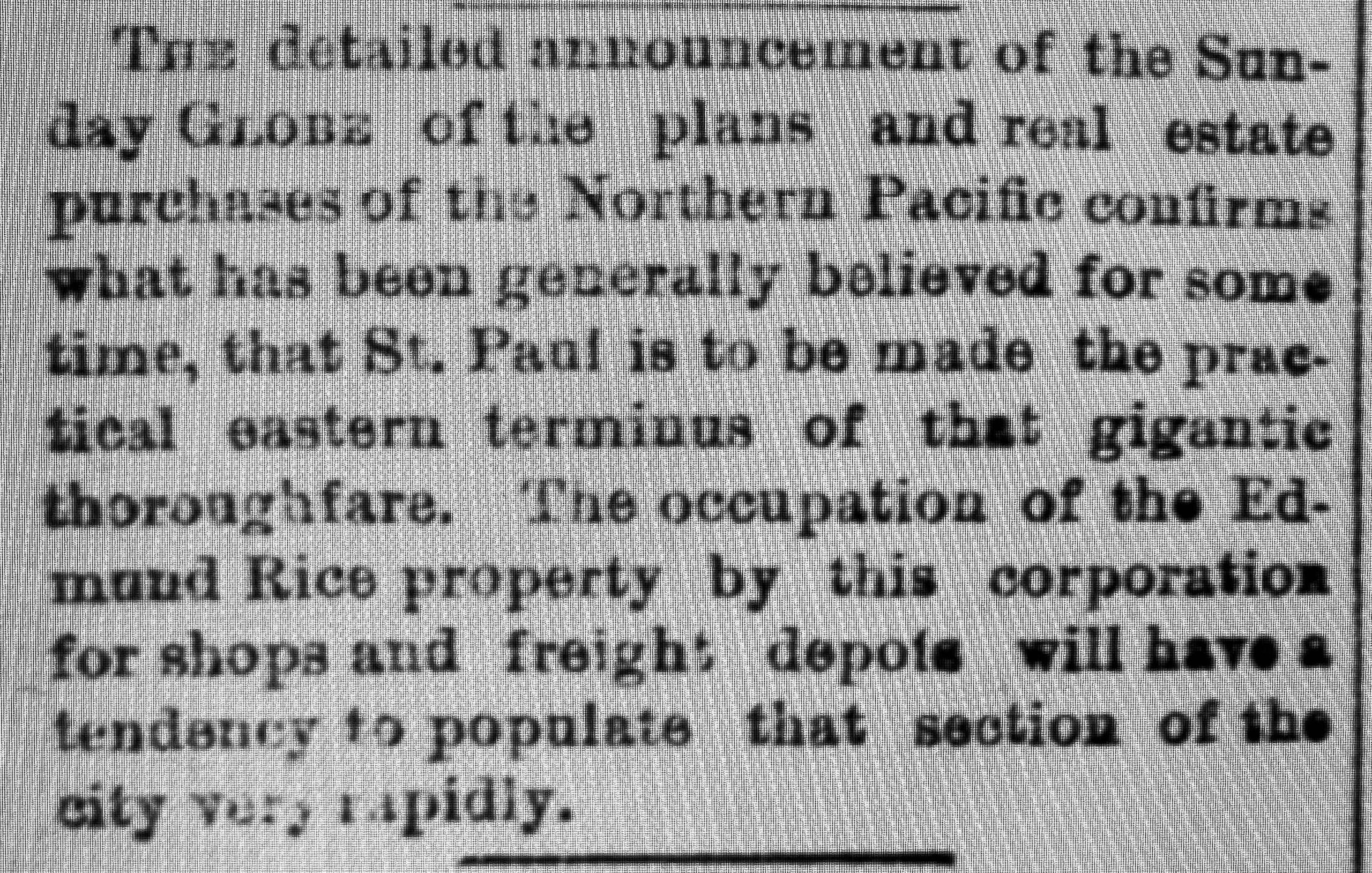
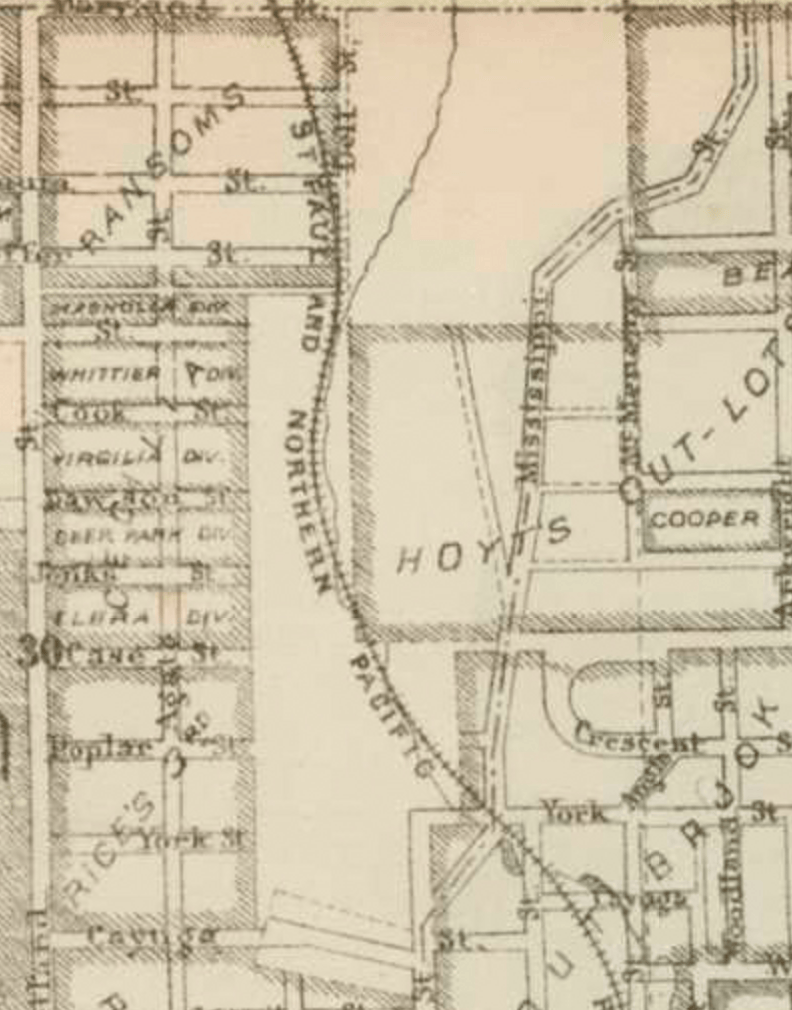
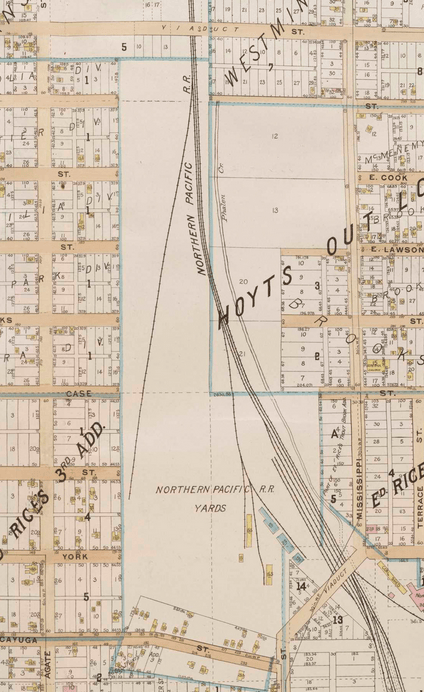
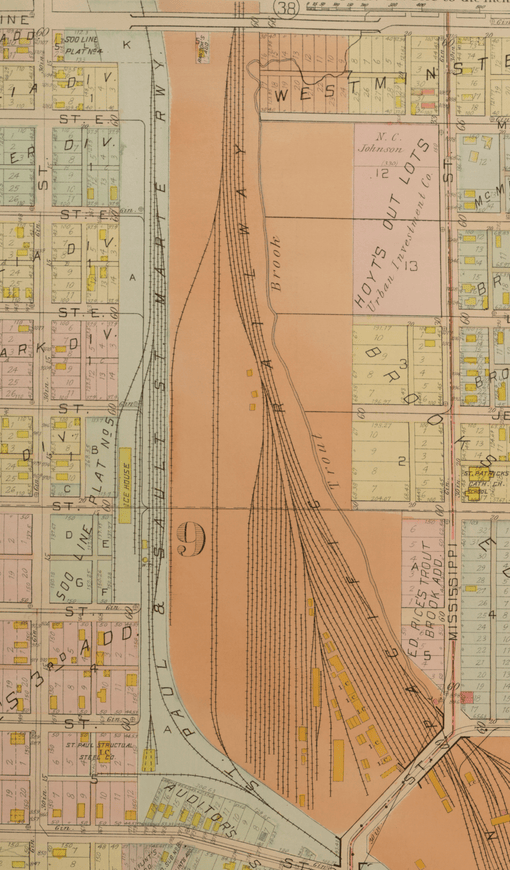
Plat maps from 1886, 1892 and 1916 (below) show the rapid expansion of rail lines through the Trout Brook area. Maps courtesy University of Minnesota Borchert Map Library.
Aerial photos (below) illustrate the contraction of the railroads in the area beginning in the 1940s. Photos courtesy Ramsey County.
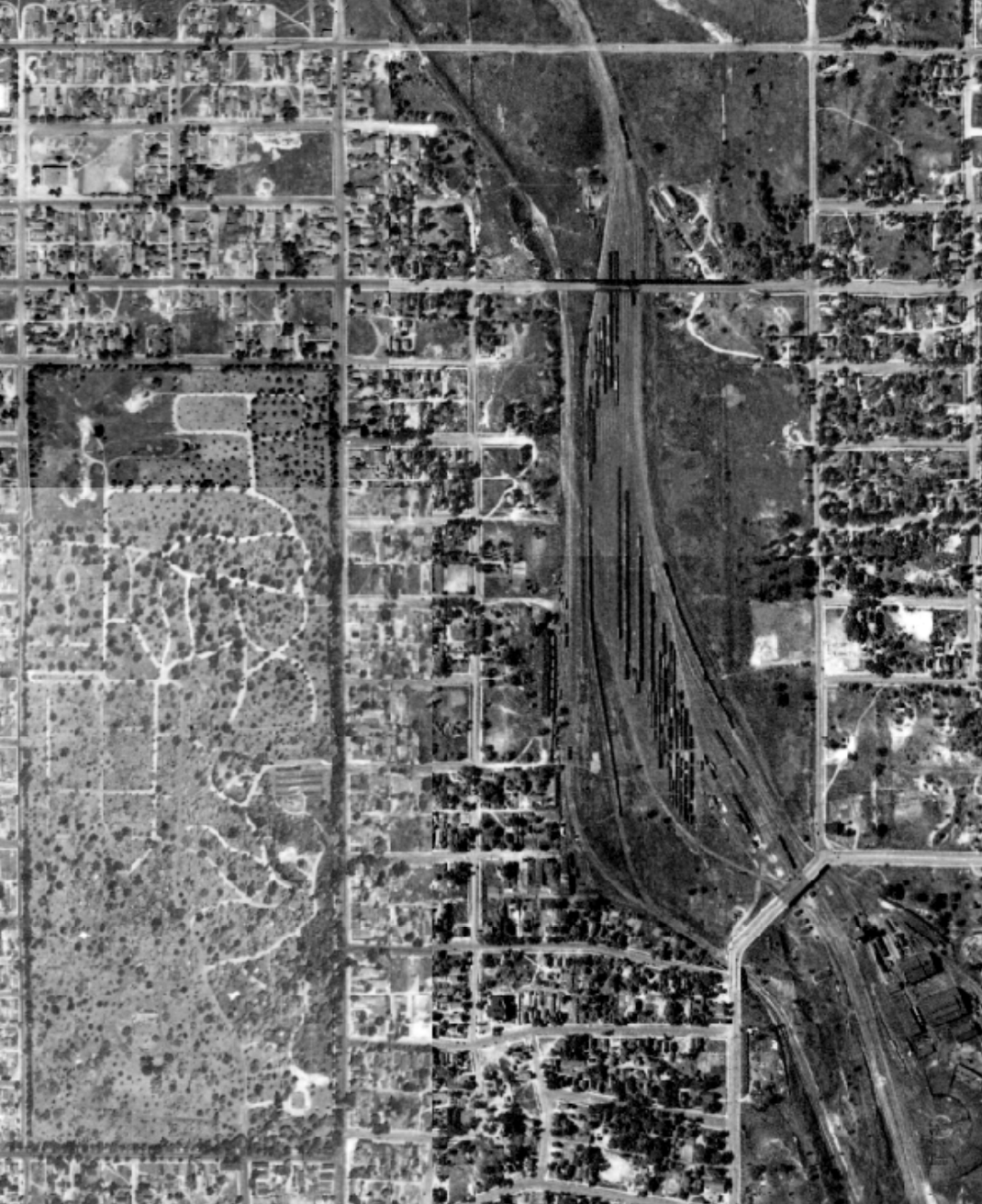
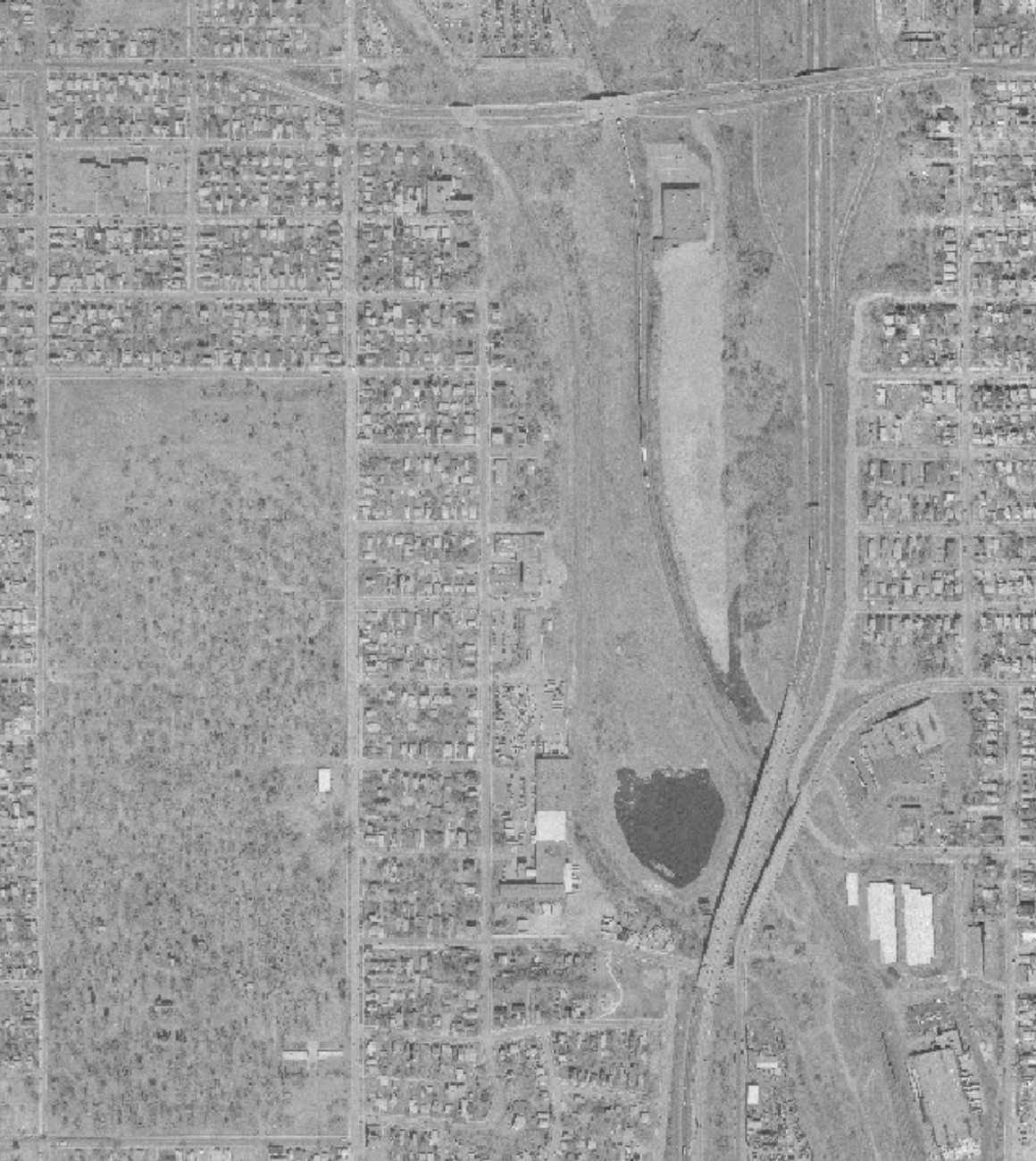
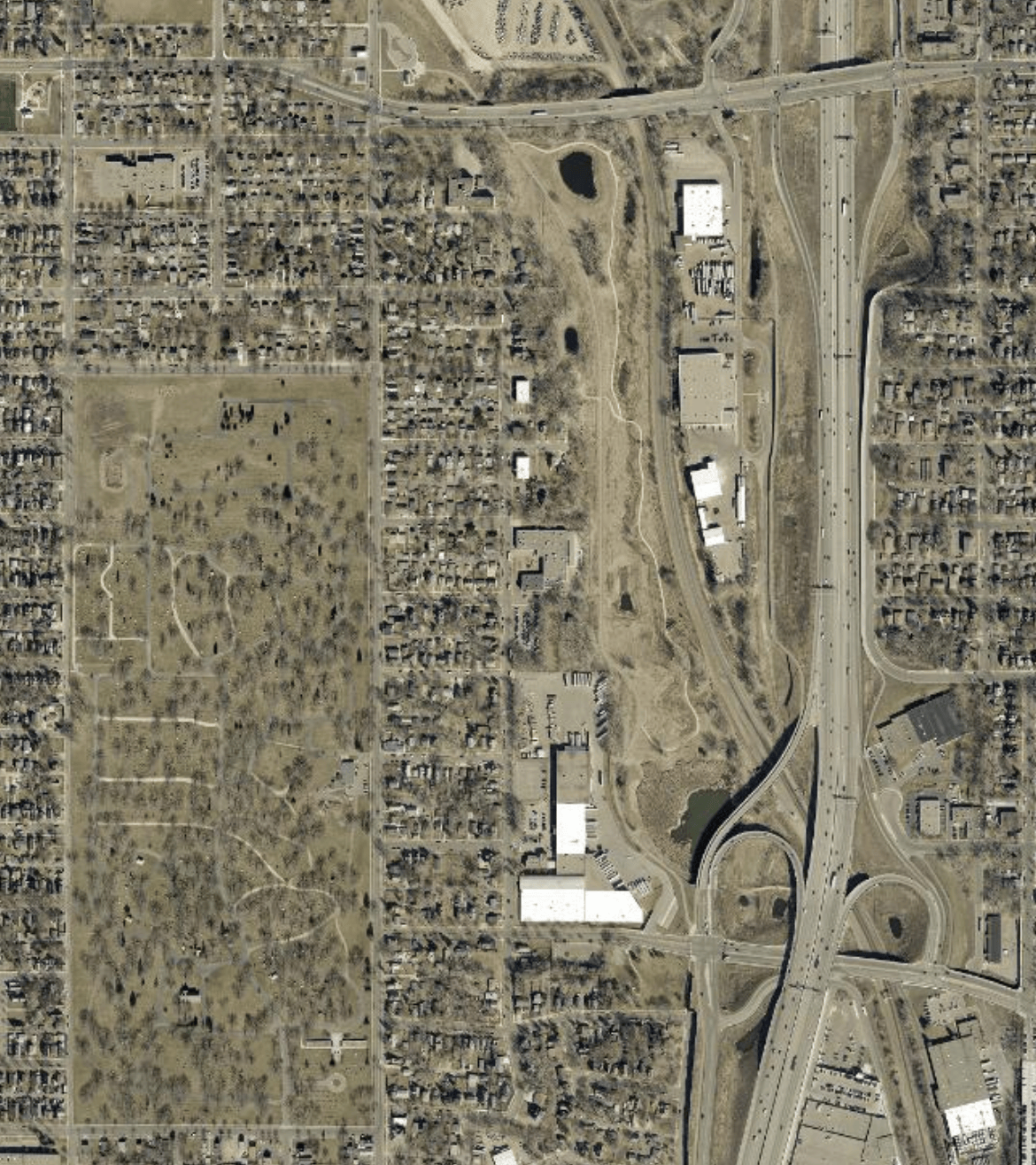
The Tri-Area Block Club successfully confronted several different developers and governmental agencies to thwart industrial redevelopment of the polluted former railroad land. Instead, the 42-acre parcel, previously known as the Trillium Site, was set aside as a nature sanctuary. Trout Brook sits on the eastern edge of the North End, near 35E, between Maryland Avenue on the north, Cayuga Street on the south and near Agate Street to the west. Over more than 20 years, the block club foiled a multitude of proposed industrial uses for the land, which included:
- A school bus maintenance base and storage area on which 100 or more diesel buses would have parked, idled and been repaired.
- A soil remediation business that wanted to burn contaminated soil.
- A Metro Transit bus garage
- A mini-storage facility
- Storage for heavy construction equipment
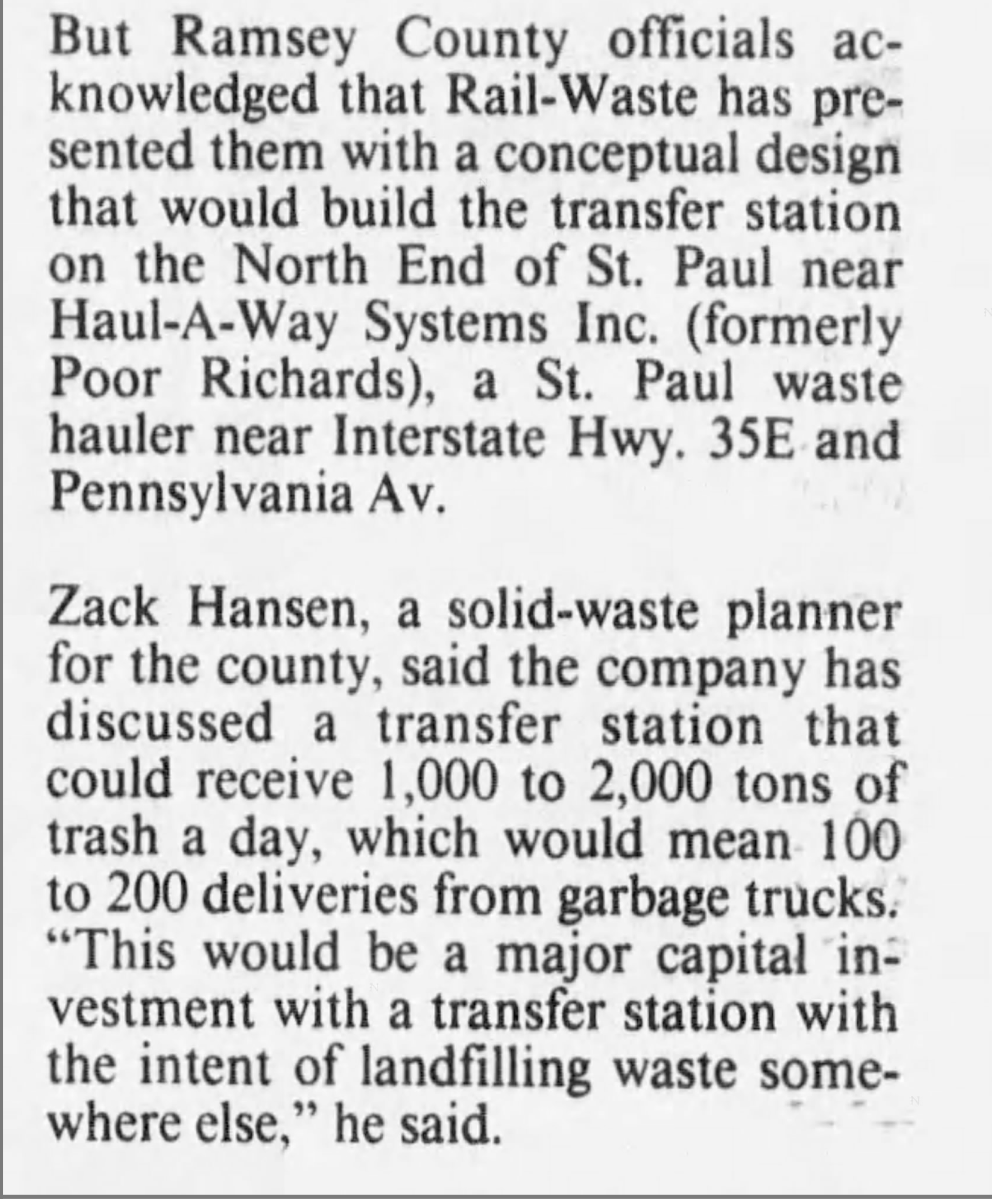
The block club waged a multi-pronged battle, Linda said. “ We had to go and deal with that. Everything we were still working on in the community, we were dealing with all of that…”
John continued, “…while still trying to get people on board to look at the vision of what it (the sanctuary) could be and get the funding cobbled together while you’re still fighting other businesses that wanted to move in there.”
The basic argument for a nature sanctuary, according to Linda, was, “We got the (railroad) tracks, we’ve got the freeway (35E). It’s our buffer and it’s polluted.”
Members of the Tri-Area Block Club convinced their city councilperson, Janice Rettman, and members of the city’s Planning and Economic Development (PED) Department to support their plan. Then their state representative, Tom Osthoff, got involved by connecting the Tri-Area group with the U of M’s landscape architecture department. Linda said State Rep. Osthoff told her, “ ‘You’re going to spend a day with the people at the School of Landscape Architecture at the U (University of Minnesota) And you tell them what you want and they’re going draw it all out for you.’ So we had a visual. And that went with me everywhere.”
The relentless campaign by Tri-Area succeeded and in 2001 the City of Saint Paul purchased the land. The next step was the massive and expensive cleanup of industrial waste from more than 100 years of heavy industrial use.
Members of the block club arranged a blessing ceremony in October of 2001 by a Native American spiritual leader once the purchase of the land was finalized.
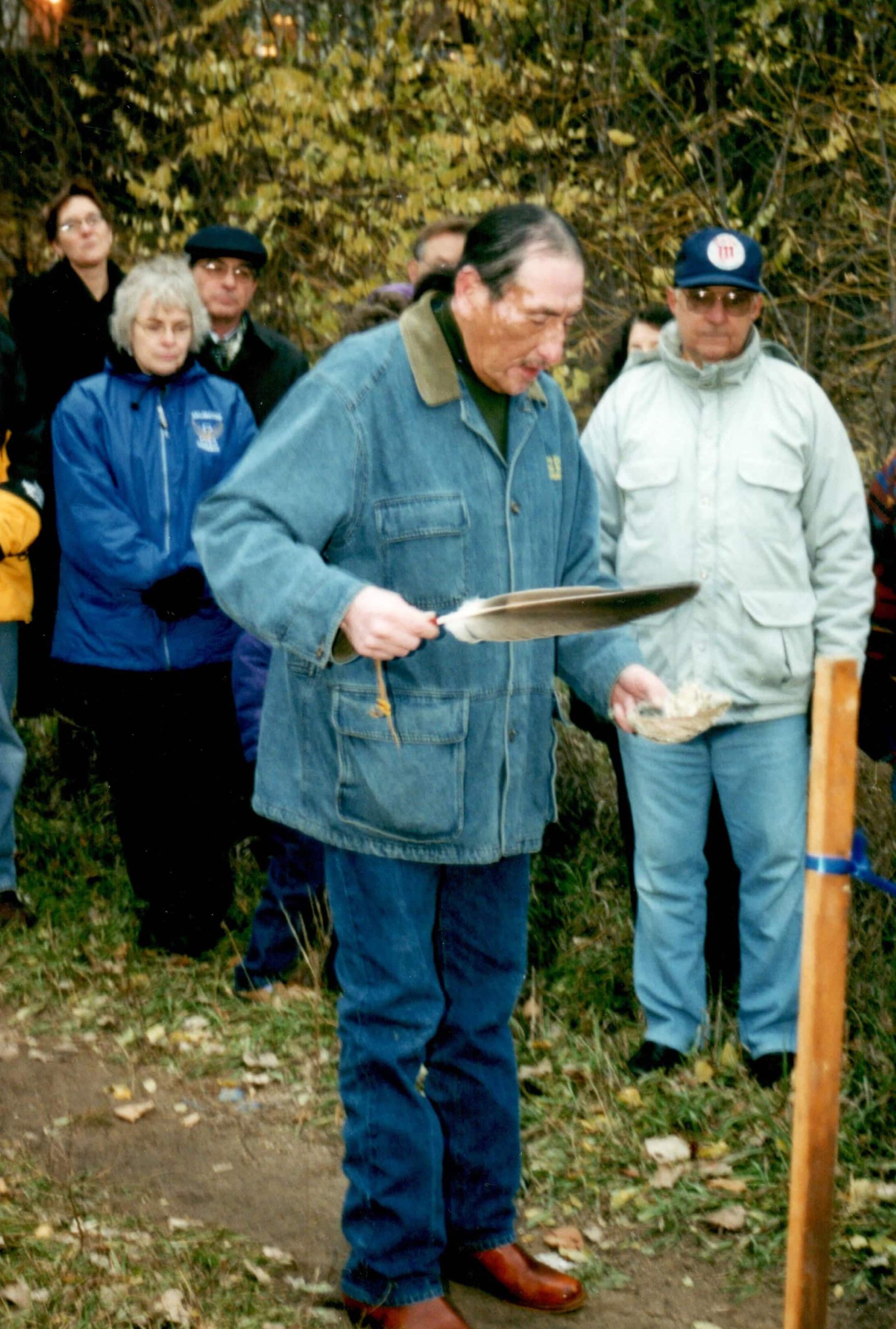
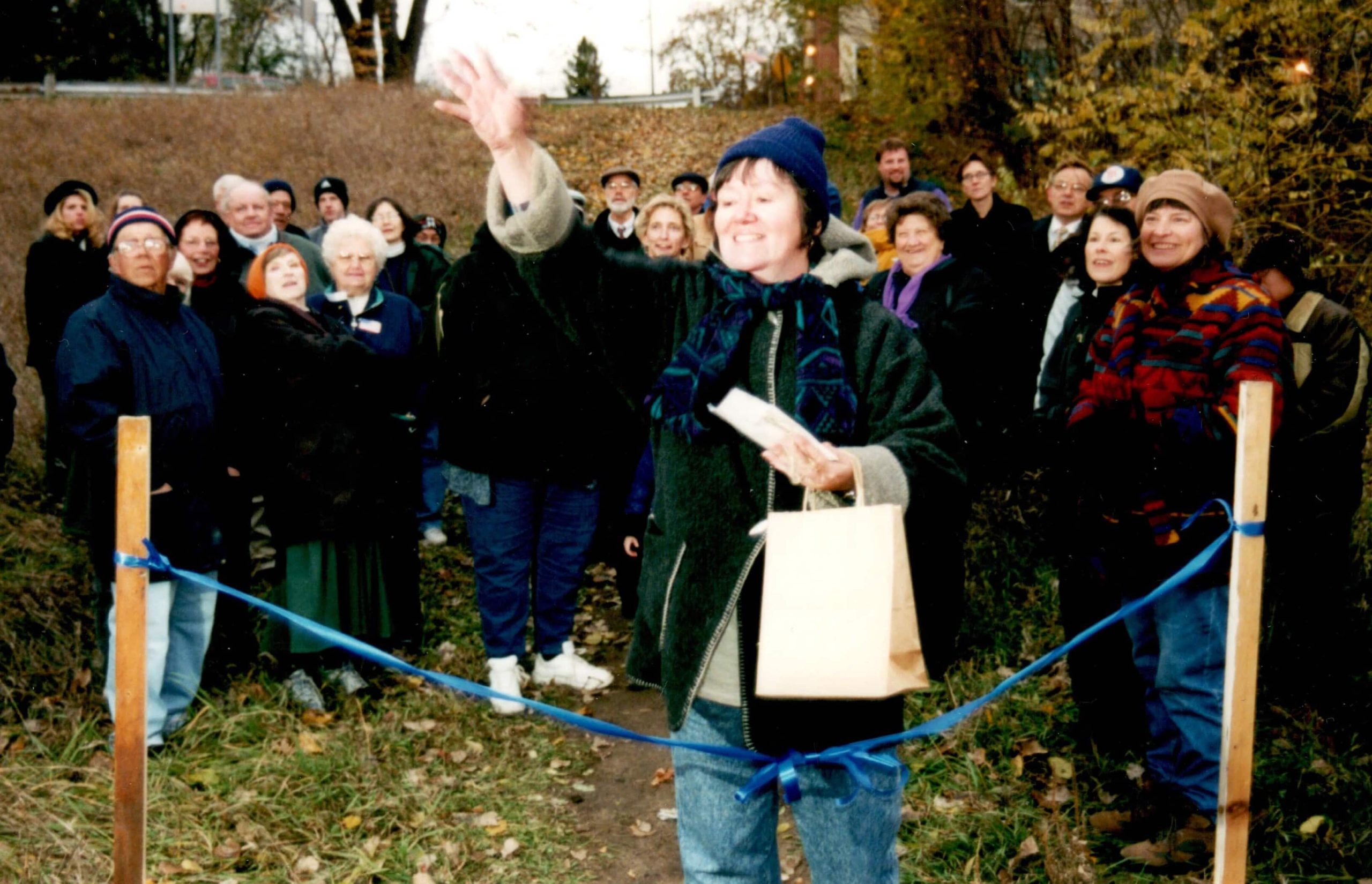
The groundbreaking of Trout Brook Nature Sanctuary came in June 2013 and it opened in 2015, about 25 years after area residents began organizing efforts.
Beyond the Nature Sanctuary
Both Linda and John indicated that the Tri-Area Block Club pursued issues other than Trout Brook. For example, on New Year’s Eve of 1999 (the same evening many were apprehensive about the potential for a Y2K catastrophe), the neighborhood had quite an incident. College students living on Geranium Avenue hosted an extremely large and disruptive party. Party-goers parked cars on Geranium, Jessamine and Abell. As they went to and from the party, according to Linda and John, some broke bottles and/or threw items onto homeowners’ yards and porches.
As Linda recollects, she called the police department’s non-emergency phone number. “ ’I know this is not a good night. Everything could go down at midnight.’ But I said, ‘If you have a squad patrolling in this area, could you go there?'” And she gave them the Geranium Avenue address.
A short time after making the call, the police responded like ants to a picnic. “ We’re sitting out here with my mom and my grand-nephew and there must have been dozen squads all come by.”
The police, she said, quickly broke up the party. “ The boys got in the cars and left and left the girls standing in their heels and their gowns and no coats.”
The rowdy revelers left quite a mess for neighbors the deal with. “ The next day we all went out, picked everything up, put it in the trash bags and put them on the steps at that house and called the parents.”
A Gradual Fade
By about 2015, some block club members had moved from the area, while others pulled back on their involvement, leading to changes. “ We had been meeting monthly. Then we went to quarterly and we kind of just started communicating via emails,” Linda said.
Now, it’s no longer an organized block club. However, if an important issue comes up, residents call and email each other and of course, Linda and John.
Tri-Area Block Club Legacy
When asked about the legacy of the Tri-Area Block Club, Linda paused to ponder her response. “ Yes, we accomplished things with problem properties, with the (Trout Brook) nature sanctuary and that one took the most dedication, the most years, 25 years. But in the process of all of that, people got to know each other and people cared and looked after other people.”
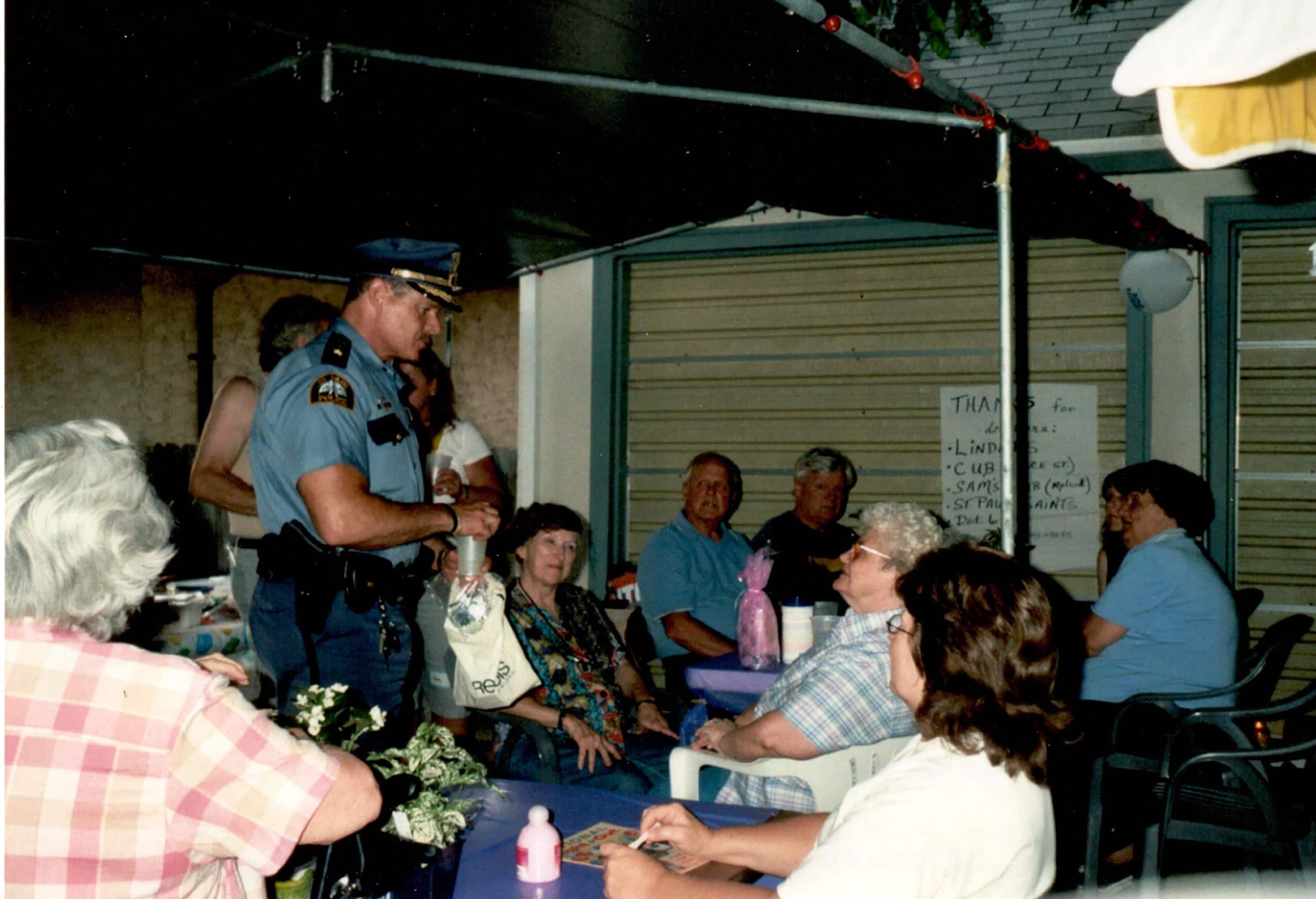
The annual National Night Out was a venerated event for the block club. John recalled one National Night Out during a city election year. They put up a large sign that said, ‘No Campaigning.’ “They’d (politicians) show and people went, ‘No. This is all about community. We don’t want this here. We don’t want anything that would divide us.’”
A spur of the moment “Blue Moon Party” one Labor Day weekend is another example of how the block club broke down barriers in the neighborhood. As John told it, “ We figured nobody’s around. We just said, ‘If you’ve got nothing going on, I bought a case of Blue Moon beer. Have a Blue Moon.’”
“ ’Come by and have a beer’ turned into four or five hours.” Everyone brought food—hot dogs, snacks and desserts—to share. One neighbor ushered out-of-town family to the party, along with the food they had made. Another brought his telescope outside and gazed at stars with neighbors Afterward, he said to Linda, “We met so many people that you see, but we’ve never met them.’ And he goes, ‘This was great!'”
Recognition of Tri-Area Block Club’s efforts also came from beyond the North End. Awards the block club earned included:
- Selection to the 2006 Saint Paul Neighborhood Honor Roll
- Inclusion in the 2006 Blooming Saint Paul Showcase for the beautification of a corner Rice Street and Sycamore Avenue
- A Sustainable St. Paul 2015 Water Quality Award for its efforts to create Trout Brook Nature Sanctuary
- A Minnesota Brownfields ReScape Award, also in 2015 for Trout Brook
Linda and John gave up more than two hours of their day to share with me their story and that of the Tri-Area Block Club. It’s one of foresight, planning, grassroots involvement, persistence, and community building. The struggles and success of the Tri-Area Block Club offers a blueprint to anyone contemplating grassroots change.
An Unusual Route Home
A pair of heavily used Burlington Northern Santa Fe (formerly Northern Pacific) tracks run west from near 35E. The parallel tracks serve as the borders between several neighborhoods—the North End and Frogtown, Como and Hamline-Midway and Como and Saint Anthony Park. A paved road travels alongside the rails, between Como Avenue and Prior Avenue on what I presume to be railroad right of way. Something beckoned me to scrutinize the railway road, which I dubbed the “RWR.”
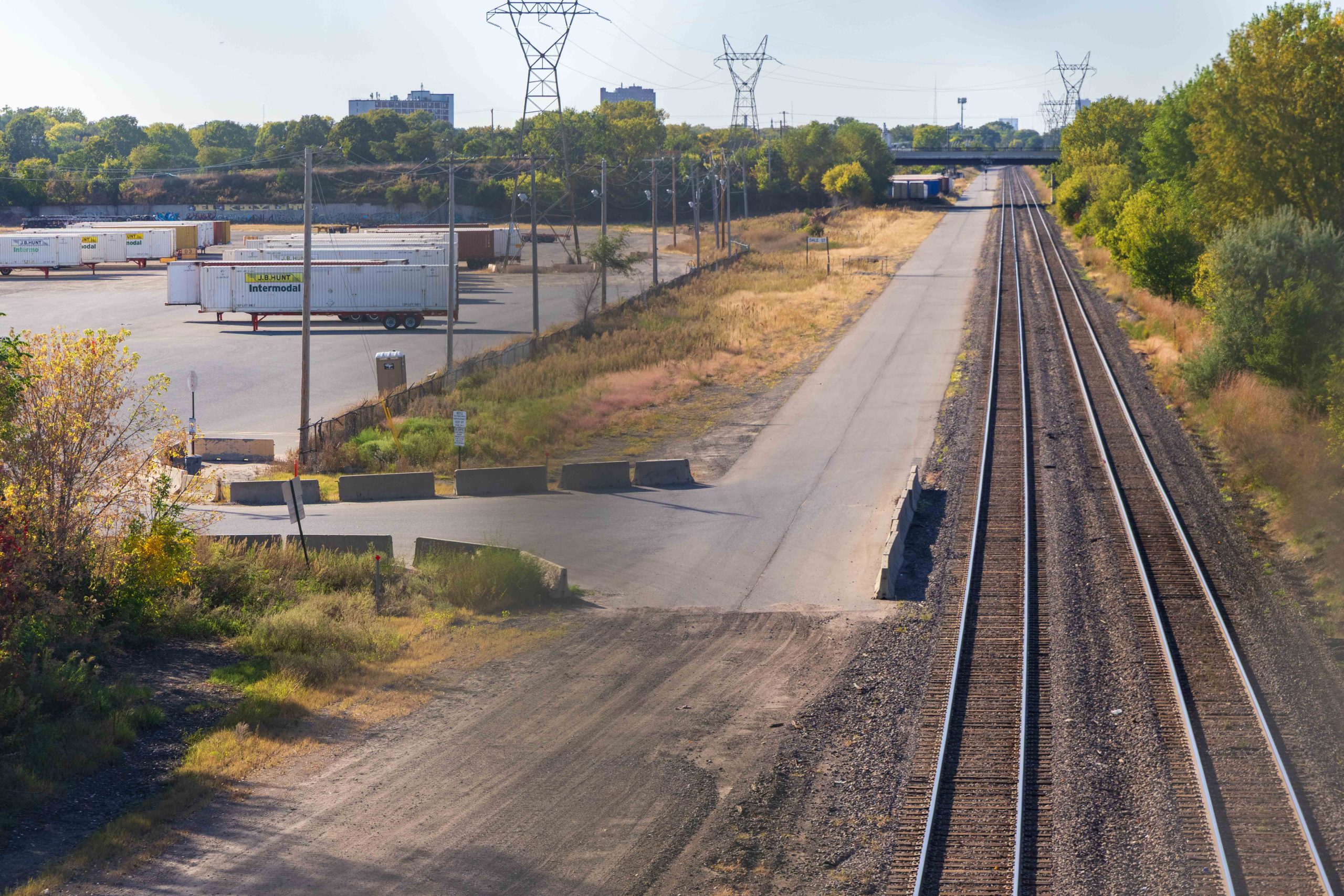
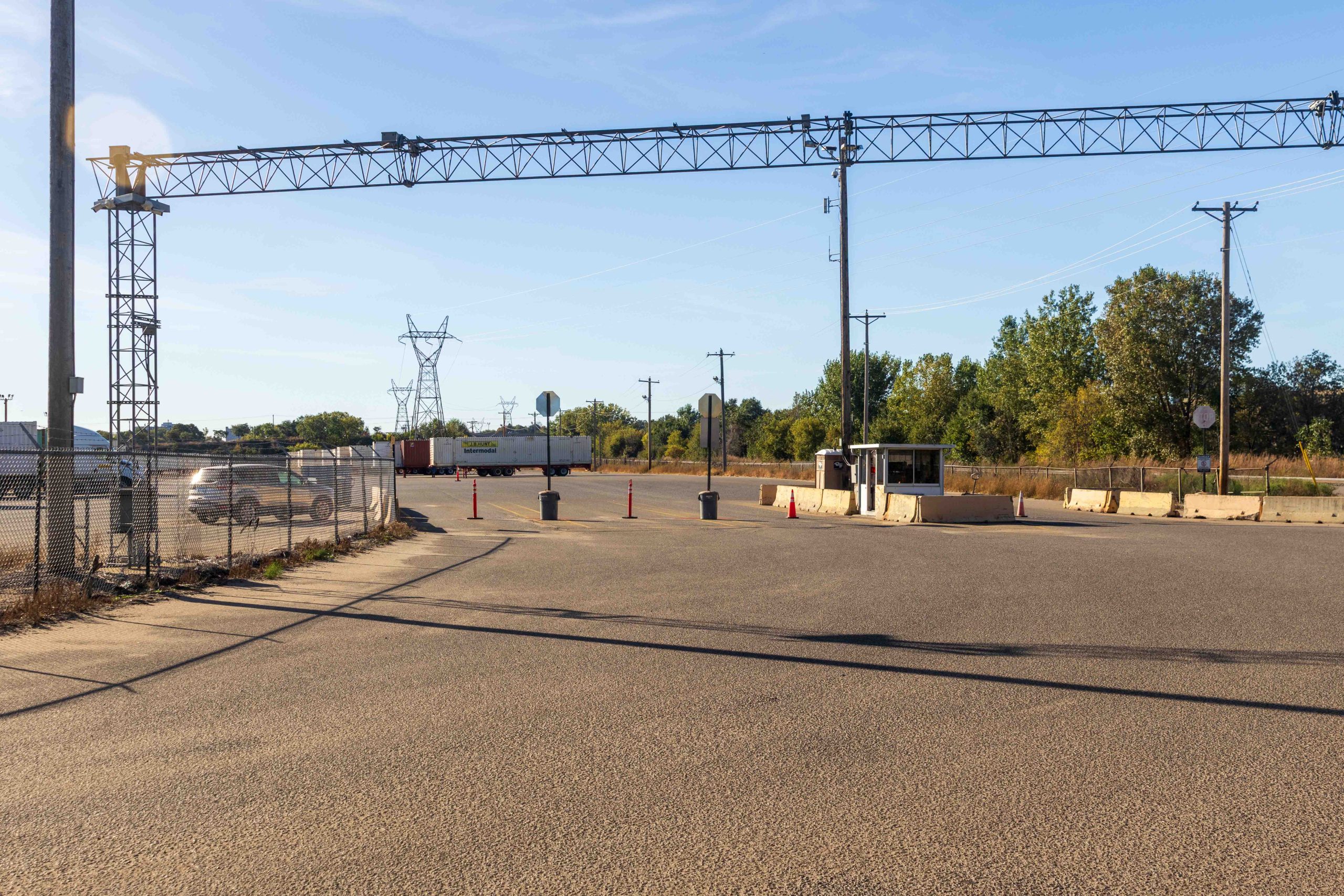
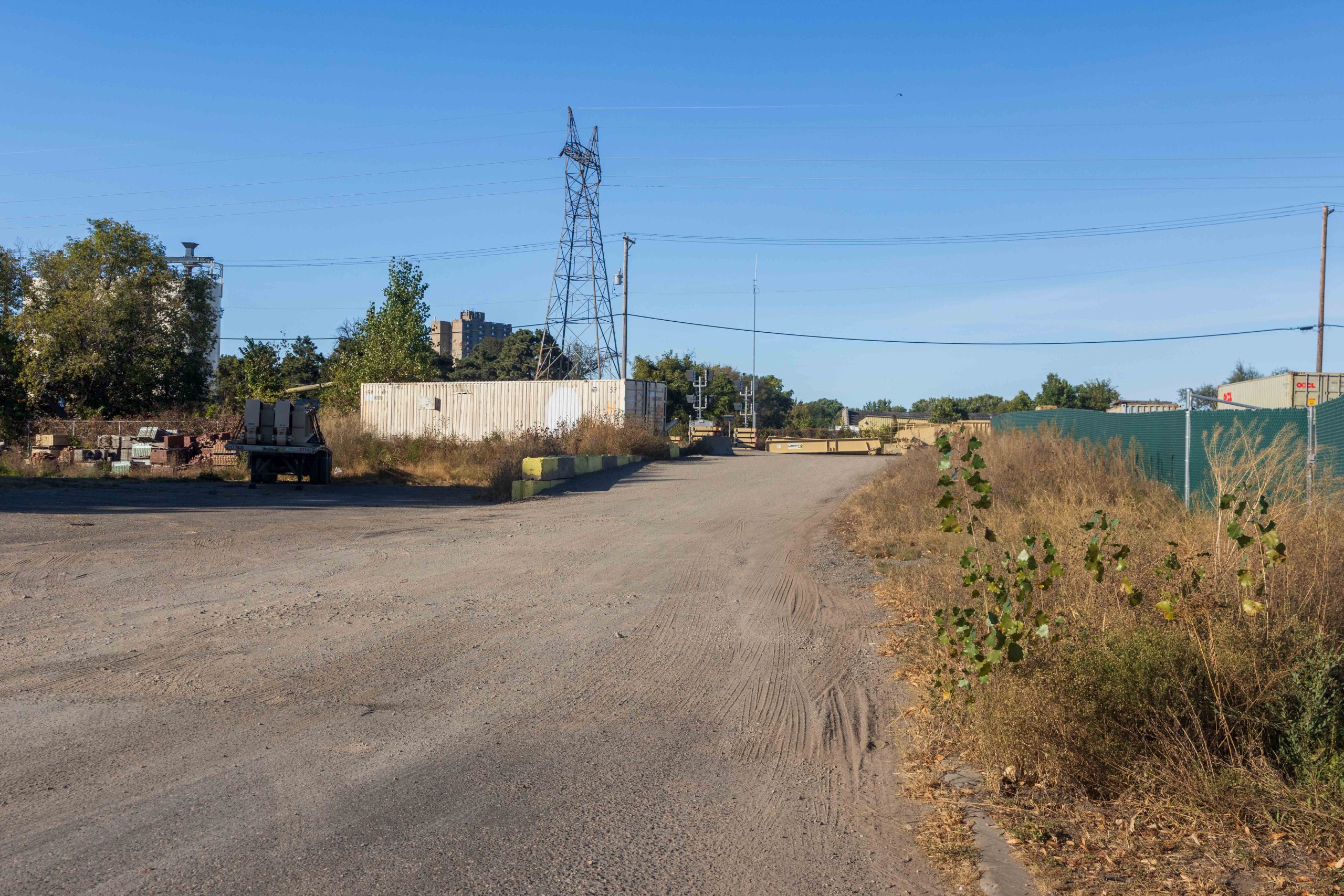
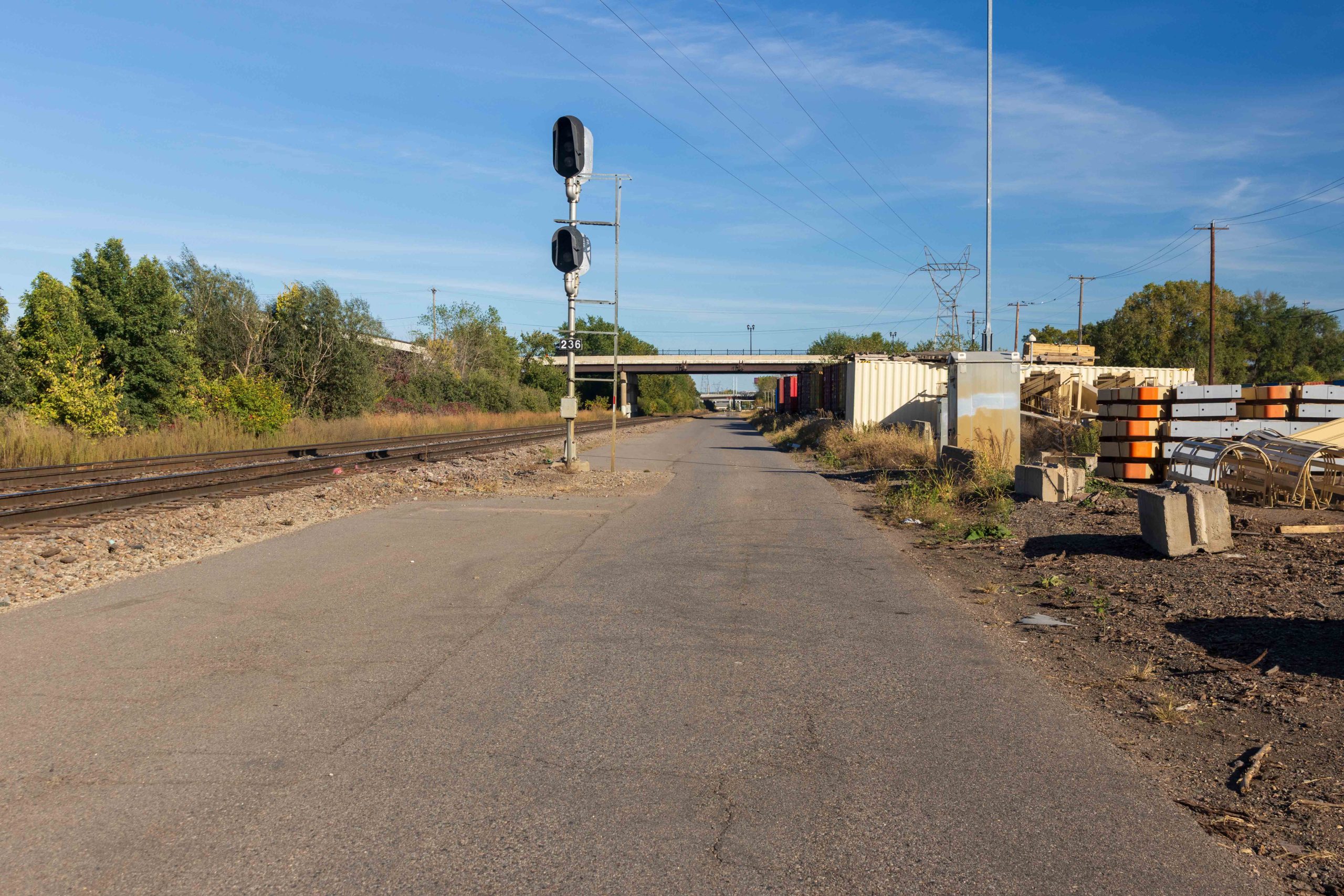
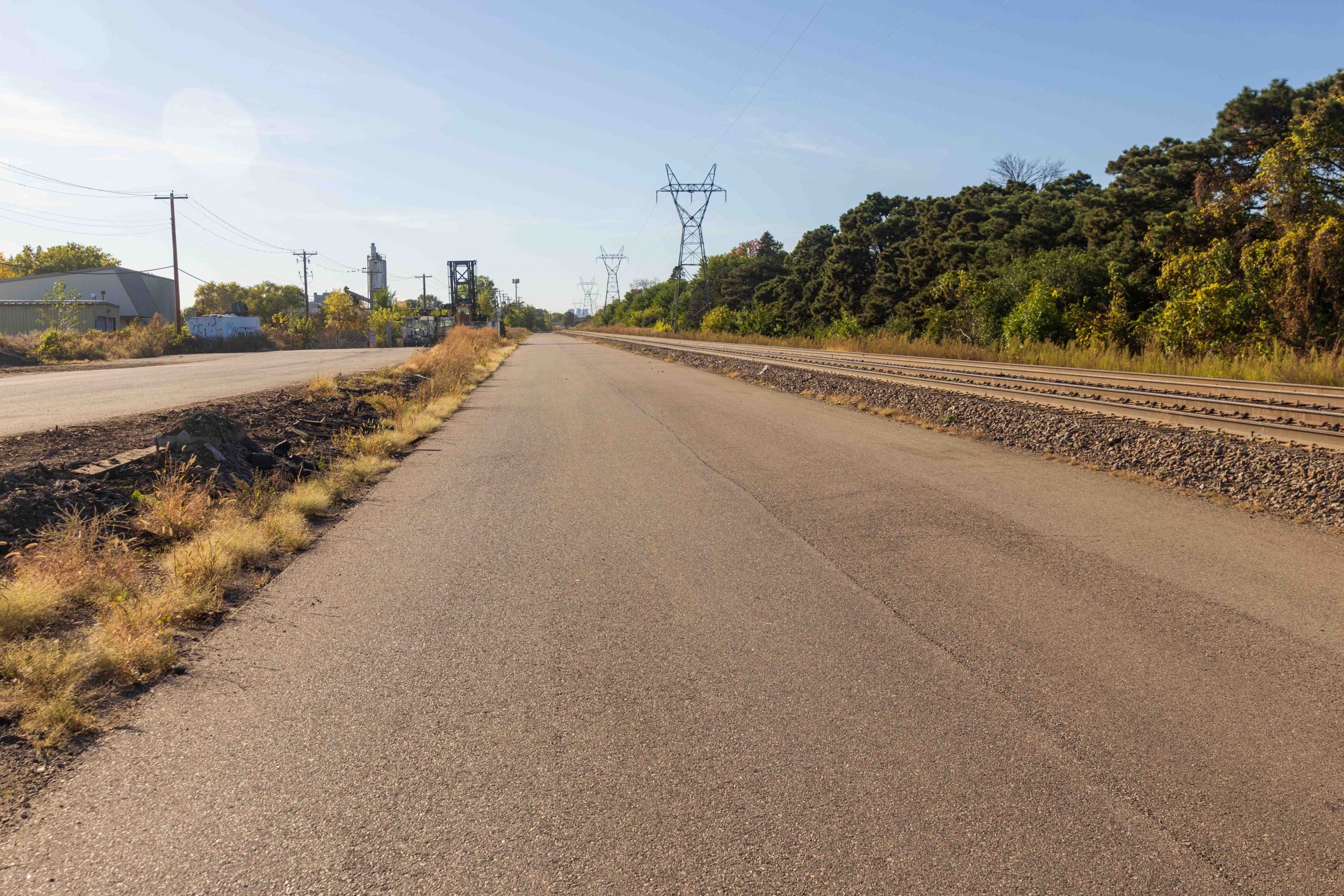
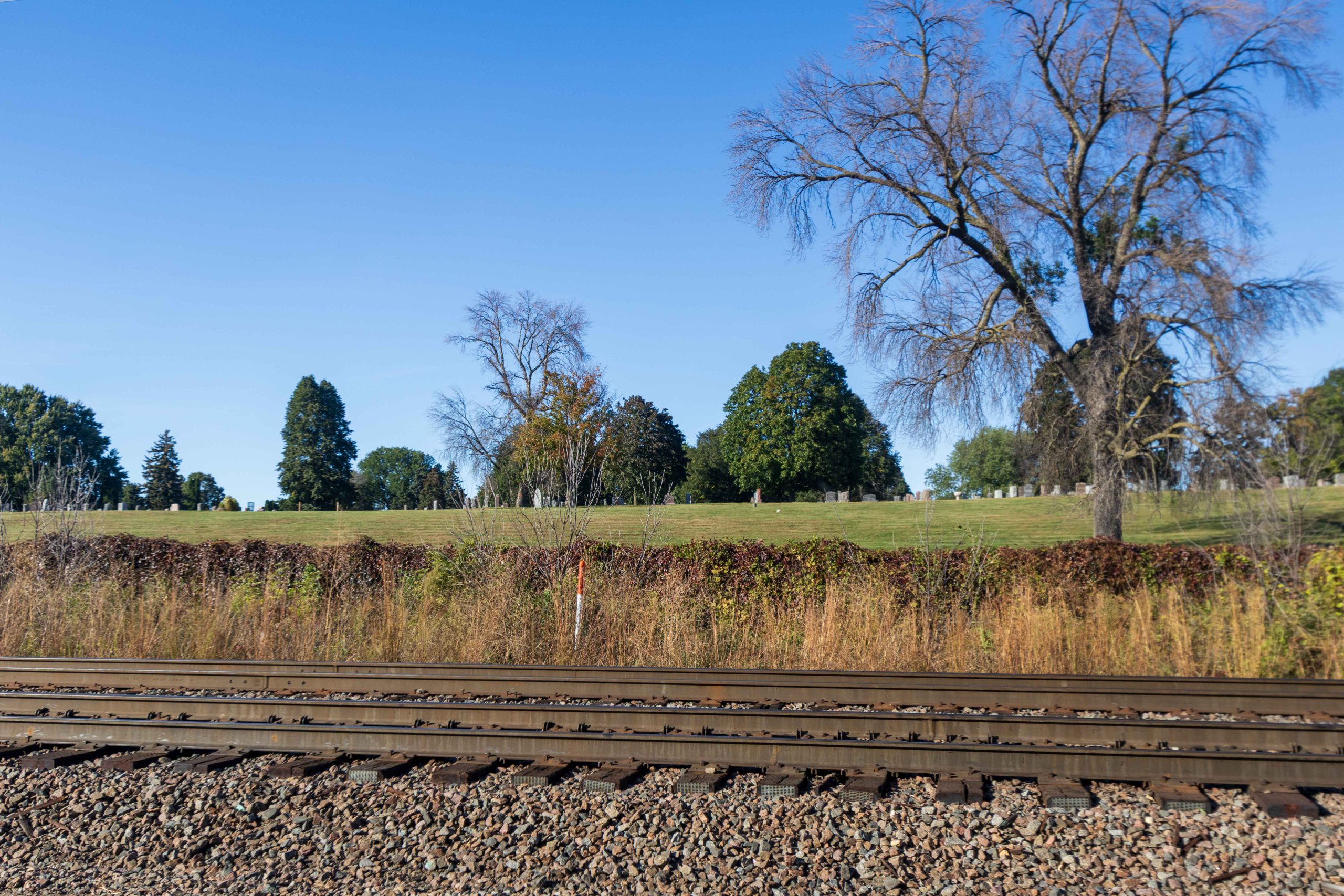
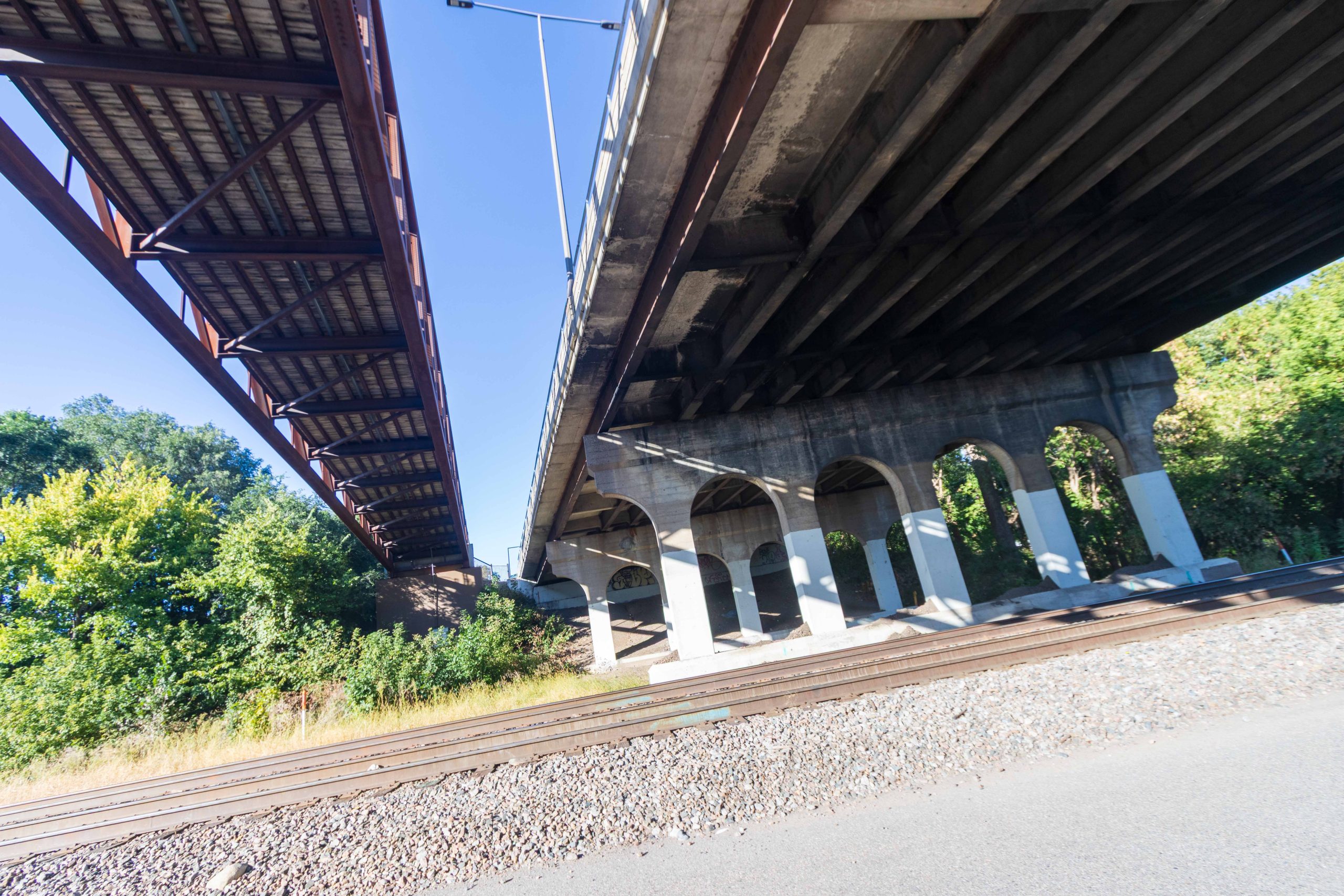
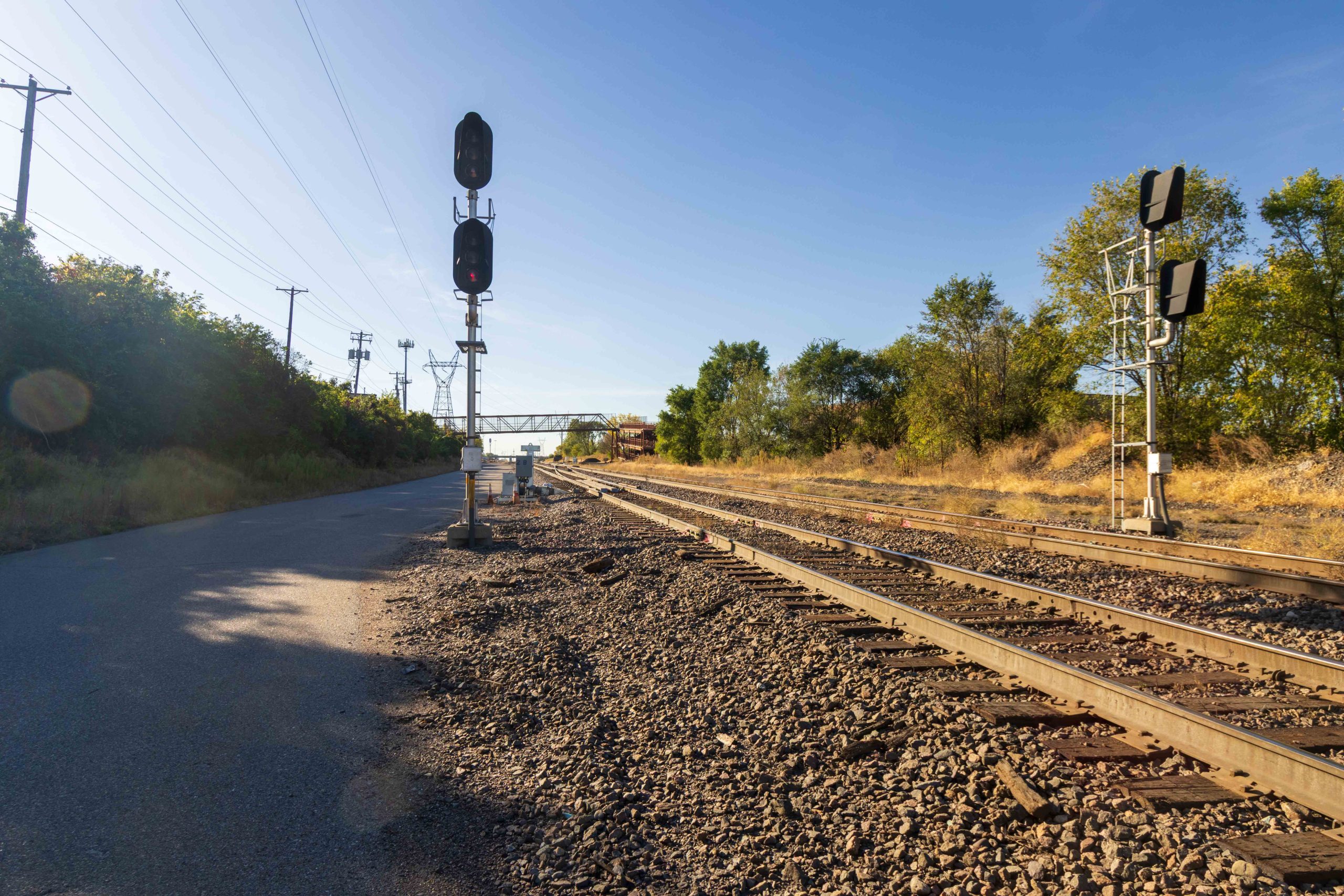
Hamline Avenue proved to be an opportune place to return to city streets. The bridge provides a safe way for pedestrians and bikers to cross between Hamline Avenue and Energy Park.
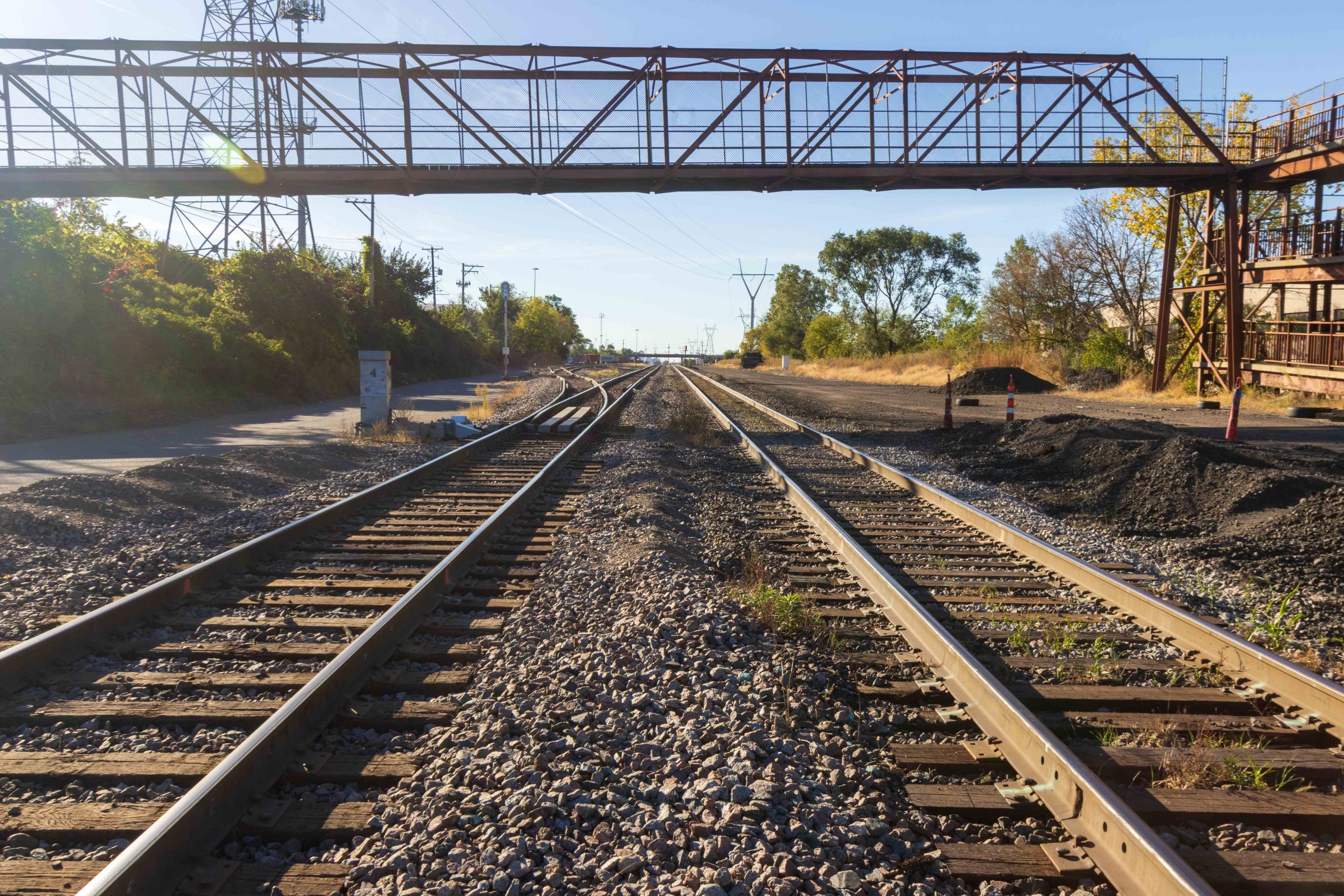

I’ve found that I rarely stop to take photos the last several miles of rides. Usually, I’m tired and hot and ready to get off the bike. This trip proved to follow that regimen and I rode straight home from atop the Hamline bridge.