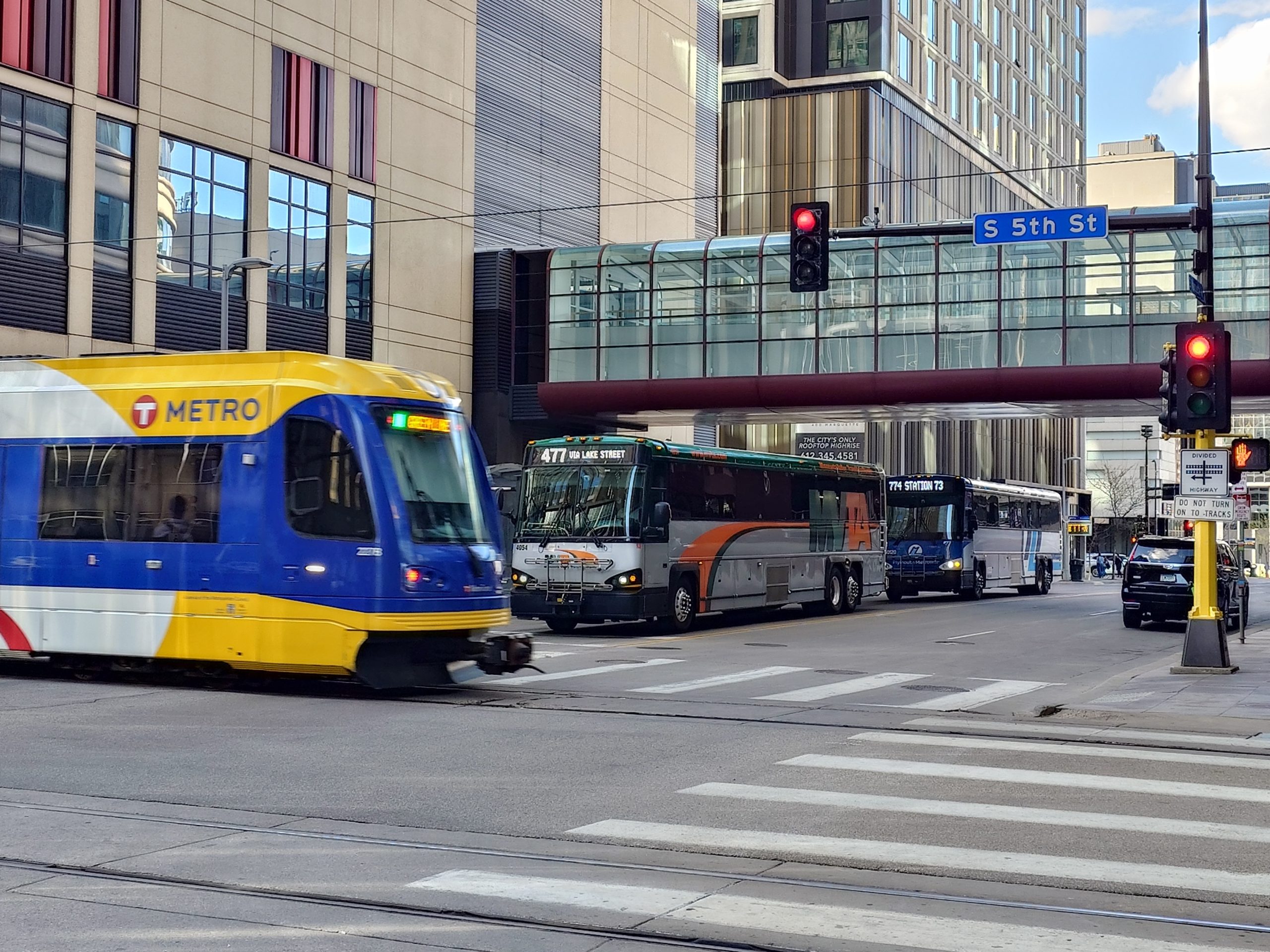
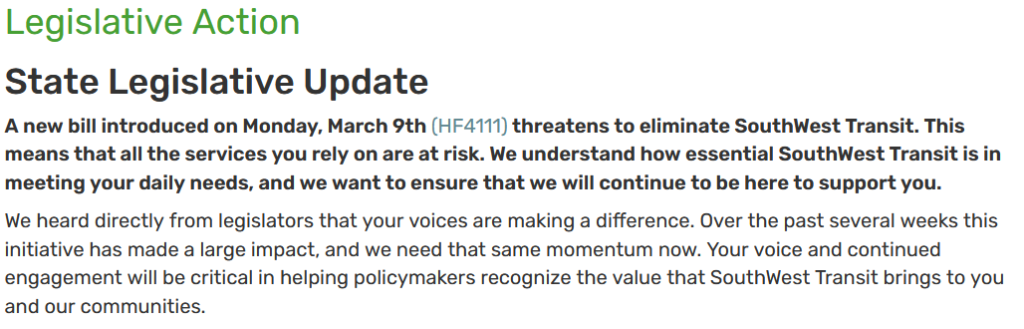
H.F. 4111 was recently introduced in the Minnesota House with the sole purpose of consolidating most of the Twin Cities transit operators under one umbrella. This has caused much kvetching from both the opt-out operators and many of their riders. The latter of whom, based on the testimony I’ve heard, seem to be under the impression that this would also be the immediate end of their bus routes. That’s not true; first the bill requires operations to stay the same for at least a year. Second, the $25M in annual savings from better integration and reduced administrative costs mean it’s fairly unlikely anyone will completely lose service. Third, this is made even less likely by provisions that require Metro Transit to study expanded service in these areas. Before I get into the particulars however, how did we get here?
History
The opt-out transit systems — Minnesota Valley Transit Agency (MVTA), Southwest Transit, Maple Grove Transit and Plymouth Metrolink — are an historic remnant of how transit funding decisions evolved over the years. They began back in 1981 when, because of perceptions about geographic inequity around the then-existing Metropolitan Transit Commission (MTC), the state Legislature allowed suburbs to “opt out” of receiving regional transit service.
Bill Lindeke, Does the Twin Cities need the ‘opt-out’ transit agencies anymore?
These four agencies were formed at a time when the MTC was retrenching on local, urban routes as suburban services had higher subsidies. At the time, the MTC was fighting a downward spiral. Aging equipment, dwindling ridership, white flight low funding, and the cost of acquiring the old Twin Cities Lines and several suburban operators (ironic eh?) meant the agency had to cut corners somewhere. The opt-outs arose as a way for suburbs to run the service they lacked.
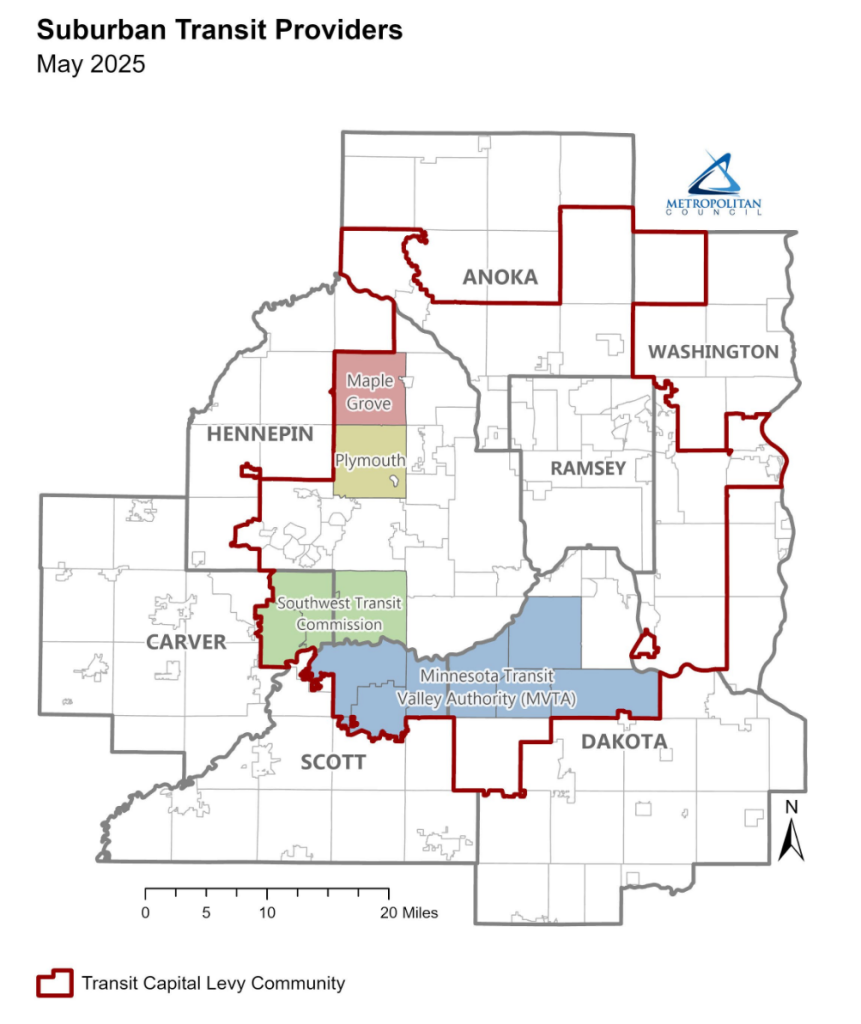
The idea had merit, but not anymore. The sticking prevalence of work-from-home has gutted these agencies, which were historically focused on rush hour commuter services. Metro Transit now has a stable funding base thanks to the 0.75% Sales and Use Tax. After shrinking significantly during the pandemic, the agency is now opening a record number of rapid transit lines and completely overhauling its bus network. These new routes are beginning to butt into the opt-out service areas, hampering future expansion. Cross-agency coordination is difficult on the best of days, and I have examples on how each of the opt-outs drag the region down.
Southwest Transit
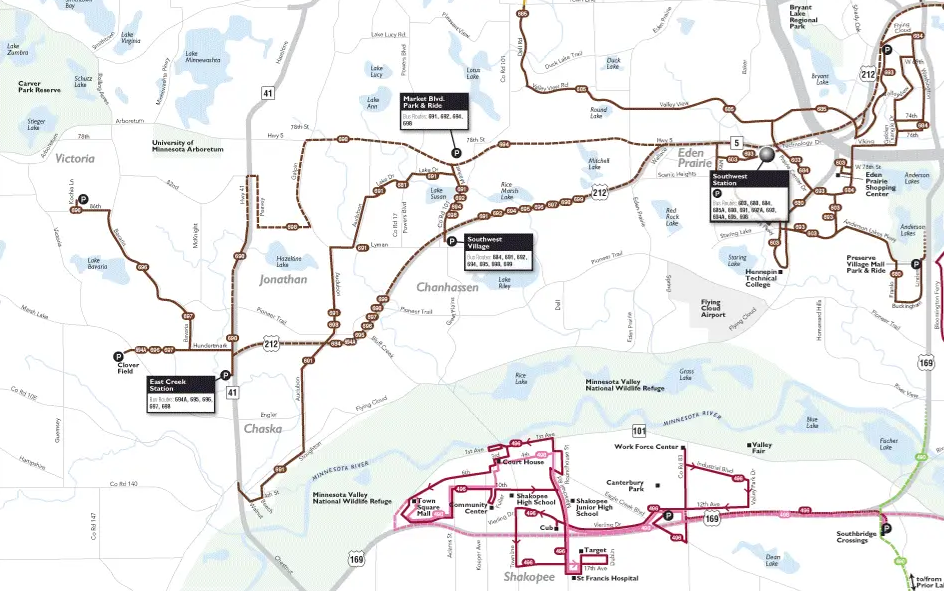
I’ll start with Southwest as they are both the loudest opponent and the agency I have the most issues with. I grew up in Victoria, and after college moved downtown to work in Chanhassen, so believe me when I say the agency is utterly useless for anything other than traditional 9 to 5 commuting or going to the state fair. The latter is all we used it for when I was young. If we did go downtown for Twins or Saints games or whatever else, we’d typically drive to one of the park-and-rides on the south end of the Blue line and take the light rail, or just drive the whole way. The convenience of frequent all-day service far outweighed any time or fuel savings.
When I was working in Chanhassen, there was one singular reverse trip out of Minneapolis each day. It arrived in Eden Prairie (their Chanhassen park and ride has been closed since COVID) at 8 AM and left at 4:30 PM. My work was a half hour bike ride away, or I could gamble my time with Southwest Prime. In other words, it’s useless for anyone working a full 8 hour day. Contributor Ethan Kleinbaum recently ran a similar experiment and reached the same conclusion.
While they’ve since added the 686, the persistent last-mile problem, a slow, hourly timetable, and circuitous connection to the Orange Line means I’d still waste two hours in each direction commuting compared to what was typically a 30-40 minute drive. Not literally impossible, but still not good. A friend of mine with a similar commute decided it was better to ride his e-bike every day. Also, it’s a bit strange that their one local route barely operates in their service area.
With the Green Line Extension ending right at the heart of Southwest’s operations, I welcome the opportunity to streamline the planning and implementation of any future feeder lines. I trust Metro Transit more to implement actually useful fixed route services further into the suburbs instead of wasting time on “autonomous” vans.
Maple Grove Transit
A similar story is playing out in the north metro. In a recent article, Richie Song bemoaned the lack of local transit connections into and out of Maple Grove from Brooklyn Park. This will also affect the future Blue Line extension, as the northernmost third of that line runs within about a mile of Maple Grove. Feeder lines to and from the city would arguably serve them better than the few rush hour express buses. However, Metro Transit has no incentive to run services into areas that don’t pay for operations, and the city of Maple Grove is beholden only to their own priorities and not the surrounding region, so any coordination of cross-suburb local services is exceedingly unlikely.
What’s wild about this case is that Metro Transit is the contracted operator of Maple Grove Transit, so this is purely an administrative road block.
Minnesota Valley Transit Authority
MVTA is easily the best of the opt-outs as they’re the only ones who make an effort at running local services. However, these efforts are hampered by a lack of connections to surrounding agencies and paltry headways. Part of the problem is geographic, being on the other side of the Minnesota and Mississippi rivers as the rest of the metro. However, they don’t do themselves any favors by duplicating existing services out of a sense of tribalism instead of trying to foster new connections. Both Chaska and Shakopee have nice, traditional downtowns, yet you can’t take a bus between them as they’re served by different agencies.
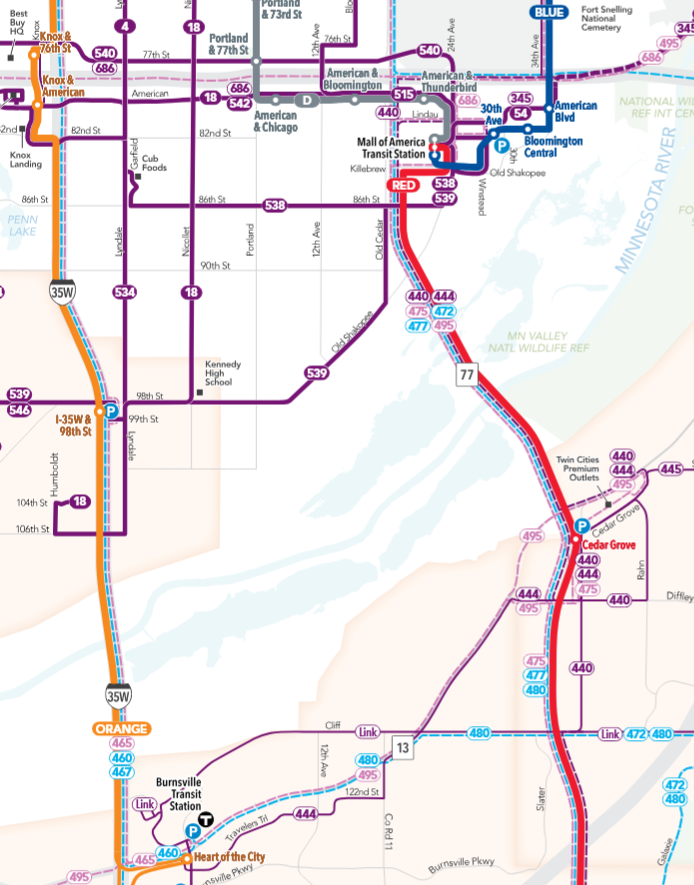
During the last snowstorm, a friend and I took the Orange Line, run by Metro Transit, and route 412, an MVTA route, down to Buck Hill. During which, I noticed a number of strange scheduling choices that can be chalked up to these agencies not properly communicating. For example, there’s only a five minute scheduled connection at Heart of the City station to the 412, despite the latter spending another five minutes as a layover at Burnsville Center. In my experience, the Orange Line can easily miss this connection during adverse weather, so why not schedule it later or make HotC the layover point? As the bus only runs once an hour, an extra five minutes is much more preferable.
The other mishap occurred on the ride back. All trips leaving at 35 minutes after the hour were cancelled, which is a problem as that’s the trip the 412 is scheduled to meet. If that route was also run by Metro Transit, maybe someone would have had the foresight to cancel a different trip. Better yet, they could more easily work with the city of Burnsville on their proposed extension of the Orange Line, running it directly to Buck Hill or even into Lakeville to consolidate other express routes.
Plymouth Metrolink
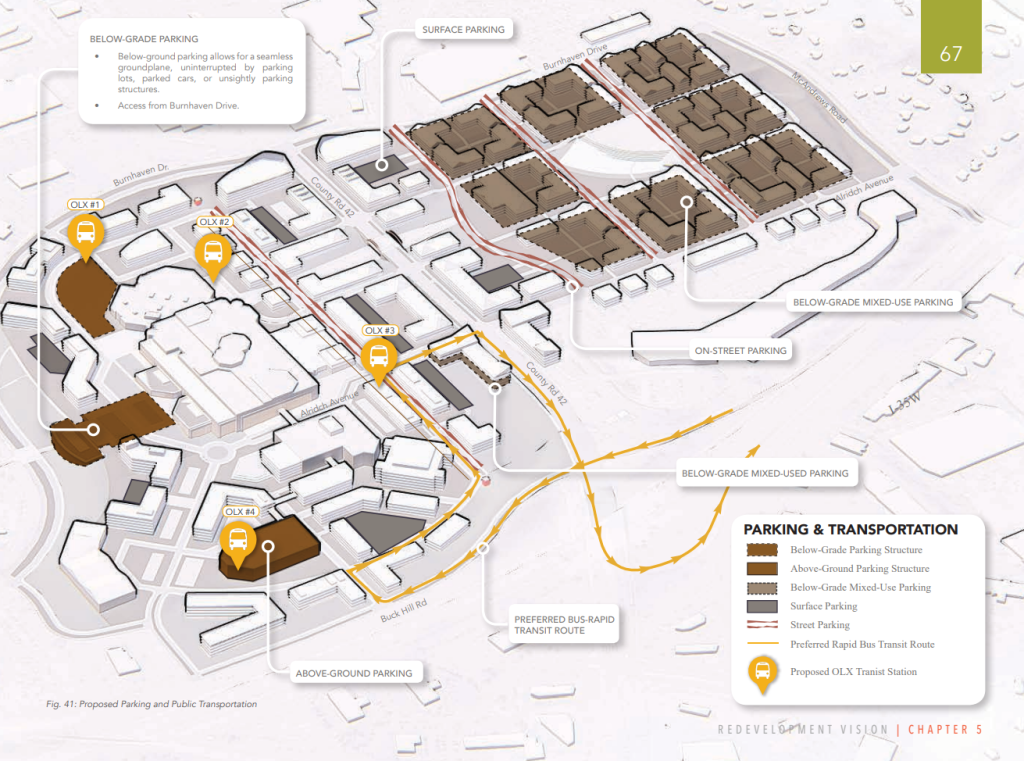
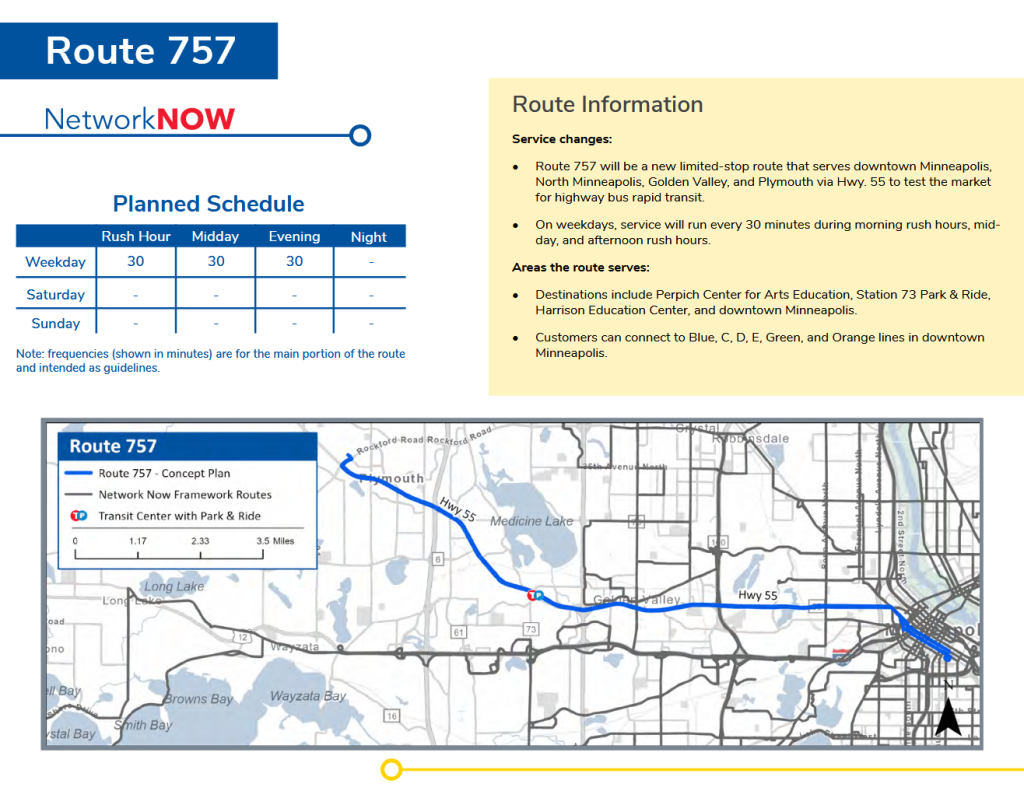
Plymouth Metrolink shares all the same problems as the other three. They have peak-heavy service focused on downtown commuters, don’t integrate with their surrounding area, and in 2027 will have Metro Transit drive a stake through their heart with route 757. This route will be a testing ground for future highway BRT (i.e. Orange or Red Lines) along the route, and will naturally stand to benefit from proper feeder lines. At this point, you know the pattern.
The Deal
I said it at the start, but it bears repeating: this is a bill to consolidate all Metro area transit agencies under Metro Transit. This is NOT a bill to eliminate all the services that those agencies provide. They’ll carry over for at least a year after consolidation, which per the bill text is a process that won’t start until 2027. There’s also a requirement that Metro Transit must maintain a similar level of coverage and service on all route except those identified in the high subsidy route study.
Here’s where I am again bullish that no one will truly lose service. Down at the bottom of the bill, there’s a provision no one seems to talk about. The Transit Service Enhancement Study is being commissioned to study additional bus service up to and including Bus Rapid Transit specifically in the areas the opt-outs serve. This would be due February 1st, 2028. Ultimately, this bill isn’t about tearing out suburban service, but giving the areas not served by Metro Transit their own version of Network Now.
The New Deal?
In the end, my biggest complaint is that this bill doesn’t go far enough. First, the TSES not allowing Light Rail as a mode I think is a hindrance as two of our future extensions will operate in and around opt-out territory. We shouldn’t hinder future routes with unnecessary mode changes.
Second, the 3/4 cent sales tax is a metro-wide tax, so why are services limited to the existing Transit Levy community? To put it another way, why not take this opportunity to extend both those borders and Metro Transit’s service area? At the very least, lump in newer suburbs like Victoria or Farmington, though personally I’d like to see the whole 7 county metro. I’ve still got friends out in Mayer or Norwood Young America I’d go see if that was an option. Get me a seasonal bus to Afton Alps, maybe I’ll finally give in to those outrageous $105 lift tickets. Technically yes I could drive to these places, but who wants to do that?
My final criticism is the time frame. I appreciate wanting to get this done quickly so it doesn’t get bogged down in opposition or procedure, but is less than two years really enough time? Network Now, the most comparable program, took 3-4 years to get off the ground and is still being implemented, and probably still will when this report is due. It may be prudent to throw at least two more years into this timeline.
Still, this is a huge step in the right direction for transit connectivity across the metro. I welcome HF1111 and its senate companion SF4326 with open arms. In these trying times, I’ll take a victory wherever it may show up, no matter how small or flawed.