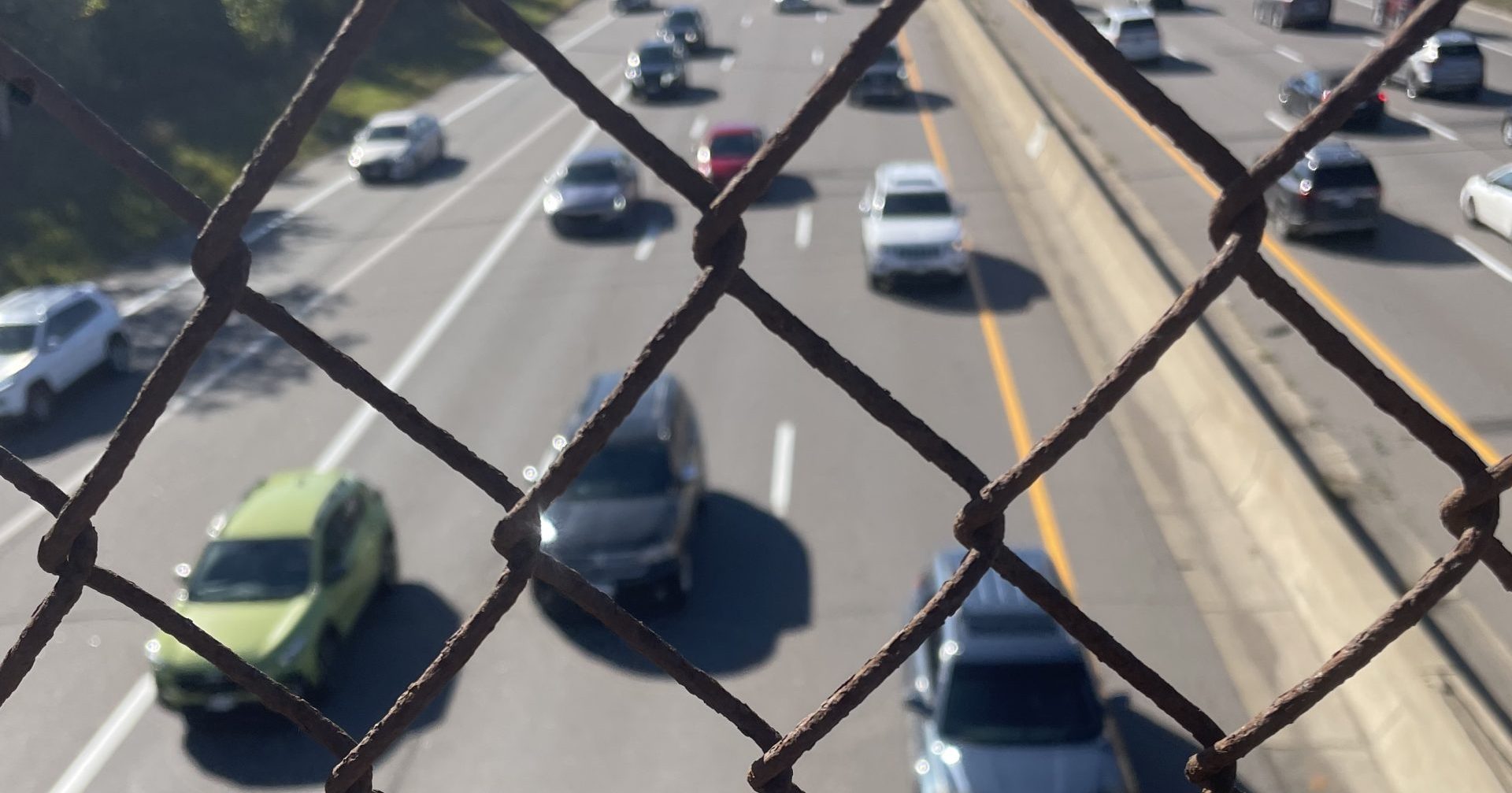
What would change in your life if driving wasn’t an option?
That is the question posed by Week Without Driving, an annual campaign — running Thursday, October 1 to Thursday, October 8 in 2026 — that aims to help those of us who do own a car interrogate our transportation habits. And learn to practice new ones.
Launched in 2021 as a Disability Movement Initiative, #WeekWithoutDriving is the brainchild of activist and author Anna Zivarts, who wrote for Streets.mn in 2025 ahead of public appearances in Duluth, Minneapolis and Rochester.
Week Without Driving encourages registered participants to put themselves in the shoes of people who can’t afford a vehicle, who have aged out of driving, who don’t qualify for a driver’s license or who are physically unable to drive. It’s called empathy.
“For people who can grab their keys and go, transportation often isn’t a major concern,” says the Week Without Driving homepage. “But for those of us who can’t drive or can’t afford to, transportation is something we think about daily.”
As a car owner who can afford gas and upkeep on my plug-in Prius, and an active transportation advocate who aims to drive as little as possible, I designed my own Week Without Driving ahead of the actual event. Each day, I tracked my progress — and setbacks — along with learnings that I hope will help Streets.mn readers navigate the challenge come October 1. And beyond!
Lesson 1: Maximize your transportation choices.
I am blessed with the physical ability to get around by foot, bike or mass transit. Still, “not driving” requires a series of decisions. The most consequential one is to live in a transit-friendly neighborhood, an easy choice for me after 14 years as a workaday commuter from Northfield.
Two city bus lines, two Bus Rapid Transit lines and the Green Line light rail are all within reasonable walking distance of my home (if you consider up to 15 minutes to be walkable). Even so, especially in a smallish city like St. Paul, driving is way more convenient than taking time to learn the Metro Transit routes, to plan my wardrobe so I can move, to factor in walking time to get to the bus or train and the inevitable wait time when the bus or train is late.
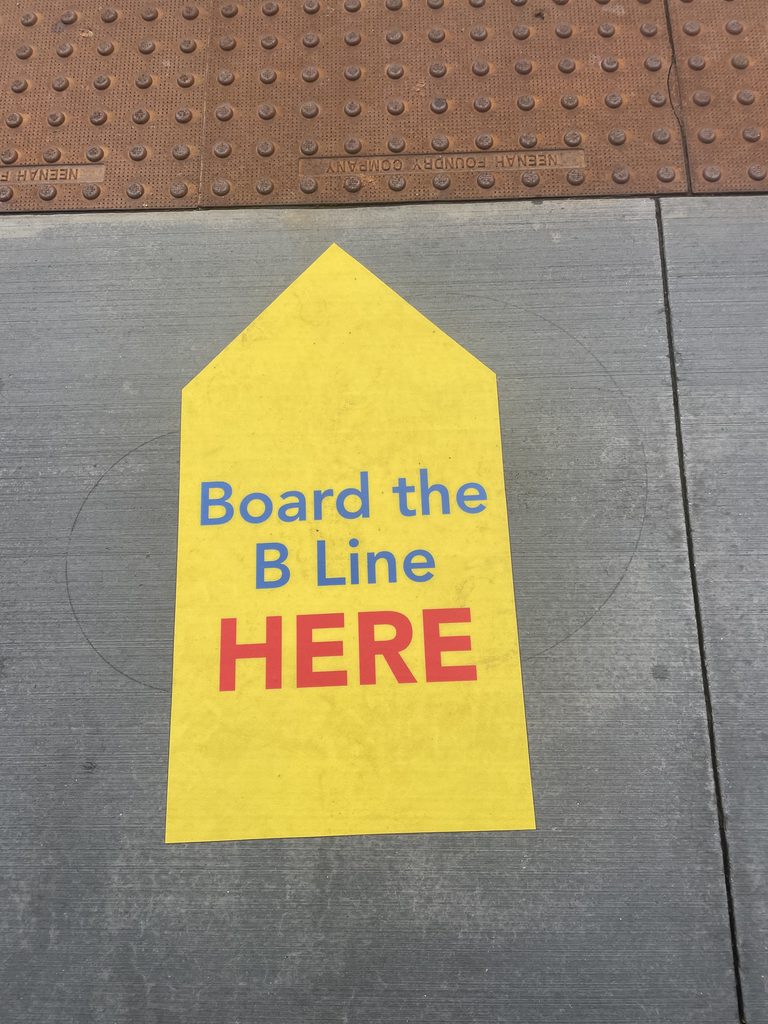
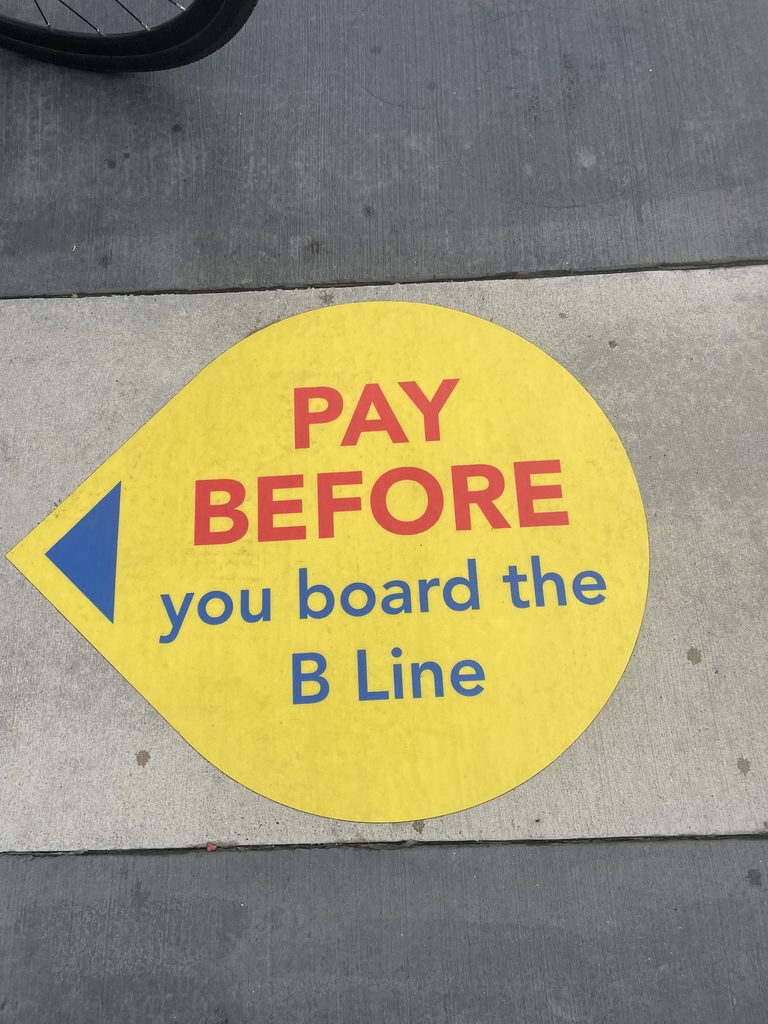
A car-free lifestyle, though healthy and rewarding, does require intention and motivation.
My first day’s trip, on a low-key Sunday, was a three-block walk to the B Line BRT to meet a friend from Duluth for brunch. Coming home, I walked eight blocks to Rivers Co-op Market (being careful to buy only the groceries I could carry) and then got back on the B Line there.
None of it was hard to do — in fact the walking energized me on this sunny, 70-degree day — but active transportation did require more initiative than hopping in my car. And, like many people, I have fewer commitments on a Sunday. Would my willingness hold up on busy weekdays?
Week Without Driving challenges you to rely on riding the bus, walking, biking/scooting or asking for rides to understand what it takes to get where you need to go without driving.
Lesson 2: Lead by example.
On a decidedly less balmy Monday, I walked to a neighborhood coffee shop to meet a fellow Planned Parenthood volunteer and then crossed the street to take the A Line BRT to work out at my gym several miles away. (Pro tip: When someone asks to meet with you, insist on a location convenient for your active transportation goals.)
The volunteer told me he rarely uses the city bus line two blocks from his house on Summit Avenue — and he had never heard of bus rapid transit. He and his family even drove to the Minnesota State Fair, paying $40 to park on someone’s lawn. But at least he was curious about my transportation habits.
Later that afternoon, my banker expressed surprise that I had walked to our meeting in a heavy rainstorm. When I explained that I lived only six blocks away, he said he had driven to work rather than walking less than a mile because he was tired from refereeing his children’s soccer games the day before.
- The Environmental Protection Agency (EPA), even in the anti-climate Trump administration, encourages biking or walking to commitments less than a mile away.
- Other multi-modal and climate enthusiasts encourage bundling activities if you drive — completing two or three errands in one car trip, for example.
- The City of Saint Paul’s Climate Action and Resilience Plan calls for 40% of all trips within the city to be taken by bus, bike or transit by 2030. That’s only four years away.
I mentioned none of this to the banker because virtue signaling and shaming don’t motivate anyone to change. But maybe by cheerfully shrugging off a rainy walk, I inspired him to rethink his choices.
Regular physical activity, like walking and biking, may help you lose weight, live longer, boost your mood, and reduce your risk of heart disease, diabetes and certain cancers, says the EPA.
Lesson 3: Make “not driving” fun!
As an 18,000-steps-a-day pedestrian, I am already well acquainted with the joys of walking, and Week Without Driving only reinforced those. A good day for me is one spent outside the confines of a car.
I enjoy moving around the city on my hybrid bike, which included a visit with retired MnDOT landscape architect Liz Walton during Week Without Driving. A year younger than me, at 68, she rides for exercise and to improve the environment; for social reasons (we met on BikeMN’s Salted Nut Roll ride in August); and because biking can be faster than driving.
“There’s not one reason,” Liz explained, though the increase of “lawless” drivers since COVID-19 also keeps her out of her household’s two vehicles.
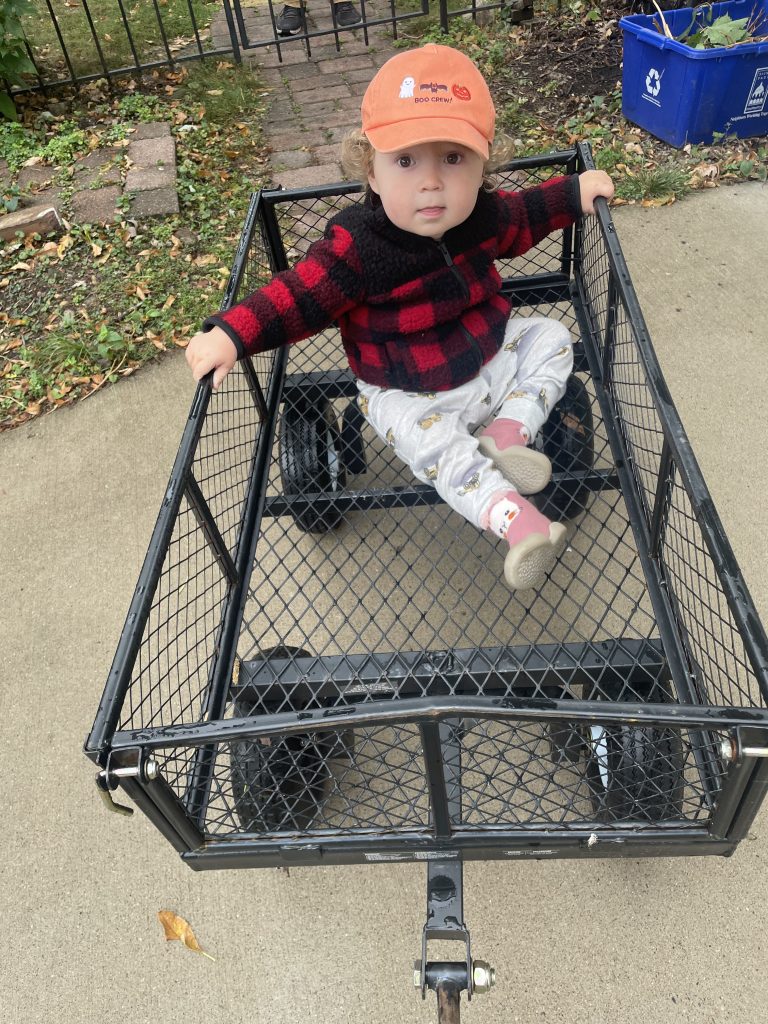
Safety is why my husband and I refuse to buy a car seat for our toddler grandson, who lives nearby. Instead, we invested in a top-notch jogging stroller, and I found a large yardwork wagon in an alley during one of my daily dog walks. We use those wheels to see the neighborhood, visit the public library or go to a playground, and we recently took Arthur on his first Metro Transit ride. I won’t risk an accident with precious cargo in the backseat of a car.
Week Without Driving “is a firsthand learning experience so that those who have the option to drive can learn about the difficulty non-drivers often face navigating everyday life.”
Lesson 4: Grant yourself grace, and keep trying.
The last day of my self-imposed Week Without Driving was cold and rainy all day. I used the Prius twice — both times for short trips and in the electric “eco” mode, so no gas. “Active transportation takes time,” I told myself, as I got in the car 20 minutes before an early-evening meeting. I could have biked the 4 miles, but I didn’t want to cycle home on potholed St. Paul streets after dark and risk a fall.
I told a friend that encouraging people to stop driving one day a week — and building upon their commitment from there — made more sense than a solid Week Without Driving. “It’s not a purity test,” he replied. And, indeed, the initiative’s website says as much.
“If you have to drive, this doesn’t mean you failed the challenge,” organizers explain. “Instead, use this as an opportunity to reflect and consider what this means for non-drivers.”
The website asks participants to reflect on questions that circle back to Week Without Driving’s ultimate call for systems change:
- Did navigating different forms of transportation affect my mood, health and focus?
- What activities became harder or impossible to do?
- If I had the power to change things, what would I change first?
I would have the state mandate a driver’s education refresher course every 5 years. Then I’d encourage more and faster transit options, more separated bike lanes and more consequences for lawless drivers who give no thought — let alone empathy — to those beyond the darkened windows of their SUV.