
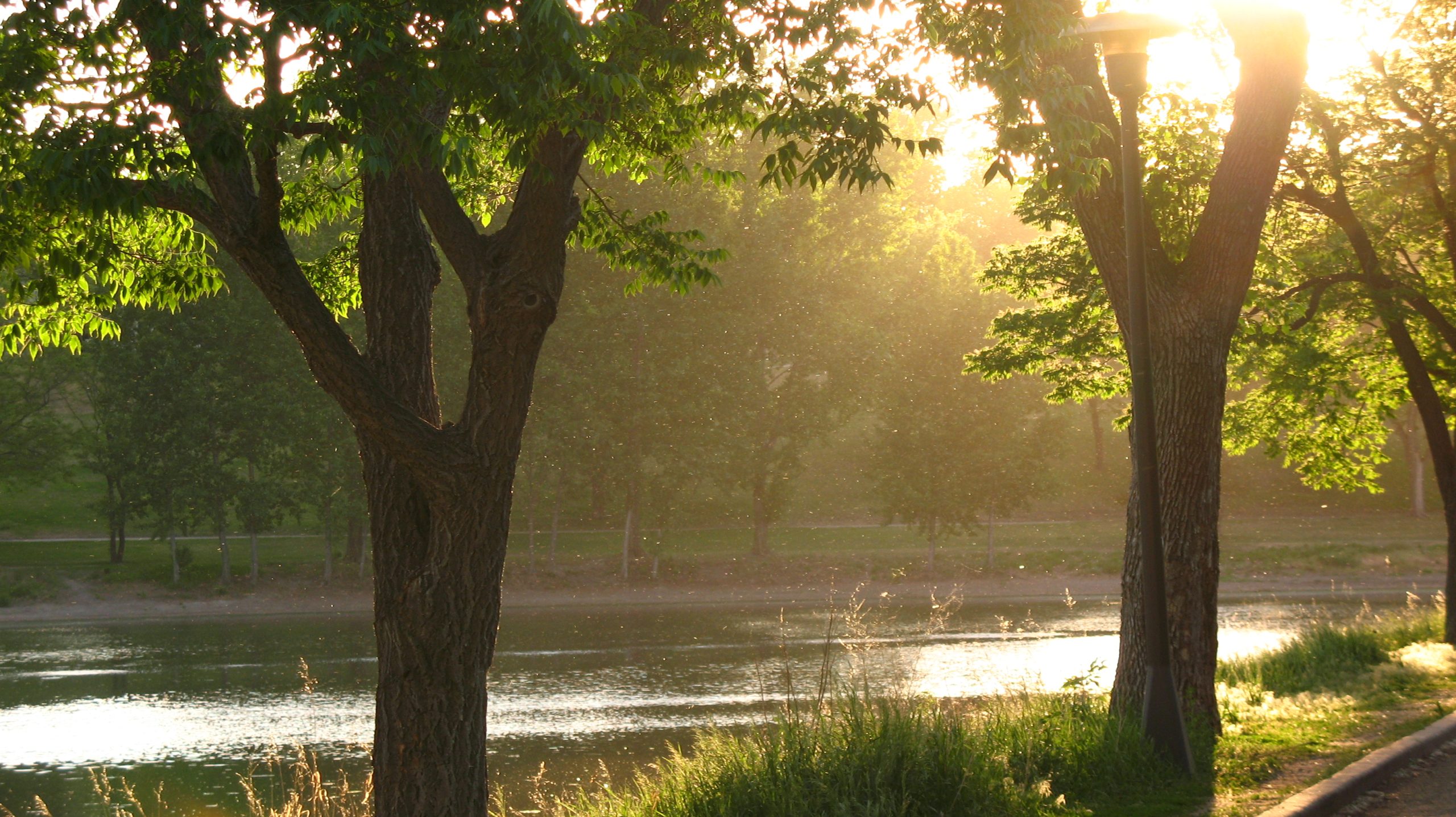
We live across from Powderhorn Park, one of Minneapolis’ beautiful city parks, and when it’s quiet, our block can feel like a step outside the city. A Parks and Recreation rec center, plenty of trees and a small lake glinting in the sun keep this corner calm. Toddler playgrounds in the southeast corner are pretty much the center of the universe for young families. During warm weather, we watch a constant stream of dog walkers, moms and dads pushing strollers and walking preschoolers on starter bikes, and bike commuters cutting south from the Midtown Greenway.
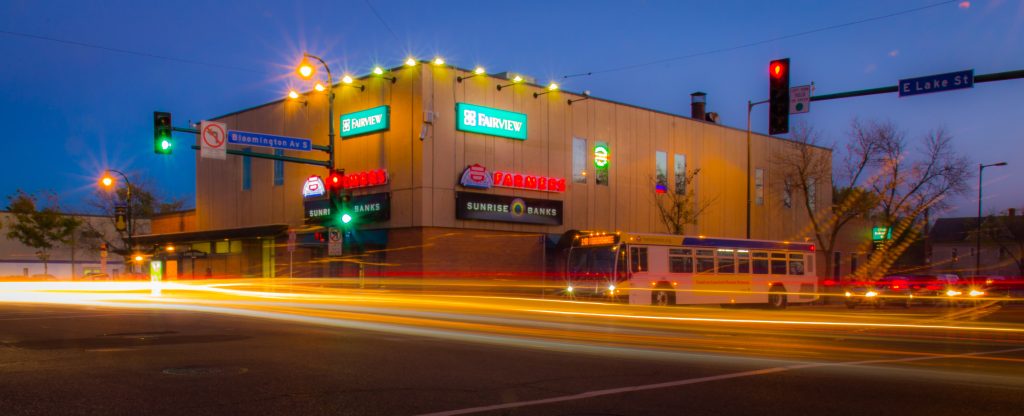
When it’s not calm during morning and afternoon commuting or when construction slows the flow, traffic migrates off the busy commuting corridors — Lake Street, Bloomington and Chicago avenues — onto side streets, and traffic on our streets becomes a frightening force of menacing tailgaters and rolling right turns at busy corners. Drivers take the frustration from navigating stop-and-go Lake Street out on side streets, ripping south to cut through 31st Avenue.
Powderhorn Park skews young and white, with more native Spanish speakers all the time. Many of us would identify as some stripe of progressive/left. We call and email the Minneapolis City Council when we get riled up. We will also, at times, make let’s say “not-officially-authorized changes to traffic control infrastructure.” At some point during the protest summer of 2020, an unnamed cabal of fed-up neighbors built a bootleg roundabout in the middle of an intersection near Cedar Avenue that still stands today. (These folks have my silent admiration, whoever they are; this is the finest living example of bootleg urban design we’ve seen in our time as Minneapolis has struggled to accommodate the transit needs of a growing city.)
Call and (No) Response
Powderhorn neighbors have been asking for stronger traffic controls since at least the mid-1980s. We’ve been calling, petitioning, attending meetings and, once the internet came along, emailing the Park Board, City Council and whomever else we thought might listen.
Neighbor Shari Albers moved here in the mid-’80s. She remembers her mother-in-law, Mildred Miller, in dialogue with the city regarding “speeding cars on the 3200-3400 blocks of 15th Avenue South. Mildred’s activism resulted in two stop signs installed on 33rd Street East at her corner. She had requested they be erected to stop traffic on 15th, which irked her forever after.”
The fight to slow speeding cars simmered from Mayor Don Fraser’s time in office (1980-1994) into the new administration of Mayor Sharon Sayles Belton in the mid-’90s. In 1995, Time Magazine even named our beautiful city “Murderapolis.” It was hard to ignore the new moniker, as we endured summer nights with gunshots and squealing tires interrupting sleep and keeping us on edge.
We complained throughout the 1990s and early 2000s about cars speeding through our neighborhood, as well as boom cars and commuters rolling stop signs and shattering what should have been an island of urban calm. Bicyclists and walkers weren’t safe, and we lived in a near-constant state of irritation at traffic. Most of this was pre-internet and email, so we sent letters through the post office and called from curly-corded kitchen phones.
Shari recalls seeing a child get hit by a car in front of her house in the late 1990s and remembered that their “block club also applied for removable alley speed bumps but did not get funded.”
Crime slowed into the 2010s and South Minneapolis neighborhoods calmed a bit, but we kept many of our speeders, stop light runners and tailgaters, so the phone calls and emails continued into the R.T. Rybak and Betsy Hodges mayoral administrations.
Summer 2020
Our Powderhorn Park neighborhood was sweating out the summer of 2020 after Minneapolis police officer Derek Chauvin murdered an innocent man, on the street in front of Cup Foods, at 38th Street and Chicago Avenue, just blocks from the park. Mayor Jacob Frey had entered his first term, and he and then-Minneapolis Police Chief Medaria Arradondo were getting hammered from all sides. It quickly flamed into a summer of outrage.
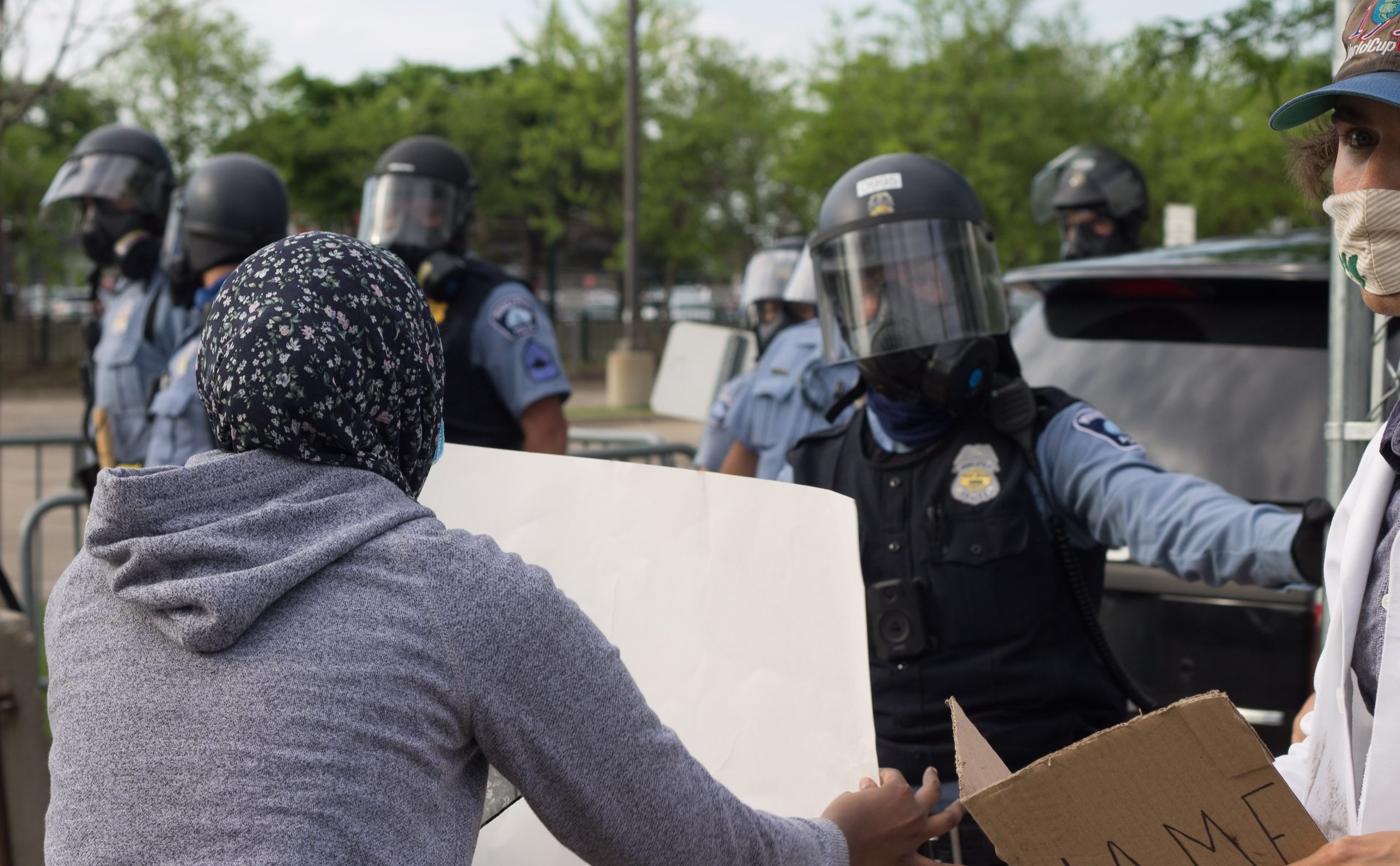
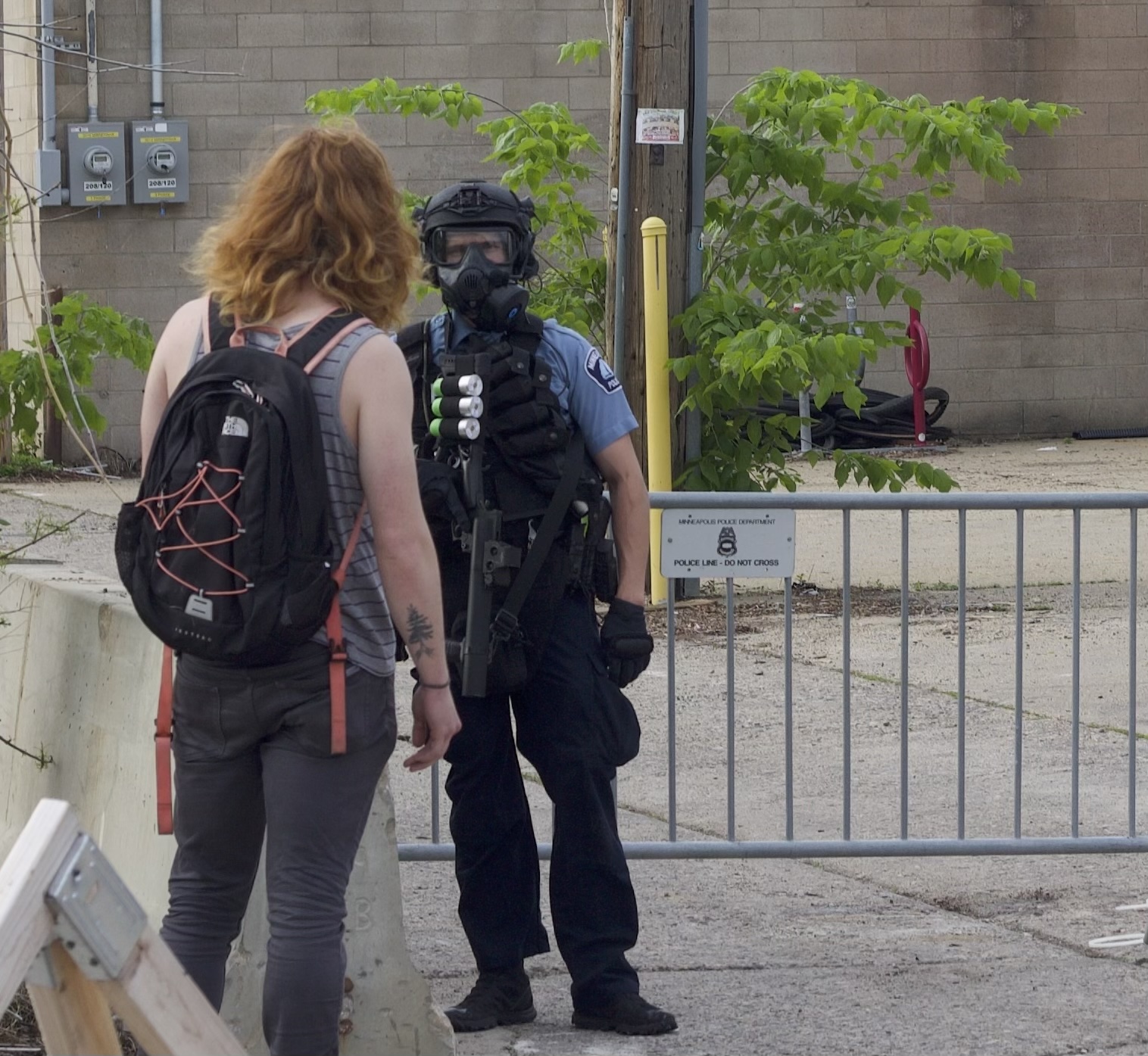
Protestors captured coverage from international news crews when they burned the Minneapolis Third Precinct building at Lake Street and Minnehaha Avenue — Derek Chauvin’s home station — and nine Minneapolis City Council members joined the call to “Defund The Police.” Speed bumps were clearly not a priority for overworked city and park staffers.
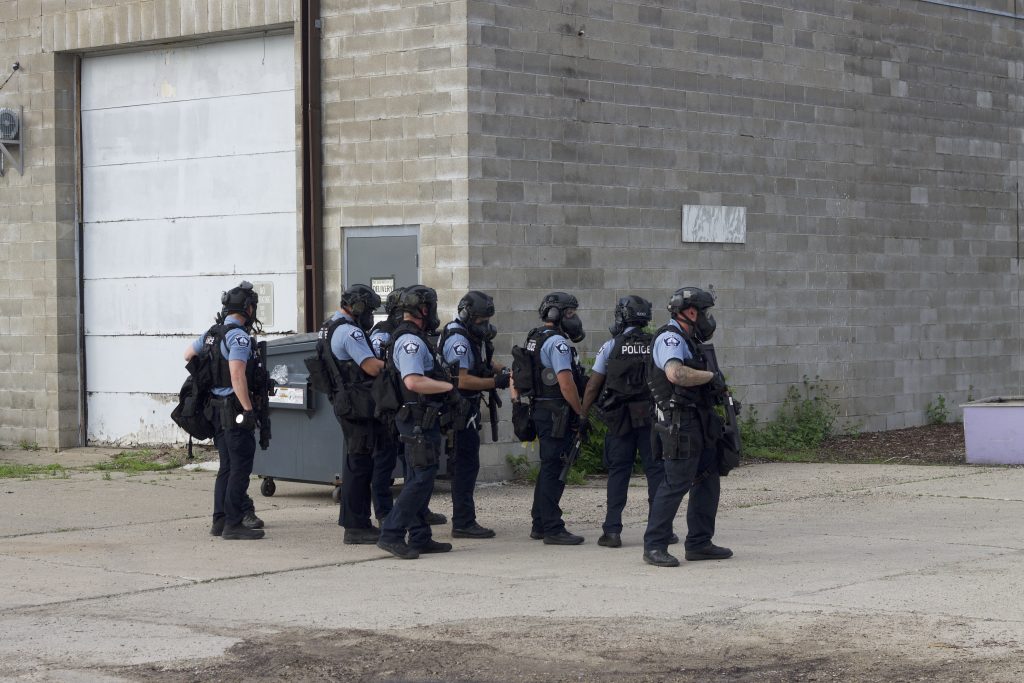
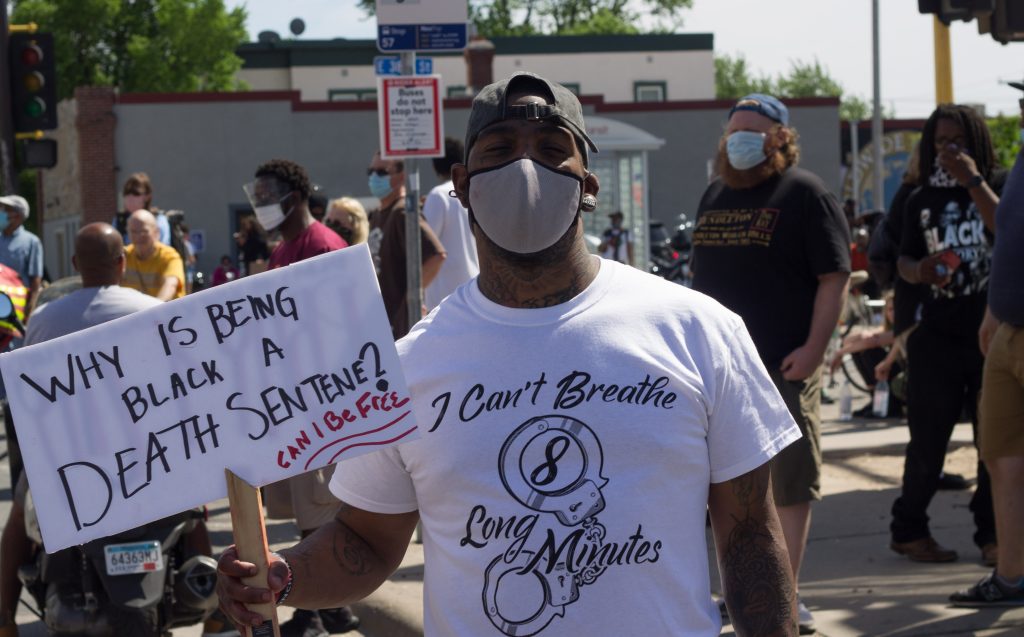
Minneapolis 311 customer service staff did respond to one of my requests for better traffic control during a summer with growing turmoil: “Good afternoon, Steve. We won’t be adding speed humps or stop signs where you requested.”
By late June, an encampment of unhoused residents had grown into a mass of some 400 tents in the upper fields at Powderhorn Park, and several hundred people were living rough, as the city squeezed people experiencing homelessness from one bad situation to another just blocks away — 55 different sites over the course of the summer. It was hot, and we were hot. Crime, open drug use and sex workers were common, and drivers seemed to have grown feral and angry.
Protest was a constant drone as we navigated our intensified status as a neighborhood on edge. Like the helicopters overhead most of the summer, protest became part of how we accommodated the changed reality of our neighborhood.
June 2020 was rough, and in the wake of an edgy July 4th weekend, I was deep into an email chain with the city, asking for help. “We desperately need traffic-calming on our street.” Powderhorn Park Neighborhood Association Director Tabitha Montgomery wrote back to say she had looped in the Public Works department and to tell me she had urged City Council members to do a better job dealing with the fallout from protests at the killing of George Floyd and the mass of people living in Powderhorn Park.
The nice person at 311 said we could buy speed bumps for our alley (as long as we took them out before winter), and after more prodding, did finally “submit a ticket.” I reminded them that “speeds and unintended traffic on 15th Avenue have been an issue for years… Assuming the drug dealing, heavier traffic, random violence, gunshots, house burglars, vandals, noise and gawkers go away when we finally find homes for everyone, we will still be here on the side street that serves as a way for cars to bypass Bloomington Avenue.”
By mid-July, George Floyd Square at 38th Street and Chicago Avenue had taken on an air of permanence, and local artist Mari Hernandez’s mural with names of people who had been killed by police covered most of the street surface north of the intersection.
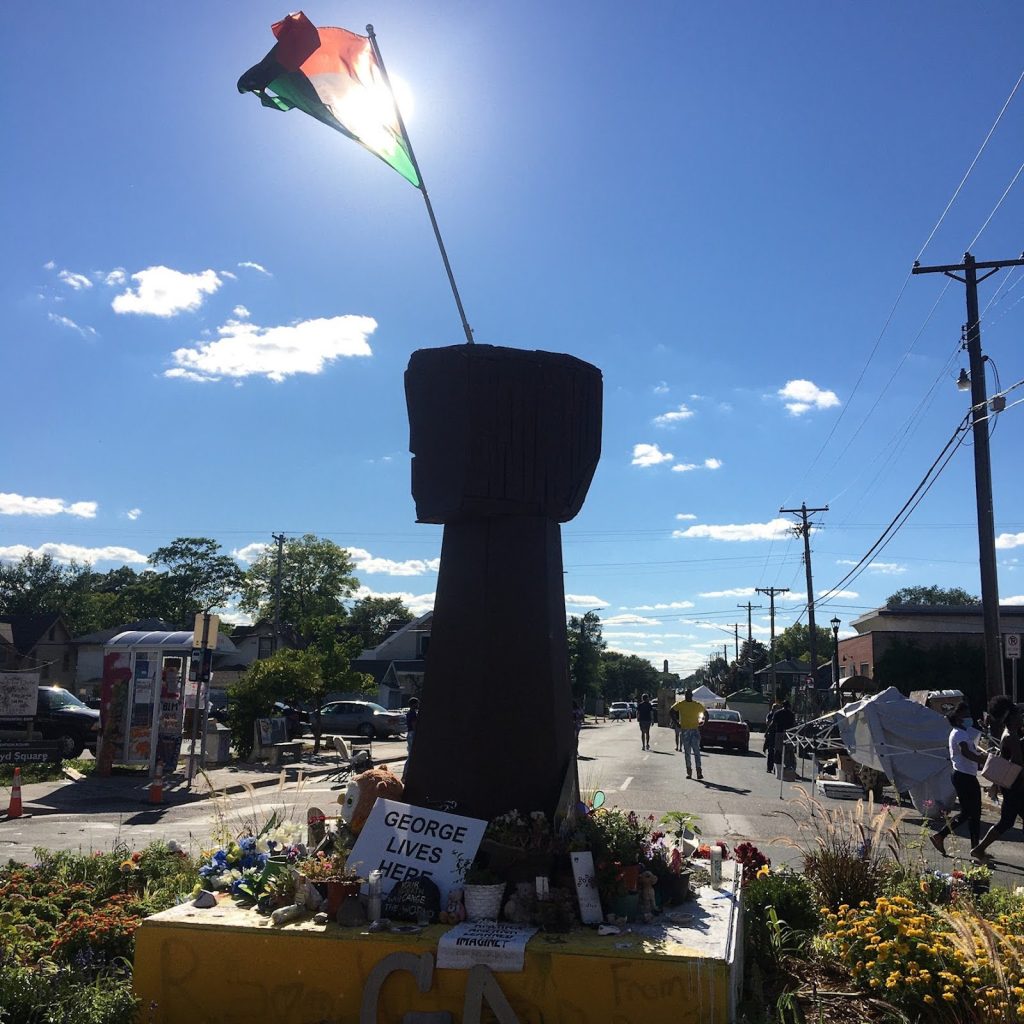
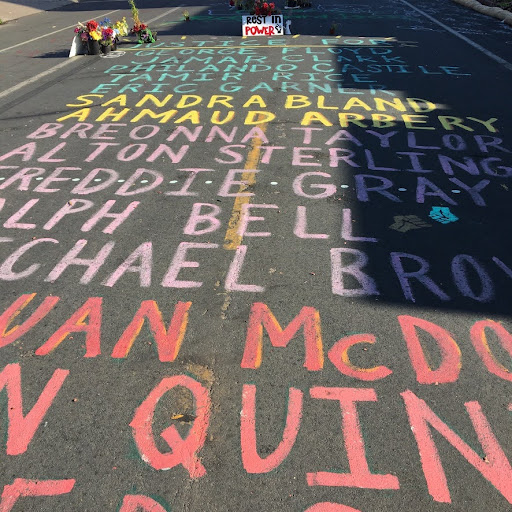
On July 16, 2020, our then-City Council member Alondra Cano asked what specifically we wanted. I clarified, “I want speed humps on 15th between 32nd and 35th, two per block, and I want a permanent island with stop signs in the middle of the intersection of 15th Avenue and 34th Street. I want something visible, that drivers have to slow down to navigate around.” I was cautiously optimistic, and played nice until August came and went. But as the city’s heat held us in a sweaty, powerless funk, mid-September dragged on.
The buzzkill email we got from Public Works made it official: “Our Safety Team has investigated the request and does not recommend any changes at this time.” When I asked for clarification, they replied, “We won’t be adding speed humps or stop signs where you requested.”
I wrote councilmember Cano again: “It takes me about zero minutes of sitting on my front steps to see someone cruise through the stop sign at 34th and 15th. When a small child is run over, when a mom is hit, when a biker is killed, it will be on your shoulders.” I would probably word that one differently now (apologies, Ms. Cano), but we didn’t know how else to get them moving on to a solution.
To her credit, Cano said, “I know. I appreciate your burning patience, it’s just that Ward 9 broke and we’re trying to keep all the pieces glued together.”
Responsibility to Protest
The Twin Cities, and Minneapolis in particular, have a long-documented history of structural racism excluding communities of color from opportunity and integration. From I-94 construction destroying historic Rondo in St. Paul in the 1950s and ’60s, to I-35 displacing largely Black neighborhoods in South Minneapolis starting in 1959, interstates separated communities from more prosperous neighborhoods, and tore the fabric of long-marginalized minority communities.
We wondered if we were living through the latest in Minnesota’s move to keep minorities down. Was the quiet part being said out loud? If the only way to square the reality of the knee on the neck was to acknowledge officer Chauvin’s place in Minnesota’s history of institutional racism, weren’t we — most of us white people with the privilege to speak out without fear of retaliation — obligated to act?
Surprise! The city finally seemed to be hearing us. In spring 2022, die-hard neighbor Shari got an email saying that citizens could fill out a form requesting traffic calming. She responded, and for what felt like the zillionth time, described traffic speeding down side streets, brakes screeching, nighttime speeders taking out parked cars and, once, destroying the heavy guardrail separating the street from the park. Again, she pleaded for speed bumps.
Months later she got a response from the city saying something to the effect that “our area was not in dire need, but would be kept on some sort of list.” Another nothing move from the city, and it seemed like while other neighborhoods were getting protected bike lanes and robust signage, the city was content to ignore our pleas.
By late winter, March 2024, things started to pick up. Two more years had passed when Shari and others in our ZIP Code got a postcard invitation for a public meeting with city traffic control people.
After years of yelling into the void, we had our meeting. The postcard said, “Safety Group staff is pleased to inform you that your application has been selected for the neighborhood traffic calming program.” Nothing was final, and more study was needed, but we had it in writing that Minneapolis Public Works would be collecting data, sharing a recommendation and implementing traffic calming!
Speed Tables Sprouting
When you’ve been on-task as long as we had, it can seem that when it finally happens, change comes out of nowhere. Mid-summer 2024, city workers taped signs onto boulevard tree trunks in front of houses four or five lots in from the corners, informing us of coming construction. It only took a day or two to start saying, “Are they putting in…speed bumps?” Instant glee, the goddess had heard us, cars would be slowing down.
On September 3, 2024, Public Works trucks pulled in and crews set up barricades and mini construction sites. Just like that, a few hours of mixing, measuring and rolling, and the crew packed up and headed back to the shop, leaving us with the quietest street in the city — blocked at both ends while the new asphalt set, and a sense of wonder at what it would be like for cars to have to slow down. It took a matter of days for the temporary “BUMP” signs to get “N’ GRIND” added by some clever graffiti artist, bringing just the right punctuation of wry urban humor to the years of waiting.
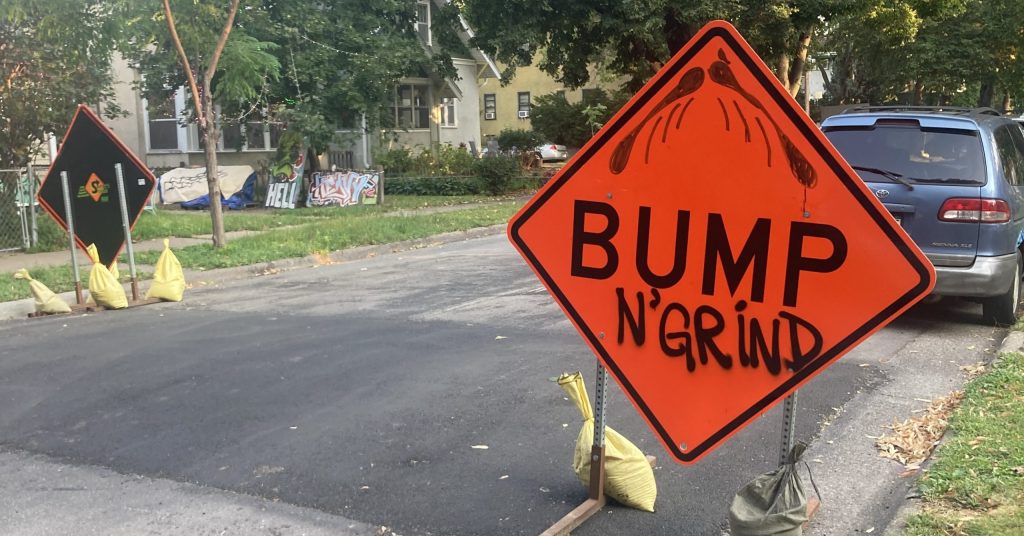
Fast forward most of a year, and the glee hasn’t gone away. Now it takes me about zero minutes sitting on the front steps to see cars slowing for our two new speed humps. We don’t keep mental scorecards anymore, but we do note who paid attention to the “Bump” signs and slowed down, who caught it at the last second, and who missed the warning sign completely and bumped over the hump.
Traffic engineers say that speed humps/bumps/tables traffic slow speeds by creating “vertical deflection,” and you can tell who wasn’t expecting a speed table by how much stuff bounces around in the back seat as they bump and scrape, up and over.
Speeds seem slower, and the street feels safer. We don’t feel outrage nearly as often, and, if anything, we laugh at how many cars take the bumps really, really slowly. It is an unexpected pleasure to see cars moving slowly down our street, moving carefully past bikes and slowing for pedestrians at the corner.
Advocating for change can be a slow grind, but we got our speed bumps. Drivers seem a little more cautious when pedestrians are crossing and bikes are sharing the road. It’s a win for sanity and safety on our little corner of the urban grid.
All photos by Steve Young-Burns