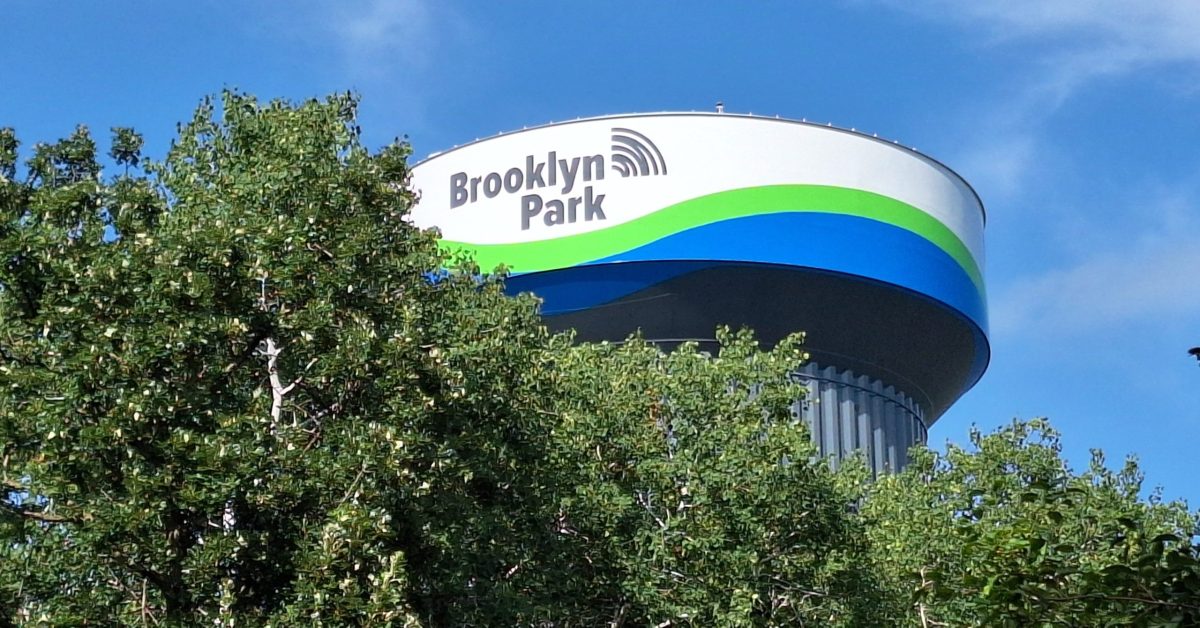
Brooklyn Park Adopts the Ambitious Northwest Growth Area Development Plan
Brooklyn Park approved a 700-acre Northwest Growth Area Plan to spur biotech, housing, and transit-oriented development amid economic challenges.
Brooklyn Park approved a 700-acre Northwest Growth Area Plan to spur biotech, housing, and transit-oriented development amid economic challenges.
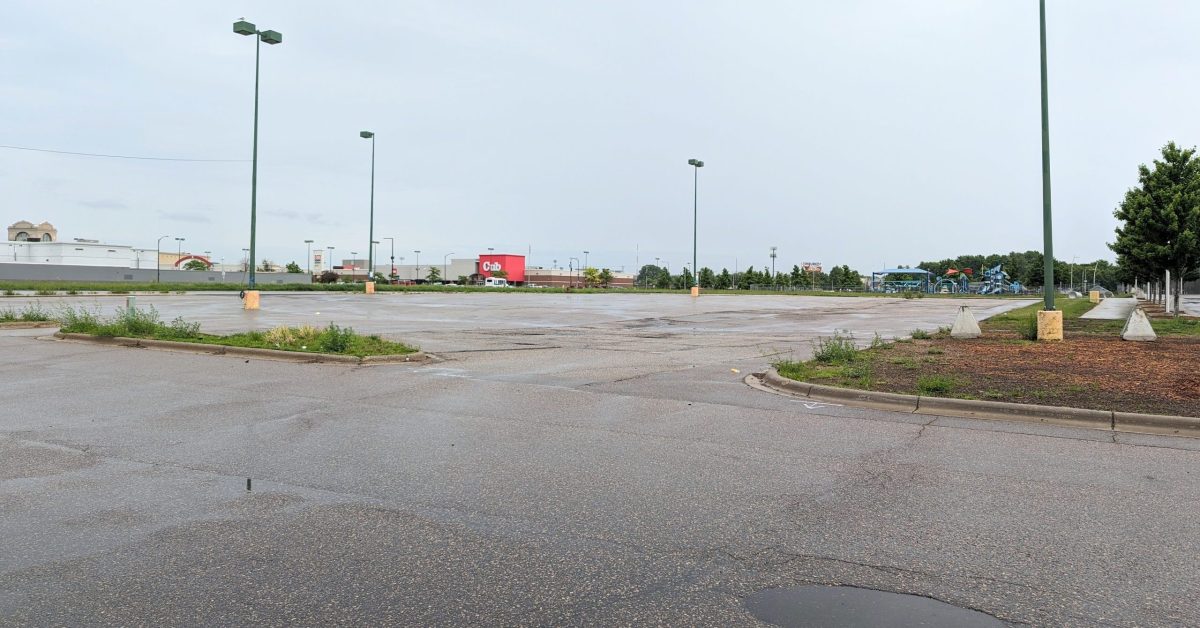
The Midway’s retail crisis isn’t just about vacancy — it’s about suburban design choking transit-accessible land with parking lots and car-oriented stores.
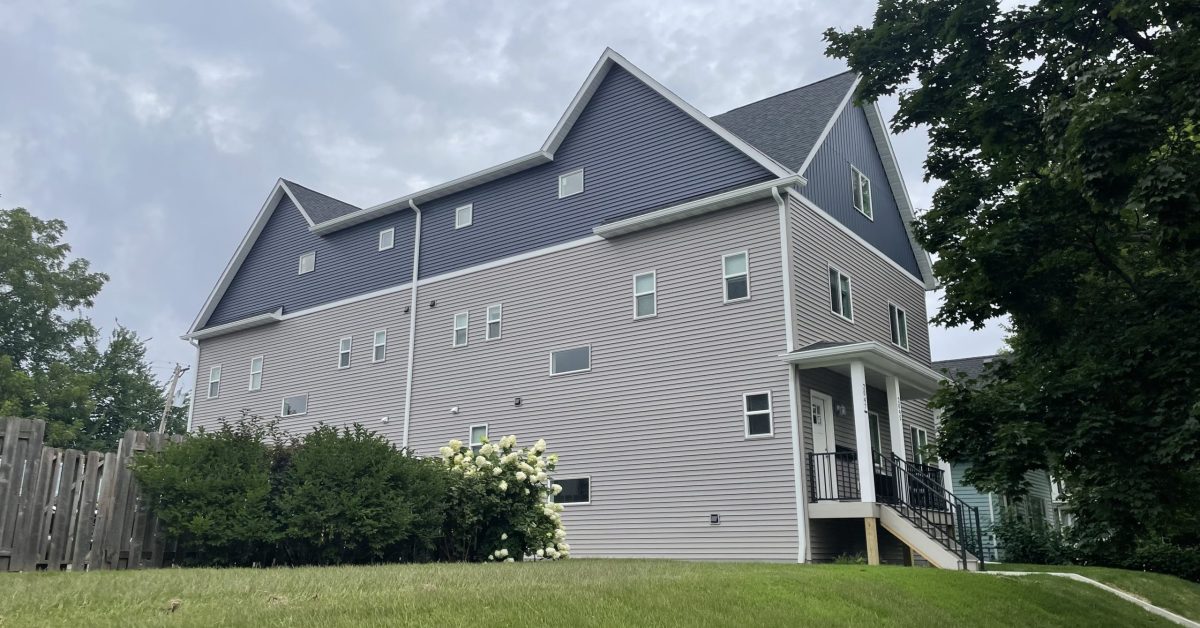
Two proposed multi-unit buildings near St. Thomas would be a step toward much-needed denser housing but faces pushback from nearby residents.
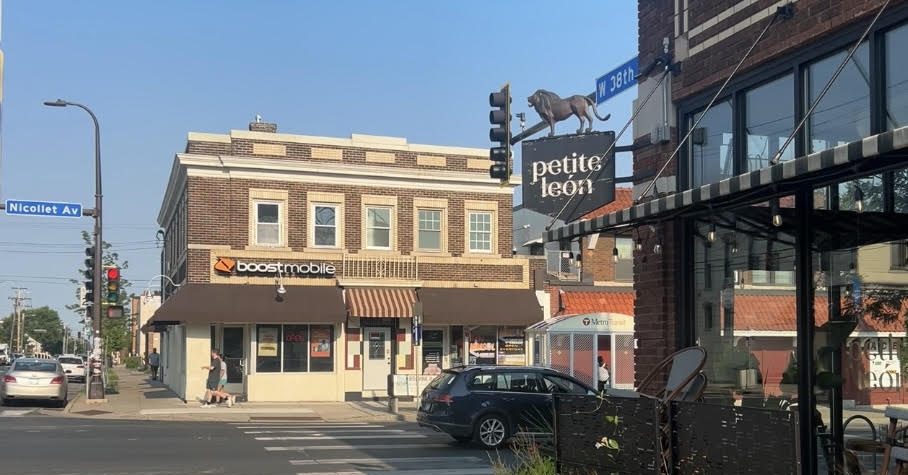
A suspicious lack of beer stores in one Minneapolis neighborhood raises troubling questions, forcing simple six-pack runs to become odysseys.

St. Paul may be ready to relax its prohibitions on neighborhood commercial buildings. Here’s how it could get over the finish line.

Beyond negative impacts on walkability, restrictive commercial zoning inhibits incremental development and raises barriers for small, independent developers in St. Paul.

It’s illegal to build corner stores and other small commercial spaces in most of St. Paul, thanks to decades-old zoning codes. That should change.

Minneapolis’ population is increasing, but its housing needs are increasing even faster. Why? More individual households need more individual spaces.

Minneapolis and St. Paul seem generally affordable, but just looking at averages can obscure large differences due to historical patterns and land use policies.

A transit event in the suburbs proved to be a snowy case study about why reliable transit service is essential to our metro area.