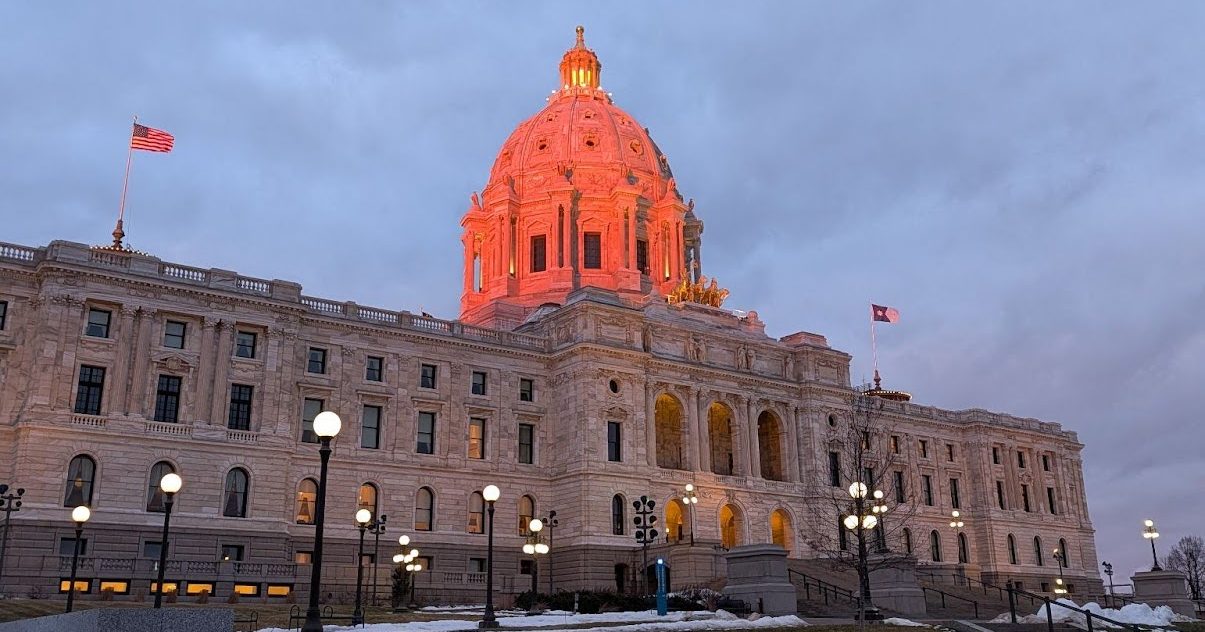
The 2026 Urbanist Legislative Agenda: A Mid-Session Check-In
Session update: rail corridors, Waymo, Yes to Homes, e-motos, super speeders and the defensive work that didn’t make the podcast preview.
Session update: rail corridors, Waymo, Yes to Homes, e-motos, super speeders and the defensive work that didn’t make the podcast preview.
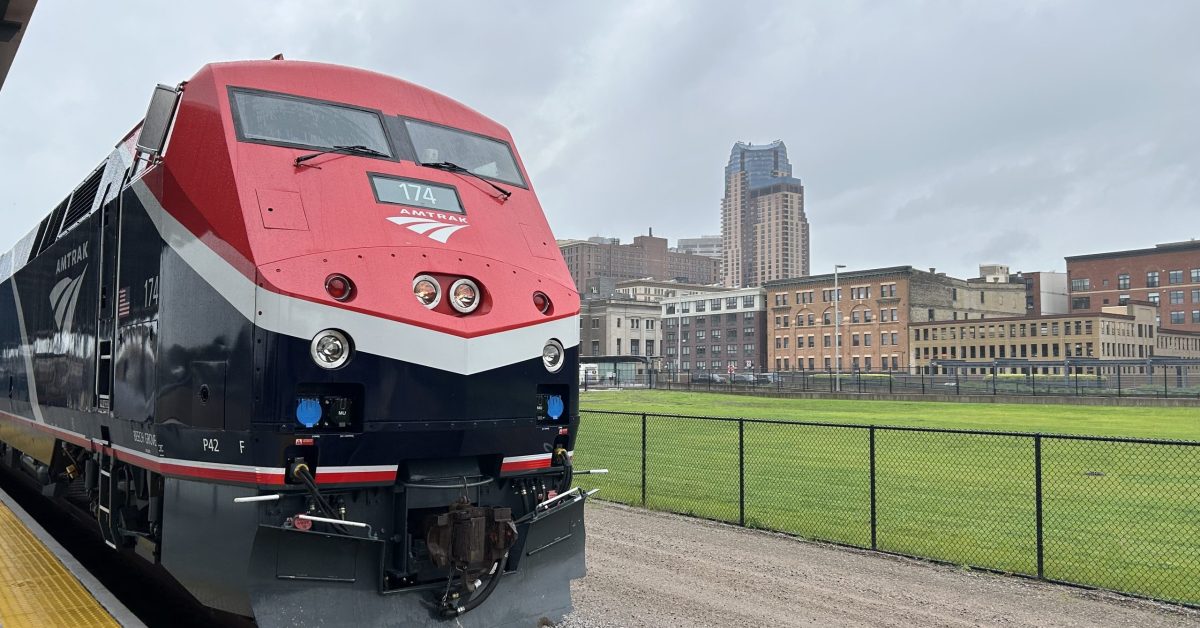
Though facing funding threats, the Northern Lights Express can benefit more than just riders, delivering investment, reduced congestion and expanded mobility.

The Northern Lights Express rail line is the kind of long-term public transportation investment that Minnesotans need and deserve.

NLX will create transit-oriented development in communities all along the proposed Twin Cities-to-Twin Ports corridor.

For train riders living close to NLX stations, walking or bicycling would be a green alternative to driving—and far more feasible than before.

NLX will be one of the most economically built mass transit projects in the United States, giving taxpayers a great return on their investment, increasing affordable housing supply and reducing freeway traffic.
“Everything necessary to build a world-class transportation connection between Duluth/Superior and Minneapolis is now in place,” says the chair of the NLX Technical Advisory Committee.
Ask your Minnesota legislators to pledge a firm commitment to building the safe, energy-efficient and environmentally friendly Northern Lights Express.

Investment in the Northern Lights Express would decrease traffic jams, infrastructure wear and tear, and the poisonous pollution of vehicle exhaust along Interstate 35.

Also, across the U.S. and around the world, the public and private sectors are investing billions in building and/or expanding passenger-train networks. Passenger trains are bringing their communities, especially transit-underserved communities, numerous benefits. These include the development of businesses in and around stations, which attracts and retains young professionals, many of whom prefer public transit to private automobiles. This all reduces regional economic disparities.