
Streets.mn published over 250 articles and podcasts in 2024, covering a lot of ground both literally and figuratively. Dozens of authors covered stories from neighborhood histories to highway planning to a favorite park or an ode to an electric bike.
Our articles are a combination of the author’s own ideas, pitches from our managing editor, Amy Gage — who has a part-time paid position that helps us consistently publish five times a week— and reprints from various partners in the community, including the Minnesota Reformer, MNopedia, National Links and MinnPost. Streets.mn also publishes a twice-a-month podcast.
As we look back at the year’s coverage, clear themes emerge across several key categories that defined urbanist conversations in 2024, showing the breadth and depth of Streets.mn’s impact on local discourse.
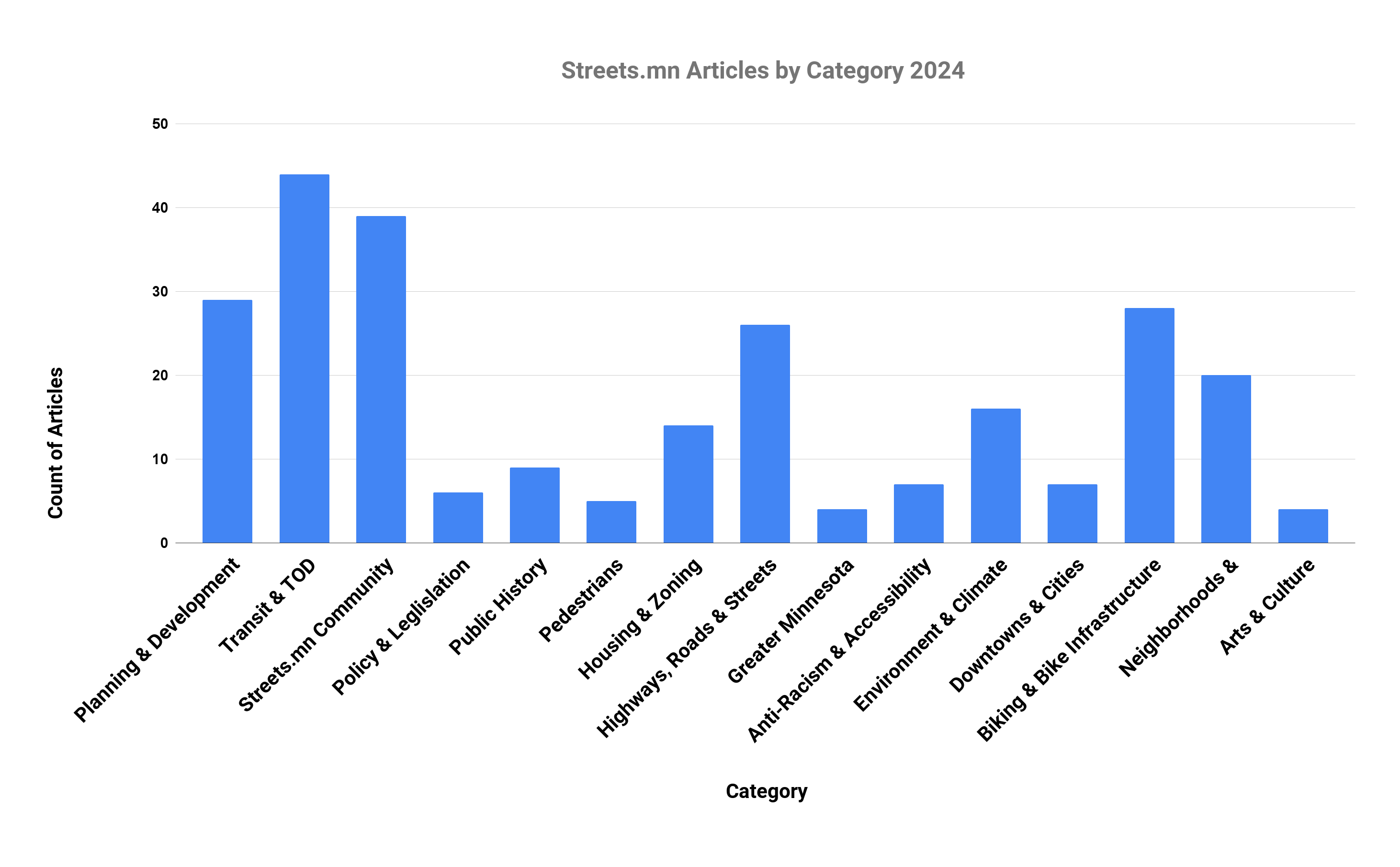
Our writers’ top categories in 2024 are shown here:
1. Transit and Transit-Oriented Development

With 44 articles, “Transit and Transit-Oriented Development” captured the attention of Streets.mn writers more than any other category this year. In the metro, writers covered the Purple Line BRT’s approval (or disapproval) process, progress on the Blue Line Extension LRT, and musings about the buildout of other parts of the BRT system and operations. One article even evaluated the idea of a midtown greenway light rail in a captivating October piece.
Post-pandemic transit planning through Network Now, Metro Transit’s plan to increase and fine-tune services, was covered by several writers including Aaron Isaacs, a former planner and manager at Metro Transit, and was also featured on a podcast episode that took a deep dive into the nitty-gritty of the plan.
Accessibility and system integration was at the top of the minds of contributors to both the website and podcast — including discussions of public ride-hail services, multi-modal integration and transit to trails park accessibility.
New Amtrak Borealis service was another focal point for writers on transit; five articles covered the new train service over the summer, focusing on the reinstatement of the Twin Cities’ second daily rail connection with Chicago after the Zephyr line closed in the 1970s. Some writers even took a trip on the Borealis train, evaluating the experience firsthand. Borealis made the podcast as well.
2. Streets.mn Community
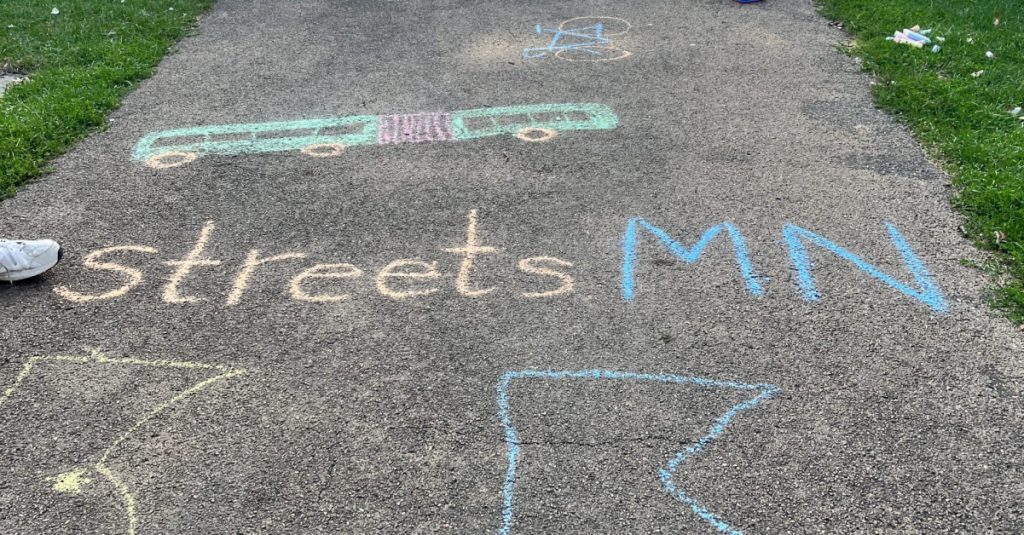
Unsurprisingly, “Streets.mn Community” was our second most covered category, with 39 articles. Streets.mn grew in reach and ambition this year with a tabling presence at the Our Streets Imagine Cedarfest event in Cedar Riverside last August, bringing a physical presence to grow the Streets.mn community in under-covered parts of the city.
We also brought readers into our process of developing an anti-racism vision statement — an essential step given that much of our board and all of our editorial team is made up of white people. These “community” articles seek to inform our readers about the inner workings of our mostly volunteer organization, including our fall fundraising campaign.
Another milestone is the addition of banner advertisements on the Streets.mn website, a move that will continue to help Streets.mn grow, featuring more stories from across the metro and throughout the state.
Watch for Streets.mn community articles next year to learn about more ways to get involved, including a family-friendly Happy Hour on January 9, 2025; the annual picnic, which is usually in early August; and the periodic “Open Office Hours” hosted by our editorial team for current and prospective contributors.
3. Urban Planning and Development
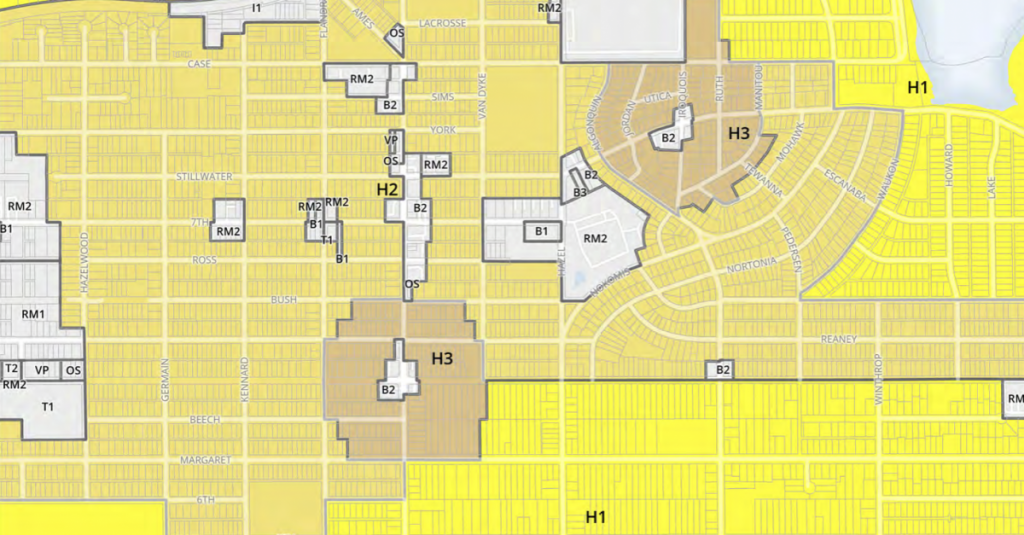
Coming in at number three was urban planning and development, with 29 articles. Many focused on local Twin Cities development issues while also incorporating broader urban planning theory and national trends.
This category included articles about public space and urban design such as landscape architect Han Zhang’s excellent piece on the urban design of Gold Medal Park on the eastern edge of downtown Minneapolis and a deep discussion of street signage, something to which I had given little thought before reading blogger Wolfie Browender’s July article.
Some of my favorite articles investigated the relationship between parking and urban development — a topic at the center of many complete streets and transit projects. The Streets.mn podcast’s parking discussion with business owners was among my favorite episodes this year.
This examination expanded into a larger discussion about retail districts in Alex Schieferdecker’s thoughtful and thorough analysis of retail corridors like Grand Avenue in St. Paul and Downtown and Uptown in Minneapolis. Following a similar vein, new contributor Dustin Nguyen’s piece on Bloomington’s New Vision for Southtown Shopping Center was another must-read, providing a suburban perspective — this article was our second most-read item in 2024.
This year’s publications also included a theoretical discussion of urban planning and development, including an analysis of the work of Jane Jacobs by Seth Bose, or a piece defining the “Enlightened Urbanist” by Ruth Sheldon.
4. Biking and Bike Infrastructures
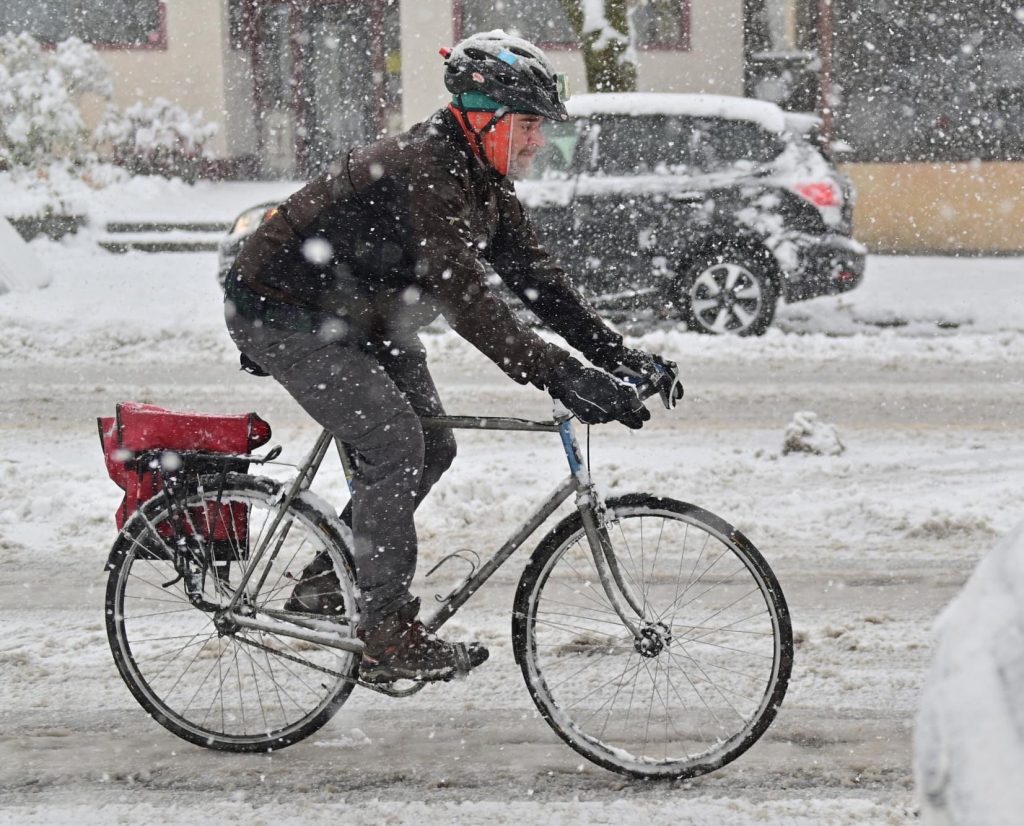
Coming in with 28 articles, biking and bike infrastructure was our fourth most popular category.
E-bikes and new technology were the subject of many articles. Mary Morse Marti’s “An Ode to Electric Cargo Bikes” was our third most read article this year. Who got E-bike rebates and who didn’t — a reprint from MinnPost — shed light on how future rebate programs could prioritize lower-income Minnesotans. Another reprint, this time from the Center for Transportation Studies at the University of Minnesota, looked at how the bike library on the Minneapolis campus was part of promoting low-cost carbon-free mobility.
Community events and social rides were covered in large numbers, from the success of new events like BikeMN’s Inaugural Twin Cities Bike Tour to long-running favorites like the 10th annual black bike week.
Infrastructure and planning also stuck out as a topic for debate, featuring calls to weigh in on St. Paul’s bike plan and analysis of Nine Mile Creek Trail’s connectivity to nearby parks.
5. Highways, Roads, and Streets

Highways, Roads and Streets was fifth, with 26 articles; a strong focus on the I-94 corridor debates and major infrastructure projects was complemented by attention to safety issues and community impacts. Articles also discussed the role of highways in Twin Cities urban development and evaluated ways to improve policy and planning in highway development.
Highway removal and Rethinking I-94 dominated this discussion with over 10 articles directly addressing the future of I-94 between Minneapolis and St. Paul. Some discussed the physical infrastructures: a discussion of how bridge-planning work could solidify the future of the corridor before public processes pick a future for the corridor; or on the idea to build a faster rail connection in the I-94 trench, a proposal that hasn’t received enough serious consideration. Others focused directly on advocacy to remove the highway by Our Streets and other community groups.
Some of my own writing has covered these topics, such as my pieces discussing the recent maintenance closures along I-94 and the malleability of traffic patterns and analysis of the highway corridor’s impacts on adjacent communities. Highway removal more broadly, like the alternatives evaluating Olson Memorial Highway in Minneapolis and Seth Bose’s forward-looking piece on what comes next if I-94 was removed — akin to a highway removal wish list — was also a very popular topic.
Highway removal will remain a hot topic of discussion early next year as MnDOT aims to cut its at-grade boulevard options while community members and forward-thinking elected officials fight to continue studying the proposals.
Street design and road safety also topped this category. New contributor Raj Singh’s piece on Poor Intersection Design and its Collisional Repercussions evaluated road design and shared a personal experience with the impacts of these decisions. Zack Mensinger’s piece on Pelham Boulevard’s design also gestured to this larger discussion. Traffic calming, traffic safety and even a motorcyclist’s view on drivers were also covered.
And, new contributor Naomi Schulberg’s article and maps explaining the Minneapolis Street Grid was the highest-read article of the year!
6. Communities and Neighborhoods

With 20 articles, communities and neighborhoods came in at number six. Articles in this category covered neighborhood profiles and changes, with pieces evaluating Hamline-Midway’s current challenges, how highway construction shaped Twin Cities neighborhoods and Spreadsheets vs Intuition: How to Choose a Neighborhood showing the range in this category.
I was particularly interested in articles that discussed Community Spaces and Places, including Macalester College Professor Daniel Trudeau’s piece on how Phalen Regional Park in St. Paul creates safe, inclusive communities.
7. Environment and Climate
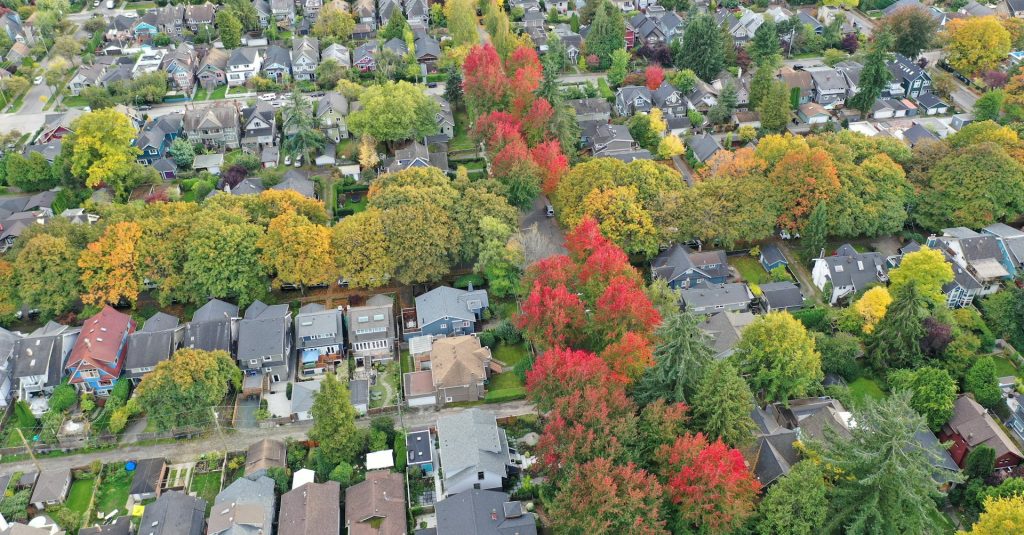
Sixteen articles covered environmental and climate change issues this year. Transportation’s environmental impact was a core topic of discussion, including how reducing vehicle miles traveled (VMT) will have environmental and economic benefits and an ambitious two-part series from one of our copy editors, Kevin Matesa-Klatt, analyzing the particulate matter from tires that harm people and the environment.
Energy transition and power generation was a newer topic to streets this year with the first two segments of a multi-part series on “The Urbanist’s Case for Nuclear Power,” a popular article on David Brauer’s first year with solar power and a podcast on Crookston, Minnesota’s energy transition.
Several pieces on natural systems, one podcast episode on urban wildlife, another in-depth analysis of the Upper Midwest’s hydrological system and an environmental history of Highland Creek also contributed to Streets.mn’s environmental coverage.
8. Housing, Land Use and Zoning
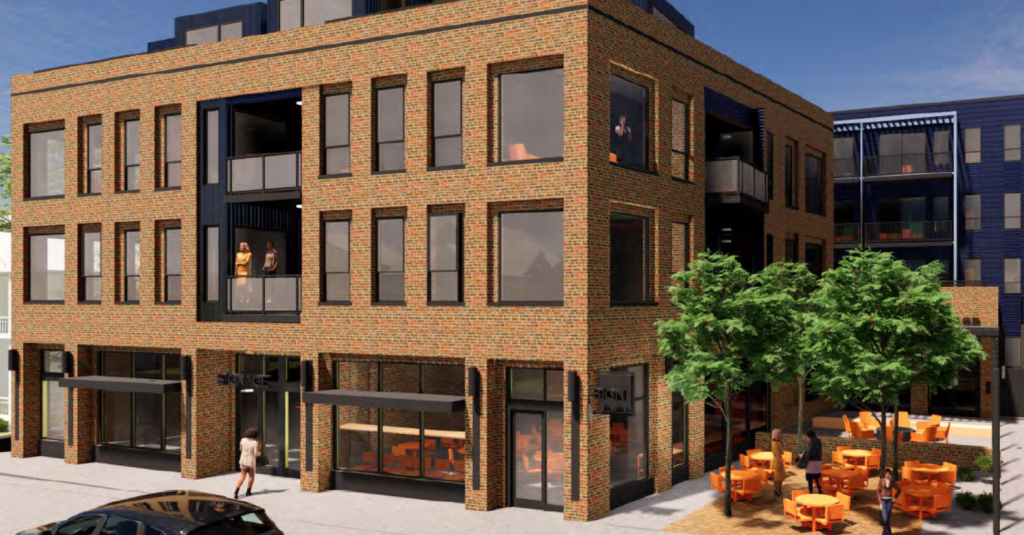
And, at 14 articles, Housing, Land Use and Zoning rounded out the top eight categories.
Zoning reform was at the center of this category, with longtime contributor Zak Yudhishthu’s piece on the 2040 plan, Minneapolis’ Natural Upzoning Experiment and the legislative work being done to increase housing abundance and affordability.
Although Yudhisthu has moved to Chicago for work, his writing remains a Streets.mn mainstay, also evaluating inclusionary zoning policy in a two-part series earlier this year.
Ian R Buck’s Streets.mn podcast also covered housing and zoning-related issues, with one episode addressing zoning constraints and mixed-use corridors and another discussing mixed-use housing.
Other Topics that Defined Us This Year
Also shaping Streets.mn coverage in 2024: public history, downtown development, equity issues, pedestrian infrastructure, greater Minnesota initiatives, state policy, and arts and culture — reflecting the breadth and depth of contemporary issues and our writers’ interests this year.
Now more than 12 years old, Streets.mn continues to be an important forum to explore urban life from multiple angles: historical and contemporary, practical and theoretical, personal and policy. As we move into 2025, Streets.mn will remain a vital platform for discussing and debating the future of our cities and communities, bringing together voices from across the region to share their expertise, experiences and visions for better urban spaces.
We’d like to hear from you. Send your thoughts, musings and story ideas to [email protected] or directly to our managing editor at [email protected]. She would particularly like to publish the views and voices of more women and more people in Greater Minnesota. We’d love to see you join our growing community in 2025!
Editor’s note: “Street Views” appears in Streets.mn twice monthly. Respond to columnist and board member Joe Harrington directly at [email protected]. You may also add comments at our Streets.mn pages on Bluesky and Facebook.