In North Minneapolis, Groceries are a Question of Land Use
Grocery stores in North Minneapolis expose how land use, supermarket redlining and policy choices shape food access, and what communities can do to reclaim control.
Grocery stores in North Minneapolis expose how land use, supermarket redlining and policy choices shape food access, and what communities can do to reclaim control.
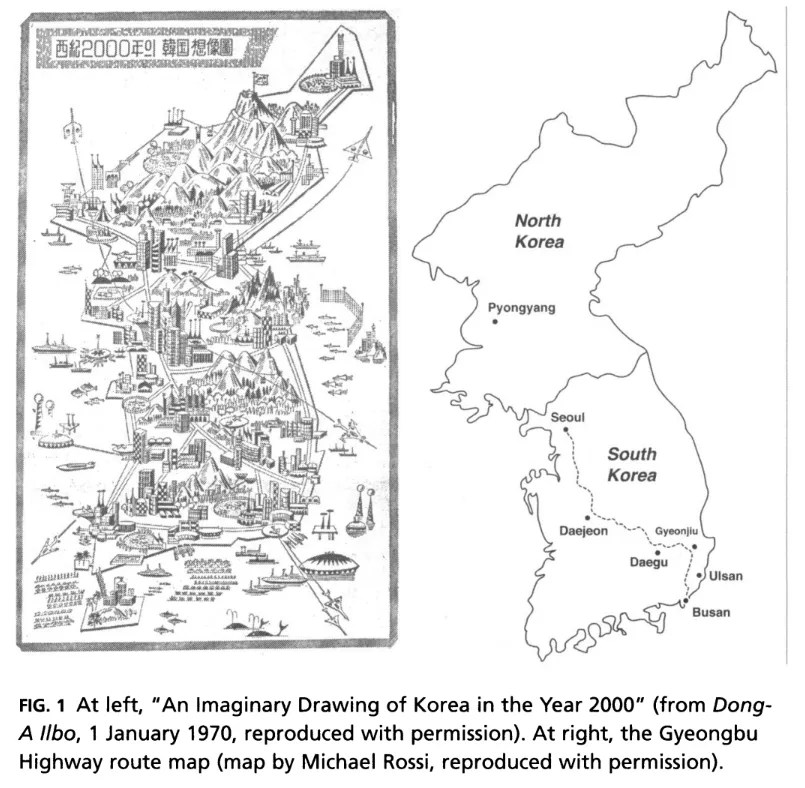
Against all odds, futuristic delusions of national construction in South Korea transformed a pitiful backwater into a prosperous country. As Minnesota today faces its own hostile intermeddling, is there something that can be brought from Korea, to Minnesota?
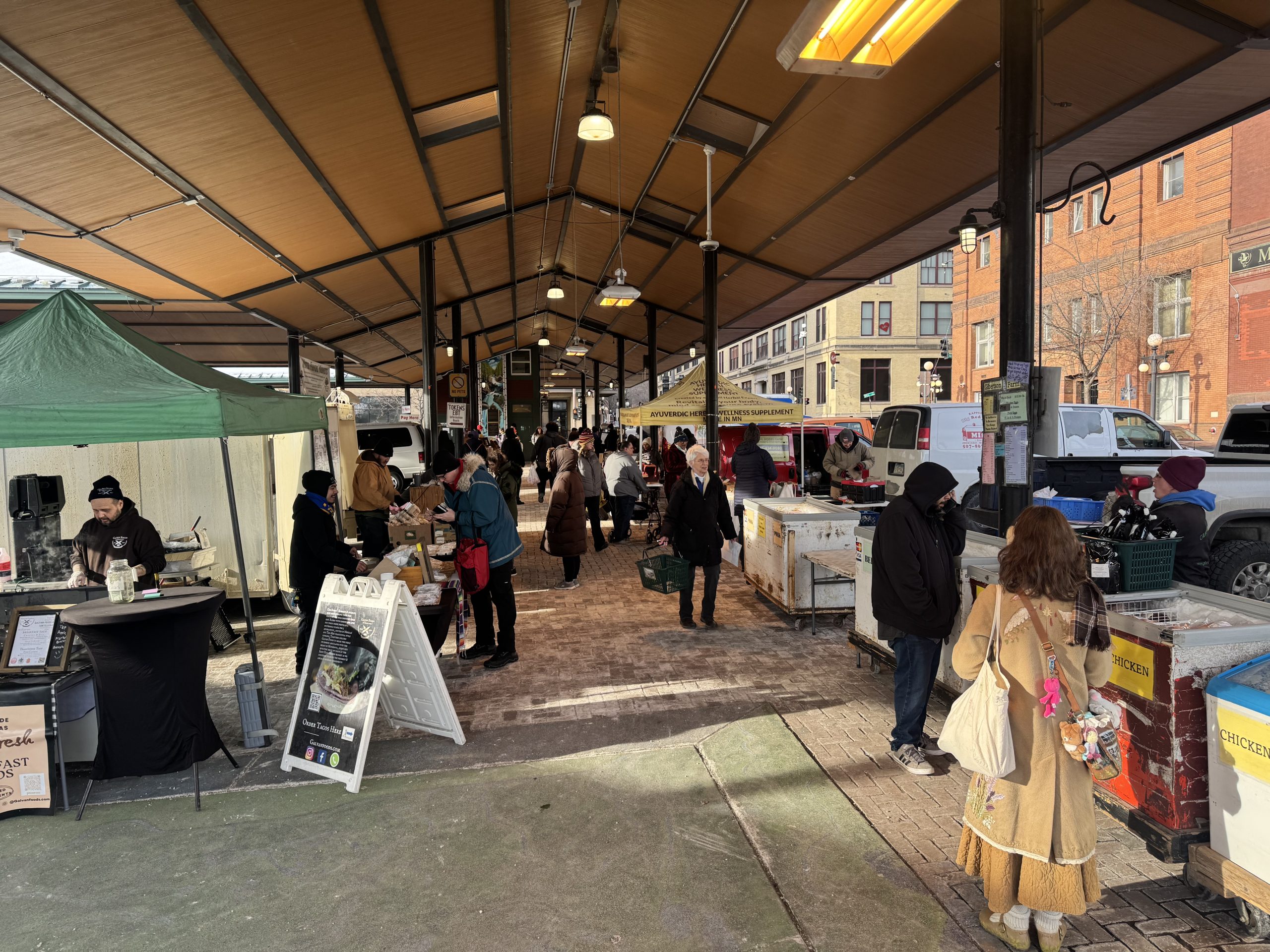
In a time of fear and economic harm, farmers markets remain vital third places where community gathers and showing up helps rebuild safety.
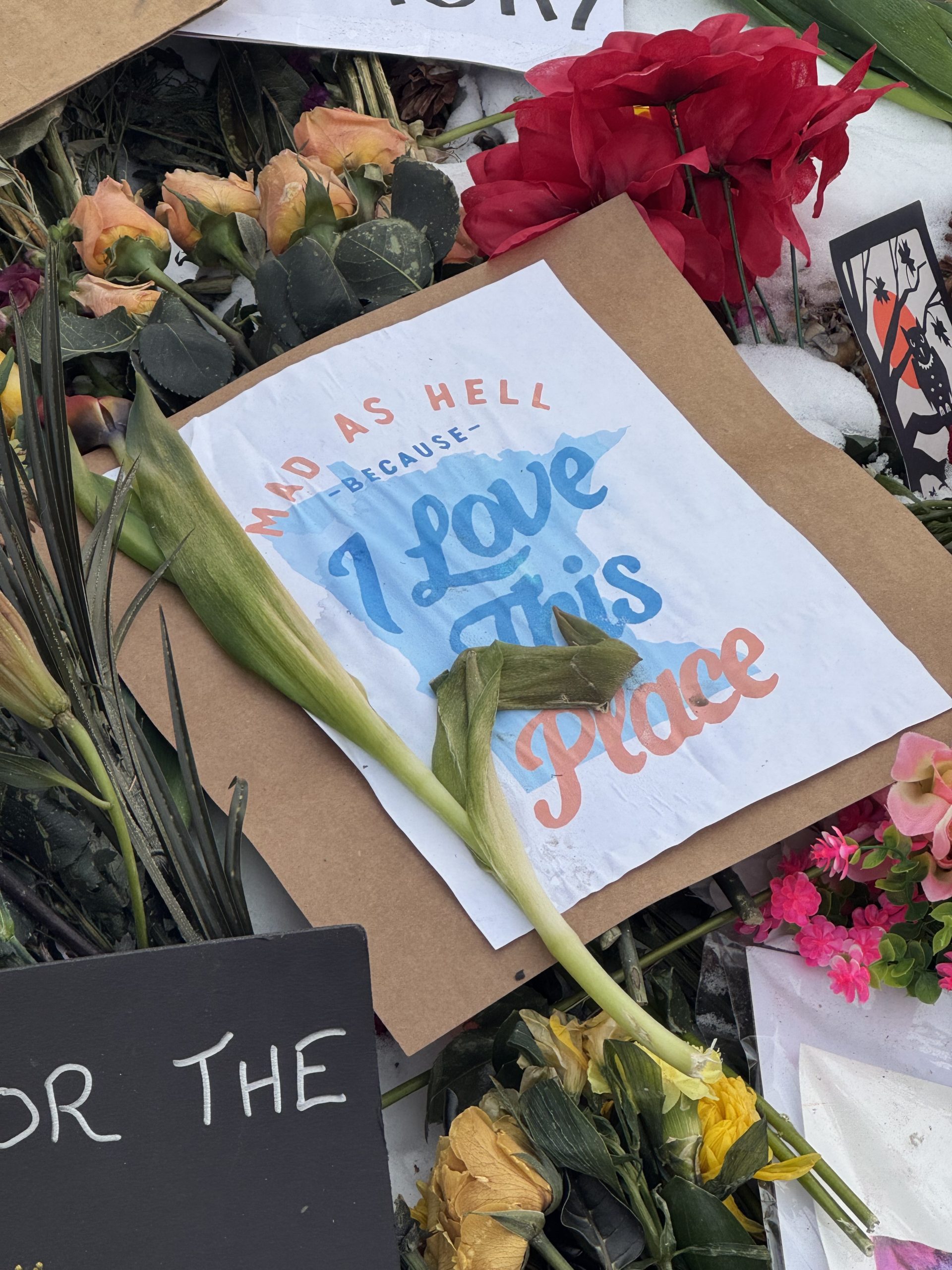
As Minneapolis and St. Paul community members resist the occupation of federal immigration enforcement agents, streets and buildings have become one place where that resistance becomes public.
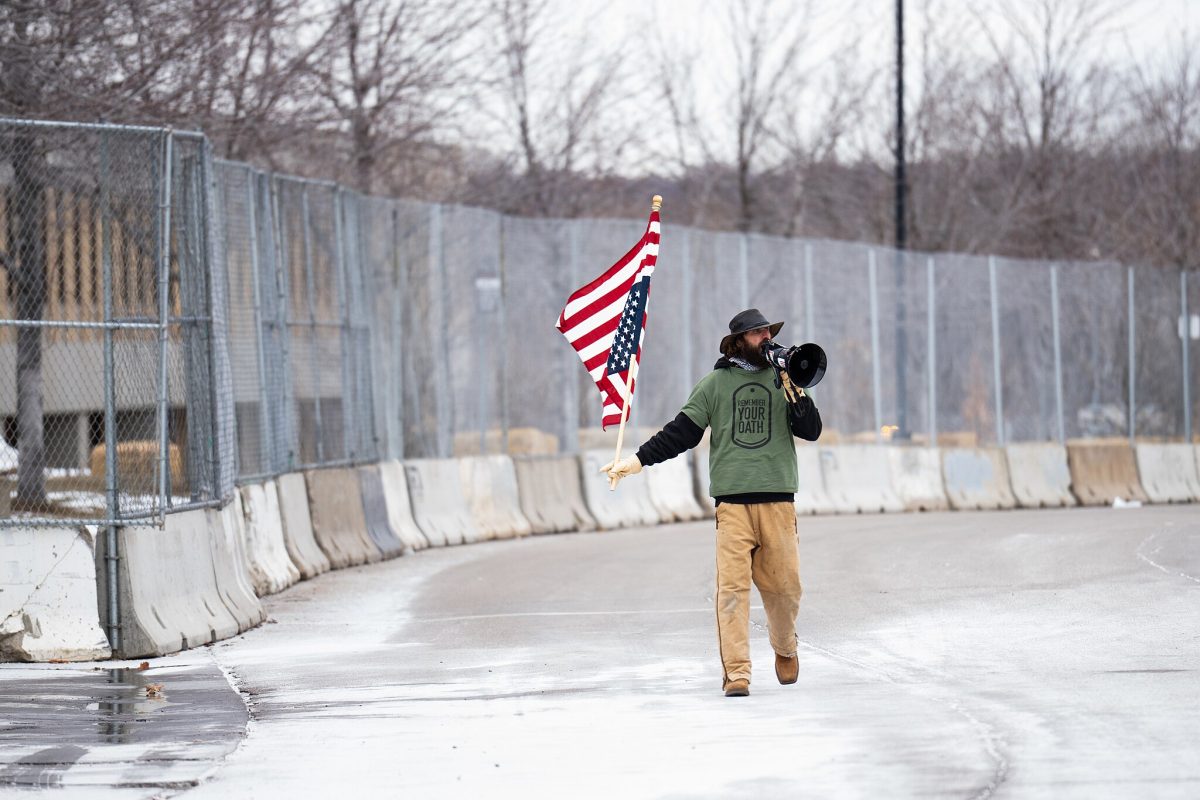
The Whipple Federal Building has become infamous during Operation Metro Surge, but few know about the person for whom it’s named and what he stood for.
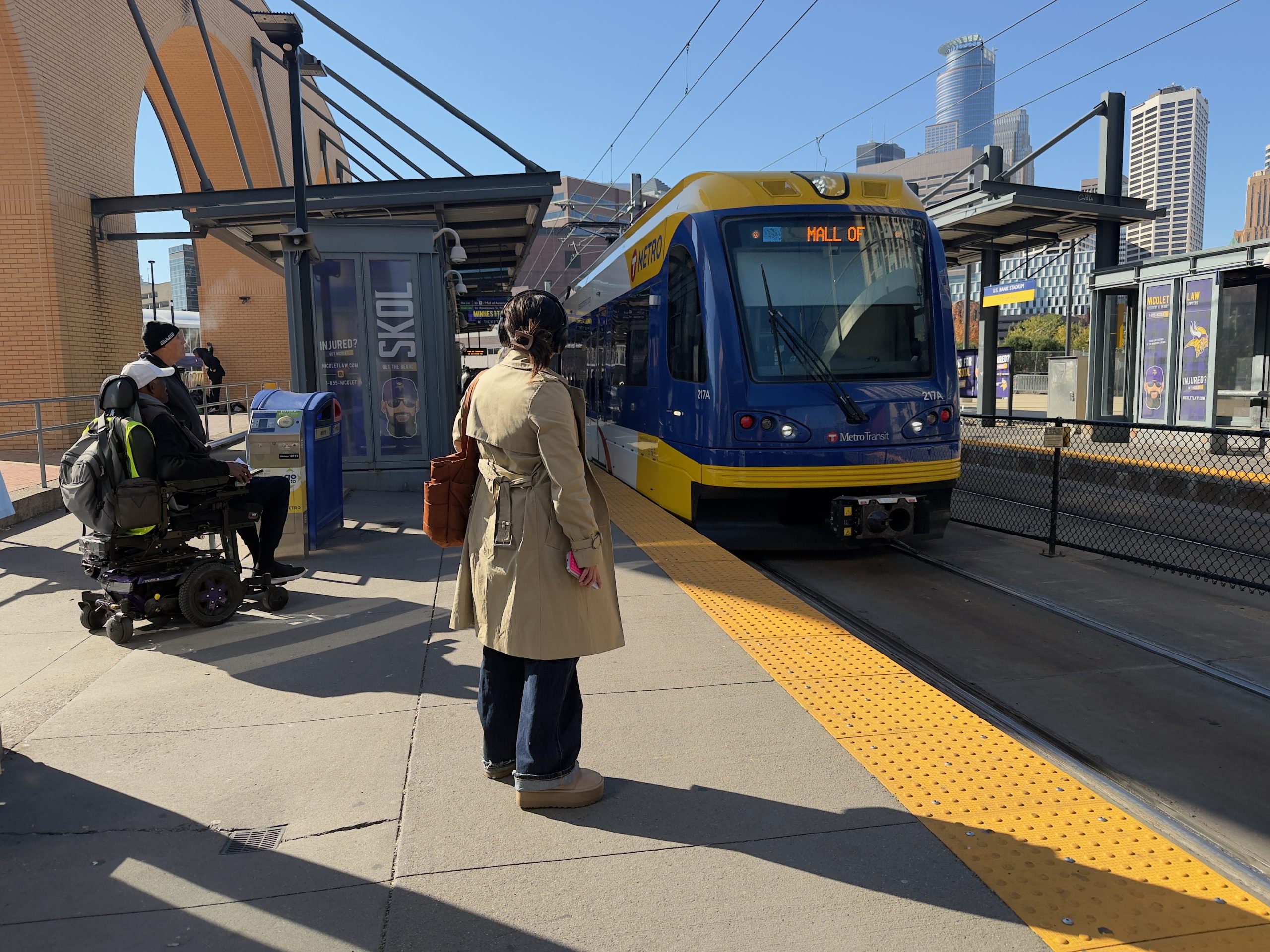
Transit riders and cyclists converged on Fort Snelling’s Whipple Federal Building as Secretary Noem spoke, highlighting accessibility gaps and multimodal routes to protest.
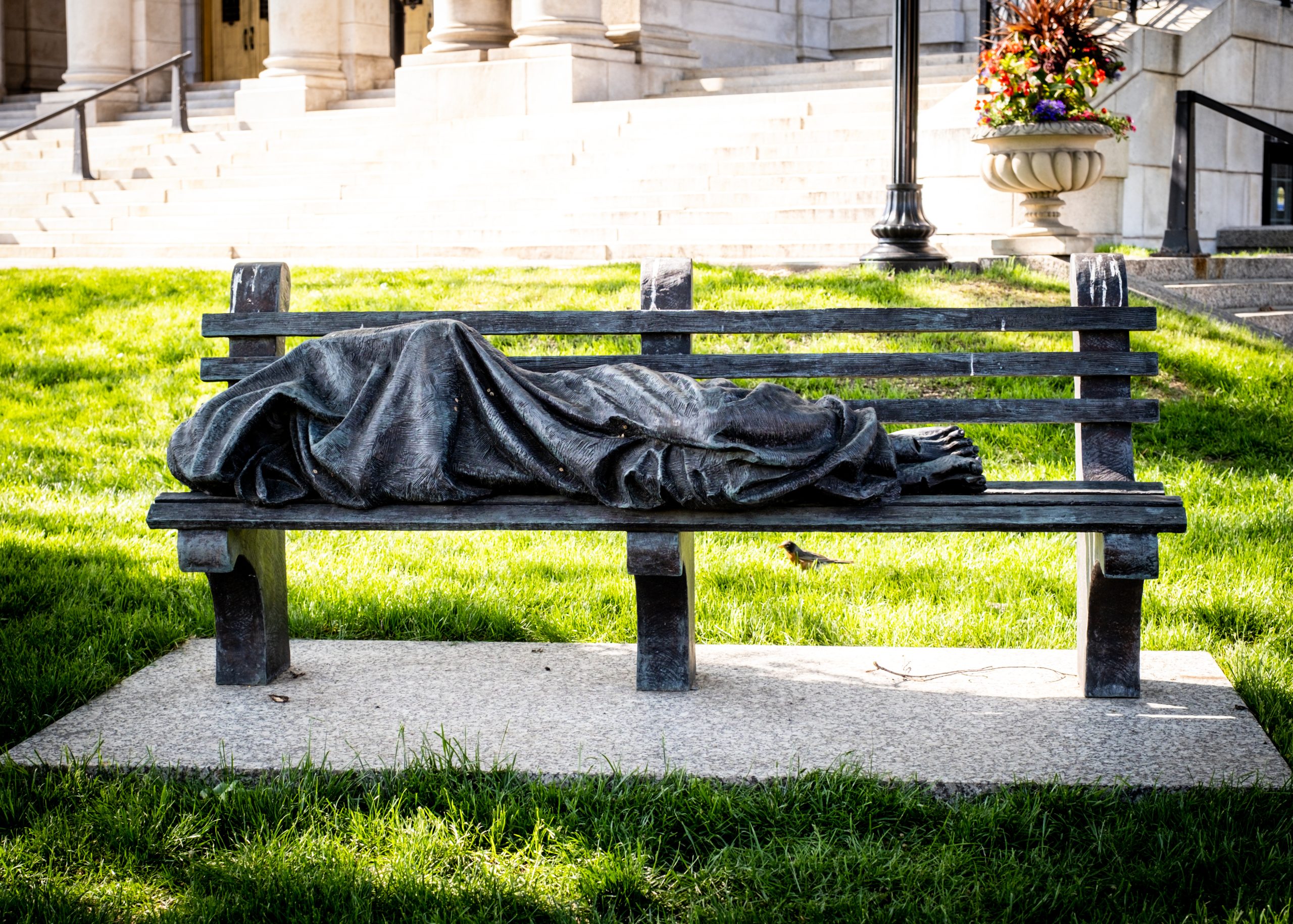
Twin Cities’ encampment responses and renter protections differ sharply: Minneapolis emphasizes clearing camps, while St. Paul explores stabilization policies and stronger tenant rights.
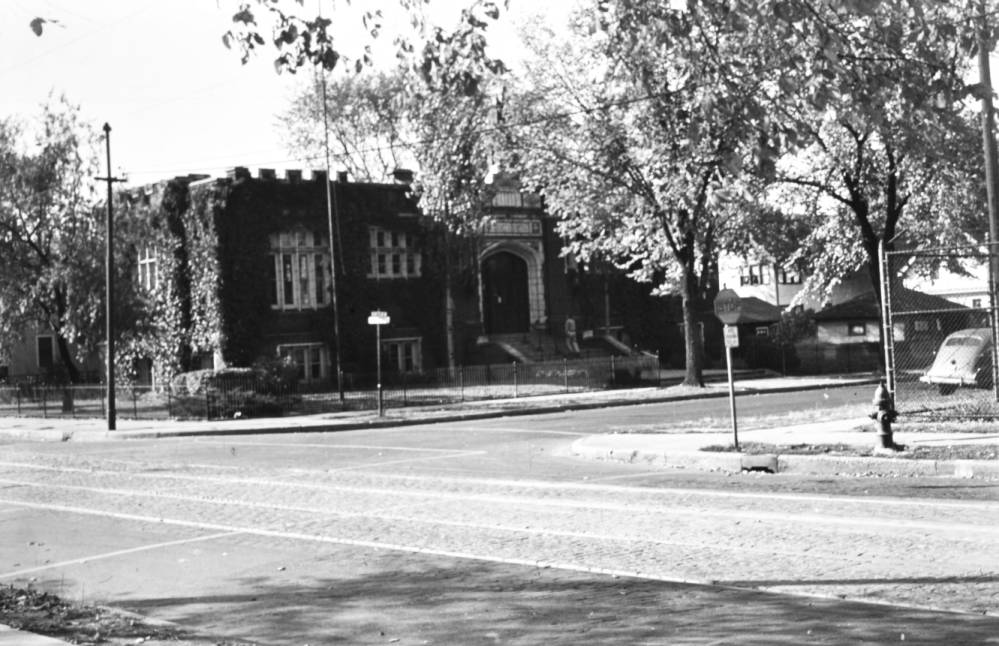
Lindsey Fenner describes the history of 35th and 36th Streets and the Black community disrupted by the building of Interstate 35W.

Researchers propose a three-tier framework—individual, community, systemic—to reframe urban transport as a social construct influencing equity, culture, power, and future mobility.

A duo of aunties (Cristina Montoya and Laura “Pacha” Galaviz) continue their journey for active mobility in part 3 of our series.